

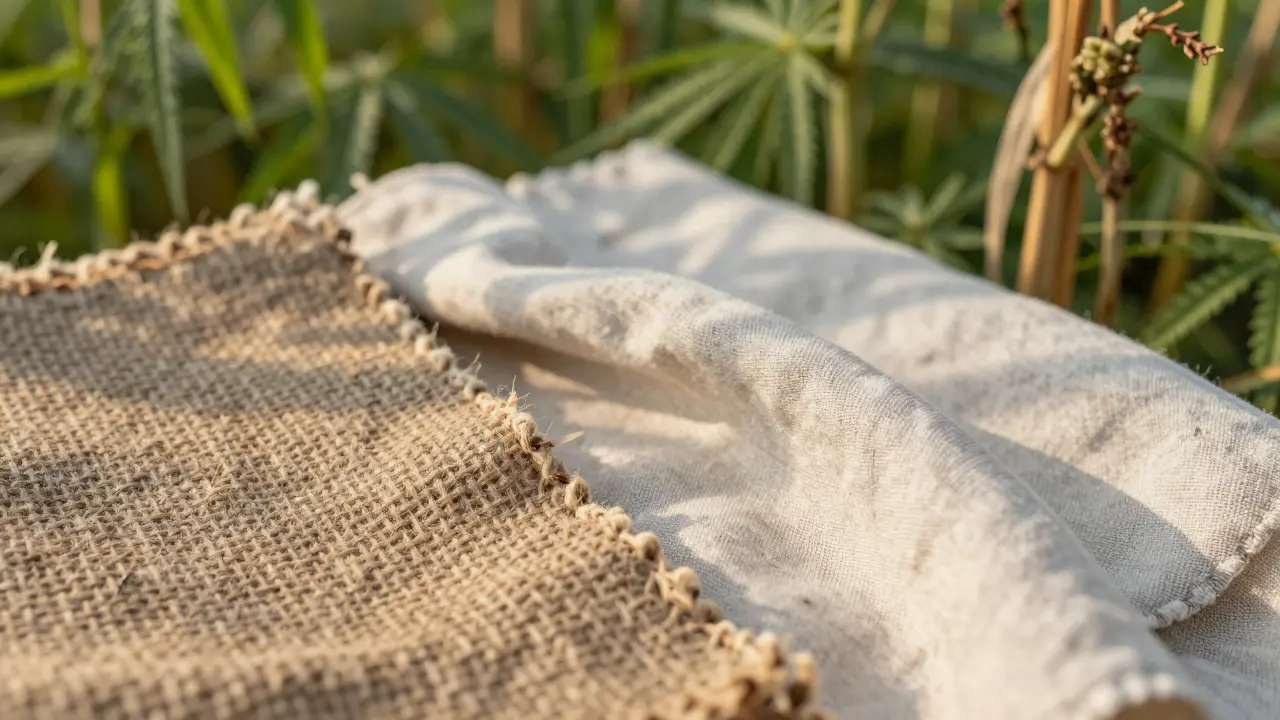
Did you know that the fashion industry produces more greenhouse gas emissions than international flights and maritime shipping combined? It’s a staggering fact that hits hard when you think about your next outfit. Most of us want to dress well without wrecking the planet, but the labels in stores are often confusing. Greenwashing is everywhere. So, how do you actually spot the clothes with the lowest carbon footprint? The answer lies in two places: what the fabric is made of and how it was manufactured.
In this guide, we cut through the marketing noise. We look at specific materials and production techniques that genuinely reduce environmental impact. You will learn which fibers to buy, which processes to avoid, and how to make smarter choices in 2026.
The Material Hierarchy: What to Wear
The biggest lever you have is the material itself. Not all natural fibers are created equal, and not all synthetics are villains. Here is the hierarchy of materials from lowest to highest impact.
| Material | Approx. Emissions | Key Environmental Factor |
|---|---|---|
| Hemp | 0.5 - 1.0 | Requires minimal water and no pesticides; grows densely. |
| Linen | 1.0 - 1.5 | Made from flax; requires little irrigation compared to cotton. |
| Organic Cotton | 2.0 - 3.0 | No synthetic fertilizers; lower energy use if rain-fed. |
| Recycled Polyester | 3.0 - 4.0 | Saves oil extraction; still sheds microplastics. |
| Virgin Polyester | 5.0 - 7.0 | Petroleum-based; high energy intensity in production. |
| Conventional Cotton | 6.0 - 8.0 | High pesticide and fertilizer use; significant soil degradation. |
Hemp is currently the king of low-impact fibers. It sequesters carbon in the soil, needs almost no water once established, and naturally repels pests. If you see hemp denim or hemp blends, that is a win for the planet. Linen, made from flax, is a close second. Flax plants are resilient and can grow in poor soil conditions where other crops fail. The processing of linen does require some mechanical retting, but it avoids the chemical baths used in many synthetic productions.
Then there is the cotton debate. Regular cotton is thirsty and chemical-heavy. However, Organic Cotton changes the equation. By banning synthetic pesticides and fertilizers, organic cotton farming protects soil health and reduces runoff into waterways. Look for GOTS (Global Organic Textile Standard) certification to ensure the cotton wasn’t just grown organically but also processed without toxic dyes.
Synthetic Fibers: Recycled vs. Virgin
You might hear that all plastics are bad, and while true for waste, the story is different for carbon emissions during production. Recycled Polyester (rPET) has a significantly lower carbon footprint than virgin polyester. Why? Because making new polyester requires extracting crude oil, refining it, and spinning it into fiber. Recycling plastic bottles or old garments skips the extraction phase. This saves up to 59% of the carbon emissions associated with virgin polyester production.
However, recycled polyester isn’t perfect. It still sheds microplastics when washed. To mitigate this, always wash synthetic items in a mesh bag or use a washing machine with a built-in microfiber filter. Also, consider Econyl, a branded nylon made from ocean waste like fishing nets. It closes the loop by turning pollution into high-performance fabric, though its end-of-life recyclability depends on local infrastructure.
Avoid "bio-plastics" marketed as eco-friendly unless they are certified compostable. Many bioplastics still require industrial facilities to break down and can contaminate recycling streams if thrown in the wrong bin.
Production Methods That Matter
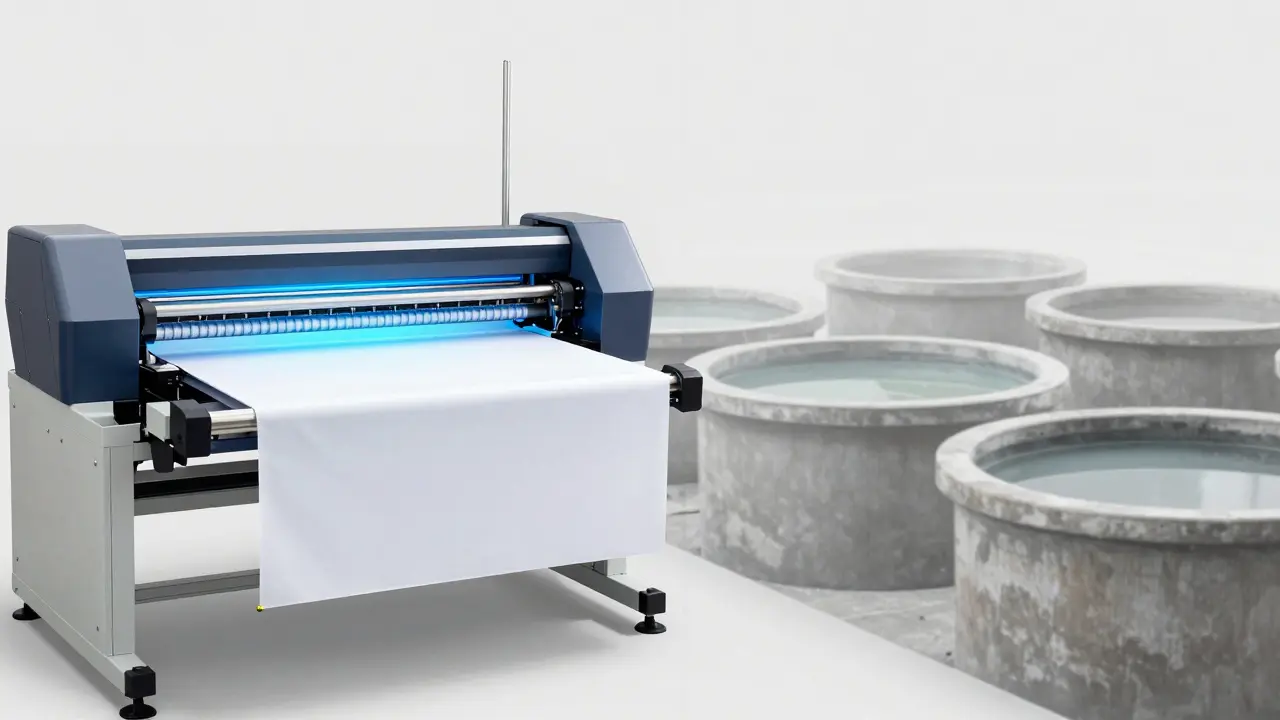
The material is only half the story. How the garment is made drastically affects its total footprint. Two major areas here are dyeing and manufacturing energy.
Traditional textile dyeing is one of the most polluting steps in fashion. It uses vast amounts of water and releases toxic chemicals into rivers. Low-impact alternatives include:
- Natural Dyes: Derived from plants, minerals, or insects. They have a lower chemical load but can be less colorfast and require more land to produce the dye source.
- Digital Printing: Instead of soaking fabric in vats of dye, digital printers apply ink directly to the cloth. This reduces water usage by up to 95% and eliminates wastewater discharge.
- Supercritical CO2 Dyeing: A newer technology that uses pressurized carbon dioxide instead of water to transfer dye. It uses zero water and recycles 95% of the CO2 used in the process.
Manufacturing energy is another hidden cost. Factories powered by coal have a much higher footprint than those running on solar or wind. Brands are increasingly disclosing their energy mix. Look for transparency reports that mention renewable energy usage in their supply chain. In 2026, several major manufacturers in Vietnam and Bangladesh have shifted to solar-powered factories, significantly lowering the carbon cost of t-shirts and jeans produced there.
The Hidden Cost of Logistics
Where your clothes come from matters. Shipping via air freight generates exponentially more emissions than sea freight. A pair of shoes flown from Asia to New York has a logistics footprint ten times higher than the same pair shipped by container. When possible, choose brands that prioritize sea or rail transport. Local production is ideal, but don’t assume "Made in USA" or "Made in EU" is automatically better. If the local factory runs on dirty energy and imports raw materials globally, the net impact might be worse than a efficient, renewable-powered factory overseas.
Also, consider the return rate. Online shopping returns are a massive source of waste. Many returned items cannot be resold and end up in landfills or incinerators, releasing all the embedded carbon back into the atmosphere. Measure yourself accurately, check size guides carefully, and try to minimize returns. Buying fewer items that fit perfectly is far more sustainable than buying three sizes and returning two.

Certifications to Trust
Not all labels are created equal. Some certifications are rigorous, while others are pay-to-play schemes. Here are the ones that actually mean something:
- GOTS (Global Organic Textile Standard): Covers organic status of fibers, environmental criteria, and social compliance. This is the gold standard for organic cotton.
- GRS (Global Recycled Standard): Verifies the recycled content of a product and tracks it through the supply chain. Essential for recycled polyester and nylon.
- OEKO-TEX Standard 100: Tests for harmful substances in the final product. It doesn’t measure carbon footprint directly, but it ensures the clothes are safe for you and likely produced with fewer toxic chemicals.
- Bluesign: Approves systems and processes rather than just products. It ensures that mills and factories manage resources efficiently and eliminate hazardous substances.
Avoid vague terms like "eco-friendly," "green," or "natural" without backing certifications. These are unregulated marketing terms. Always look for the logo and verify it on the certifying body’s website.
The Ultimate Strategy: Wear It Longer
Even the most sustainable new garment has a higher footprint than an existing one. The most effective way to reduce your fashion carbon footprint is to extend the life of your current wardrobe. Washing clothes less frequently, air-drying instead of using a dryer, and repairing tears instead of discarding items can cut the per-wear impact by over 80%. Second-hand shopping is also a powerful tool. Thrifting keeps clothes out of landfills and requires no new production emissions. In 2026, resale platforms have improved quality control, making it easier to find durable, low-impact pieces pre-loved.
Building a capsule wardrobe with versatile, high-quality pieces means you buy less overall. Focus on timeless styles that won’t go out of fashion next season. When you do need to buy new, prioritize hemp, linen, or GOTS-certified organic cotton, produced with digital printing and renewable energy. Your closet can be a force for good, not harm.
Is organic cotton really better than regular cotton?
Yes, primarily due to reduced chemical use. Conventional cotton relies heavily on synthetic pesticides and fertilizers, which degrade soil health and pollute waterways. Organic cotton farming prohibits these chemicals, leading to healthier ecosystems. Additionally, organic cotton often uses less water if it is rain-fed, whereas conventional cotton is frequently irrigated intensively. However, organic cotton still has a higher water footprint than hemp or linen.
Why is recycled polyester considered sustainable if it's plastic?
Recycled polyester (rPET) is considered sustainable because it diverts waste from landfills and oceans, and it requires significantly less energy to produce than virgin polyester. Making virgin polyester involves extracting and refining crude oil, a highly carbon-intensive process. Recycling plastic bottles skips this step, reducing carbon emissions by up to 59%. While rPET still sheds microplastics, its production footprint is much lower than new synthetic fibers.
What is the best low-impact fabric for everyday wear?
Hemp is widely regarded as the best low-impact fabric for everyday wear. It requires minimal water, no pesticides, and grows densely, yielding high fiber output per acre. Hemp fabric is durable, breathable, and becomes softer with each wash. Linen is another excellent option, especially for warmer climates, as flax plants are resilient and require little irrigation. For warmth, wool from responsibly managed farms is a good choice due to its longevity and insulation properties.
How does digital printing reduce environmental impact?
Digital printing applies ink directly to fabric using computer-controlled jets, similar to a home printer. Traditional dyeing involves soaking large batches of fabric in vats of water and chemicals, consuming thousands of liters of water and creating toxic wastewater. Digital printing reduces water usage by up to 95%, eliminates the need for chemical mordants, and allows for precise application, reducing waste. It also enables on-demand production, minimizing unsold inventory.
Are "Made in USA" clothes always more sustainable?
Not necessarily. Sustainability depends on the entire lifecycle, including material sourcing, manufacturing energy, and transportation. If a US-made garment uses imported materials and is produced in a factory powered by coal, its carbon footprint may exceed that of a garment made in Europe with renewable energy and locally sourced organic cotton. Air freighted goods from anywhere have a high logistics footprint. Look for transparency in energy sources and material origins rather than just country of origin.
What certifications should I look for on clothing labels?
Look for GOTS (Global Organic Textile Standard) for organic fibers, ensuring both ecological and social standards are met. GRS (Global Recycled Standard) verifies recycled content. OEKO-TEX Standard 100 guarantees the absence of harmful substances. Bluesign approves sustainable manufacturing processes. Avoid vague terms like "eco-friendly" without third-party verification, as these are unregulated marketing claims.
How can I reduce the carbon footprint of my existing wardrobe?
The most impactful step is to wear your clothes longer. Wash them less frequently, use cold water, and air-dry instead of using a tumble dryer. Repair holes and loose buttons instead of discarding items. Buy second-hand to extend the life of existing garments. When disposing of clothes, donate them to reputable organizations or recycle them through textile take-back programs. Reducing consumption and maximizing use is far more effective than buying new "sustainable" items.
Is bamboo fabric truly sustainable?
It depends on the processing method. Bamboo grows quickly and requires little water, which is positive. However, most bamboo fabric on the market is rayon/viscose, made by dissolving bamboo pulp in harsh chemicals like sodium hydroxide and carbon disulfide. This process can be toxic and energy-intensive. Look for "Lyocell" or "Tencel" labeled bamboo, which uses a closed-loop solvent system that recovers chemicals. Mechanical bamboo processing exists but is rare and expensive.