

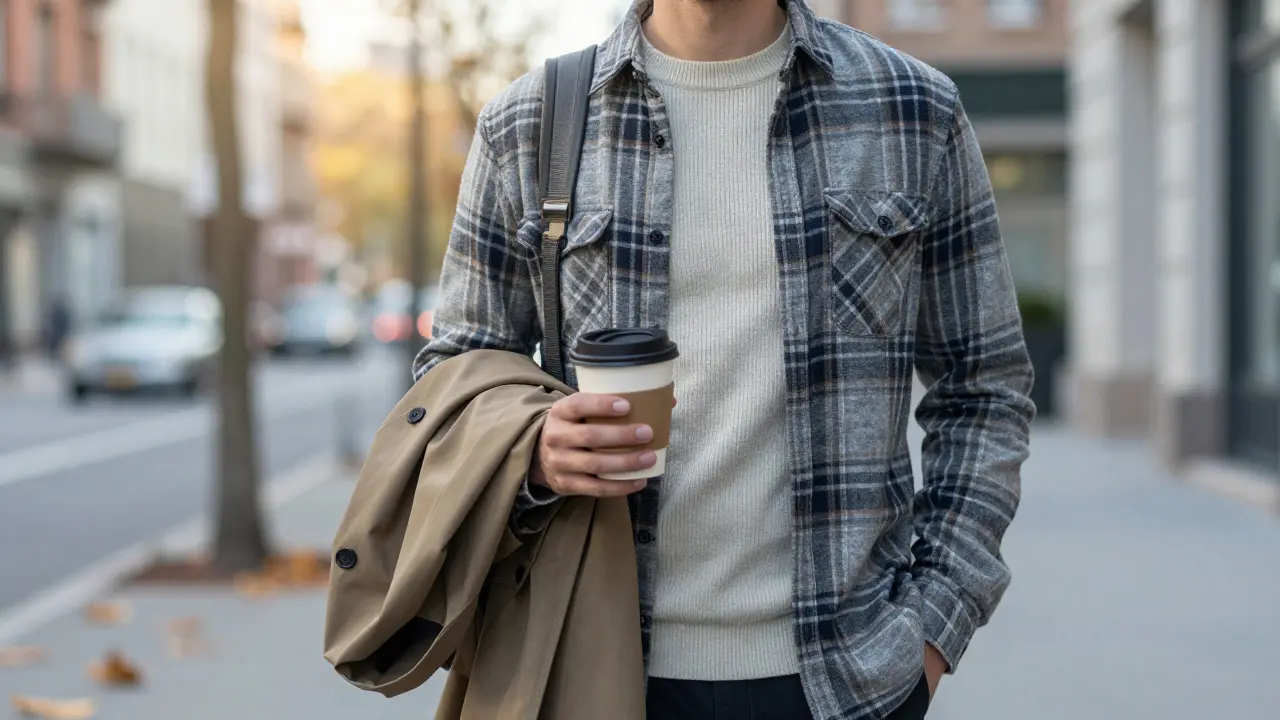
The first crisp morning in late August hits different. You step outside, expecting the usual humidity, but instead, you get a chill that makes you rethink your outfit before you’ve even had coffee. This is the tricky part of the year-the fall wardrobe transition. It’s that limbo period where summer heat lingers during the day, but evenings drop fast enough to require actual warmth. Most people overcomplicate this by buying entirely new wardrobes or suffering through temperature swings. The secret isn’t more clothes; it’s smarter layering.
The Science of Transitional Dressing
Dressing for variable temperatures requires understanding how your body regulates heat. When the mercury hovers around 60-75°F (15-24°C), static layers fail. A heavy coat is too hot at noon; a t-shirt is freezing at 6 PM. The solution lies in modularity. Think of your outfit as a system rather than a single look. Each piece should function independently but combine seamlessly with others.
This approach relies on three core principles:
- Ventilation control: Ability to add or remove insulation without stripping down to underwear.
- Thermal retention: Trapping warm air close to the skin while allowing excess heat to escape.
- Aesthetic cohesion: Ensuring layers look intentional, not like you’re hiding something.
In New York City, where I navigate these shifts daily, the subway adds another variable. You need an outer layer that sheds easily when you enter heated buildings but provides immediate protection against wind tunnels between skyscrapers. This context shapes every choice in a transitional wardrobe.
Essential Base Layers for Autumn
Your base layer is the foundation of any effective layering technique. For fall, cotton is often your enemy. While breathable, it retains moisture from sweat or rain, cooling your body rapidly. Instead, prioritize natural fibers with better thermal properties or high-performance synthetics designed for temperature regulation.
Merino wool stands out as the gold standard here. Unlike bulky sheep’s wool, merino fibers are fine enough to feel soft against the skin yet provide exceptional warmth-to-weight ratio. A lightweight merino long-sleeve tee weighs less than 200 grams but can replace a thick sweater in mild conditions. Brands like Icebreaker or Smartwool have perfected this fabric for everyday wear, moving it beyond hiking gear into urban staples.
If wool feels too expensive or requires special care, consider bamboo viscose blends. Bamboo offers similar breathability and moisture-wicking capabilities at a lower price point. However, check the blend composition-pure bamboo lacks durability, so look for mixes containing polyester or elastane for stretch and longevity.
| Material | Warmth Rating | Breathability | Maintenance | Best For |
|---|---|---|---|---|
| Merino Wool | High | Excellent | Hand wash recommended | Cold mornings, active days |
| Bamboo Viscose | Medium | Very Good | Machine washable | Mild transitions, sensitive skin |
| Polyester Synthetic | Low-Medium | Good | Easy care | High-intensity activities |
| Cotton | Low | Poor (when wet) | Easy care | Dry, stable temperatures only |
Mid-Layers: The Workhorse of Your Outfit
Once your base is set, mid-layers do the heavy lifting. These pieces bridge the gap between skin-tight comfort and outer protection. In a seasonal pieces strategy, versatility is key. You want items that work alone in early September and under coats by November.
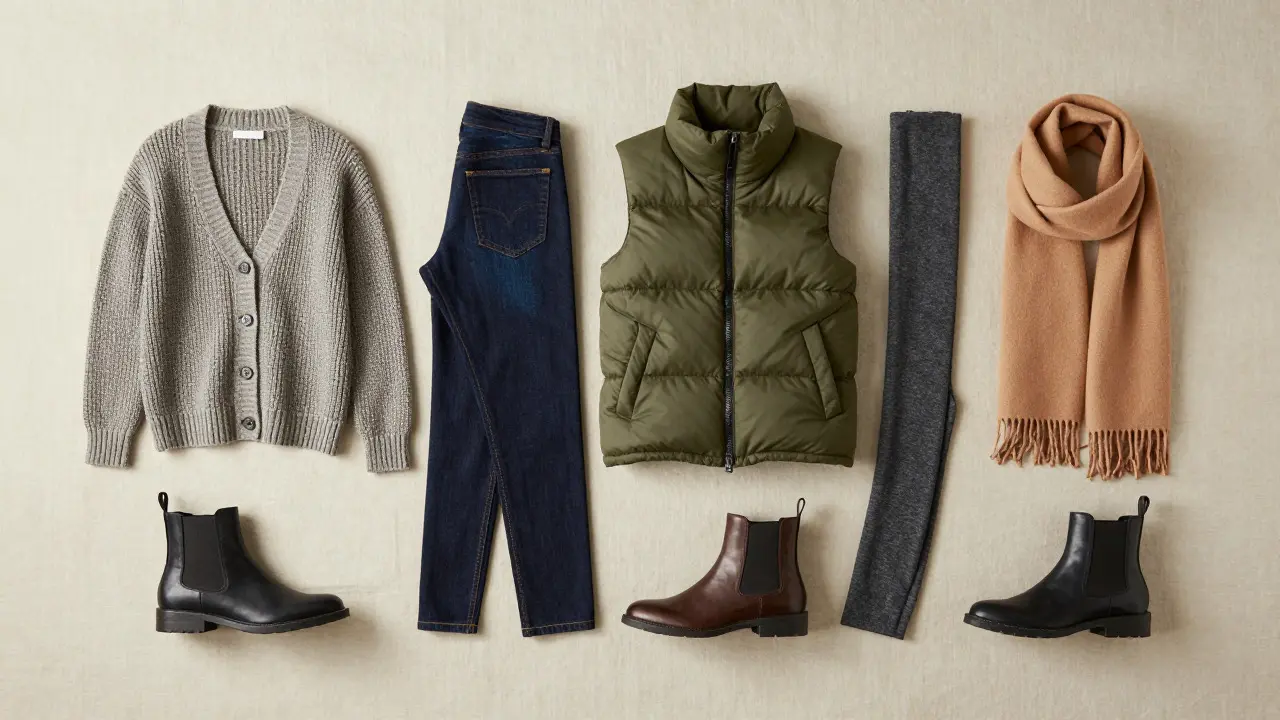
Cardigans remain a timeless choice for good reason. They offer easy on/off functionality and come in various weights. A chunky knit cardigan might be too much for mid-August, but a fine-gauge cashmere or cotton-blend version works perfectly. Look for open-front designs that allow airflow adjustment. Button-up shirts also serve well here, especially flannel or oxford cloth varieties. They add structure without bulk and pair effortlessly with jeans or trousers.
Vests deserve attention too. Often overlooked, vests provide torso warmth while leaving arms free for movement-a crucial feature if you drive, cycle, or commute extensively. Puffer vests trap heat efficiently due to their down or synthetic fill, while quilted nylon options offer water resistance. Pair a vest over a long-sleeve shirt for maximum adaptability.
Outerwear That Adapts
Your outermost layer defines your silhouette and protects against elements. During fall transitions, avoid heavy parkas unless you live in northern climates. Instead, opt for jackets designed specifically for variable weather. Trench coats are classic for a reason-they repel light rain, block wind, and look polished enough for office settings. Choose trench fabrics with some weight to prevent them from billowing excessively in gusts.
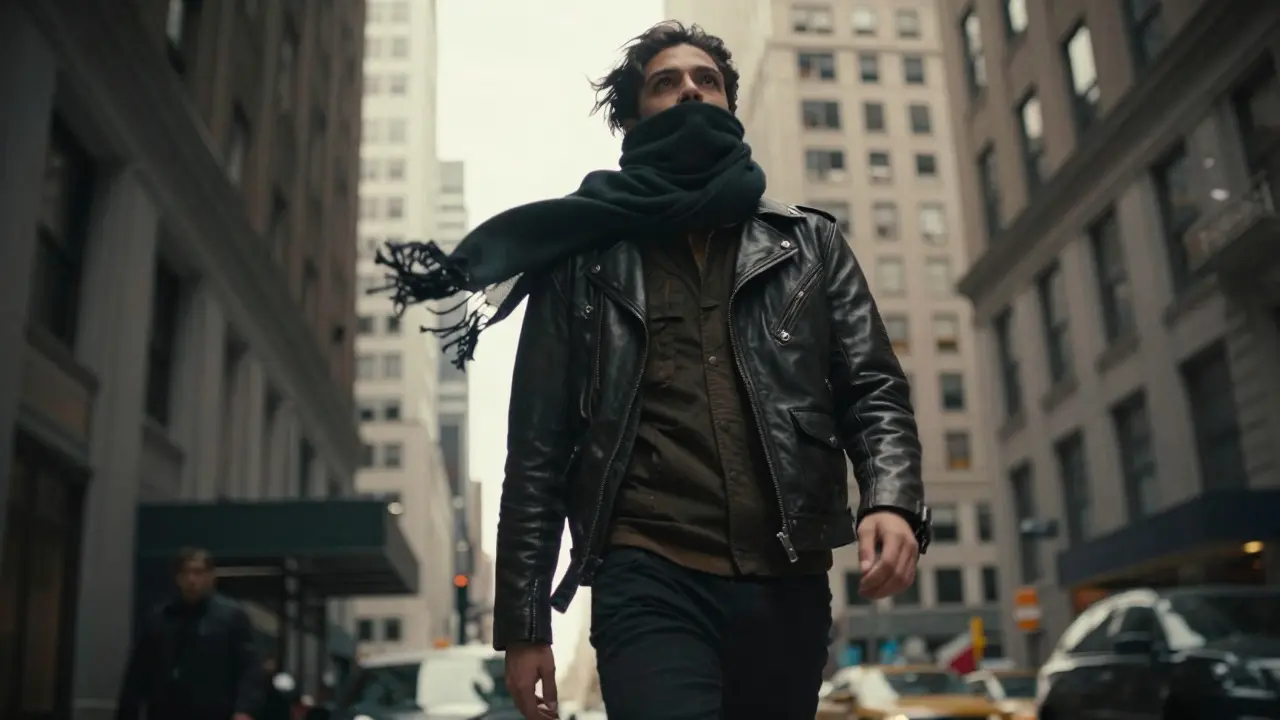
Denim jackets have evolved significantly. Modern cuts include insulated linings or removable inserts, making them suitable for cooler nights. Leather jackets also excel in this category, providing windproof barriers while aging beautifully with use. If leather seems impractical, faux leather alternatives now mimic the texture and durability convincingly.
For those who prefer casual styles, bomber jackets strike a balance between sporty and sophisticated. Ribbed cuffs and hems seal in warmth, while smooth exteriors shed light precipitation. Stick to neutral colors like olive, navy, or black to ensure compatibility with diverse inner layers.
Footwear and Accessories: Completing the System
Don’t neglect extremities. Feet lose heat quickly, so swapping sandals for closed-toe shoes signals readiness for colder days. Loafers, ankle boots, and clean sneakers all fit the bill. Ankle boots, particularly Chelsea styles, offer ease of entry and sufficient coverage against damp sidewalks. Suede versions add texture but require waterproofing spray treatment beforehand.
Accessories amplify comfort without adding bulk. Scarves made from wool or acrylic blends wrap snugly around necks, blocking drafts. Beanies aren’t strictly necessary until deeper winter, but thin knit caps can manage chilly breezes during evening walks. Gloves should wait until temperatures consistently dip below 50°F (10°C); otherwise, they hinder phone usage and other tasks.
Hats and sunglasses remain relevant throughout fall. Wide-brimmed hats protect against lingering sun exposure, while polarized lenses reduce glare from low-angle sunlight reflecting off wet pavement.
Building a Capsule Approach
You don’t need dozens of items to execute successful layering techniques. A capsule mindset simplifies decisions. Start with five versatile tops, three bottoms, two mid-layers, one outerwear piece, and appropriate footwear. Mix and match based on daily forecasts.
Color coordination enhances flexibility. Neutral palettes-black, white, gray, beige, navy-allow endless combinations. Introduce accent colors through smaller accessories like scarves or socks. This method reduces decision fatigue and ensures everything works together visually.
Investment matters. Buy fewer, higher-quality pieces that endure multiple seasons. Fast fashion trends fade quickly, leaving gaps in functionality. Prioritize construction quality: reinforced stitching, durable zippers, and resilient fabrics pay dividends over time.
Troubleshooting Common Issues
Even with planning, challenges arise. Feeling overheated indoors? Remove mid-layers immediately. Carry a foldable tote bag to store discarded items neatly. Experiencing cold hands despite warm torsos? Add fingerless gloves beneath regular ones for incremental warmth. Rain ruining suede shoes? Apply protector spray weekly during wet months.
Humidity affects perception. High humidity makes 65°F feel cooler than dry air at the same temperature. Adjust expectations accordingly. Use hygrometers available via smartphone apps to monitor local conditions accurately.
What materials are best for fall base layers?
Merino wool excels due to its superior warmth-to-weight ratio and odor resistance. Bamboo viscose offers affordability and softness, while synthetic blends suit active lifestyles. Avoid cotton as it traps moisture and cools the body.
How many layers should I wear in 60-degree weather?
Typically two to three layers suffice. Start with a lightweight base such as a merino tee, add a medium-weight mid-layer like a cardigan or button-down shirt, and finish with a wind-resistant jacket if needed. Adjust based on activity level and personal tolerance.
Can I wear summer dresses in early fall?
Yes, by incorporating opaque tights and structured outerwear. Knee-high socks paired with loafers extend dress usability further. Add turtlenecks underneath sleeveless styles for modesty and extra insulation.
Why is ventilation important in layering?
Ventilation prevents overheating during physical exertion or indoor heating encounters. Without proper airflow management, trapped sweat leads to discomfort and potential chilling once movement stops. Zippered openings and unbuttoned collars facilitate quick adjustments.
Which outerwear types handle rain effectively?
Trench coats crafted from treated cotton or gabardine resist light showers. Waterproof shells made from Gore-Tex or similar membranes block heavier precipitation. Always verify seam sealing integrity for true waterproof performance.