

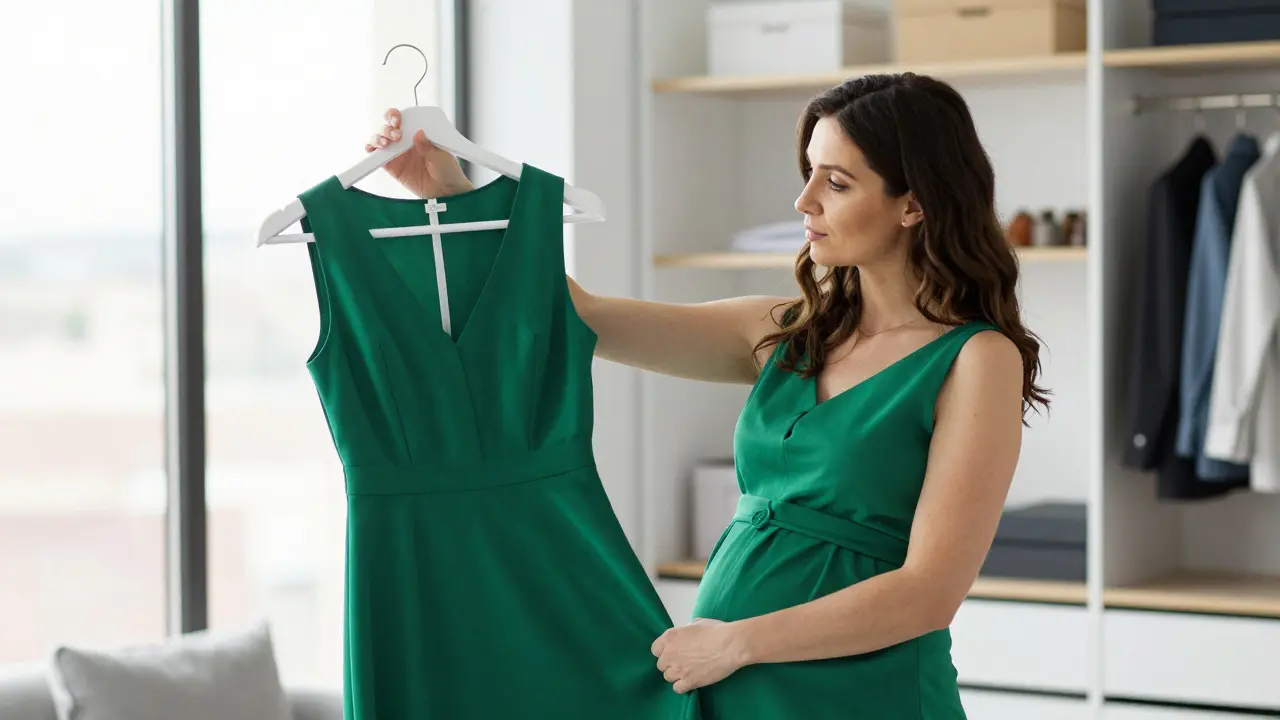
Imagine standing in front of your closet, staring at a dress that hasn’t fit since you started showing. It’s the perfect shade of emerald green, with a neckline that makes you feel confident and a fabric that moves beautifully. But right now? It’s just taking up space. You have a wedding to attend next month, maybe a gala or a fancy dinner date, and buying a whole new wardrobe for nine months feels like throwing money into a void. This is where maternity rental services change the game.
Renting clothes isn't new, but renting them while pregnant is a rapidly growing trend that solves a very specific problem. You get to look incredible without spending hundreds on something you’ll likely never wear again after delivery. It’s practical, it’s eco-friendly, and honestly, it’s kind of liberating.
The Rise of Maternity Fashion Rentals
The concept of clothing rental has exploded over the last few years, driven by a desire for sustainability and variety. However, the maternity sector was slow to catch up. For decades, pregnant women were told to buy loose tunics and stretchy leggings. While comfortable, these options rarely work for events where you want to look polished and put-together.
Services like Rent the Runway, which expanded its maternity collection significantly in recent years, have paved the way. Now, niche platforms are popping up specifically for expectant mothers. These services understand that a pregnancy body changes weekly. A dress that fits perfectly at 20 weeks might be tight at 34 weeks. Rental models often include multiple sizes or flexible exchange policies to accommodate this rapid growth.
This shift represents a broader move toward a circular economy in fashion. Instead of buying, wearing once, and discarding, you borrow, enjoy, and return. For maternity wear, this model is particularly logical because the window of usability for any single garment is so short.
Why Renting Beats Buying for Special Occasions
Let’s talk numbers for a second. A high-quality designer dress suitable for a wedding or formal event can cost anywhere from $150 to $500 or more. If you’re pregnant, you might wear that dress twice before it doesn’t fit anymore. That’s a massive depreciation in value. In contrast, renting that same dress might cost $40 to $80 for a four-day period. Even if you need to swap sizes mid-pregnancy, the total cost is usually less than half of buying.
Beyond the price tag, there’s the storage issue. Where do you put those clothes after the baby arrives? Most people don’t plan to get pregnant again immediately, meaning those clothes sit in the back of a closet for years, if ever. Renting clears out your physical space and mental clutter. You don’t have to worry about resale value, dry cleaning costs, or whether the style will still be "in" when you finally decide to part with it.
There’s also an environmental angle. The fashion industry is one of the largest polluters globally. By choosing to rent, you’re reducing demand for new production. One study noted that extending the life of garments by just nine months can reduce their carbon, water, and waste footprints by around 20-30%. When you consider how quickly maternity wardrobes become obsolete, renting is a win for the planet.
How to Choose the Right Service
Not all rental platforms are created equal. Some focus on luxury designer brands, while others offer affordable, everyday chic. Here’s what to look for when picking a service:
- Size Inclusivity: Pregnancy affects everyone differently. Look for services that offer extended sizing (up to 3X or 4X) and clear size guides based on belly measurements, not just pre-pregnancy sizes.
- Exchange Policies: Your body changes fast. Can you swap a dress for a larger size if you order too early? Does the service charge extra for exchanges?
- Hygiene Standards: This is crucial. Reputable services use professional laundry facilities and steam clean items between customers. Check their FAQ section for details on sanitation.
- Delivery Speed: If you’re planning ahead, standard shipping is fine. But if you have a last-minute event, look for expedited options. Some services offer same-day or next-day delivery in major cities.
- Damage Policy: Accidents happen. Spills, tears, stains-understand what you’re liable for. Most services have insurance options or capped fees for minor damages.
Popular options include Nuuly, known for its wide range of contemporary brands and inclusive sizing, and specialized boutiques that curate collections specifically for expectant mothers. Always read recent reviews to gauge customer satisfaction with fit and quality.
What to Rent: Best Categories for Maternity Events
You probably won’t rent your daily jeans or workout gear. So, what’s worth the rental fee? Focus on pieces that are expensive, infrequently worn, or highly specific to an event.
| Item Type | Why Rent It? | Estimated Cost Savings |
|---|---|---|
| Wedding Guest Dresses | High cost, single-use nature, complex styling | $100 - $300+ |
| Cocktail Attire | Trendy styles that may go out of fashion quickly | $50 - $150 |
| Formal Gowns | Very expensive, heavy fabrics, difficult to store | $200 - $600+ |
| Statement Outerwear | Coats and blazers that need precise tailoring | $75 - $200 |
| Accessories (Bags/Shoes) | Complete the look without long-term commitment | $20 - $100 |
For example, if you’re attending a black-tie wedding, a rented gown allows you to wear a designer piece you’d never buy outright. You can choose a silhouette that flatters your current shape-perhaps an empire waist or a wrap style-and return it when the photos are taken. Similarly, a tailored blazer can elevate a simple maternity dress for a business presentation or holiday party.
Navigating Fit and Sizing Challenges
The biggest hurdle with renting maternity wear is getting the fit right. Unlike regular clothing, maternity sizes aren’t standardized across brands. A size Medium in one brand might be a Large in another. Here’s how to navigate this:
- Measure Your Belly: Use a soft measuring tape to measure around the fullest part of your bump. Write down this number.
- Check the Size Chart: Don’t rely on your pre-pregnancy size. Look for charts that specify belly circumference ranges.
- Order Two Sizes: Many services allow you to order two sizes and return the one that doesn’t fit. Keep the return label handy.
- Consider Growth: If the event is weeks away, think about how much bigger you’ll be. It’s better to rent a slightly looser fit that can be belted than one that’s too tight.
- Read Reviews: Other renters often mention if a item runs small or large. Pay attention to comments from users who mention their trimester.
If you’re unsure, contact customer service. Good rental platforms have stylists who can help you choose based on your height, weight, and bump measurement. They’ve seen thousands of bodies and can give you a better recommendation than guessing alone.

Sustainability and Ethical Considerations
Choosing to rent is inherently more sustainable than buying new. But it’s worth digging deeper into the ethics of the brands being rented. Some rental services partner with fast-fashion brands that have poor labor practices. Others curate collections from ethical, slow-fashion designers.
Look for transparency reports on the rental platform’s website. Do they disclose where their garments come from? Do they prioritize brands with fair labor certifications? Supporting services that align with your values ensures your choice benefits both the environment and the workers behind the clothes.
Additionally, consider the carbon footprint of shipping. If you’re renting multiple items frequently, the transportation emissions add up. Try to bundle your orders or choose services with carbon-neutral shipping options. Some platforms even offset their shipping emissions through reforestation projects.
Common Pitfalls to Avoid
Even with the best intentions, renting can go wrong. Here are some common mistakes to watch out for:
- Underestimating Return Deadlines: Late fees can add up quickly. Set a reminder in your calendar for the return date.
- Ignoring Care Instructions: If you spill wine on a rented silk dress, it could mean a hefty cleaning fee. Be cautious with food and drinks.
- Assuming All Brands Are Available: Popular items sell out fast. Book your rentals as soon as you know the date of the event.
- Overlooking Hidden Fees: Read the fine print. Some services charge for express shipping, late returns, or even processing fees.
Another pitfall is expecting perfection. Rented clothes have been worn before. While they should be clean and in good condition, they might show slight signs of wear. Inspect items upon arrival and report any issues immediately.
Future Trends in Maternity Rentals
The market for maternity rentals is still young, but it’s evolving fast. We’re seeing more customization options, such as adjustable hems or removable panels that grow with your bump. AI-driven fitting tools are also emerging, using photos or virtual try-ons to predict fit more accurately.
Expect to see more partnerships between rental platforms and maternity-specific designers. These collaborations will bring higher-quality, more stylish options to the market. Additionally, subscription models may become more popular, allowing moms to rotate their entire wardrobe monthly rather than renting individual pieces for single events.
As societal attitudes toward pregnancy continue to shift, so too will the fashion industry. Women are demanding clothes that reflect their identities beyond just "expecting mother." Rental services are stepping up to meet this demand, offering flexibility, style, and sustainability in equal measure.
Is renting maternity clothes hygienic?
Yes, reputable rental services use professional industrial laundry facilities. Garments are washed, dried, and often steamed or pressed between customers. Many companies follow strict hygiene protocols similar to those used by hotels for linens. Always check the company's cleaning policy on their website for peace of mind.
Can I return a rented maternity dress if it doesn't fit?
Most services allow returns within a certain window, usually 3-5 days after delivery. However, if the item is unworn and tags are attached, you can often exchange it for a different size. Some platforms offer free exchanges, while others may charge a small restocking fee. Always review the return policy before ordering.
How far in advance should I book a rental for a special event?
It’s best to book at least 2-4 weeks in advance. Popular styles and sizes can sell out quickly, especially during peak seasons like weddings in spring and summer. Booking early gives you more choices and time to handle any sizing issues or exchanges.
Are there plus-size options available for maternity rentals?
Yes, many modern rental services are committed to inclusivity. Platforms like Nuuly and Rent the Runway offer extended sizes, often up to 3X or 4X. Niche maternity rental sites also cater specifically to diverse body types. Always check the size chart carefully and look for reviews from other plus-size renters.
What happens if I damage a rented garment?
Most rental services have a damage policy. Minor stains or small tears may incur a cleaning or repair fee, typically ranging from $10 to $50. Major damage, such as large rips or irreversible stains, may result in a charge for the full replacement cost of the item. Some services offer insurance plans that cover accidental damage for an additional fee.