

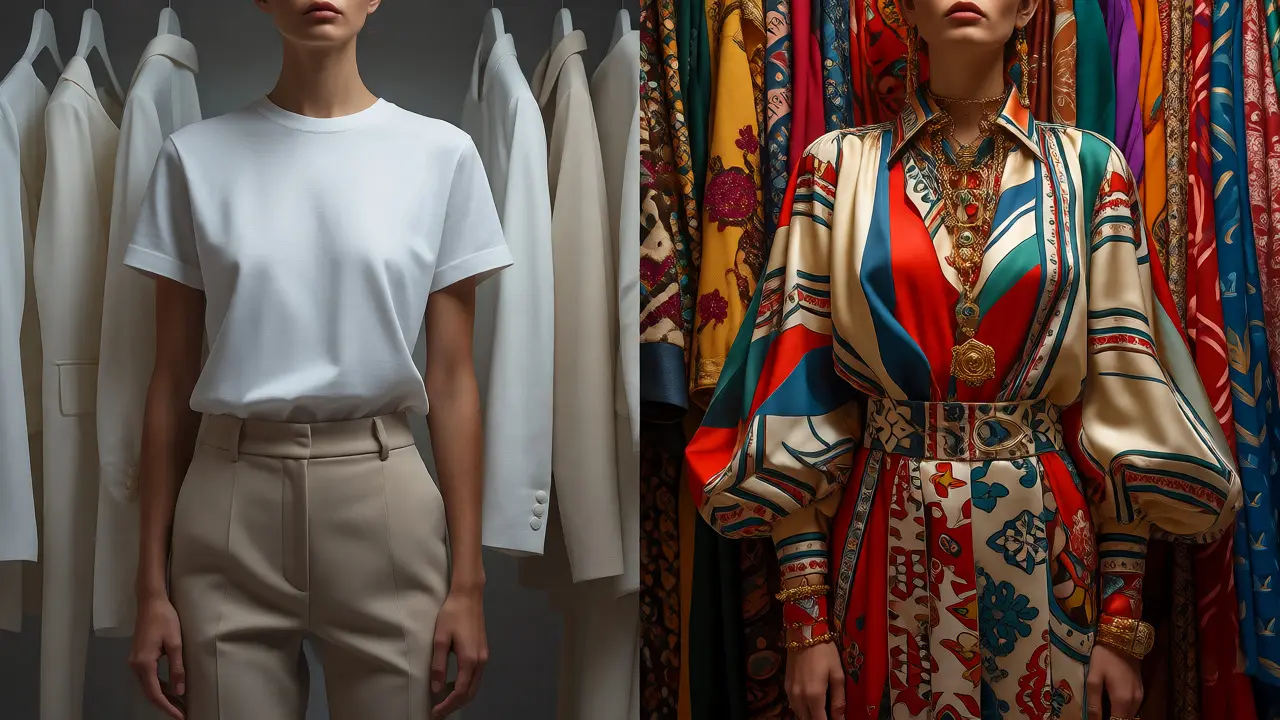
You’re standing in front of your closet, and the decision feels heavier than it should be. Do you throw on that crisp, unbranded white tee and tailored trousers? Or do you reach for the vintage silk blouse with the exaggerated sleeves and bold geometric print? This isn’t just about what looks good; it’s a battle between two dominant philosophies shaping how we dress in 2026: Minimalism and Maximalism. For years, minimalism held the throne, preaching "less is more" through clean lines and neutral palettes. But recently, maximalism has surged back, declaring that excess is elegant and self-expression knows no bounds.
Here’s the truth: neither side is objectively right. The real challenge isn’t picking a team; it’s figuring out which wave fits your life, your budget, and your personality right now. Are you drowning in clutter but craving peace? Or are you bored by uniformity and hungry for visual noise? Let’s break down how these opposing trend waves work, where they clash, and how you can navigate them without losing your mind-or your money.
The Core Philosophy: Silence vs. Noise
To understand why you feel torn, you have to look at the root of each movement. Minimalism is a design and lifestyle philosophy characterized by extreme simplicity, functionality, and the deliberate removal of non-essential elements. In fashion, this translates to a curated wardrobe where every piece earns its place. Think of brands like The Row or Jil Sander, where the focus is on fabric quality and cut rather than logos or prints. It’s about editing. You subtract until only the essential remains.
Maximalism, conversely, is an aesthetic approach that embraces abundance, complexity, and layered visual interest. It rejects the idea that empty space is better than filled space. Instead, it celebrates color clashing, pattern mixing, and accessories stacking. If minimalism is a quiet library, maximalism is a vibrant art gallery opening night. Designers like Gucci under Alessandro Michele (and his successors) or Versace champion this ethos. It’s about addition. You add layers, textures, and stories until the outfit tells a complete narrative.
The psychological driver here is control versus expression. Minimalists often seek control over their environment to reduce cognitive load. A simple outfit means fewer decisions in the morning. Maximalists use clothing as an external hard drive for their identity. Your clothes tell people who you are before you speak. Neither is shallow; they just serve different mental needs.
Cost Analysis: Quality Investment vs. Volume Play
Let’s talk money, because both styles can drain your bank account if you aren’t careful. The common misconception is that minimalism is cheaper because you buy less. That’s rarely true in practice. To pull off minimalist chic, you need impeccable tailoring and high-end fabrics that don’t wrinkle easily or fade after one wash. A single cashmere sweater from a luxury brand might cost $800. If it doesn’t fit perfectly, you’ve wasted $800 on a beige blob.
| Feature | Minimalist Approach | Maximalist Approach |
|---|---|---|
| Initial Cost | High per item (premium materials) | Variable (mix of thrift and designer) |
| Replacement Frequency | Low (timeless cuts last years) | Medium (trend-driven pieces age faster) |
| Hidden Costs | Tailoring fees, dry cleaning | Storage solutions, accessory organization |
| Resale Value | High for iconic luxury staples | High for rare vintage or statement pieces |
Maximalism allows for more financial flexibility. You can mix a $15 thrifted blazer with a $300 designer bag. The value comes from the combination, not the individual price tag. However, maximalism carries a higher risk of impulse buying. When everything looks good together, you end up buying things you don’t wear alone. Minimalism requires discipline upfront but saves money long-term if you stick to the rules. If you struggle with impulse buys, maximalism might actually cost you more in the long run due to clutter and unused items.
The Practicality Check: Living With Your Clothes
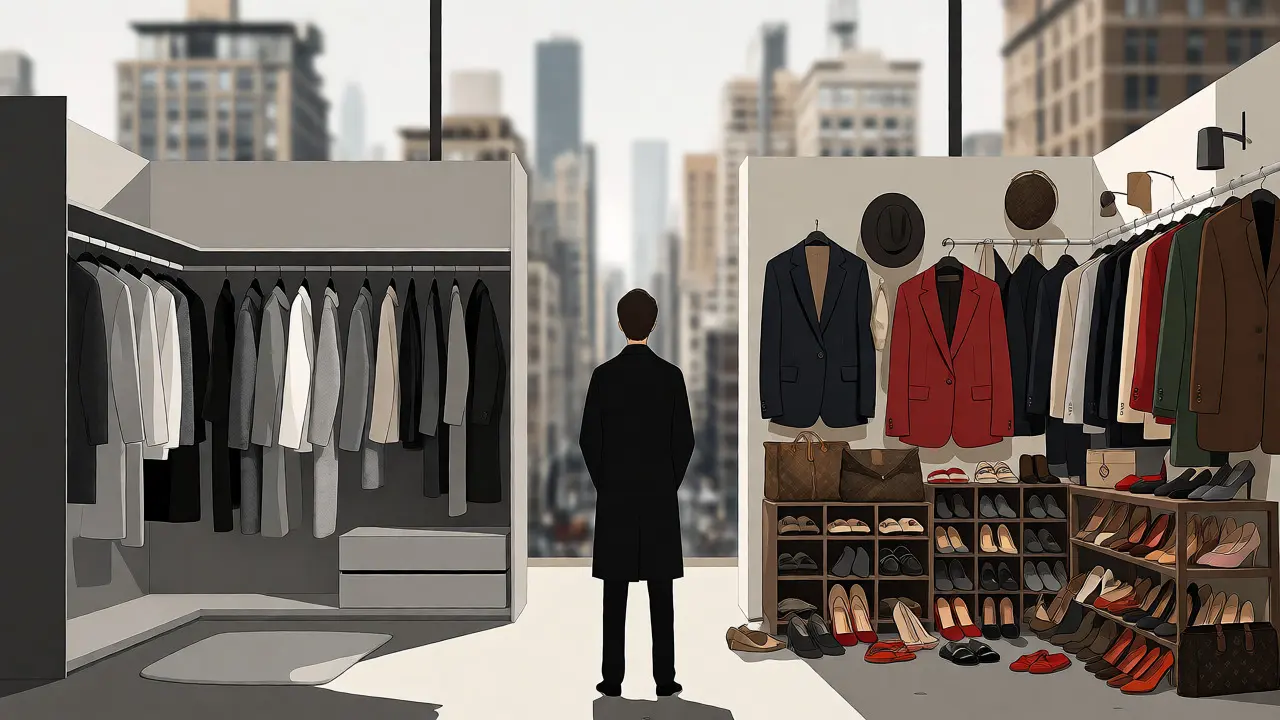
Fashion isn’t lived in a vacuum; it’s lived in apartments, offices, and subways. Here is where the rubber meets the road. Minimalism shines in small spaces. If you live in a New York studio apartment, having 40 shirts instead of 200 makes getting dressed easier and your room larger. The Capsule Wardrobe concept-a limited collection of interchangeable pieces-is the practical engine of minimalism. It reduces decision fatigue. You know exactly what goes with what. No guesswork.
But minimalism can feel restrictive. What if you want to wear a velvet jacket on a Tuesday? What if you feel bold today? Maximalism offers emotional range. You can dress for your mood. Feeling powerful? Wear the structured shoulder pads and gold jewelry. Feeling playful? Throw on the polka dots and bright socks. The downside is logistics. Maximalist wardrobes require significant storage. You need drawers for scarves, hooks for bags, and shelf space for shoes. If you hate organizing, maximalism will create chaos. If you hate being told what to wear, minimalism will feel like a prison.
Consider your daily routine. Do you have ten minutes to get ready, or thirty? Minimalists win on speed. Maximalists win on impact. There is no middle ground here unless you consciously curate a hybrid system.
How to Mix the Two Without Looking Confused
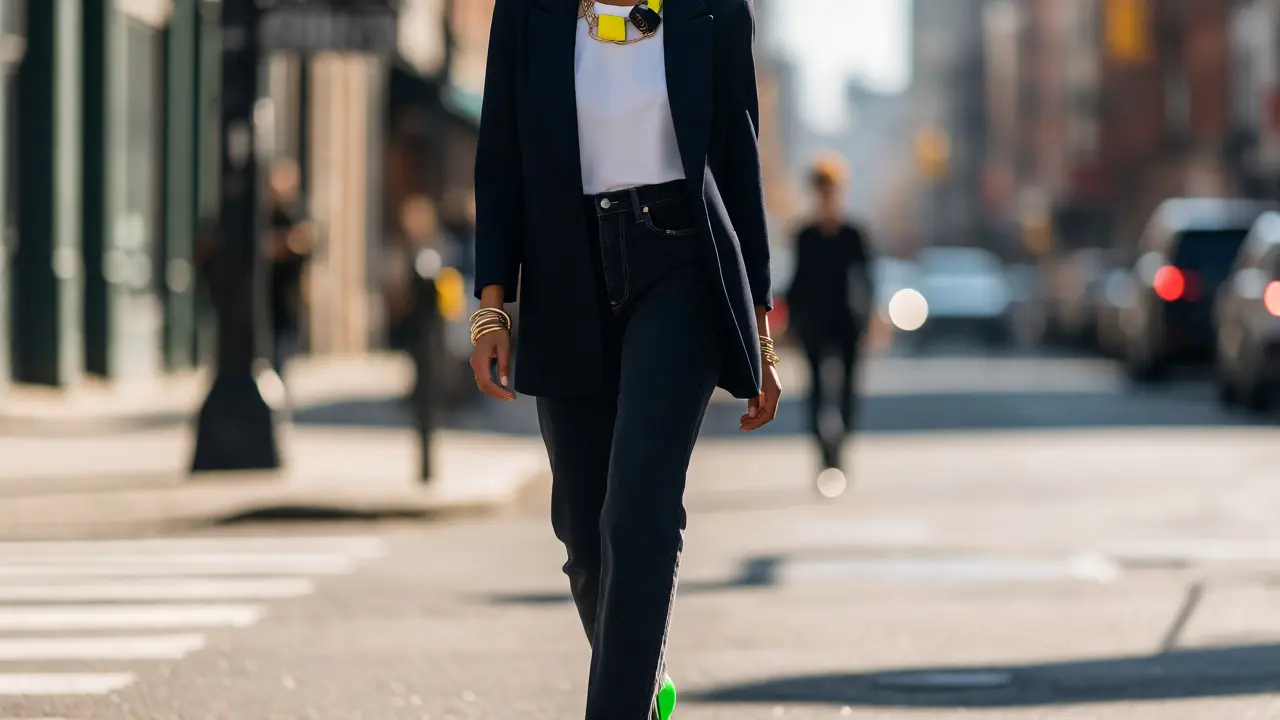
You don’t have to choose one forever. Most stylish people in 2026 operate in the gray area. They use minimalism as a base and maximalism as the accent. This is often called "Structured Maximalism." The rule of thumb is simple: keep the silhouette clean, but let the details scream.
- The Canvas Method: Start with minimalist basics-black jeans, a white shirt, a navy blazer. These are your canvas. Then, add one maximalist element. Maybe it’s a pair of neon green heels or a chunky, oversized necklace. Because the rest of the outfit is calm, the eye goes straight to the statement piece.
- The Texture Play: Stick to a monochrome palette (minimalist color theory) but use wildly different fabrics (maximalist texture). Pair a smooth silk skirt with a rough wool coat and patent leather boots. It looks rich and complex without being visually noisy.
- The Accessory Stack: Keep your clothes simple, but layer your accessories. Three thin gold bracelets, a watch, and a ring can look maximalist even if you’re wearing a plain t-shirt. This lets you switch between modes instantly by changing your jewelry box.
This hybrid approach protects you from looking like you’re trying too hard. Pure maximalism can sometimes look like a costume. Pure minimalism can look like a uniform. Blending them keeps you relevant and interesting.
Navigating the Trend Cycle in 2026
Trends move fast. In 2024, "Quiet Luxury" dominated headlines. By late 2025, streetwear maximalism started creeping back into high fashion. Now, in October 2026, we are seeing a backlash against both extremes. People are tired of pretending they don’t care about logos (fake minimalism), and they are tired of the exhaustion of keeping up with micro-trends (fake maximalism).
The smartest move right now is to audit your current wardrobe against your actual lifestyle. Pull out five items you love. Are they mostly solid colors and simple cuts? You lean minimalist. Are they printed, textured, or embellished? You lean maximalist. Once you know your baseline, you can adjust. If you’re a minimalist feeling bored, don’t buy a whole new wardrobe. Buy one loud scarf. If you’re a maximalist feeling overwhelmed, edit your accessories down by half.
Remember, trends are suggestions, not laws. The goal of navigating these waves is to find a style that feels authentic to you, not one that fits a magazine cover. If you feel confident, you’re winning. If you feel like you’re playing dress-up, check your compass.
Is minimalist fashion always expensive?
Not necessarily, but it requires smarter spending. While cheap minimalist items exist, they often lack the structural integrity and fabric quality needed to look polished. Investing in fewer, higher-quality pieces usually costs less over time than buying many cheap items that fall apart quickly. Brands like Uniqlo or COS offer accessible entry points to minimalist aesthetics.
Can I be a minimalist and still wear patterns?
Yes. Minimalism is about intentionality, not boredom. You can wear patterns if they are part of a cohesive, curated vision. For example, a classic pinstripe suit or a subtle herringbone coat fits within a minimalist framework because the pattern serves a functional or traditional aesthetic purpose rather than seeking attention for its own sake.
How do I start transitioning from maximalism to minimalism?
Start by decluttering aggressively. Remove anything you haven't worn in six months. Then, identify your core neutrals (black, white, beige, navy) and invest in high-quality versions of basic items like jeans, tees, and jackets. Resist the urge to replace every colorful item immediately; let the emptiness teach you what you truly miss.
What is the biggest mistake beginners make with maximalism?
Lack of cohesion. Beginners often think maximalism means wearing everything at once. True maximalism relies on balancing proportions and colors. If you wear a loud top, balance it with simpler bottoms. If you stack heavy jewelry, keep the neckline simple. Chaos without structure looks messy, not stylish.
Does sustainability favor one style over the other?
Both can be sustainable, but differently. Minimalism promotes sustainability through longevity and reduced consumption. Maximalism can support sustainability through thrifting and upcycling, giving new life to existing garments. The least sustainable option is fast-fashion maximalism, where cheap, trendy items are bought and discarded rapidly.


Write a comment