

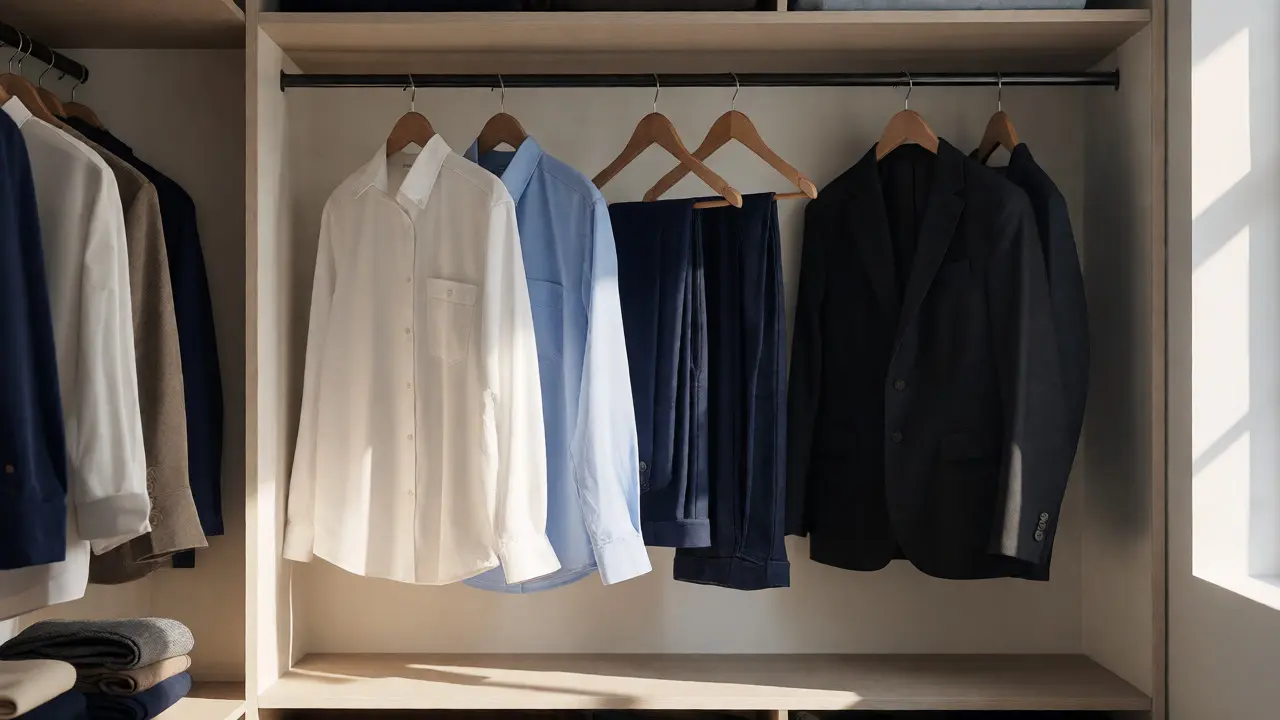
You stare at your closet every morning. It’s packed to the brim, yet you feel like you have nothing to wear. Sound familiar? This is the classic paradox of modern professional life. We buy more clothes hoping for more choices, but end up with decision fatigue and a bank account lighter than our spirits. The solution isn't buying more; it's buying better. A minimalist office capsule wardrobe is a curated collection of high-quality, versatile pieces that mix and match effortlessly. It’s not about deprivation; it’s about liberation from the daily "what do I wear" panic.
The Math Behind Minimalism
Let’s get real about the numbers. Most professionals wear only about 20% of their clothes 80% of the time. That means 80% of your wardrobe is dead weight, taking up space and mental energy. A functional office capsule usually consists of 15-30 items, depending on your climate and workplace dress code. This includes tops, bottoms, layers, and shoes, but excludes underwear, socks, and workout gear. Why so few? Because when every piece works with every other piece, the number of possible outfits explodes exponentially. With just five tops and three bottoms, you already have fifteen distinct looks. Add two blazers or cardigans, and you’re looking at thirty options. That’s enough variety for six weeks without repeating an outfit in front of colleagues.
Defining Your Dress Code Reality
Before you purge your closet, you need to audit your actual life, not your aspirational one. Do you actually wear suits to client meetings, or do you mostly sit behind a laptop? Are you in a conservative law firm where navy and gray are mandatory, or a tech startup where jeans and a nice shirt pass as formal? Be honest. If you work in a hybrid environment, split your capsule 60/40 between remote-friendly comfort and in-office polish. In New York, where I live, the line between corporate and casual has blurred significantly since 2024. A structured blazer over a high-quality tee is now standard in many midtown offices. Tailor your capsule to this reality. Buying a tuxedo-level suit for a job that requires chinos is a waste of money and fabric.
The Core Components of a Professional Capsule
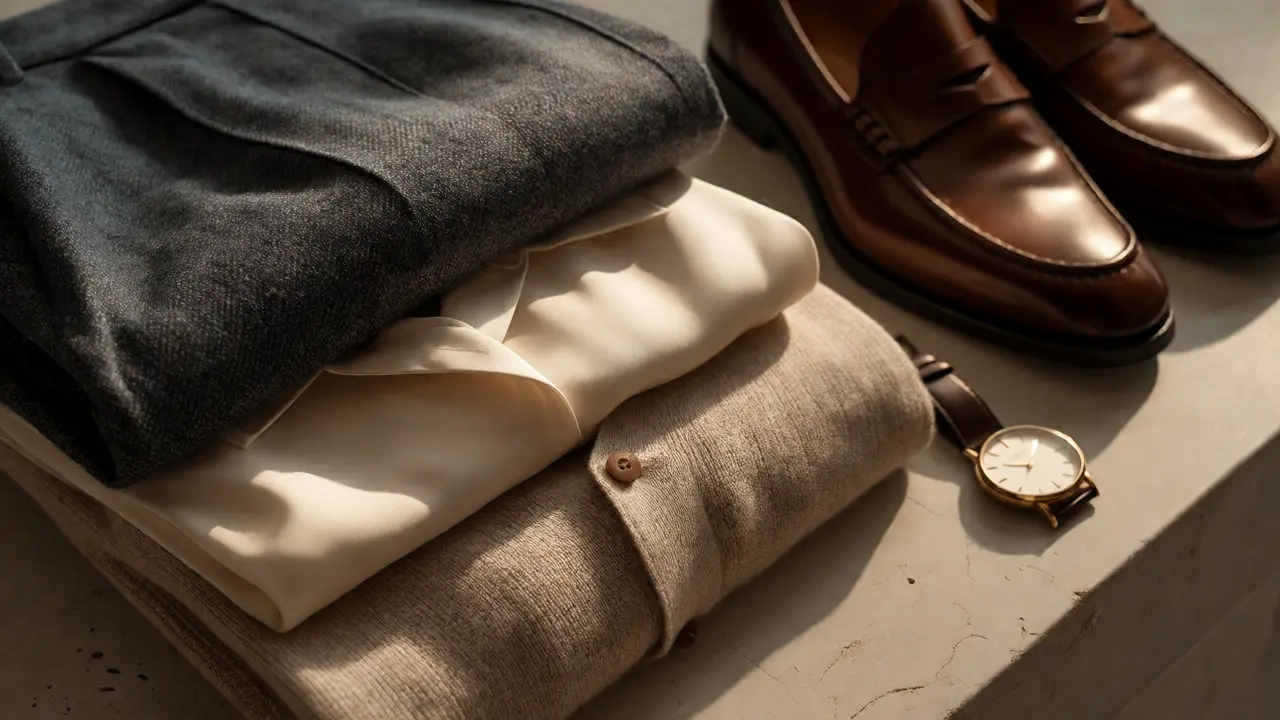
Building the capsule starts with neutral foundations. These are the workhorses that never go out of style. Think black, navy, charcoal, white, and beige. These colors mix seamlessly, ensuring you never look mismatched. Here is what a solid baseline looks like:
- Tops: Three crisp button-down shirts (white, light blue), two high-quality knit tops (merino wool or fine cotton), and one silk or satin blouse for evening events.
- Bottoms: Two pairs of tailored trousers (one wool-blend, one stretch cotton), one pair of dark-wash jeans without distressing, and one skirt (pencil or midi) if applicable.
- Layers: One unstructured blazer (navy or black) and one fine-gauge sweater or cardigan.
- Shoes: One pair of comfortable loafers or oxfords, one pair of sleek ankle boots or pumps, and one pair of clean, minimalist sneakers for casual Fridays.
This list might seem short, but each item must be chosen for durability and versatility. A cheap polyester shirt will pill after three washes, ruining the whole look. Invest in natural fibers like cotton, wool, linen, and silk. They breathe better, last longer, and drape more elegantly.
| Item Type | Quantity | Primary Material | Usage Frequency |
|---|---|---|---|
| Button-Down Shirts | 3 | Cotton/Oxford | Daily |
| Tailored Trousers | 2 | Wool Blend | Daily |
| Structured Blazer | 1 | Wool/Synthetic Mix | 3x Weekly |
| Dark Jeans | 1 | Denim | 1x Weekly |
| Professional Shoes | 2 | Leather | Daily Rotation |
The Art of Mixing and Matching
The magic happens in the combinations. You don’t need new clothes to look different; you need new ways to wear old ones. Try layering a silk camisole under a sheer blouse for texture. Belt a loose tunic over slim trousers to define your waist. Roll up the sleeves of a button-down and pair it with dark jeans and loafers for a smart-casual vibe. Accessories play a huge role here. A simple gold watch, a leather belt, or a structured handbag can elevate a basic outfit instantly. Keep accessories minimal but high-quality. One good bag lasts years; ten cheap ones break in months. Remember, the goal is effortlessness. If you spend more than five minutes getting dressed, your capsule isn’t working.

Sustainability and Cost Efficiency
A capsule wardrobe is inherently sustainable. By buying fewer, higher-quality items, you reduce textile waste and support ethical manufacturing. The initial cost might feel steep-a $200 blazer hurts more than a $50 one-but the cost-per-wear calculation changes everything. If you wear that blazer 100 times, it costs $2 per use. The $50 blazer falls apart after 20 wears, costing $2.50 per use and requiring replacement sooner. Plus, you save time. No more scrolling through online stores during lunch breaks. No more returns. You know exactly what you own and how it fits. This clarity reduces impulse buys, saving thousands annually. It’s a financial win wrapped in a style upgrade.
Maintaining Your Capsule Over Time
A capsule isn’t static. Seasons change, and so do trends, albeit slowly. Review your wardrobe twice a year, typically in spring and fall. Remove items that are worn out, no longer fit, or haven’t been touched in six months. Replace them thoughtfully. Don’t replace a black trouser with another black trouser unless the first one is damaged. Maybe swap a summer linen shirt for a winter flannel one. Keep a small "overflow" box for seasonal items like heavy coats or swimsuits, but keep them out of sight. This prevents clutter creep. If you’re tempted to buy something outside the palette, ask yourself: does it work with at least three existing items? If not, leave it on the rack.
How many pieces should be in an office capsule wardrobe?
Typically, an effective office capsule ranges from 15 to 30 core items. This count includes tops, bottoms, layers, and shoes but excludes accessories, underwear, and outerwear. The exact number depends on your local climate and specific workplace dress code requirements.
Can I include patterns in a minimalist wardrobe?
Yes, but sparingly. Stick to subtle patterns like pinstripes, houndstooth, or small checks. Avoid large, loud prints that clash with neutral bases. Patterns should complement your solid-colored staples, not compete with them.
What is the best fabric for office clothes?
Natural fibers are superior for longevity and comfort. Wool blends resist wrinkles and regulate temperature well. High-thread-count cotton breathes easily. Linen is great for summer but wrinkles quickly. Avoid cheap synthetics that trap heat and pill easily.
How do I handle dress code changes?
If your company shifts from business formal to business casual, you likely already have the right pieces. Simply stop wearing ties and swap suit jackets for cardigans or vests. You rarely need to buy new clothes; you just change how you combine existing ones.
Is a capsule wardrobe expensive to start?
The upfront cost can be higher because you are investing in quality rather than quantity. However, over a 5-year period, a capsule wardrobe is often cheaper than fast fashion due to reduced replacement rates and lower overall consumption.


Write a comment