

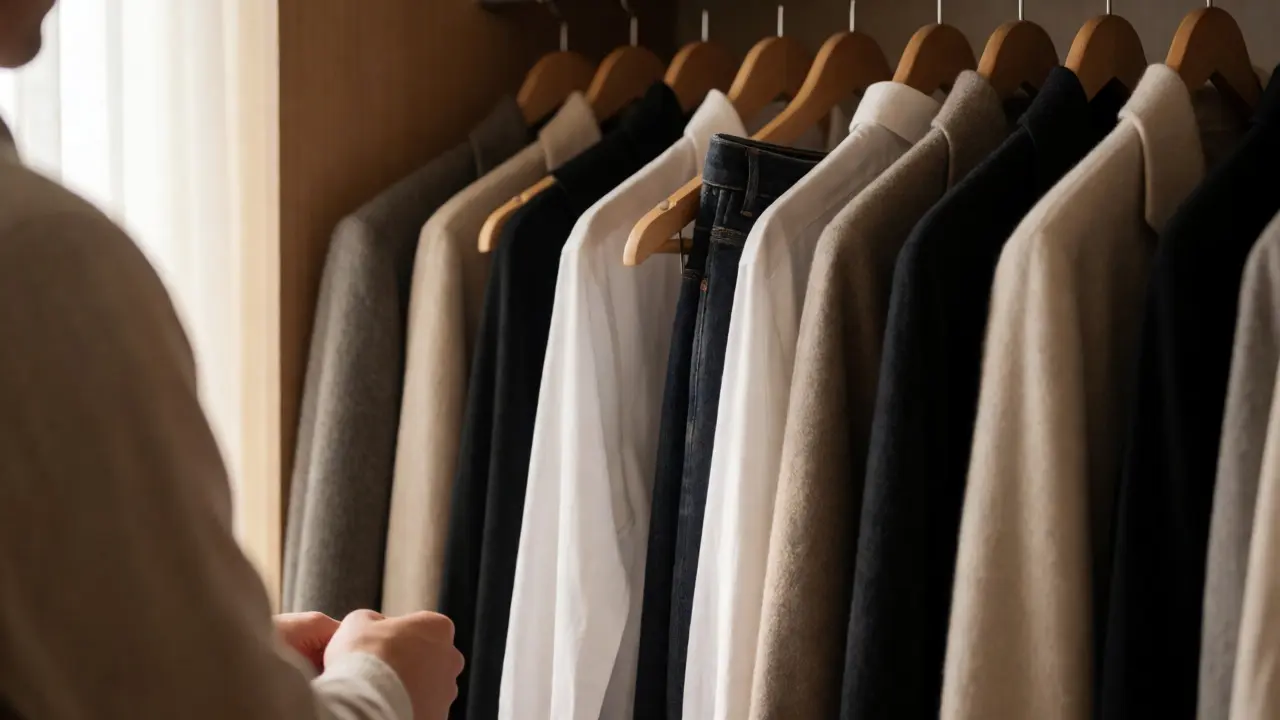
You open your closet, and it’s full. Yet, you feel like you have nothing to wear. Sound familiar? That’s the paradox of modern consumption. We buy more, own less that actually fits our lives, and spend hours staring at hangers. The solution isn’t buying one more item; it’s curating what you already have or strategically acquiring fewer, better pieces. This is the essence of minimalist style applied through a capsule wardrobe.
A capsule wardrobe is a small collection of interchangeable clothes that reflect your personal style while maximizing versatility. It’s not about deprivation. It’s about clarity. When done right, it saves money, reduces decision fatigue, and ensures every piece in your rotation earns its place. Let’s break down how to build one that actually works for real life, not just Instagram photos.
Defining Your Personal Style Before Buying Anything
Most people skip this step and fail immediately. They copy a Pinterest board that looks great on a model but feels wrong on their body. You need to define your aesthetic first. Ask yourself: Do I prefer structured tailoring or relaxed fabrics? Am I drawn to neutral tones or bold colors? What activities dominate my week?
Be honest. If you work in finance but dream of bohemian chic, you’ll end up with a closet full of linen dresses you never wear. Identify three adjectives that describe your ideal look. Maybe it’s "polished," "comfortable," and "modern." Write them down. These words become your filter for every future purchase. If an item doesn’t align with at least two of these descriptors, it stays on the rack.
Consider your lifestyle split. In New York, many professionals spend 40% of their time in office settings, 30% in casual weekend activities, and 30% in transitional spaces like travel or dinners. Your capsule should mirror this ratio. A common mistake is over-indexing on workwear when you’re remote half the week, or vice versa. Analyze your last month’s outfit choices. What did you reach for repeatedly? Those are your anchors.
The Core Components of a Functional Capsule
A typical capsule ranges from 30 to 40 items, including tops, bottoms, outerwear, shoes, and accessories. This excludes underwear, sleepwear, and workout gear. Why so few? Because constraints breed creativity. When you can’t rely on novelty, you learn to mix and match effectively.
Start with neutrals. Black, white, navy, gray, beige, and denim blue form the backbone. These colors coordinate effortlessly. Then add 1-2 accent colors that complement your skin tone. For example, if you have cool undertones, emerald green or burgundy might pop beautifully against navy. If warm, try mustard or olive.
| Category | Recommended Count | Key Attributes |
|---|---|---|
| Tops | 9-12 | Mix of tees, blouses, knits, and button-downs |
| Bottoms | 5-7 | Jeans, trousers, skirts, shorts (seasonal) |
| Dresses/Jumpsuits | 2-3 | Versatile styles for day-to-night transition |
| Outerwear | 3-4 | Blazer, coat, jacket, cardigan |
| Shoes | 4-6 | Sneakers, boots, heels/flats, sandals |
| Accessories | 5-8 | Bags, belts, scarves, jewelry |
Notice the emphasis on balance. You don’t need twelve pairs of jeans. You need two or three that fit perfectly. One dark wash for evening, one light wash for casual days, and perhaps a black pair if you live in a colder climate where lighter denim gets too cold quickly.
Prioritizing Quality Over Quantity
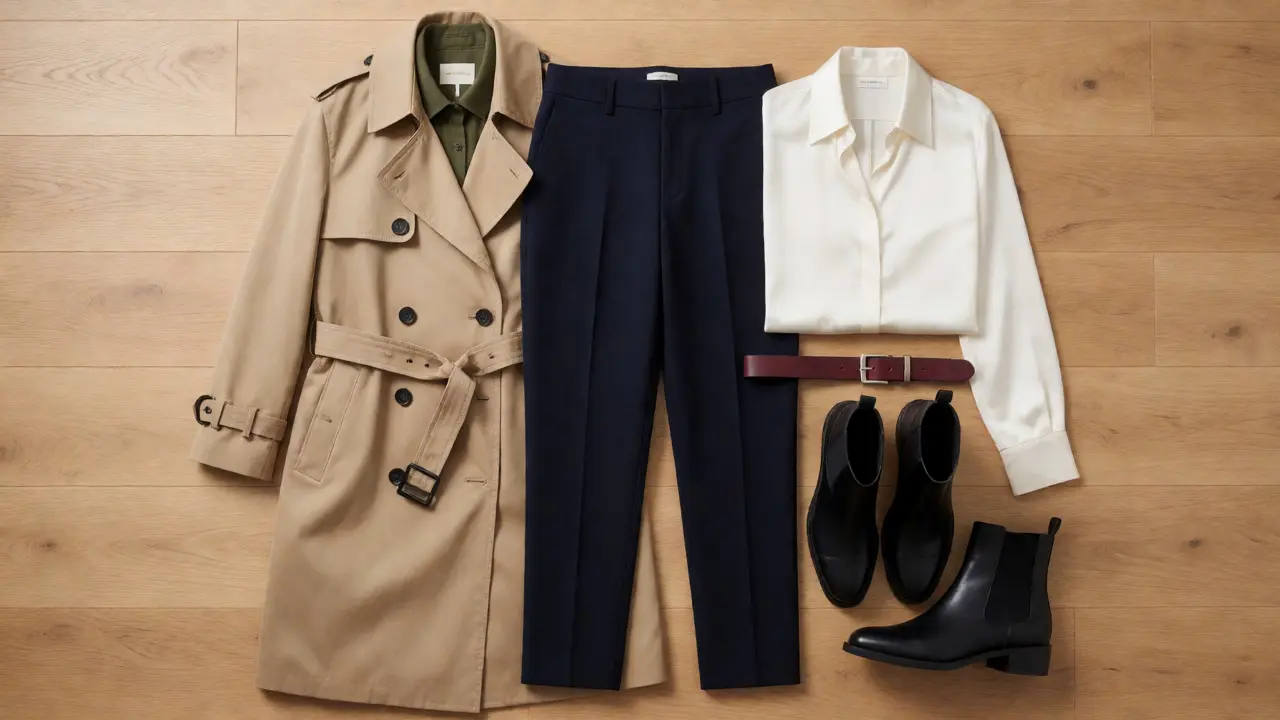
This is where most budgets blow up. People think "quality" means expensive designer labels. It doesn’t. It means fabric integrity and construction. A $20 cotton t-shirt that shrinks after two washes costs more per wear than a $60 shirt that lasts five years. Calculate cost-per-wear (CPW). Divide the price by the number of times you expect to wear it. Aim for CPW under $2 for staple items.
Check the fabric content tag. Natural fibers like cotton, wool, linen, and silk generally breathe better and age more gracefully than synthetic blends. However, high-quality synthetics like Tencel or recycled polyester can be durable and wrinkle-resistant, making them great for travel. Look for tight weaves. Hold the fabric up to the light; if you see through it easily, it’s likely thin and prone to tearing.
Inspect the seams. Double-stitched seams indicate durability. Buttons should be securely attached. Zippers should glide smoothly without catching. Brands like Uniqlo, Everlane, or local tailors often offer better value than fast-fashion giants because they focus on basic construction rather than trendy cuts that go out of style in six months.
Building Versatility Through Layering and Mixing
Versatility is the engine of a capsule wardrobe. Each item should work with at least three others. Test this rule before buying. If you find a new skirt, can you imagine wearing it with your existing tops, jackets, and shoes? If not, put it back.
Layering extends the usability of single pieces. A simple white tee transforms into three outfits: paired with jeans for casual, tucked into a midi skirt for smart-casual, or under a blazer for professional settings. A lightweight sweater adds warmth without bulk. Scarves change the color palette instantly without requiring new clothes.
Create a visual guide. Take photos of your best combinations. Pin them to a wall or save them in a phone album. This eliminates morning indecision. You’ll notice patterns. Maybe you favor monochromatic looks or contrasting textures. Lean into what works. Don’t force yourself into styles that feel unnatural.
Seasonality matters. A true year-round capsule adapts. Swap heavy wools for linens in summer. Keep core items constant-your favorite jeans, your classic blazer-and rotate seasonal layers. This prevents the "empty closet" feeling when seasons change because your foundation remains solid.

The Maintenance Routine: Keeping Your Capsule Fresh
A capsule wardrobe isn’t set-and-forget. It requires curation. Every season, do a quick audit. Remove items that no longer fit, are damaged beyond repair, or haven’t been worn in six months. Donate or sell them responsibly. This keeps the system dynamic.
When adding new items, follow the "one-in, one-out" rule. If you buy a new coat, remove an old one. This prevents creep. Also, consider renting for special occasions. Wedding guest dresses or gala gowns rarely justify permanent ownership unless you attend such events monthly. Renting allows variety without clutter.
Care for your clothes properly. Wash less frequently. Air out garments instead of laundering after every wear. Use garment bags for delicate items. Invest in good hangers-wooden or velvet ones prevent shoulder bumps. Proper storage extends lifespan significantly, protecting your investment in quality pieces.
Common Pitfalls to Avoid
Don’t fall into the trap of "perfect minimalism." Some people discard everything and start from zero, leading to panic-buying later. Start with what you have. Edit ruthlessly, then fill gaps slowly. It takes time to build a cohesive wardrobe. Rushing leads to mistakes.
Avoid trend-chasing. Neon green might be hot now, but will you wear it in two years? If it’s a statement piece, limit it to accessories. Keep core items timeless. Trends belong in small doses, not foundational pieces.
Finally, don’t ignore comfort. Style suffers if you’re constantly adjusting a waistband or suffering in stiff leather. Comfort builds confidence, and confidence makes any outfit look better. Prioritize fit above all else. Tailoring is cheap compared to replacing ill-fitting clothes.
How many items should be in a capsule wardrobe?
Typically between 30 and 40 items, excluding underwear, sleepwear, and activewear. This number varies based on climate and lifestyle, but the goal is to have enough options for mixing and matching without overwhelming choice.
Do I need to throw away all my current clothes?
No. Start by editing your existing closet. Keep items that fit well, are in good condition, and align with your defined style. Build your capsule around these keepers, then fill specific gaps with new purchases over time.
Is a capsule wardrobe suitable for all seasons?
Yes, but it requires seasonal rotation. Maintain a core set of versatile items year-round and swap in heavier fabrics (wool, flannel) for winter and lighter materials (linen, cotton) for summer. Outerwear and footwear change most dramatically.
How do I handle special occasion outfits?
Special occasion wear usually falls outside the daily capsule. Consider renting these items or keeping a very small separate section for formal wear. Only buy formal pieces if you attend such events frequently enough to justify the cost and storage space.
What if I get bored with my capsule?
Boredom often stems from lack of styling variety, not lack of clothes. Experiment with different combinations, layering techniques, and accessories. If you truly need a refresh, swap one or two items rather than overhauling the entire wardrobe. Rotate accessories seasonally to create new looks.


Write a comment