

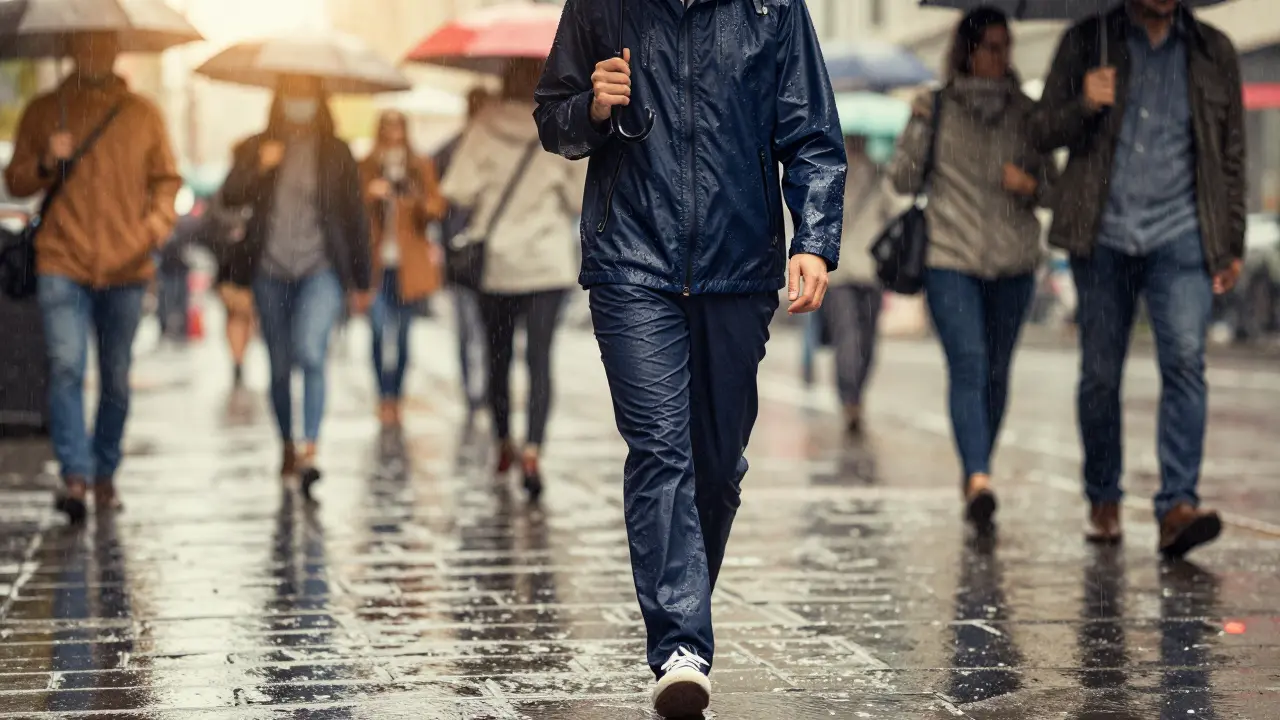
When the rain won’t stop, your clothes shouldn’t soak through
Imagine stepping out into a downpour, your shirt clinging to your back within minutes, your shoes squelching with every step, and your bag turning into a water balloon. This isn’t just uncomfortable-it’s exhausting. If you live where monsoon rains hit hard-whether it’s Mumbai, Manila, or even New York after a brutal summer storm-you know the real challenge isn’t the rain itself. It’s staying dry without looking like you raided a camping store.
The secret isn’t buying an expensive raincoat and calling it a day. It’s building a system: smart fabrics that pull moisture away from your skin and accessories that actually keep water out without weighing you down. This isn’t about fashion trends. It’s about survival in wet weather-and you can do it without sacrificing style.
Quick-dry fabrics aren’t magic. They’re science
Not all synthetic fabrics are created equal. Polyester, nylon, and merino wool are the only three materials you need to know for monsoon dressing. Cotton? Avoid it. It holds water like a sponge and takes hours to dry. That’s why you wake up damp, even if the rain stopped last night.
Polyester is the most common quick-dry fabric for a reason. It repels water instead of absorbing it. Look for polyester blends labeled as “moisture-wicking” or “performance fabric.” Brands like Patagonia, Uniqlo, and Lululemon use this in their everyday shirts and leggings. A simple polyester tee can dry in under an hour if you hang it near a window. Compare that to cotton, which can take six hours or more.
Nylon is tougher and more durable. It’s what hiking pants and backpacks are made of. For pants, choose lightweight nylon with a DWR (durable water repellent) coating. You won’t feel like you’re wearing plastic, but you’ll stay dry through a 20-minute commute in heavy rain. Some nylon blends even stretch, so you can move without restriction.
Merino wool is the quiet hero. Yes, wool. But not the itchy kind. Merino wool fibers naturally wick moisture and resist odor-even after multiple wears. That means you can wear the same base layer for three days in a humid monsoon and still smell fine. It’s breathable, warm when it’s cool, and dries faster than cotton. If you’ve never tried it, start with a thin merino crewneck. You’ll wonder why you waited so long.
Waterproof accessories: Don’t forget the small stuff
Your clothes might stay dry, but what about your phone, your wallet, your keys? Rain doesn’t care if your shirt is technical-it’ll find your bag, your shoes, your hair.
Start with a waterproof backpack. Not a rain cover. A bag made from waterproof material like TPU-coated nylon or ripstop polyester. Look for sealed seams and roll-top closures. Brands like Peak Design and Osprey make ones that look like everyday bags but can survive being submerged. I’ve had mine in a flooded subway entrance and pulled out my laptop bone-dry.
For your feet, waterproof shoes with breathable membranes (like Gore-Tex) are non-negotiable. You don’t need heavy boots. Look for low-cut sneakers or loafers with water-resistant uppers. Many now come with quick-dry insoles. Avoid leather unless it’s treated-untreated leather soaks up water like a sponge and cracks when it dries.
Don’t overlook waterproof phone cases. A simple clear sleeve with a sealed flap costs under $15 and keeps your screen working even if you drop it in a puddle. Same goes for a small waterproof pouch for your ID, credit cards, and cash. Clip it to your belt loop or tuck it in your pocket. No more frantic searches in wet pockets.
And yes, umbrellas still matter. But ditch the flimsy ones. Get a compact, wind-resistant model with a reinforced frame. The ones with automatic open/close and a rubberized grip are worth the extra $20. A good umbrella doesn’t just block rain-it buys you time to get from the bus stop to the door without turning into a soggy mess.

How to layer for monsoon weather
Layering isn’t just for winter. In monsoon climates, it’s your best tool for managing humidity and sudden temperature drops.
Start with a moisture-wicking base layer-think merino wool or polyester. Skip cotton entirely. Add a lightweight, water-resistant shell over it. A packable rain jacket with pit zips lets you vent heat without removing the layer. If it’s hot and rainy, wear the jacket open. If it cools down, zip it up.
For bottoms, go for quick-dry pants or convertible hiking shorts. Many now come with hidden zippers so you can turn shorts into long pants in seconds. This is huge if you’re running errands and get caught in a surprise shower.
Accessories? A waterproof hat with a wide brim keeps rain off your face and out of your eyes. A quick-dry scarf made from polyester can double as a neck warmer or a towel if you get soaked. Keep one folded in your bag. It takes up no space and saves your sanity.
What not to buy (and why)
Not every “rain-ready” product is worth your money.
- Plastic rain ponchos from convenience stores? They tear in the wind, trap heat, and make you look like you’re wearing a trash bag. Avoid.
- Waterproof sprays for cotton clothes? They wash off after one rain. You’re paying for a temporary fix.
- Heavy-duty rain boots for city life? Unless you’re walking through flooded streets daily, they’re overkill. Go for sleek, waterproof sneakers instead.
- Non-breathable raincoats that make you sweat? They’re worse than no coat at all. Look for ventilation features.
Save your money for quality pieces that last. One good jacket, two pairs of quick-dry pants, and a reliable backpack will outlast five cheap alternatives.
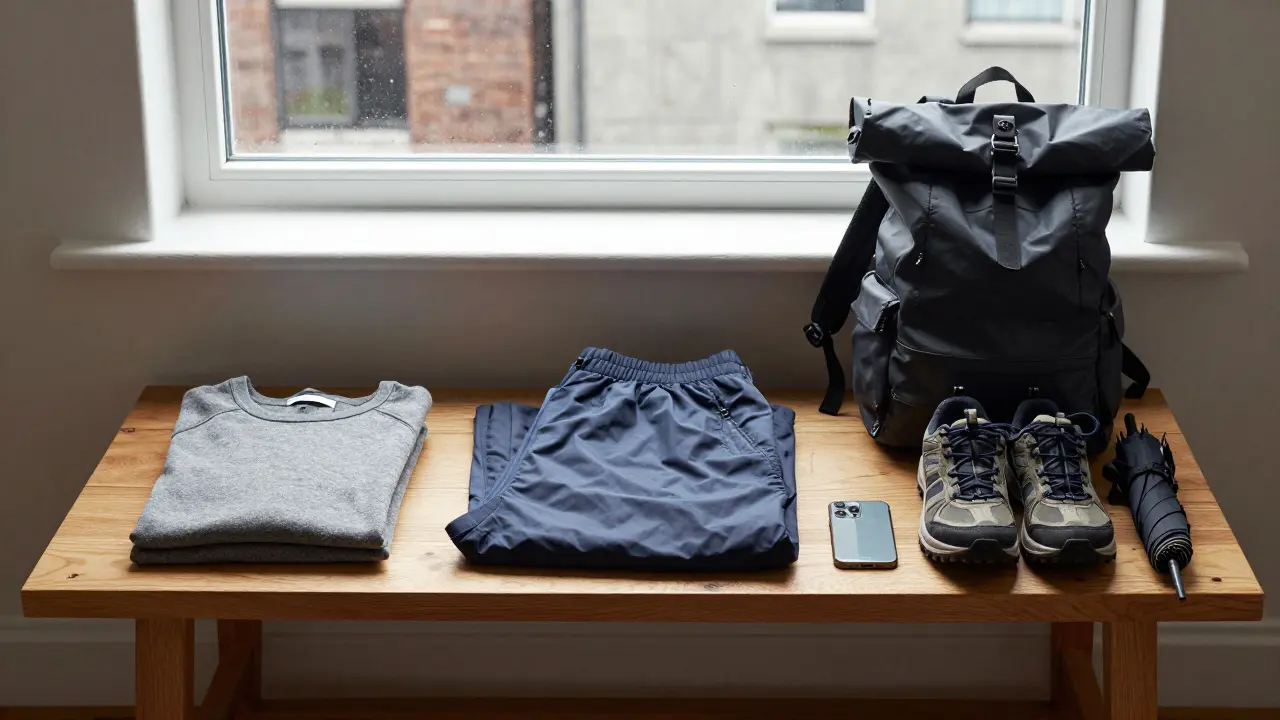
Real-life monsoon outfit: A day in the rain
Here’s what works on a typical rainy Thursday:
- Base layer: Merino wool t-shirt
- Top: Packable nylon rain jacket with pit zips
- Bottoms: Quick-dry nylon pants (convertible to shorts)
- Shoes: Waterproof low-top sneakers with Gore-Tex lining
- Bag: Waterproof backpack with roll-top closure
- Accessories: Waterproof phone case, small water-resistant pouch for cards, compact windproof umbrella
That’s it. No extra layers. No bulk. No sweating. You walk through rain, catch a train, and still look put together. No one knows you’re wearing technical gear-until they see you dry off in the office.
Where to shop for monsoon-ready gear
You don’t need to buy from outdoor brands only. Many urban fashion labels now integrate performance fabrics into everyday wear.
- Uniqlo - Their Airism line is affordable, lightweight, and moisture-wicking. Great for base layers.
- Everlane - Offers minimalist waterproof outerwear with clean lines.
- Patagonia - Best for durable, eco-friendly rain jackets and pants.
- Outdoor Research - Excellent for technical gear if you want maximum protection.
- Amazon Basics - Surprisingly good waterproof phone cases and compact umbrellas at low prices.
Shop sales in late summer or early fall. That’s when retailers clear out monsoon gear before winter collections arrive.
Final tip: Test before you buy
Before you spend $100 on a jacket, test it. Sprinkle water on the fabric. Does it bead up and roll off? That’s good. If it soaks in, walk away. Check the seams-are they taped or stitched? Taped seams mean no water leaks through. Try the zipper. Does it glide smoothly? A sticky zipper in the rain is a nightmare.
And don’t forget to wash your gear properly. Many quick-dry fabrics lose their performance if washed with fabric softener. Use a mild detergent and air dry. No dryer. Ever.
Can I wear cotton in the monsoon if I have a raincoat?
No. A raincoat only protects your outer layer. If your shirt or pants are cotton, they’ll soak up sweat and rain, leaving you damp from the inside. Quick-dry fabrics work by pulling moisture away from your skin. Cotton traps it. You’ll feel clammy and cold, even under the best raincoat.
Are waterproof shoes really necessary for city living?
Yes-if you walk anywhere. Puddles aren’t just on sidewalks. They’re in parking lots, under awnings, near fire hydrants. Water splashes up. Regular shoes absorb moisture through the sole and lining. Waterproof sneakers with a membrane like Gore-Tex keep your feet dry and prevent blisters from wet socks.
How often should I replace my waterproof gear?
A good rain jacket lasts 3-5 years with proper care. Waterproof shoes last 1-2 years depending on use. The DWR coating on fabrics wears off over time. If water stops beading and soaks in, reapply a spray-on DWR treatment. It’s cheaper than buying new.
Is merino wool too expensive for everyday use?
It costs more upfront, but you wear it longer. A merino t-shirt can go 5-7 wears without washing and still smell fresh. That means fewer laundry loads, less wear and tear, and fewer replacements. Over a year, it saves money and reduces waste.
Can I use hiking gear for city monsoon dressing?
Absolutely. Hiking gear is designed for extreme conditions, so it handles city rain with ease. The trick is choosing pieces that look casual. Look for slim-fit pants, minimalist jackets, and neutral colors. You don’t need cargo pockets or bright logos to stay dry.
Monsoon weather doesn’t have to ruin your style-or your day. With the right fabrics and accessories, you can walk through rain like it’s just another part of the morning routine. It’s not about avoiding wet weather. It’s about mastering it.


Write a comment