

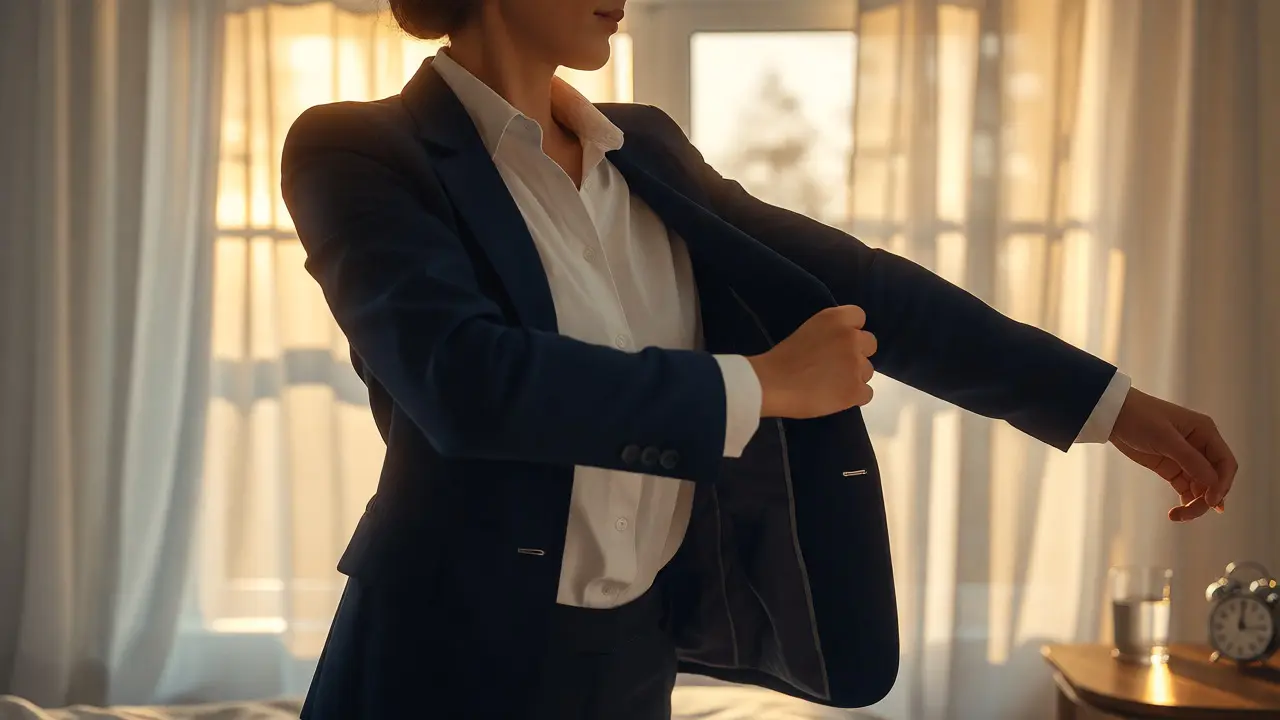
You wake up. The alarm screams. You hit snooze twice. Then you’re rushing, grabbing the first clean shirt off the pile, skipping breakfast, and feeling like a fraud before your feet even touch the floor. Sound familiar? Most of us treat getting dressed as a chore-a box to check before the "real" day starts. But what if I told you that the act of choosing your clothes is one of the most powerful psychological tools you have for shaping how you feel?
This isn't just about looking good for Instagram. It’s about Enclothed Cognition, a concept developed by researchers at Northwestern University, which proves that what we wear changes how we think and behave. When you align your morning routine with intentional dressing choices, you don’t just look confident; you hack your brain into actually feeling it.
The Science Behind Why Clothes Change Your Mind
Let’s get real for a second. Have you ever noticed that putting on a suit makes you want to negotiate harder, or slipping into sweatpants makes you want to binge-watch TV? That’s not coincidence. In a landmark study published in the Journal of Experimental Social Psychology, participants wearing white lab coats described as "doctor's coats" showed significantly more attention to detail than those wearing the same coat labeled as a "painter's smock." The physical garment didn't change; the symbolic meaning did.
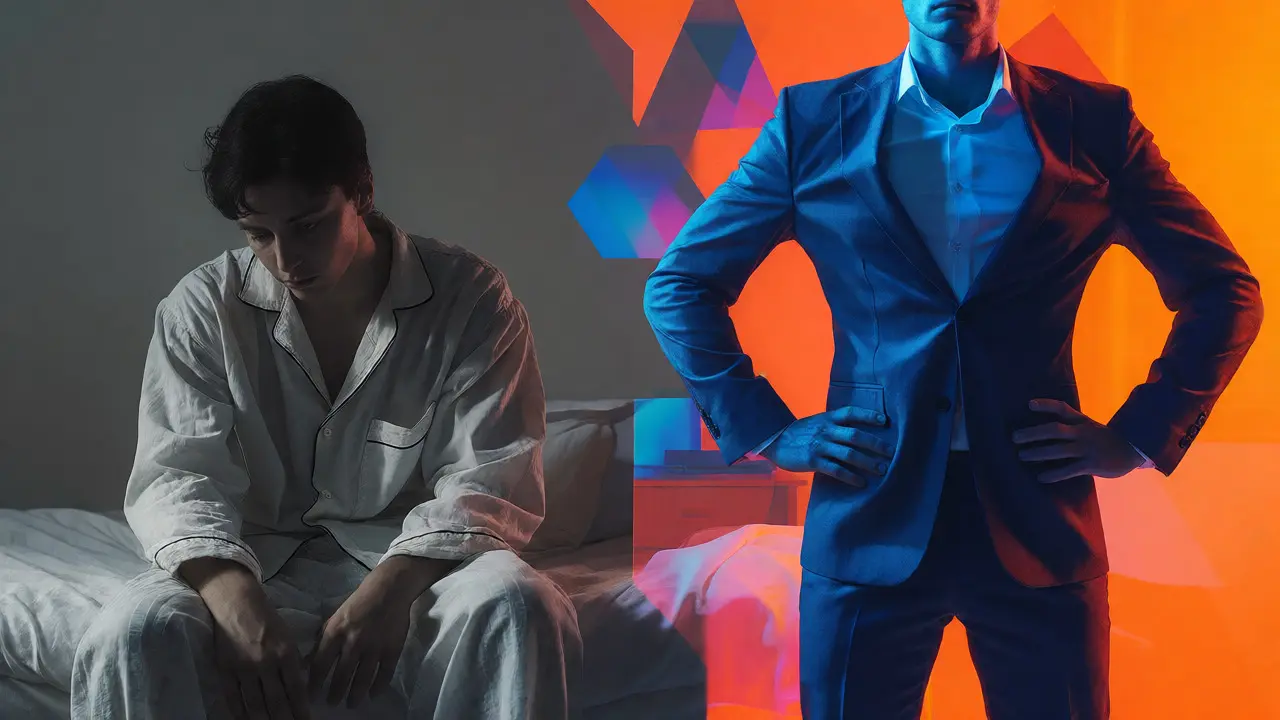
Your brain associates specific clothing items with specific traits. A blazer might signal authority. Yoga pants might signal relaxation. When you dress intentionally, you are sending a consistent message to your subconscious. If you throw on wrinkled pajamas while trying to tackle a high-stakes project, your brain gets mixed signals. It wonders, "Are we working or resting?" This cognitive dissonance drains energy. By creating a clear boundary between rest-wear and work-wear, you reduce mental friction.
Building a Morning Routine That Actually Works
A chaotic morning kills confidence faster than an ill-fitting tie. You don't need a four-hour spa ritual. You need three non-negotiable steps that ground you before the world demands your attention. Here is a simple framework that works for busy professionals in Seattle, New York, or anywhere else:
- Hydrate Before You Decorate: Drink a full glass of water immediately upon waking. Dehydration causes brain fog, which leads to poor decision-making-including bad outfit choices.
- The Two-Minute Mirror Check: Stand in front of the mirror for two minutes. Not to critique your body, but to practice power posing. Research from Harvard social psychologist Amy Cuddy suggests that holding expansive postures for two minutes can lower cortisol (stress) and raise testosterone (confidence). Do this while you apply moisturizer or coffee brews.
- Dress for the Day You Want, Not the Day You Have: Don’t dress for how tired you feel. Dress for the version of yourself who handles today’s challenges with ease. This subtle shift in perspective changes your posture and tone of voice.
Curating a Wardrobe That Reduces Decision Fatigue
Steve Jobs wore the same black turtleneck every day. Mark Zuckerberg wears the same gray T-shirt. They aren't boring; they are managing Decision Fatigue. Every choice you make in the morning depletes a finite pool of mental energy. By 10 AM, you’ve already made hundreds of micro-decisions. If you spend twenty minutes agonizing over whether these jeans match that top, you’ve wasted precious cognitive resources needed for actual work.
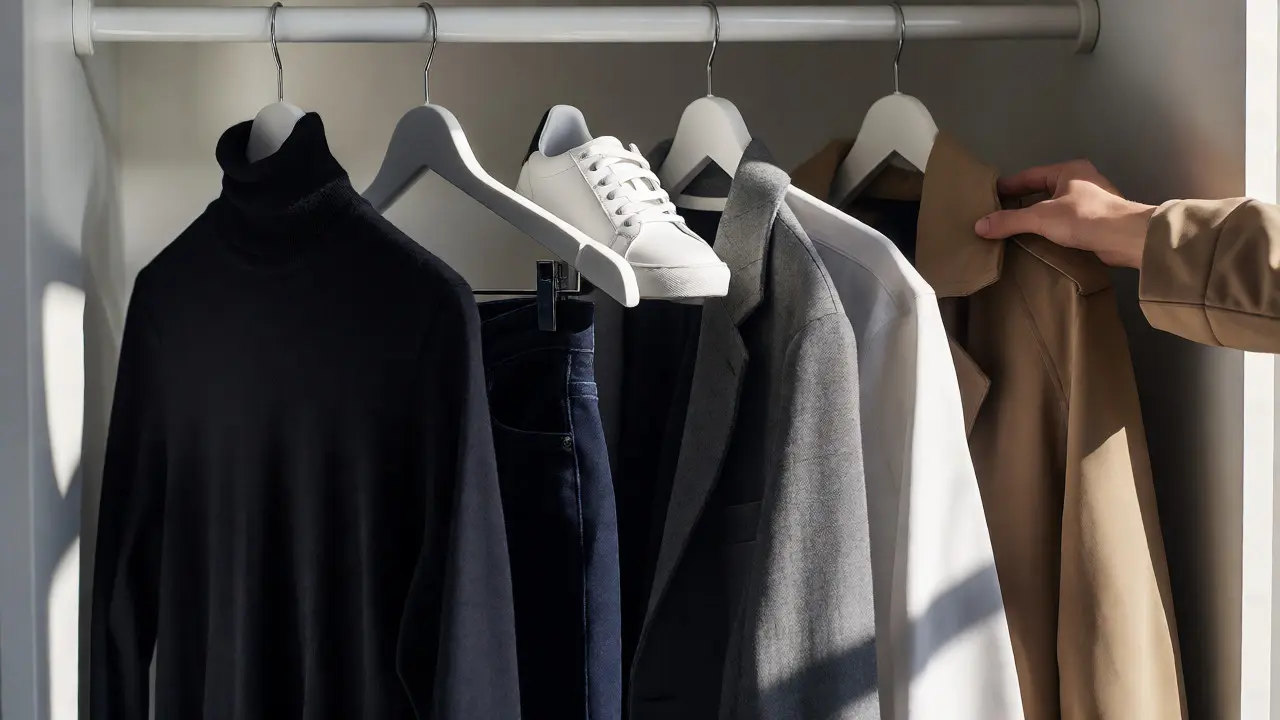
To combat this, build a capsule wardrobe focused on versatility rather than volume. You don't need 50 shirts. You need 5 great ones that mix and match seamlessly. Focus on neutral bases-black, navy, gray, white-and add personality through accessories or textures. When everything fits together, getting dressed becomes automatic. Automaticity frees up brainpower for creativity and problem-solving.
| Clothing Type | Psychological Association | Best Use Case | Confidence Impact |
|---|---|---|---|
| Structured Blazer | Authority, Competence | Negotiations, Presentations | High (Boosts abstract thinking) |
| Formal Shoes | Professionalism, Status | Client Meetings, Interviews | Medium-High (Changes gait/posture) |
| Comfortable Knitwear | Approachability, Warmth | Team Brainstorming, Casual Fridays | Medium (Reduces anxiety) |
| Activewear | Action, Energy | Errands, Gym, Creative Work | Variable (Can signal 'off-duty') |
| Pajamas/Loungewear | Rest, Safety | Sleep, Recovery Days | Low (Signals passivity) |
The Power of Sensory Details
Fashion isn't just visual. It’s tactile. The fabric against your skin sends constant feedback to your nervous system. Scratchy wool can create low-level irritation that manifests as impatience. Stiff denim can restrict movement, making you feel constrained. Conversely, soft cotton or breathable linen can induce a sense of calm.
Pay attention to fit. Clothes that are too tight restrict breathing, triggering a fight-or-flight response. Clothes that are too baggy can make you feel sloppy or invisible. Find the sweet spot where you can move freely but still feel held together. For many people, a well-tailored pair of trousers does more for their self-esteem than an expensive designer handbag. Tailoring is the secret weapon of the confidently dressed person. It costs less than buying new clothes but transforms old pieces into custom-fit armor.
Morning Rituals Beyond the Closet
Dressing is part of a larger ecosystem of habits. If you rush out the door without eating, you’ll be hangry by noon, no matter how sharp your blazer looks. Pair your dressing routine with small acts of self-care that reinforce your value.
- Light Exposure: Get sunlight within 30 minutes of waking. It regulates circadian rhythms and boosts mood. Open the curtains while you pick your outfit.
- Music Selection: Create a playlist specifically for getting ready. Upbeat music increases arousal levels and prepares you for action. Avoid sad ballads unless you’re preparing for a quiet evening.
- Affirmation Anchoring: As you button your shirt or zip your jacket, say one thing you appreciate about yourself. Linking a physical action (dressing) with a positive thought creates a neural pathway. Over time, getting dressed triggers feelings of worthiness automatically.
Troubleshooting Common Confidence Killers
What happens when you hate your outfit? Or when you spill coffee on your only clean shirt? Panic is the enemy of confidence. Prepare for contingencies.
Keep a "crisis kit" at work or in your car. Include a lint roller, stain remover pen, and a backup accessory like a scarf or statement necklace. These small tools allow you to fix problems quickly, preventing a minor mishap from derailing your entire day. Remember, confidence isn't about perfection. It’s about resilience. Knowing you can handle a stain or a wrinkle calmly is far more impressive than never having one.
Also, consider the weather. In Seattle, rain is inevitable. Dressing appropriately for the elements shows competence. Wearing waterproof boots and a stylish trench coat signals that you are prepared and practical. Ignoring the forecast and showing up soaked undermines your professional image. Check the app, plan accordingly, and own the conditions.
Does wearing formal clothes really improve performance?
Yes, according to the theory of enclothed cognition. Formal attire often activates associations with professionalism and competence, which can enhance abstract thinking and negotiation skills. However, comfort is key; if you are distracted by discomfort, the benefits may diminish.
How long should my morning routine take to boost confidence?
It doesn't need to be long. Even five minutes of intentional preparation-choosing an outfit the night before, practicing power poses, and hydrating-can significantly impact your mindset. Consistency matters more than duration.
What if I work from home? Should I still get dressed?
Absolutely. Working in pajamas can blur the lines between rest and work, leading to burnout or lack of focus. Changing into dedicated "work clothes," even if they are casual, signals to your brain that it is time to perform. It helps maintain boundaries and professional demeanor during video calls.
How do I decide what to wear if I have no style inspiration?
Start with a uniform approach. Choose one silhouette that makes you feel strong (e.g., dark jeans and a structured top) and stick with it until you feel bored. Add one personal touch, like a watch or earrings. This reduces decision fatigue while maintaining individuality.
Can colors affect my mood?
While color psychology is subjective, many people find that bright colors like yellow or orange can elevate mood, while blues promote calmness. Experiment with different hues on days when you need specific emotional support, such as wearing blue for a stressful meeting or red for a high-energy presentation.


Write a comment