


You walk into a crowded room with clinking glasses and low hums of conversation. The air smells like expensive perfume and cold beer. You have five minutes to make an impression that lasts for hours. This is the reality of networking cocktail events, which are social gatherings designed for professional connection in a relaxed setting. These events sit in that tricky middle ground between a stiff boardroom meeting and a wild Friday night party. Dress too formal, and you look out of touch. Dress too casual, and you signal that you don’t take your career seriously. Getting this balance right is less about following strict rules and more about understanding the psychology of first impressions.
The Psychology of First Impressions at Networking Events
Your outfit does the talking before you even say hello. Research from Princeton University suggests it takes just nine seconds to form a lasting opinion about someone’s trustworthiness and competence. In a sea of strangers, your clothing acts as a visual resume. It tells people what industry you’re in, how much effort you put into details, and whether you understand the culture of the room.
Think about the last time you met someone new. Did you notice their tie knot or the condition of their shoes? Probably not consciously, but your brain processed those signals instantly. A crisp shirt suggests organization. Scuffed boots might suggest ruggedness or neglect, depending on context. At a cocktail reception, which is a semi-formal gathering often held after business meetings or conferences, the goal is approachability mixed with authority. You want to look like someone who can close a deal but also enjoys a good laugh over appetizers.
The key is intentional ambiguity. Your style should be polished enough to command respect but relaxed enough to invite conversation. If someone has to guess whether you’re a CEO or a creative director, you’ve struck the right chord. This balance reduces social friction and makes others feel comfortable approaching you.
Decoding the Cocktail Attire Code
"Cocktail attire" is one of the most misunderstood dress codes in professional life. It doesn’t mean black-tie formal, nor does it mean jeans and a t-shirt. For men, this typically means a dark suit-navy or charcoal gray works best-with a button-down shirt. A tie is optional but recommended if the event leans toward finance or law. For women, a knee-length dress, a skirt suit, or tailored trousers with a silk blouse hits the sweet spot.
Consider the venue. If the event is in a rooftop bar in Manhattan, lean slightly more stylish and modern. If it’s in a hotel ballroom in Chicago, stick to classic silhouettes. The location dictates the level of polish required. Always check the invitation for specific cues. Phrases like "business casual" or "smart casual" give you permission to drop the jacket or wear loafers instead of oxfords.
Footwear matters more than you think. Clean, well-maintained shoes signal attention to detail. For men, leather loafers or derbies work better than bulky sneakers. For women, block heels or elegant flats are safer choices than stilettos, especially if you’ll be standing for long periods. Comfort allows you to move freely and engage naturally, which boosts your confidence.
Fabric Choices That Work in Any Season
The material of your clothes affects both comfort and perception. Natural fibers breathe better and drape more elegantly than synthetics. Wool blends are ideal for year-round wear because they regulate temperature effectively. Cotton offers a crisp look but wrinkles easily, so choose wrinkle-resistant weaves if you’ll be traveling to the event.
In summer, linen mixes provide a sophisticated yet relaxed vibe. Pure linen can look too casual, so opt for linen-cotton blends that hold their shape. In winter, heavier wools add structure and warmth. Avoid shiny fabrics unless you’re in entertainment or media, where bold textures are expected. Matte finishes convey seriousness and professionalism.
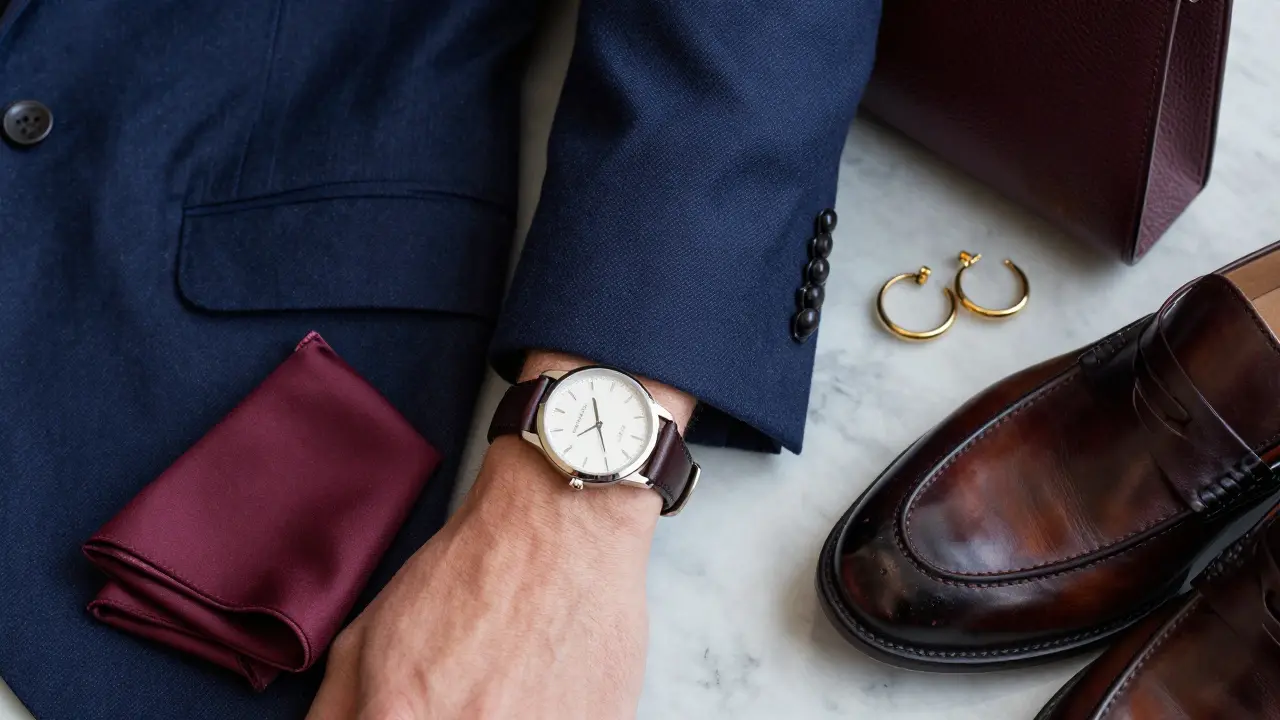
Color plays a huge role in readability. Darker colors slim and focus attention on the face, making them great for photos and conversations. Navy blue conveys trust and stability. Charcoal gray suggests neutrality and sophistication. Black can appear too severe for daytime events but works well for evening gatherings. Add a pop of color through accessories-a burgundy pocket square, a teal scarf, or coral earrings-to show personality without overwhelming the ensemble.
Accessories: The Details That Define Your Style
Accessories transform a basic outfit into a statement. They’re the punctuation marks of your wardrobe. A quality watch signals punctuality and appreciation for craftsmanship. Keep it simple: leather strap for day, metal bracelet for night. Avoid smartwatches unless you’re in tech, where they’re normalized.
For women, jewelry should complement, not compete. Small studs or hoops draw attention to the face without distracting. A delicate necklace adds elegance without bulk. Bags should be small enough to carry essentials but large enough to hold a phone, lipstick, and business cards. Clutches or structured crossbody bags work best.
Men should focus on belts and wallets. Match your belt leather to your shoe leather. A worn-out wallet screams disorganization; replace it every two years. Pocket squares add flair but keep them folded neatly. No need to learn complex origami folds-a simple straight fold looks clean and confident.
Grooming: The Invisible Layer of Professionalism
Clothes only go so far if grooming is neglected. Fresh breath, neat hair, and clean nails complete the picture. Brush your teeth right before arriving. Carry mints discreetly in your pocket. Hair should be styled but not stiff; natural movement looks more approachable.
Nails should be trimmed and clean. Chipped polish or dirty cutters distract from your message. Fragrance should be subtle-enough to notice when someone hugs you, not enough to clear the room. One spray on the wrist is plenty. Overpowering scents trigger allergies and annoyance, neither of which helps networking.
Skin care matters too. Hydrated skin reflects light better and looks healthier. Use a moisturizer suited to your skin type. Men shouldn’t skip sunscreen-it prevents premature aging and keeps skin looking fresh under bright lights. Grooming shows self-respect, which translates to professional respect.

Adapting to Industry Norms
Different industries have unwritten dress codes. Finance and law expect traditional suits and ties. Tech startups embrace hoodies and sneakers, but even there, "smart casual" wins at external events. Creative fields like design or marketing allow bolder expressions-patterned shirts, unique cuts, artistic accessories.
If you’re unsure, observe beforehand. Attend a few events without pressure to network deeply. Note what senior leaders wear. Mimic their level of formality while adding personal touches. When in doubt, overdress slightly rather than underdress. People forgive being too dressed up; they rarely forgive being underdressed.
Remote workers transitioning back to in-person events may struggle with this shift. Start by updating your closet gradually. Invest in versatile pieces that mix and match. A navy blazer pairs with chinos for casual Fridays and dress pants for client dinners. Build a capsule wardrobe around neutral tones and elevate with accessories.
Common Mistakes to Avoid
Wearing brand logos prominently dates your look and shifts focus from you to the label. Logos belong on sportswear, not professional attire. Similarly, overly tight or revealing clothing distracts from your message. Aim for fit that flatters without constraining movement.
Ignoring weather conditions leads to discomfort. Arriving sweaty or shivering ruins confidence. Check forecasts and layer accordingly. A lightweight trench coat over a suit handles rain without ruining the silhouette. Scarves add warmth and style simultaneously.
Last-minute shopping results in poor fits and mismatched pieces. Plan outfits ahead of time. Try everything on together. Walk around your house to test mobility. Sit down to ensure nothing rides up or pulls. Practice makes perfect, and preparation reduces anxiety.
| Industry | Recommended Attire | Key Accessories | Avoid |
|---|---|---|---|
| Finance/Law | Dark suit, white shirt, conservative tie | Leather shoes, minimal jewelry | Bright colors, loud patterns |
| Tech | Blazer, chinos, polo or button-down | Clean sneakers, smartwatch | Full suits, excessive branding |
| Creative/Media | Tailored separates, unique textures | Statement earrings, patterned scarves | Generic fast fashion |
| Healthcare/Education | Skirt suit, modest dresses, closed-toe shoes | Simple watches, small handbags | Revealing necklines, high heels |
Building Confidence Through Preparation
Confidence comes from knowing you look your best. Rehearse your entrance. Stand tall, smile genuinely, and make eye contact. Your posture communicates assurance before words do. Practice introducing yourself clearly and concisely.
Prepare conversation starters related to the event theme. Ask open-ended questions that encourage storytelling. Listen actively-people remember how you made them feel more than what you said. Follow up within 48 hours via LinkedIn or email to solidify connections.
Remember, networking isn’t about collecting business cards. It’s about building relationships. Your attire opens doors; your character keeps them open. Dress to reflect the professional you aspire to become, not just the one you are today.
What is the difference between cocktail attire and business casual?
Cocktail attire is more polished and festive than business casual. While business casual allows khakis and polos, cocktail attire requires darker suits, dressier fabrics, and more refined accessories. Think of cocktail attire as elevated business casual with a touch of celebration.
Can I wear jeans to a networking cocktail event?
Generally no. Jeans signal informality that clashes with the professional tone of cocktail events. Opt for tailored trousers or dark denim only if explicitly permitted by the host. Even then, pair with a blazer and dress shoes to maintain appropriateness.
How important are shoes at networking events?
Shoes are critical. They’re often the first thing noticed and reflect attention to detail. Clean, well-fitted shoes in leather or suede elevate any outfit. Avoid athletic sneakers unless you’re in tech or creative fields where they’re accepted.
Should I wear perfume or cologne to a networking event?
Use fragrance sparingly. One or two sprays max. Strong scents can cause discomfort or allergic reactions, harming your ability to connect. Subtle fragrances enhance presence without overwhelming others.
What if I’m attending multiple networking events in one week?
Invest in versatile pieces that mix and match. A navy blazer, white shirt, and gray trousers create three different looks with added accessories. Rotate shoes and scarves to refresh outfits without buying new clothes. Dry cleaning extends garment life between wears.