

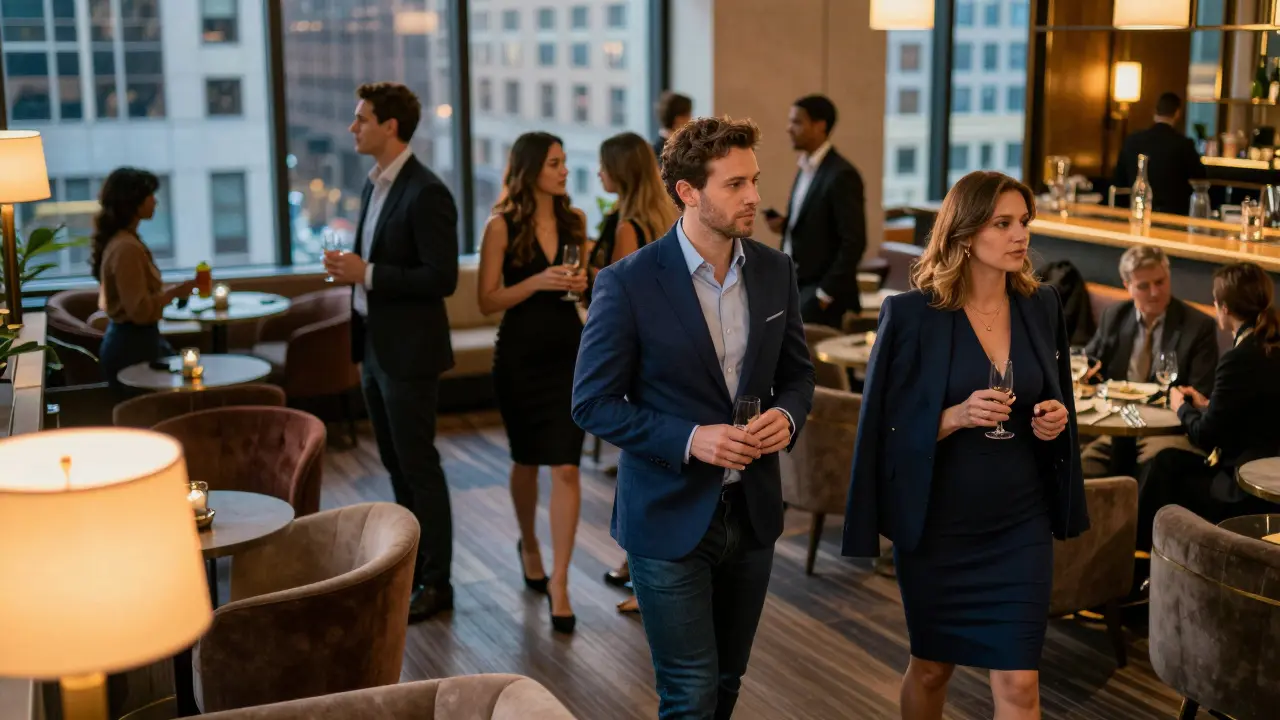
The Quick Guide to Mixer Dress Codes
Before you start pulling clothes out of the closet, you need to decode the venue. A rooftop bar in Manhattan requires a different vibe than a corporate hotel ballroom. Generally, after-hours events lean toward "Smart Casual" or "Business Casual," but the "after-hours" part means you can ditch the stiffest elements of your workday gear.- Smart Casual: Think dark denim, a crisp blazer, and loafers. It's the gold standard for most modern industry mixers.
- Business Casual: Chinos or slacks paired with a button-down. No tie needed, but a collar is usually expected.
- Cocktail Attire: This is for the high-end gallery openings or anniversary parties. Think cocktail dresses or a sharp suit without the tie.
The Power of the "Transition Piece"
The biggest challenge of the after-hours mixer is the transition from your 9-to-5 desk role to a social professional. The secret is the transition piece-a garment that works in both settings but changes the mood of the outfit. For many, networking event outfits is all about the layering. A blazer is a versatile jacket that provides a structured silhouette while remaining less formal than a full suit. Also known as a sports coat, it allows you to signal authority while remaining approachable.
If you're wearing a formal dress or trousers at work, swapping your heavy office pumps for a stylish block heel or a sleek pair of loafers instantly shifts the energy from "boardroom" to "bistro." For men, removing the tie and unbuttoning the top two buttons of a shirt transforms a rigid corporate look into a relaxed, confident aesthetic. Avoid the mistake of keeping the tie on just because you're nervous; it creates a psychological barrier between you and the people you're trying to meet.Outfit Formulas for Every Vibe
Not sure where to start? Use these tried-and-true formulas. These aren't just suggestions; they are based on the visual cues that most successful networkers use to blend in while standing out.The "Creative Professional" Look
Perfect for marketing, tech, or design events. This look says you're innovative but disciplined.
- Bottoms: Dark wash indigo jeans (no holes, no fading) or slim-fit black trousers.
- Top: A high-quality Turtleneck or a clean-cut merino wool sweater. A knitted garment that provides warmth and a sophisticated, intellectual appearance.
- Outerwear: An unstructured blazer in navy or charcoal.
- Shoes: Leather Chelsea boots or clean, minimalist white sneakers (only if the venue is very casual).
The "Corporate Ladder" Look
Ideal for law, finance, or traditional corporate sectors where appearing "put together" is a non-negotiable.
- Bottoms: Tailored chinos in khaki, olive, or navy.
- Top: A light blue or white button-down shirt, tucked in.
- Accessories: A leather belt that matches your shoes. Skip the heavy jewelry; a simple watch is enough.
- Shoes: Brown leather Derbies or loafers.
The "Effortless Elegance" Look
Great for women who want to balance femininity with professional power.
- Main Piece: A midi-length Sheath Dress. A form-fitting, knee-length dress that is a staple of professional feminine attire.
- Layer: An oversized blazer draped over the shoulders for a modern touch.
- Shoes: Pointed-toe flats or a manageable 2-inch heel.
- Detail: A structured clutch or a small crossbody bag. Avoid huge totes that make you look like you're still on your way to the office.
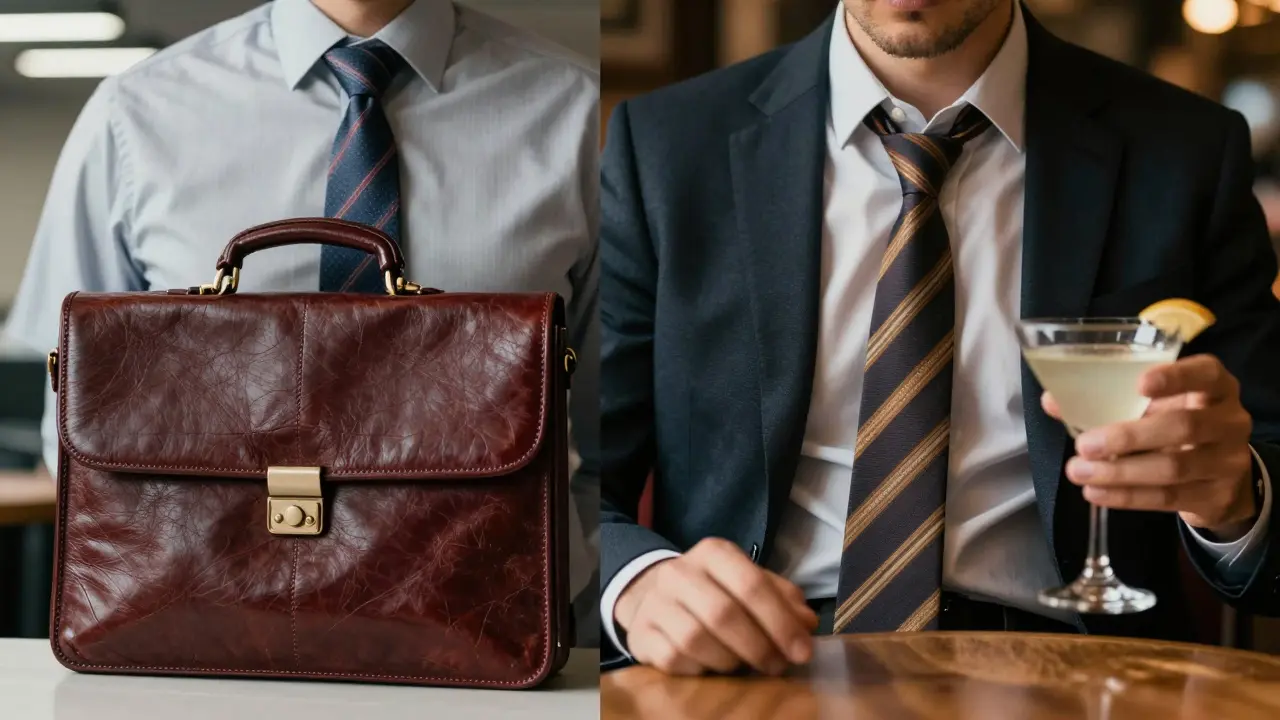
Comparing Fabric Choices for Evening Events
The fabric you choose determines how the clothes react to the environment. After-hours mixers often involve crowded rooms, heat from people, and potentially a few spills. You want materials that look expensive but perform well.
| Fabric | Vibe | Pros | Cons |
|---|---|---|---|
| Merino Wool | Sophisticated | Temperature regulating, resists wrinkles | Can be expensive |
| Cotton Twill | Classic/Sturdy | Durable, widely accepted as professional | Wrinkles more than wool |
| Silk Blends | Luxurious | Drapes beautifully, adds a glow to the look | Prone to stains and snags |
| Technical Stretch | Modern/Sleek | Extremely comfortable for standing long hours | Can look too "athletic" if not chosen carefully |
The Subtle Art of Accessories
Accessories are where most people overdo it. Remember, you are there to network, not to model. Your accessories should complement your professional identity, not distract from it. If you're wearing a simple outfit, one "statement" piece is fine. For example, a bold watch or a unique set of earrings can serve as a conversation starter. Someone might ask, "Is that a vintage piece?" and suddenly you have a natural way to start a conversation. However, avoid anything that jingles or makes noise when you move-it's distracting in a quiet lounge setting. One of the most overlooked accessories is the business card holder. Fumbling through your pockets or pulling a crumpled card out of a wallet looks amateur. A slim, leather Business Card Holder is a small detail that signals you are organized and serious about your professional relationships.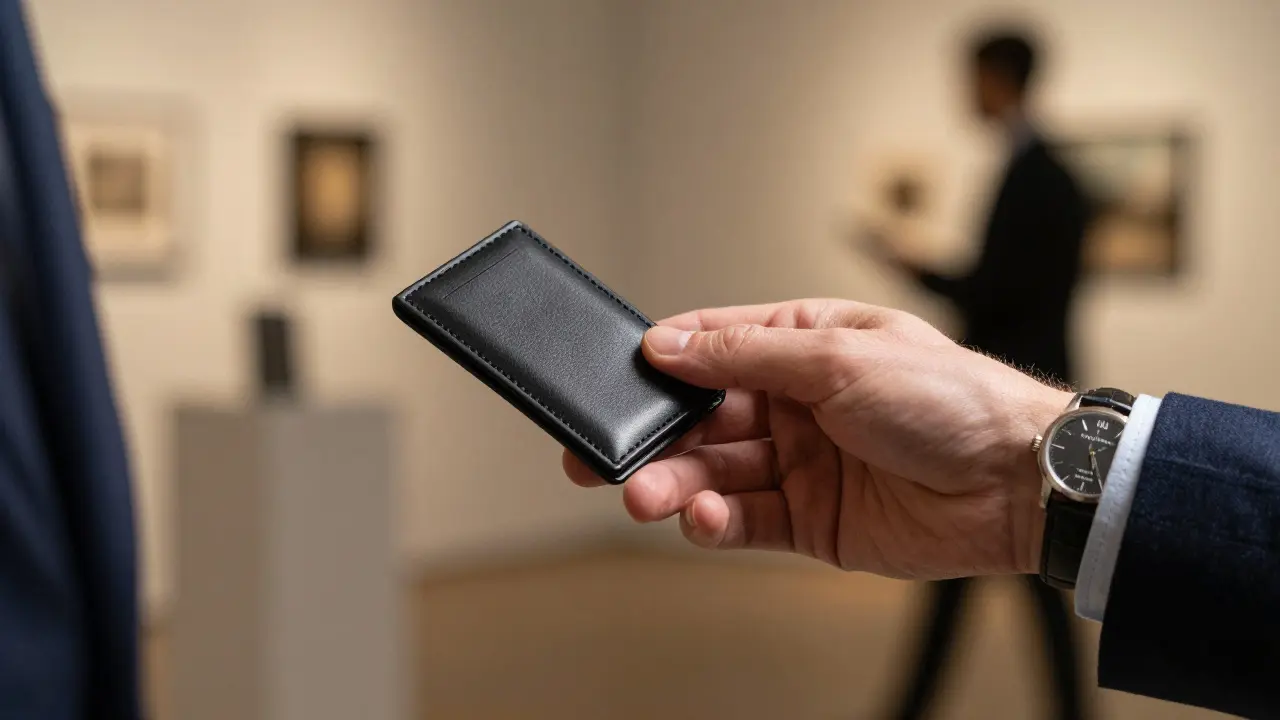
Common Pitfalls to Avoid
Even with the right clothes, a few mistakes can ruin the effect. First, watch your fit. A blazer that is too big makes you look like you're wearing your father's suit, and trousers that are too long look sloppy. If you're spending money on one thing, spend it on tailoring. A $50 shirt that fits perfectly looks better than a $500 shirt that bunches at the waist. Second, be mindful of the "too casual" trap. Just because it's "after hours" doesn't mean it's "home hours." Avoid hoodies, flip-flops, or gym wear, even if you see someone else doing it. Being the slightly overdressed person in the room is always better than being the underdressed person. Overdressed says you respect the event; underdressed says you don't care about the occasion. Third, avoid overly loud patterns. While a pop of color is great, a neon shirt or a distracting print can be overwhelming in a dimly lit room. Stick to a base of neutrals-navy, charcoal, black, or beige-and add one point of interest.Psychology of Color in Networking
Colors communicate before you even open your mouth. If you want to project trust and stability, navy blue is your best friend. It is the most universally accepted color for business and is less harsh than black. If you want to appear approachable and friendly, try earth tones like olive green or soft browns. Black is the safest bet for evening events, as it naturally fits the "nightlife" aesthetic. However, to avoid looking like you're going to a funeral, mix textures. Pair a black matte trouser with a slightly shimmering silk blouse or a textured wool blazer. This adds depth to the outfit and prevents you from blending into the background like a shadow.What if I don't know the dress code of the event?
When in doubt, aim for "Smart Casual." A dark pair of trousers or a skirt, a professional top, and a blazer is a safe bet for almost any business mixer. It is easier to remove a blazer if the room is too casual than it is to wish you had one when everyone else is dressed up.
Can I wear sneakers to a business mixer?
Yes, but only if they are "fashion sneakers." This means clean, leather, minimalist designs in neutral colors (white, black, or tan). Avoid athletic running shoes or anything with loud logos. Pair them with tailored trousers and a blazer to balance the casual nature of the footwear.
Are jeans ever appropriate for professional networking?
Yes, provided they are dark indigo or black and have a slim, tailored fit. There should be no rips, distressing, or fading. To make jeans work, you must "elevate" the rest of the look with a dress shirt and a blazer.
How do I handle a mixer that starts immediately after work?
The best strategy is the "modular outfit." Wear your full professional gear to the office, but keep a pair of more comfortable (but still stylish) shoes and a different accessory in your car or at your desk. A quick change of footwear and removing your tie or adding a piece of jewelry can shift your look from "employee" to "guest."
What is the best color for a first-time networking event?
Navy blue is widely considered the most effective color. It projects confidence, professionalism, and trust without being as intimidating as solid black or as casual as khaki. It works well across almost all skin tones and lighting conditions.
Final Checklist for Your Mixer Look
Before you head out the door, do a quick sanity check. These small details often make the difference between a polished look and a sloppy one.- The Wrinkle Test: Check your shoulders and elbows. If you've been sitting at a desk all day, your clothes might be creased. A quick steam or a few shakes of the fabric can fix this.
- The Shoe Check: Ensure there are no scuffs on the toes of your shoes. A quick wipe with a damp cloth does wonders.
- The Pocket Bulk: Empty your pockets of unnecessary items. A bulging phone, a thick wallet, and a bunch of keys ruin the silhouette of your trousers.
- The Lighting Check: Look in a mirror with natural light. Ensure your colors don't clash and that your outfit doesn't look too sheer or revealing under brighter lights.


Write a comment