

Key Takeaways
- Organic cotton eliminates toxic pesticides, saving water and soil health.
- Linen is one of the most durable and low-impact fabrics available.
- Synthetic fibers shed microplastics, while natural fibers biodegrade.
- Natural materials regulate body temperature better than plastic-based fabrics.
The Real Deal on Organic Cotton
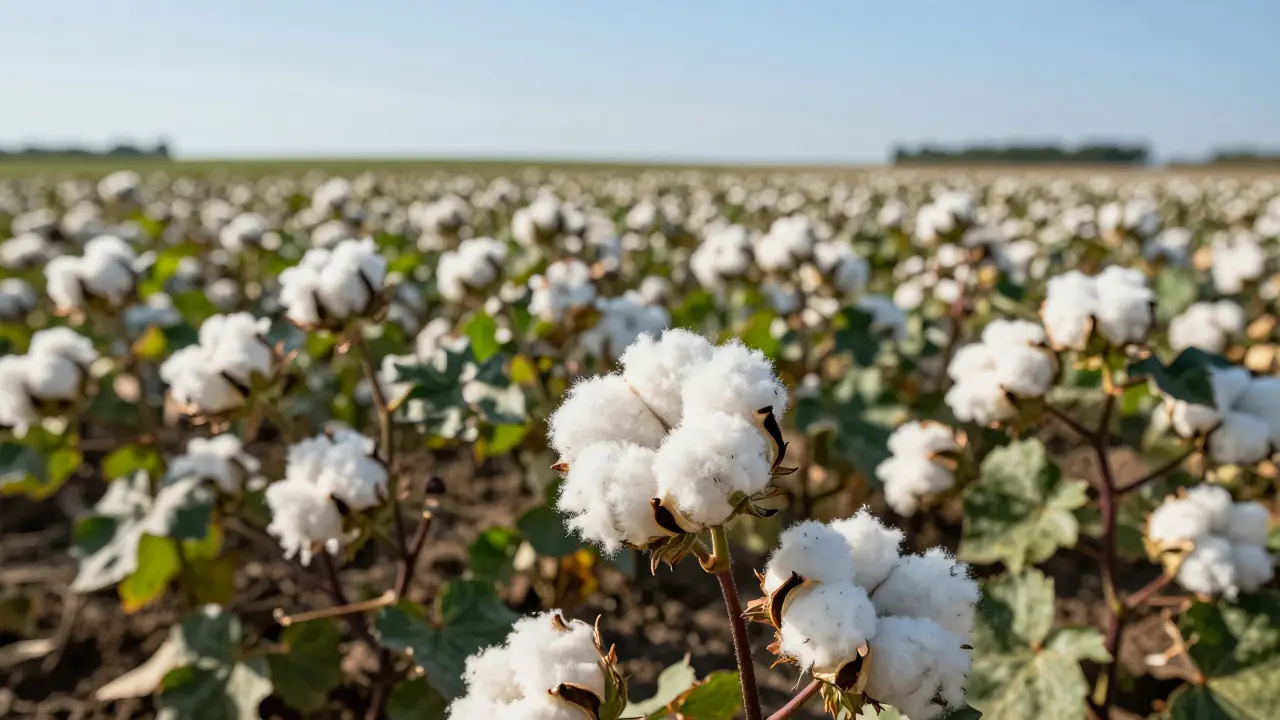
We all know cotton is the king of t-shirts, but not all cotton is created equal. Conventional cotton is one of the thirstiest and most chemically dependent crops on the planet. Organic Cotton is cotton grown without the use of synthetic pesticides, herbicides, or genetically modified organisms (GMOs). By sticking to natural fertilizers and crop rotation, organic farming keeps the soil alive and prevents toxic runoff from poisoning local water supplies.
If you've ever felt that a cheap t-shirt feels "stuffy" even when it's thin, it's often because conventional cotton is treated with harsh chemicals that strip the fiber's natural softness. Organic versions maintain the integrity of the plant. For example, a study by the Textile Exchange showed that organic cotton systems can reduce water consumption by up to 91% compared to conventional methods because they rely more on rainwater and healthy soil that retains moisture naturally.
Linen: The Ancient Powerhouse of Sustainability
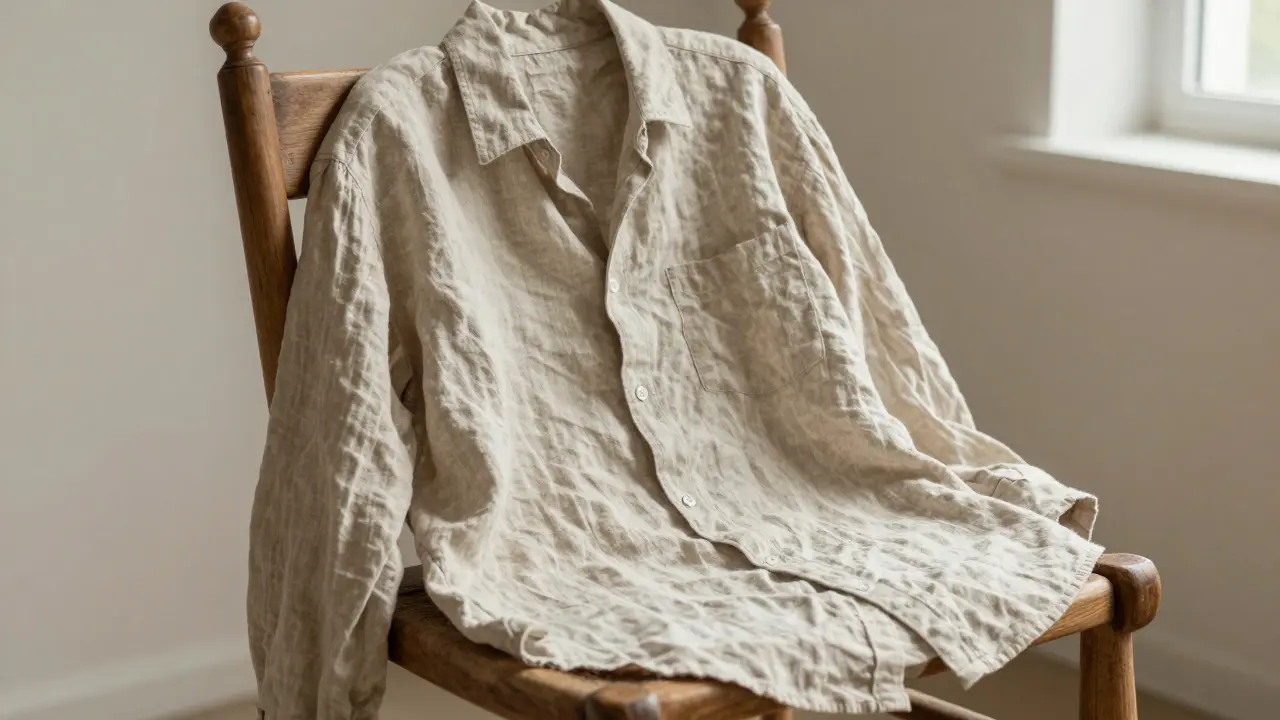
If organic cotton is the reliable staple, Linen is the high-performance veteran. Linen is a textile made from the fibers of the flax plant (Linum usitatissimum). It has been around for thousands of years, and for good reason. Flax is a hardy crop that grows in poor soil and requires significantly less water than cotton to thrive.
The real magic of linen is in its breathability. Because the fibers are thicker and have a natural weave that allows air to flow, it's the perfect choice for humid New York summers. Unlike synthetics that trap heat and sweat against your skin, linen wicks moisture away and dries rapidly. It's also incredibly tough. While a polyester blend might pill or thin out after a dozen washes, a high-quality linen shirt actually gets softer and more comfortable as it ages. It's an investment in a garment that lasts a decade, not a season.
Comparing Natural vs. Synthetic Materials
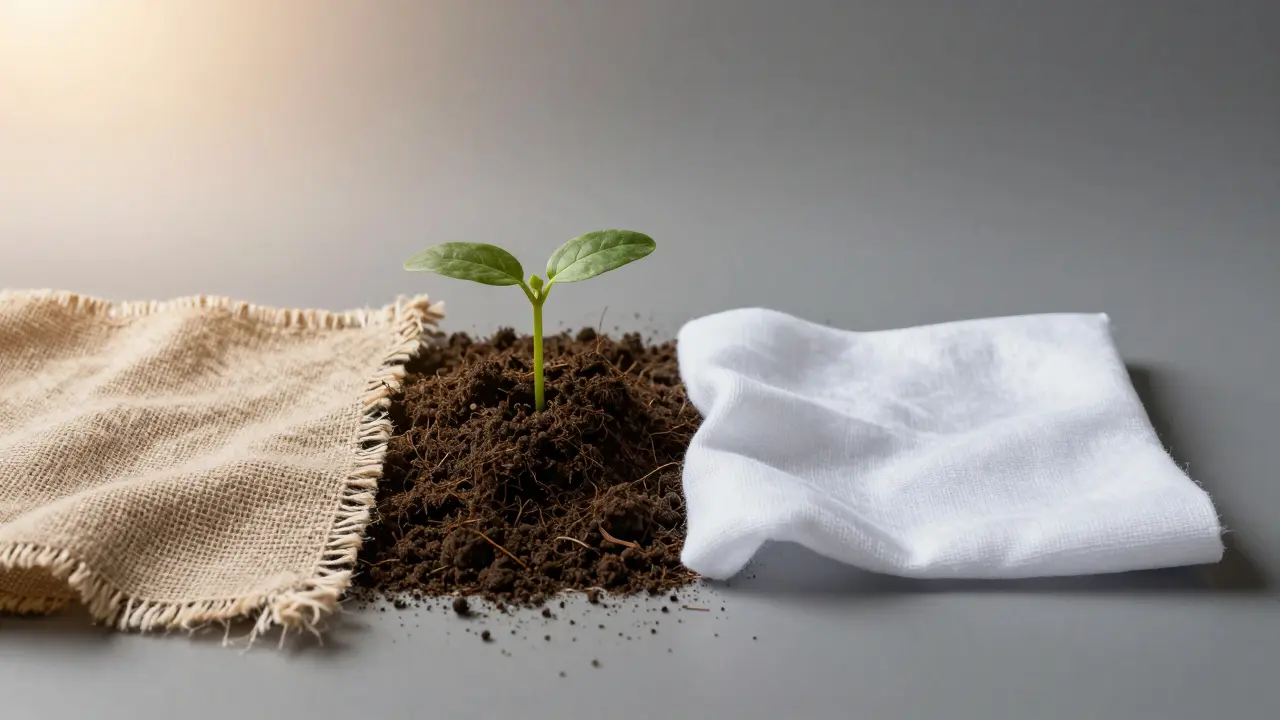
To understand why the material choice matters, you have to look at the lifecycle of the garment. When you wash a synthetic fleece or a nylon legging, thousands of tiny plastic shards-microplastics-break off and enter the water system. Natural fibers don't do that. They come from the earth and, eventually, they go back into it.
| Attribute | Organic Cotton | Linen | Polyester (Synthetic) |
|---|---|---|---|
| Water Usage | Moderate to Low | Very Low | High (Chemical processing) |
| Biodegradability | Fully Biodegradable | Fully Biodegradable | Non-Biodegradable |
| Breathability | High | Very High | Low |
| Durability | Medium | High | Medium/High |
| Skin Sensitivity | Hypoallergenic | Hypoallergenic | Can irritate skin |
Beyond Cotton and Linen: The Natural Alternatives
While cotton and linen take the spotlight, other Natural Fibers provide specialized benefits. These are fibers derived from plants, animals, or minerals, including wool, hemp, and silk. For instance, Hemp is perhaps the most sustainable of all. Hemp is a versatile natural fiber from the Cannabis sativa plant that requires almost no pesticides and actually returns nutrients to the soil. It's nearly as strong as linen but has a more rugged, denim-like feel. If you're looking for warmth, Wool is the gold standard. Wool is a protein fiber shorn from sheep or goats, known for its natural insulating properties and moisture-wicking abilities. A single wool sweater can replace three synthetic jackets because it regulates temperature so efficiently.
The Hidden Cost of "Natural-Looking" Synthetics
One of the biggest traps in modern shopping is the "rayon" or "viscose" label. Brands often market these as natural because they come from wood pulp. However, the process of turning wood into a soft fabric usually involves a cocktail of caustic chemicals like carbon disulfide. This is why looking for certifications like GOTS (Global Organic Textile Standard) or OEKO-TEX is vital. These labels tell you that the fabric isn't just made from a plant, but that the process of making it didn't poison the workers or the river next to the factory.
How to Transition Your Wardrobe
You don't need to throw away every piece of clothing you own to be sustainable. That would be counterproductive. Instead, adopt a "replace as you go" strategy. When your favorite black t-shirt finally wears through, replace it with an organic cotton one. When you need a summer dress, choose linen over a polyester blend.
Check the labels for blends. A 100% natural garment is the goal because it's easier to recycle and biodegrade. A "cotton-poly blend" is a nightmare for recycling centers because they can't easily separate the plastic from the plant. By choosing pure natural fibers, you're ensuring that your clothes won't spend the next 200 years sitting in a landfill.
Is organic cotton actually better for the environment than conventional cotton?
Yes, significantly. Organic cotton prohibits the use of synthetic pesticides and fertilizers, which protects groundwater and soil biodiversity. It also typically uses less water due to better soil health and prohibits GMO seeds, which helps maintain natural seed diversity.
Why does linen wrinkle so much, and is it still worth it?
Linen wrinkles because the fibers are stiff and don't have the elasticity of wool or synthetics. However, it's absolutely worth it because of its extreme durability and cooling properties. In the world of sustainable fashion, these wrinkles are often seen as a sign of authenticity and a relaxed, natural aesthetic.
What is the difference between organic and natural fibers?
"Natural fibers" refers to any material from a plant or animal (like wool, silk, or conventional cotton). "Organic" is a specific standard of production that ensures no synthetic chemicals were used during the growth of that natural fiber. So, all organic fibers are natural, but not all natural fibers are organic.
Are hemp clothes scratchy?
Older hemp clothing could be a bit coarse, but modern processing has changed that. High-quality hemp now feels very similar to a heavy linen or a soft canvas. It actually softens significantly with every wash, becoming more comfortable over time.
How can I tell if a fabric is truly sustainable?
Look for third-party certifications. GOTS (Global Organic Textile Standard) is the gold standard for organic fibers. OEKO-TEX certifies that the finished fabric is free from harmful chemicals. Fair Trade certifications ensure that the people growing and weaving the fibers were paid a living wage.
Next Steps for Your Sustainable Journey
If you're feeling overwhelmed, start with one specific category. Maybe it's your underwear or your bed sheets. Switching to organic cotton for items that touch your skin for hours a day is the best way to feel the difference in breathability and comfort. From there, explore the world of linen for your outerwear and hemp for your casual wear. The goal isn't perfection; it's making a slightly better choice every time you shop.