

You know the feeling. You try on a beautiful wool coat, look in the mirror, and suddenly you look like a marshmallow. Or worse, the jacket cuts off your circulation at the arms while leaving a weird gap at the waist. It’s frustrating because you want warmth and style, not extra inches that have nothing to do with your actual body.
Here is the truth most fashion blogs won’t tell you: bulk isn't inevitable. It’s usually a result of mismatched proportions between your frame and the garment’s cut. The right outerwear doesn't just cover you; it sculpts you. Whether you’re dealing with broad shoulders, a pear-shaped lower half, or a straighter rectangle shape, there is a specific architecture in coat design that works *with* your anatomy rather than fighting against it.
The Physics of Fit: Why Some Coats Add Weight
Before we talk about specific styles, let’s look at why some jackets make everyone look larger. It comes down to three things: shoulder seam placement, fabric weight, and length. If the shoulder seam drops too far down your arm (the "drop shoulder" trend), it widens your upper body visually. For many people, this looks relaxed. For others, it looks sloppy and heavy.
Fabric density matters too. A stiff, boxy tweed adds volume where you might want drape. Conversely, a thin, unlined nylon windbreaker can cling to every curve if it’s too tight. The sweet spot is structure without stiffness. You want a fabric that holds its own shape away from your body slightly, creating a clean line, but isn’t so thick it doubles your physical width.
Length is the silent killer of silhouettes. A jacket that ends exactly at the widest part of your hips will emphasize that area. If you have wider hips, ending a jacket mid-thigh creates a horizontal line that cuts you in half. Ending it just below the hip bone or well above the waist usually elongates the torso and streamlines the figure.
Dressing an Hourglass Figure: Defining the Waist
If you have an hourglass shape-meaning your bust and hips are roughly equal with a defined waist-your enemy is shapelessness. Boxy coats erase your best feature. You need outerwear that acknowledges the cinch.
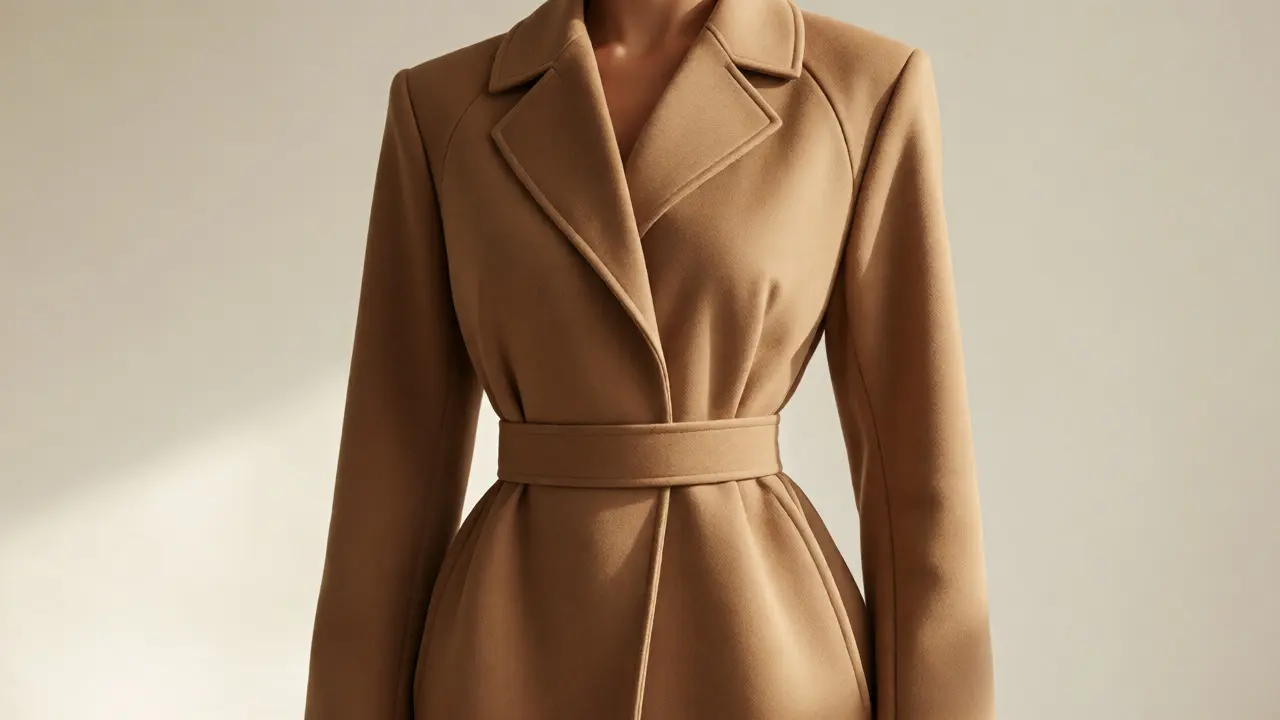
Trench coats are the gold standard here, but only if they are belted properly. Don’t just tie the belt loosely around your back. Cinch it firmly at your natural waistline. This pulls the fabric in and highlights your curves. Look for trenches with raglan sleeves (seams that run from the neck to the underarm) rather than set-in sleeves. Raglan sleeves allow for more movement and prevent that bulky shoulder look when you wear thicker sweaters underneath.
Another great option is the Belted Wool Coat. Unlike the trench, which is often water-resistant cotton gabardine, wool offers warmth and a softer drape. Ensure the coat has princess seams-vertical seams running from the shoulder or armhole down to the hem. These seams contour the fabric to your body, providing a tailored fit without needing constant adjustment.
Streamlining Pear-Shaped Bodies: Balancing the Bottom Half
Pear-shaped bodies carry weight in the hips and thighs while having narrower shoulders. The goal? Draw attention upward and skim over the hips. Avoid cropped jackets that end right at the hip bone; they act like a shelf, emphasizing the width beneath them.
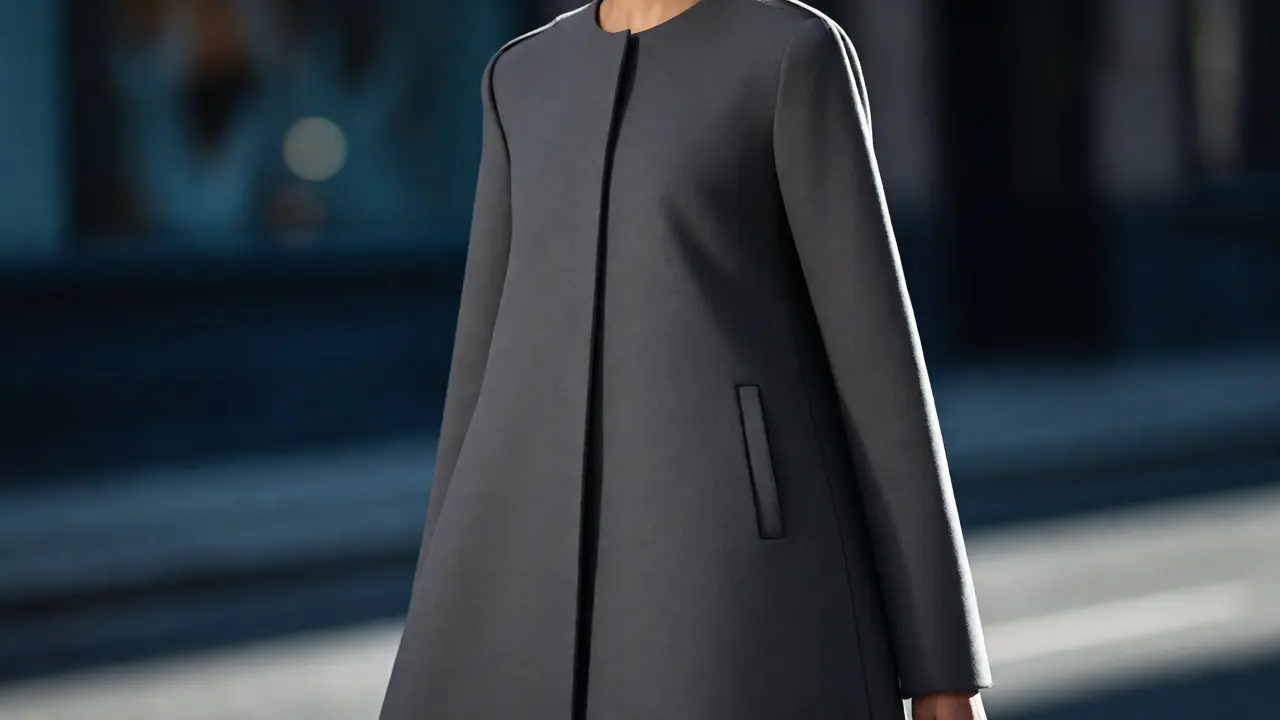
Go for coats that flare slightly at the bottom or have an A-line cut. An A-Line Coat starts fitted at the shoulders and gently widens toward the hem. This mimics the shape of your lower body but does so in a structured way that looks intentional, not accidental. It balances the visual weight of the hips by adding a bit of volume to the shoulders through padded epaulets or structured collars.
Dark colors on the bottom half help, too. If you’re wearing a lighter coat, keep your pants or skirt dark. But the coat itself should ideally be a solid color without large pockets placed directly on the hips. Patch pockets add bulk exactly where you don’t want it. Choose welt pockets (slit pockets) instead, which lie flat against the fabric.
Adding Curves to Rectangle Shapes: Creating Illusion
Rectangle or athletic body types lack a pronounced waist difference between bust and hips. You don’t necessarily want to hide your shape; you might want to create one. The trick is adding dimension at the top and bottom while defining the middle.
Peacoats are fantastic for this. Their double-breasted front creates visual interest across the chest, making the bust appear fuller. The short length (usually hitting mid-hip) breaks up the vertical line of a straight torso. To maximize effect, leave the bottom buttons undone. This allows the coat to flare out slightly, creating a subtle curve at the hips.
Another winner is the Bomber Jacket, provided it’s made of a structured material like leather or heavy wool, not flimsy nylon. The elasticated cuffs and hem create a defined boundary at the waist. Pair this with high-waisted trousers or skirts to further accentuate the illusion of a waistline. Avoid long, straight cardigans or open-front dusters that hang vertically; they’ll make you look like a column.
Softening Apple Shapes: Elongating the Torso
Apple shapes carry weight in the midsection with slimmer legs and arms. Bulky waistbands and tight belts feel restrictive and can dig in. You need length and vertical lines to draw the eye up and down, bypassing the middle.
Longline coats are your best friend. A Maxi Coat that hits below the knee creates a continuous vertical line, slimming the entire profile. Look for single-breasted options with deep V-necks. The V-neck opens up the chest area, preventing the "closed off" look that makes torsos appear shorter and wider.
Stay away from excessive detailing around the belly. Ruffles, large buttons, or horizontal stripes across the stomach will highlight what you’re trying to streamline. Instead, focus on interesting details at the collar or cuffs. A wide lapel draws attention to the face and shoulders, pulling the gaze upward away from the midsection.
Choosing the Right Fabrics and Details
Sometimes the shape is right, but the materials ruin it. Here is a quick breakdown of what works and what adds unnecessary bulk.
| Feature | Effect on Silhouette | Best For |
|---|---|---|
| Raglan Sleeves | Reduces shoulder bulk, allows layering | All shapes, especially those with broad shoulders |
| Princess Seams | Contours fabric to body, defines waist | Hourglass, Rectangle |
| Drop Shoulders | Adds width to upper body | Narrow shoulders (Pear) |
| Double-Breasted Front | Adds volume to chest/torso | Rectangle, Athletic |
| Single-Breasted Deep V | Elongates torso, reduces bulk | Apple, Petite |
Fabric choice is equally critical. Wool Melton is dense and warm but can be heavy. If you’re petite, opt for a lighter wool blend or cashmere mix. If you’re taller, you can handle the weight of traditional Melton. Synthetic blends with elastane offer stretch, which is crucial if you plan to wear thick sweaters underneath. A rigid coat with no give will pull awkwardly across the back when you move.
The Layering Trap: How to Wear It Without Adding Inches
The biggest mistake people make is treating their coat as the final layer after putting on a chunky cable-knit sweater. Outerwear is designed to fit over base layers, not parkas. If you’re buying a new coat, try it on with the thickest sweater you intend to wear regularly. If you can’t raise your arms comfortably, the coat is too small, regardless of how good it looks on the hanger.
To avoid bulk, use thinner, warmer fabrics underneath. Merino wool base layers provide incredible insulation without the thickness of cotton fleece. If you must wear a bulky sweater, choose a coat with a slightly looser fit in the arms and chest, but ensure the waist still fits reasonably well. Otherwise, you’ll look like you’re wearing a tent.
Also, consider the closure. Zipper fronts can sometimes pucker if the fabric is stiff. Button fronts are classic but require precise alignment. Snap closures are modern and sleek but can pop open if you’re carrying a bag. Test all closures before buying. A coat that gapes open at the chest or strains at the buttonholes adds visual noise and bulk.
Final Checklist Before You Buy
Next time you’re shopping for outerwear, run through this mental checklist:
- Check the shoulder seam: Does it sit on your actual shoulder bone? If it hangs off, it’s likely adding width unless you’re intentionally going for an oversized look.
- Assess the length: Where does it end relative to your widest point? Aim to end either above or below that point, never directly on it.
- Test the movement: Can you hug yourself? Can you reach into your back pocket? If not, return it.
- Look for vertical lines: Are there seams, zippers, or lapels that draw the eye up and down? Horizontal lines widen.
- Consider the hardware: Large, shiny buttons add weight. Matte, smaller buttons or hidden plackets create a cleaner, leaner line.
Remember, fashion rules are guidelines, not laws. If you love a boxy coat and it makes you feel confident, wear it. But if you’re looking to minimize bulk and enhance your natural silhouette, paying attention to these structural details will save you money and frustration. The perfect coat shouldn’t feel like armor; it should feel like an extension of your style, fitting so well you forget you’re wearing it.
Do oversized coats always look bulky?
Not necessarily. Oversized coats work well if they are structured and made of fluid fabrics. However, for many body shapes, true "oversized" means too much fabric pooling at the wrists and hem, which adds visual weight. If you like the look, ensure the shoulders fit correctly and the rest drapes cleanly without excessive bunching.
What is the best coat length for petite frames?
Petite individuals generally look best in coats that hit above the knee or exactly at the knee. Long coats can overwhelm a shorter frame, making you look like you're swimming in fabric. If you want a long coat, ensure it is narrow in cut and paired with pointed-toe shoes to continue the vertical line.
How do I know if my coat shoulders are too big?
The shoulder seam should align with the edge of your natural shoulder bone. If the seam falls significantly down your upper arm, the coat is too big in the shoulders. This causes the fabric to collapse inward, creating wrinkles across the chest and making the garment look ill-fitting and bulky.
Are double-breasted coats better than single-breasted?
It depends on your goal. Double-breasted coats add volume to the chest and torso, which can balance narrow shoulders or create curves for rectangle shapes. Single-breasted coats offer a cleaner, more streamlined look, ideal for apple shapes or anyone wanting to minimize bulk. Neither is inherently "better," just different tools for different silhouettes.
Can I alter a coat that is too bulky?
Yes, but it’s expensive and complex. Taking in the sides is possible if there is enough fabric allowance. Shortening the length is easier. However, altering the shoulder seam is difficult and often costs nearly as much as the coat itself. It’s usually better to buy the right size initially.


Write a comment