

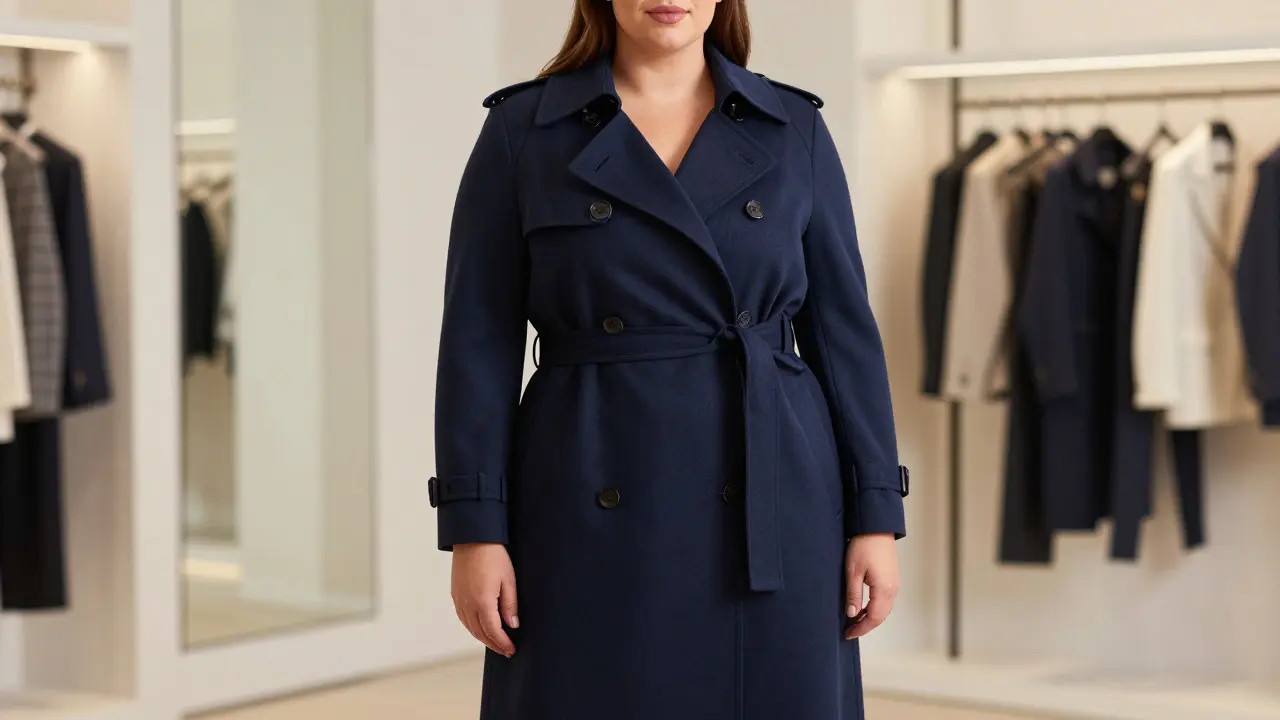
Walking into a store or scrolling through an online shop to find a coat that actually fits is often less about finding your size and more about hunting for a garment that respects your body’s geometry. For decades, the fashion industry operated on a simple, flawed logic: take a sample size jacket and stretch it wider. The result? Sleeves that hang past your fingertips, shoulders that slide down your arms, and hems that pool around your ankles. This isn’t just an inconvenience; it’s a design failure that leaves millions of shoppers feeling invisible.
The shift toward inclusive fashion has changed the conversation, but the real revolution lies in true proportions. This means understanding that a larger body isn’t just a scaled-up version of a smaller one. It requires specific cuts, adjusted armholes, reinforced seams, and fabrics that drape rather than cling. If you are tired of looking like you’re wearing a sleeping bag, here is how to navigate the world of extended-size outerwear to find pieces that look sharp, feel comfortable, and last.
Why Standard Plus-Size Outerwear Often Fails
To fix the problem, we first need to understand why most off-the-rack options miss the mark. The issue usually stems from "grade rule" errors in pattern making. When designers create a base pattern, they apply mathematical increments to increase the size. However, many brands use linear grading, which adds width evenly across the entire garment. This ignores the fact that human bodies change shape as they grow larger.
Consider the shoulder seam. On a size 4, the shoulder might be narrow. On a size 20, simply widening the chest without adjusting the shoulder slope results in a garment that collapses off the shoulder bone. Similarly, sleeve length doesn’t always correlate directly with chest circumference. A person with a larger torso might have average-length arms, yet standard plus-size jackets often come with excessively long sleeves because the grading rule assumes a proportional increase in height and limb length. This leads to the dreaded "muffin top" effect at the waist or bunching fabric at the wrists.
Another critical factor is the armhole depth. In poorly designed extended-size coats, the armhole is cut too low to accommodate a larger bust or chest. This forces the entire jacket to ride up when you lift your arms, exposing your midsection. Conversely, if the armhole is too tight, it restricts movement and pulls the fabric taut across the back, creating unflattering horizontal lines. True proportionate design raises the armhole and widens it slightly, allowing for mobility without sacrificing structure.
Key Features of True Proportion Design
When shopping for outerwear, look for specific design elements that signal a brand understands body mechanics. These aren't just marketing buzzwords; they are structural necessities for a good fit.
- Extended Sleeve Lengths: Look for brands that offer "long" or "tall" options within their extended sizes. Even better, seek out jackets with adjustable cuffs or those designed with extra fabric allowance for alterations.
- Structured Shoulders: A soft, unlined shoulder can sag under the weight of heavy fabrics. Look for internal lining, light interfacing, or padded shoulders that sit exactly on your natural shoulder bone. This creates a clean silhouette and prevents the jacket from sliding.
- Raised Armholes: As mentioned, high armholes are crucial. They keep the jacket anchored to your body. Check this by raising your arms while trying on a coat; if the hem lifts significantly, the armhole is too low.
- Strategic Seaming: Flat-felled seams or double-stitched hems are not just aesthetic choices. They add durability. Extended-size garments undergo more stress at stress points like pockets and zippers. Reinforced stitching ensures the coat lasts beyond a single season.
- Proper Hem Placement: A coat should end at a flattering point relative to your height, not just your hip measurement. Many extended-size brands now offer different lengths (short, regular, long) to match various torso-to-leg ratios.
Fabric Matters More Than You Think
The material of your coat plays a huge role in how it fits and feels. Thin, flimsy fabrics tend to cling to every curve and crease, highlighting areas you might want to smooth over. Heavy, stiff fabrics can add bulk and make you look wider than you are. The sweet spot lies in medium-weight fabrics with some "drape" or fluidity.
Wool blends are excellent for winter coats because they hold their shape well without being rigid. Look for a blend that includes a small percentage of synthetic fiber like polyester or nylon; this adds resilience and helps the coat bounce back after wear. For lighter jackets, twill cotton or gabardine offers structure without stiffness. Avoid thin jersey knits for outerwear unless they are heavily lined, as they lack the architectural support needed for a polished look.
Lining is another hidden hero. A fully lined coat slides on and off easily, preventing friction against delicate inner layers. It also adds weight to the garment, helping it hang straight. Unlined coats may feel lighter, but they often twist or skew during wear, especially if the fabric is slippery. Always check the lining material; breathable linings like Bemberg or viscose prevent overheating, while satin linings add a touch of luxury and ease of movement.
Top Brands Getting It Right
Finding brands that prioritize true proportions is easier now than ever before, thanks to consumer demand and niche market growth. Here are a few that consistently deliver on fit and quality.
| Brand | Specialty | Price Range | Best For |
|---|---|---|---|
| Universal Standard | Trendy, structured cuts | $100 - $300 | Office wear, modern styles |
| Eileen Fisher | Minimalist, organic fabrics | $200 - $500 | Comfort, timeless elegance |
| Torrid | Affordable, youthful styles | $50 - $150 | Casual wear, budget-friendly |
| ASOS Curve | Wide variety, fast fashion | $40 - $120 | Trend experimentation |
| Land's End | Durable, classic outerwear | $80 - $250 | Heavy-duty winter coats |
Universal Standard has gained a reputation for designing clothes that actually fit diverse body shapes, not just sizes. Their patterns are created using data from thousands of body scans, ensuring that proportions align with real people. Eileen Fisher focuses on comfort and sustainability, offering loose, flowing silhouettes that don’t rely on tight tailoring to look good. For those on a budget, Torrid provides trendy options with consistent sizing, though the quality may vary compared to higher-end brands.
Online Shopping Hacks for Better Fit
Buying outerwear online is risky when fit is uncertain. To minimize returns, follow these steps:
- Know Your Measurements: Don’t rely on your usual size. Measure your chest, waist, hips, and shoulder width. Compare these numbers to the brand’s specific size chart, not a generic one.
- Read Reviews with Photos: Look for reviews from people who mention their height and weight. A review saying "fits true to size" is less helpful than one saying "I’m 5’9", 200 lbs, and the sleeves were perfect."
- Check Return Policies: Ensure the retailer offers free returns or exchanges. Some brands charge restocking fees, which can eat into your budget if you need to try multiple sizes.
- Look for "Tall" Options: If you are over 5’9", standard lengths will likely be too short. Many brands offer "Tall" versions that add length to the torso and sleeves without increasing the width.
The Role of Tailoring in Extended Size Fashion
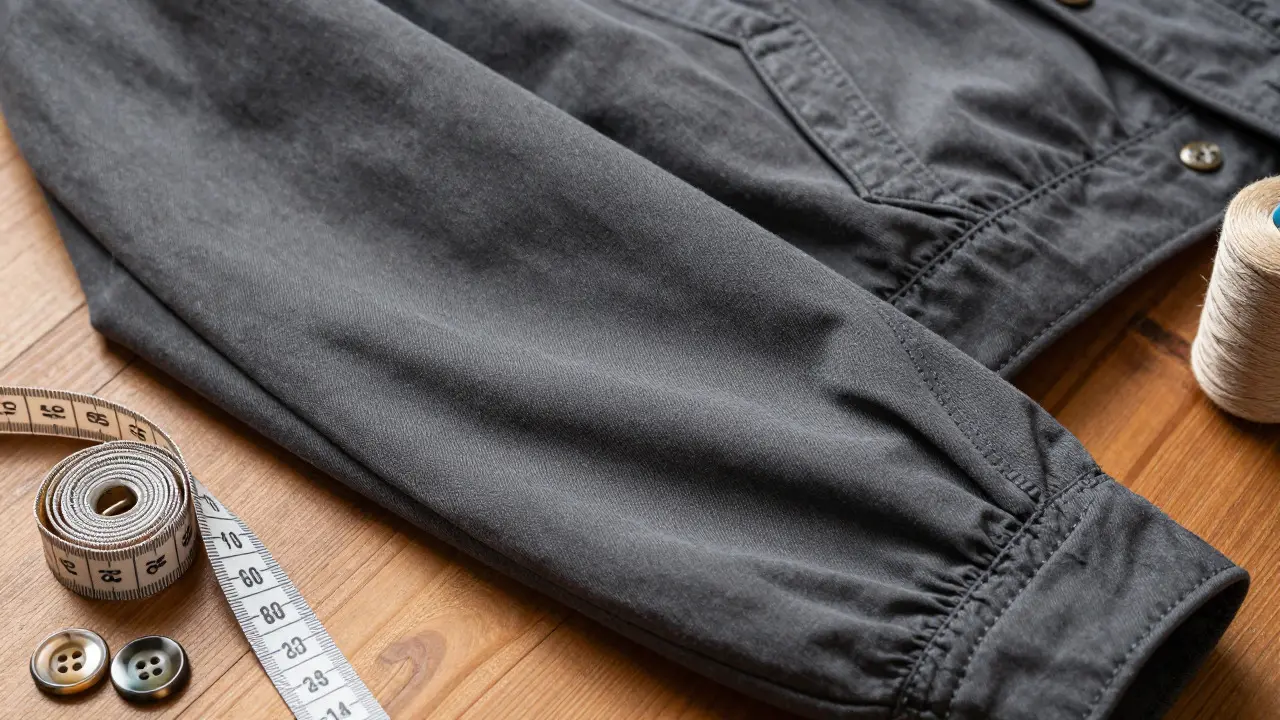
Even the best-designed mass-market garment may need minor adjustments. Tailoring is not just for bespoke suits; it’s a practical tool for extending the life and fit of your wardrobe. Simple tweaks like taking in the waist, shortening sleeves, or narrowing shoulders can transform a mediocre coat into a perfect fit.
However, be cautious with complex alterations. Resizing a jacket down two sizes can distort its proportions, especially if the padding or lining doesn’t adjust accordingly. It’s generally safer to buy a size that fits your largest measurement (usually the chest or shoulders) and tailor the rest. For example, if the shoulders fit perfectly but the waist is too loose, a tailor can easily cinch the sides. But if the shoulders are too wide, altering them is expensive and often ineffective.
Sustainability and Ethical Considerations
As consumers become more aware of environmental impact, choosing sustainable extended-size outerwear is important. Fast fashion brands often produce poor-quality items that end up in landfills quickly. Investing in durable, ethically made coats reduces waste and supports fair labor practices.
Look for certifications like GOTS (Global Organic Textile Standard) or Fair Trade Certified. These labels ensure that the materials are sourced responsibly and workers are paid fairly. Brands like Pact and Kotn are expanding their size ranges, offering eco-friendly options that don’t compromise on fit or style.

Building a Versatile Outerwear Wardrobe
You don’t need ten different coats to look stylish. Focus on three key pieces:
- A Classic Trench Coat: Choose a beige or navy trench that hits mid-calf. It works for rain, wind, and formal occasions.
- A Structured Blazer: Opt for a wool-blend blazer with padded shoulders. Layer it over dresses or jeans for a polished look.
- A Heavy Winter Parka: Invest in a down-filled parka with a fur-trimmed hood (real or faux). Look for water-resistant fabric and secure closures.
These three items cover most weather conditions and style needs. Stick to neutral colors like black, gray, navy, and camel to maximize mix-and-match potential. Add texture through knit scarves or leather gloves instead of buying multiple colorful coats.
Common Mistakes to Avoid
Even with the right information, shoppers often fall into traps. Avoid these common pitfalls:
- Ignoring Fabric Content: Don’t assume all "wool" coats are equal. Check the percentage. A 10% wool blend behaves very differently from 100% wool.
- Skipping the Try-On: If possible, always try on outerwear. Screens distort color and fit. What looks slimming online might box you in reality.
- Chasing Trends Blindly: Oversized trends can work, but only if the proportions are intentional. An ill-fitting oversized jacket looks sloppy, not chic.
Future of Inclusive Outerwear
The industry is slowly moving toward greater inclusivity. Technology like 3D body scanning allows brands to create digital avatars for testing designs before production. This reduces waste and improves accuracy. Additionally, direct-to-consumer brands are listening to customer feedback more closely, iterating on designs based on real-world usage.
We are also seeing more representation in marketing. Seeing models of diverse sizes wearing clothes helps shoppers visualize how garments might look on them. This psychological boost encourages confidence and reduces hesitation in purchasing.
Conclusion: Confidence Starts with Fit
Finding the right outerwear isn’t just about staying warm; it’s about feeling confident and respected. True proportions acknowledge that bodies vary widely and deserve thoughtful design. By understanding what to look for-raised armholes, structured shoulders, appropriate fabrics-you can navigate the market with clarity. Support brands that get it right, don’t shy away from tailoring, and invest in quality pieces that serve you well for years to come. Your wardrobe should reflect your style, not fight your shape.
What does "true proportions" mean in fashion?
True proportions refer to clothing designed with specific measurements for different body parts, rather than just scaling up a small size. This includes adjusting sleeve length, shoulder width, and armhole depth to match the actual anatomy of larger bodies.
How do I know if a coat is too big in the shoulders?
If the shoulder seam extends past your natural shoulder bone onto your upper arm, the coat is too big. This causes the garment to slide down and look sloppy. The seam should sit right where your shoulder ends.
Are extended size coats more expensive?
Not necessarily. While some premium brands charge more for extended sizes due to lower economies of scale, many mainstream retailers now price extended sizes the same as standard sizes. Budget brands like Torrid offer affordable options.
Can I tailor a coat that is too large?
Yes, but with limits. You can easily take in the waist, shorten sleeves, or taper the legs. However, resizing a coat down more than two sizes can distort the shape, especially if it has padding or lining. It’s best to buy the correct shoulder size and tailor the rest.
What fabric is best for a plus-size winter coat?
Wool blends are ideal because they provide warmth and structure without adding excessive bulk. Look for medium-weight fabrics with some drape. Avoid thin, clingy materials that highlight every contour, and very stiff fabrics that add volume.
Do extended size brands offer long sleeve options?
Many do. Brands like Universal Standard and Eileen Fisher offer "Tall" or "Long" variations that extend sleeve and torso length. Always check the product details for available lengths before purchasing.
Is it better to buy online or in-store for extended size outerwear?
In-store is preferable for initial purchases to assess fit and fabric. However, online shopping offers a wider selection. Use detailed size charts, customer reviews with photos, and free return policies to mitigate the risks of buying online.
What are the signs of poor quality in extended size coats?
Look for loose threads, uneven stitching, weak zippers, and thin lining. Poorly aligned patterns (like stripes or checks) at the seams also indicate low-quality construction. Reinforced stress points like pocket corners are a sign of better durability.
How do I layer under a fitted extended size coat?
Choose thin, warm layers like merino wool sweaters or thermal tops. Avoid bulky fleece or thick puffer vests underneath, as they can create bulk and restrict movement. Ensure the coat has enough room in the chest and arms to accommodate your layers comfortably.
Are there sustainable options for plus-size outerwear?
Yes, brands like Pact, Kotn, and Eileen Fisher offer sustainable extended size options. Look for organic cotton, recycled polyester, and ethical manufacturing certifications. Buying fewer, higher-quality pieces also contributes to sustainability.