

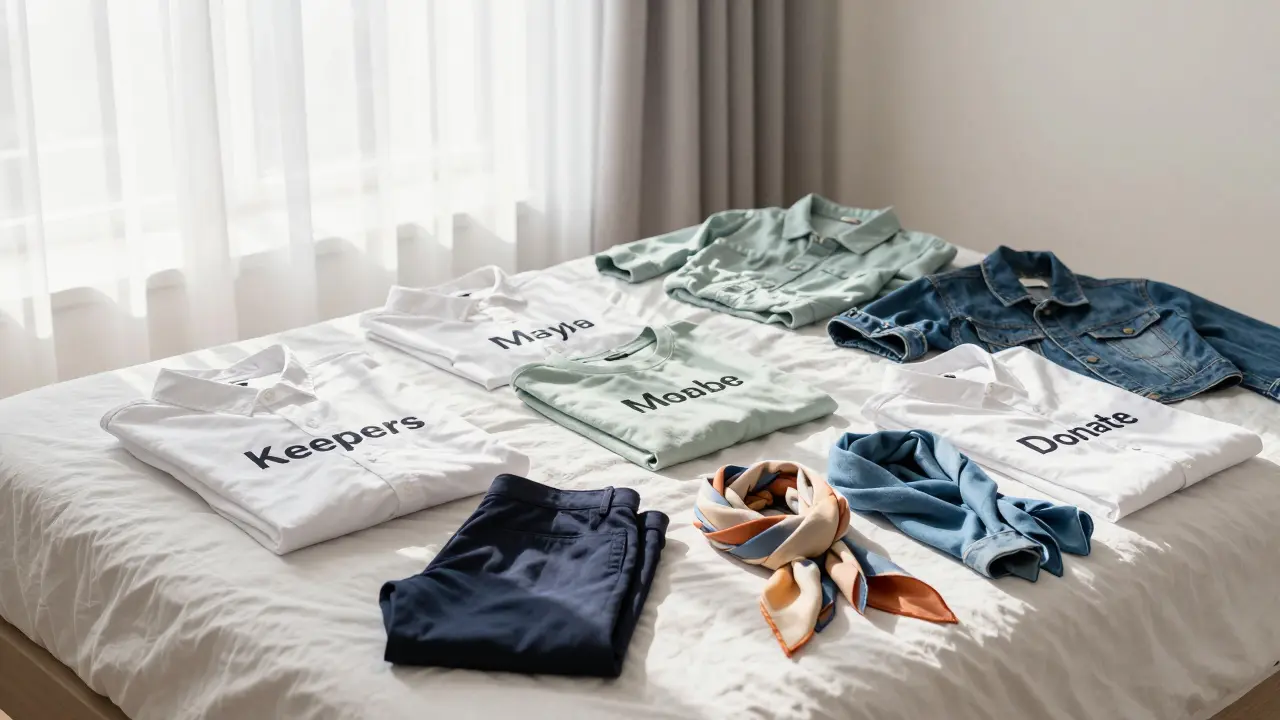
Ever stared at a closet full of clothes and thought, 'I have nothing to wear'? You are not alone. Most people own hundreds of items but only rotate through a tiny fraction of them. The rest gathers dust, taking up space and draining your mental energy every morning. An outfit planning calendar changes that dynamic completely. It turns chaos into a system where every piece gets its moment in the sun.
This isn't about becoming a robot who wears the same thing on repeat. It is about intentionality. By mapping out your looks weeks or even months in advance, you stop wasting time deciding what to put on and start actually enjoying your clothes. You also stop buying things you don't need because you finally see what you already own.
Key Takeaways
- An outfit planning calendar prevents decision fatigue and ensures every garment gets worn.
- Start by auditing your current wardrobe to identify gaps and overused items.
- Use a simple grid system (digital or analog) to map outfits against your weekly schedule.
- Factor in weather forecasts and specific events to keep plans realistic.
- This method supports sustainable fashion by reducing impulse buys and extending clothing life.
Why Your Brain Needs an Outfit Plan
We make hundreds of decisions every day. From what email to answer first to what lunch to order, our cognitive load is high. Choosing an outfit adds unnecessary friction to your morning routine. When you leave this choice to chance, you often default to safe, boring options or end up wearing something you regret later.
An outfit planning calendar removes the guesswork. It acts as a visual inventory of your style. When you lay out your week on paper or screen, you spot patterns. Maybe you realize you never wear that blue blazer because it clashes with your favorite jeans. Or perhaps you see that three white shirts look identical in practice. These insights help you shop smarter and dress better.
Think of it like meal prepping. You wouldn't wake up hungry and hope the fridge has ingredients for a good dinner. You plan meals so you eat well and waste less food. Clothing works the same way. Planning your looks ensures you look polished without the stress.
Step 1: The Honest Wardrobe Audit
Before you can plan, you need to know what you are working with. Pull everything out of your closet. Yes, everything. Lay it on your bed or floor. This step feels overwhelming, but it is necessary.
Categorize your items into three piles:
- The Keepers: Items you love, fit well, and wear regularly.
- The Maybe Pile: Things you hesitate on. Ask yourself: "Have I worn this in the last year?" If no, move it to the donate pile.
- The Donate/Sell Pile: Clothes that don't fit, are damaged beyond repair, or simply no longer reflect your style.
Once you have your "Keepers," organize them by type (tops, bottoms, dresses, outerwear). Take photos of each item if you want to create a digital catalog. Apps like Cladwell or Stylebook help here, but a simple folder on your phone works too. Knowing exactly what you own is the foundation of any effective scheduling system.

Step 2: Choose Your Calendar Format
You do not need expensive software to start. Pick a format that fits your lifestyle.
| Method | Pros | Cons |
|---|---|---|
| Paper/Whiteboard | Tactile, easy to rearrange, no screen time | Hard to update, takes physical space |
| Digital Spreadsheet | Flexible, searchable, free | Can feel clunky, requires manual entry |
| Dedicated App | Weather integration, analytics, photo library | Subscription costs, learning curve |
If you are visual, a large wall calendar with printed photos of outfits works wonders. Pin them up and swap them out as needed. For those who live on their phones, a spreadsheet with columns for Monday through Sunday allows you to drag and drop ideas. Dedicated apps offer more features, such as tracking how often you wear an item, which helps justify future purchases.
Step 3: Map Out Your Week
Now comes the fun part: creating looks. Start with your fixed commitments. Do you have a client meeting on Tuesday? A casual brunch on Saturday? Block these days first. Then fill in the blanks based on your general routine.
Consider the following factors when building each look:
- Weather Forecast: Check the seven-day forecast. If rain is expected Thursday, swap sandals for waterproof boots.
- Laundry Cycle: Don't plan to wear your only pair of clean black pants on back-to-back days unless you have a backup.
- Versatility: Aim for pieces that mix and match. A neutral cardigan can work with a skirt one day and jeans the next.
Try to build a "uniform" for yourself. This doesn't mean wearing the exact same thing daily, but sticking to a consistent color palette and silhouette reduces friction. If you know your navy trousers go with almost everything, they become a reliable anchor in your calendar.
Maximizing Use Through Rotation
The goal of an outfit planning calendar is not just convenience; it is efficiency. Many people fall into the trap of wearing their favorites until they wear out while other items sit untouched. Scheduling forces rotation.
Set a rule: No outfit repeats within a two-week period. This constraint pushes you to experiment. Pair that rarely-worn silk blouse with your rugged denim jacket. Combine the bright scarf you bought on vacation with your basic gray sweater. You might discover new combinations that become staples.
This approach also highlights gaps in your wardrobe. If you cannot find a suitable top for three different bottoms, you know exactly what to buy next. Instead of browsing aimlessly online, you go shopping with a specific list. This saves money and reduces clutter.

Sustainability and Mindful Consumption
Fashion is one of the most polluting industries in the world. Fast fashion encourages disposable culture-buy cheap, wear once, throw away. An outfit planning calendar fights this narrative.
When you visualize your entire wardrobe, you appreciate the value of each piece. You are less likely to buy a trendy item that will only be worn twice. Instead, you invest in quality basics that integrate seamlessly into your planned rotations. This mindset shift aligns with sustainable fashion principles, promoting longevity and reduced waste.
By maximizing the use of what you already own, you lower your carbon footprint. Every time you choose to wear an existing item instead of buying a new one, you make an eco-friendly choice. Over a year, this adds up significantly.
Troubleshooting Common Pitfalls
Even the best systems face challenges. Here is how to handle common issues:
"I ran out of clean clothes." This happens when laundry schedules clash with outfit plans. Keep a buffer of five to seven versatile items that are always clean and ready to go. Alternatively, wash smaller loads more frequently rather than waiting for a huge pile-up.
"My plans feel rigid." Life is unpredictable. Treat your calendar as a guide, not a law. If you spill coffee on your shirt, have a backup option noted in the margins. Flexibility keeps the system from feeling like a chore.
"Seasonal transitions are hard." As weather changes, your wardrobe needs adjust. Dedicate time each season to re-audit and re-plan. Swap heavy coats for light layers and update your color palette to reflect the new season.
Next Steps for Beginners
Start small. Do not try to plan an entire month right away. Begin with one week. See how it feels. Adjust as needed. Once you are comfortable, expand to two weeks, then a month.
Engage with your community. Share your outfit plans on social media or with friends. Getting feedback can provide fresh perspectives and inspiration. You might find that others struggle with similar items and can suggest creative ways to style them.
Remember, the goal is freedom. Freedom from decision fatigue, freedom from clutter, and freedom to express your style confidently. An outfit planning calendar is a tool that gives you control over your mornings and your wardrobe.
How often should I update my outfit planning calendar?
Ideally, review and update your calendar weekly. This allows you to account for changing weather, upcoming events, and laundry cycles. A monthly deep-dive helps with seasonal transitions and long-term shopping lists.
What if I don't have enough clothes to plan a full week?
This is a sign to build a capsule wardrobe. Focus on versatile basics that mix and match easily. You may need to purchase a few key items to fill gaps, but prioritize quality over quantity. Aim for 30-40 items that work together seamlessly.
Are there free apps for outfit planning?
Yes, several apps offer free versions with limited features. Acloset and Whering are popular choices. However, a simple spreadsheet or notebook is often sufficient and completely free.
Can outfit planning help save money?
Absolutely. By identifying exactly what you need before shopping, you avoid impulse buys. You also get more wear out of each item, reducing the frequency of replacements. This leads to significant savings over time.
Is this method suitable for formal work environments?
Yes, it is especially helpful for professional settings. You can ensure you always have appropriate attire for meetings and presentations. It also helps maintain a consistent professional image by avoiding repetitive or inappropriate combinations.