

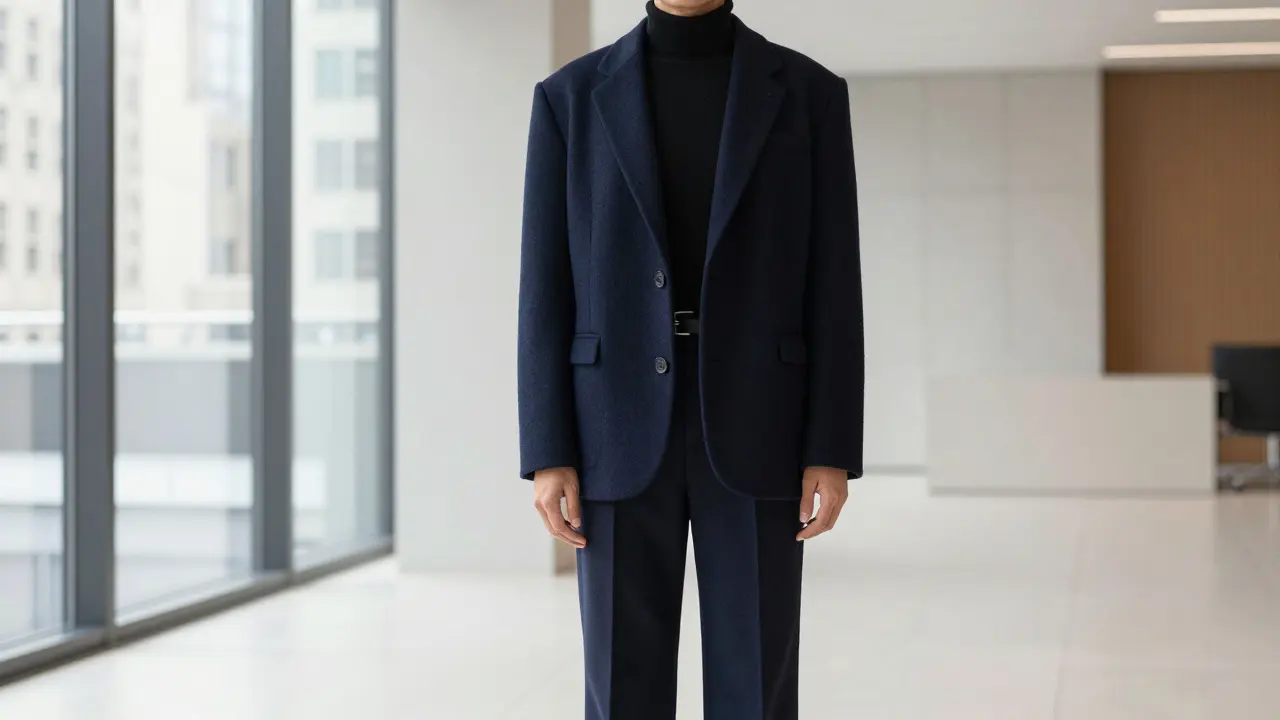
Wearing oversized clothes doesn’t mean you look like you stole your boyfriend’s hoodie. It means you’ve mastered the art of volume without chaos. Too many people think big = sloppy, but that’s not true. The difference between looking intentional and looking lost in fabric comes down to one thing: precision.
Start with Structure, Not Just Size
Oversized pieces aren’t just bigger versions of regular clothes-they’re sculpted shapes. A baggy blazer isn’t just wide; it has structure at the shoulders. Loose pants aren’t just long; they taper slightly at the ankle. Look for pieces that have internal architecture: padded shoulders, defined waistlines, or subtle darts. These details keep the silhouette from collapsing.Take a classic oversized trench coat. If it’s cut like a sack, it’ll swallow you. But if it has a belted waist or a slightly nipped-in back, it creates a shape. That’s the trick: you want volume, but you also want to show where your body ends and the garment begins.
Balance Is Everything
The golden rule? If it’s big on top, keep it tight on bottom. If it’s wide on the bottom, keep the top fitted. This isn’t about hiding your shape-it’s about guiding the eye. Think of it like a seesaw. One side goes up, the other comes down.Try this: an oversized wool sweater with high-waisted, slim-fit jeans. The sweater drapes softly, but the jeans anchor you. Or pair a voluminous puff-sleeve top with tailored straight-leg trousers. The sleeves draw attention upward, and the trousers pull everything back to earth.
For skirts and dresses, a full, oversized silhouette works best with a fitted top underneath. A slip dress under a huge knit cardigan? Perfect. A boxy shirt over a pencil skirt? Even better. The contrast creates rhythm.
Fit Matters More Than Size
Just because something says “oversized” doesn’t mean it should hang off your shoulders like a tent. The shoulders are your anchor point. If the sleeve seam falls past your natural shoulder line by more than two inches, you’re risking looking sloppy.Try this test: put on the piece. Raise your arms. If the fabric pulls or bunches at the armpits, it’s too big. If it hangs straight without tension, it’s just right. The goal isn’t to disappear into your clothes-it’s to let them frame you.
When shopping, look for terms like “relaxed fit” or “semi-oversized.” These are often better than “extra large” or “XXL.” The former suggests design intention. The latter suggests the brand ran out of medium sizes.
Layering with Purpose
Layering oversized pieces is where most people fail. Two big items on top of each other? That’s a cloud, not a look.Instead, layer with contrast. Wear a fitted turtleneck under an oversized coat. Put a cropped denim jacket over a slouchy sweater. Let one layer be the star, and the other be the support.
Try this combo: a longline oversized blazer over a fitted turtleneck and slim trousers. Add a thin belt at the natural waist to break up the volume. It looks expensive, intentional, and totally modern.
Accessories help too. A chunky chain necklace draws the eye to your neckline and prevents the top from swallowing your face. A structured bag-like a boxy top-handle or a small satchel-adds contrast to the softness of oversized clothing.
Footwear Anchors the Look
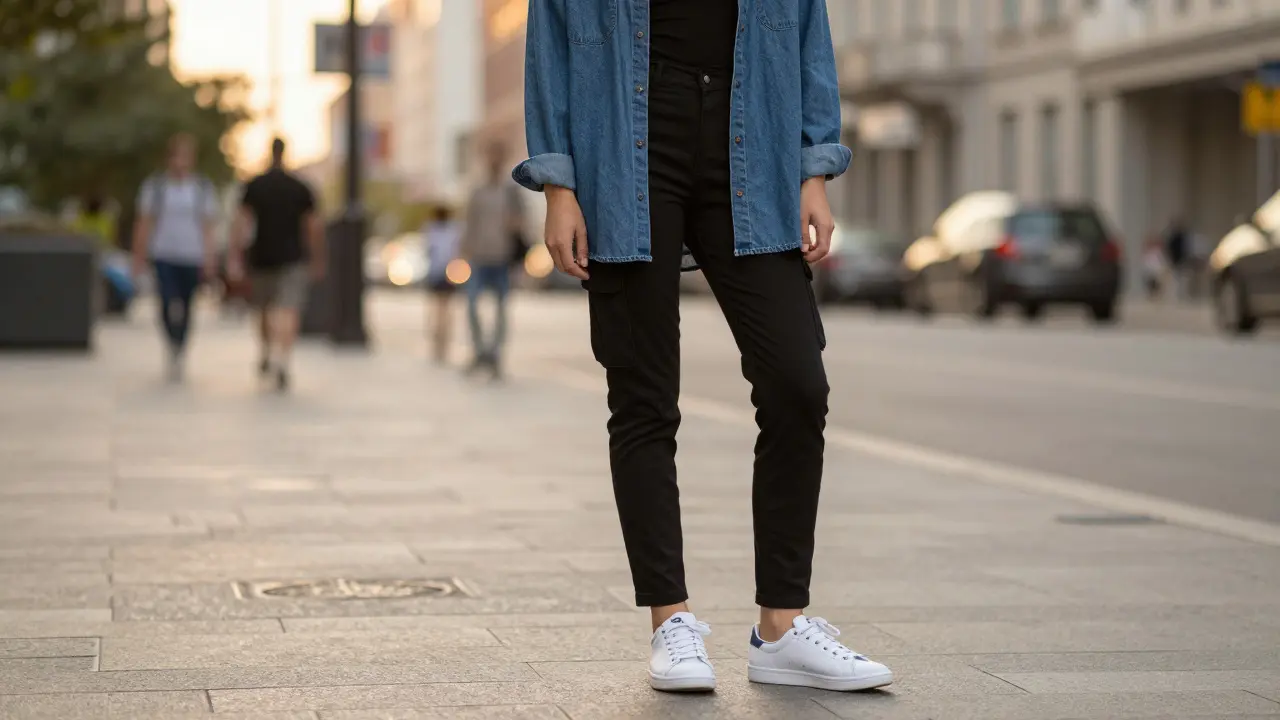
Your shoes are the foundation. If your pants are wide and flowing, your shoes need to ground you. Sneakers? Go for clean, minimal styles-think Stan Smiths or New Balance 550s. Boots? Pick ones with a defined heel and narrow shaft. Avoid chunky, bulky shoes unless they’re part of a deliberate streetwear look.For dresses or skirts, ankle boots with a slight heel work best. They create a visual line that stops the eye from floating away. If you’re wearing wide-leg pants, make sure your shoes peek out just enough to give your legs a sense of direction.
Flat loafers? Great. But only if they’re sleek. Platform sneakers? Fine, if they’re not wider than your hips.
Color and Texture Do the Heavy Lifting
Big shapes are easier to control when you use color and texture to your advantage. Dark colors shrink. Light colors expand. So if you’re wearing a huge coat, make it black, navy, or charcoal. It’ll look intentional, not overwhelming.Texture adds depth. A chunky knit sweater looks more structured than a smooth, flowy one. A wool coat with a subtle herringbone pattern holds its shape better than a plain cotton version. Use texture to give your oversized pieces character.
Monochrome looks are your friend. Wearing the same color from head to toe-even if the pieces are oversized-creates a long, continuous line. It tricks the eye into seeing height and slenderness, not bulk.
Know When to Stop
There’s a limit. Wearing an oversized coat, oversized pants, oversized shoes, and an oversized bag? That’s not fashion. That’s a laundry pile with legs.Stick to one oversized item per outfit. That’s the rule. One. Maybe two if they’re balanced perfectly-like a slightly loose top with wide-leg trousers. But never three. Never.
And if you’re unsure? Take a photo. Step back. Look at it like a stranger would. If you can’t tell where your body ends and the clothes begin, simplify.
Real Examples, Real Results
Here’s what works in New York, in 2025:- Office look: Oversized blazer + fitted turtleneck + straight-leg wool trousers + pointed-toe loafers
- Weekend look: Oversized denim shirt (worn open) + fitted tank + slim cargo pants + white sneakers
- Night out: Oversized silk slip dress + fitted cropped leather jacket + ankle boots
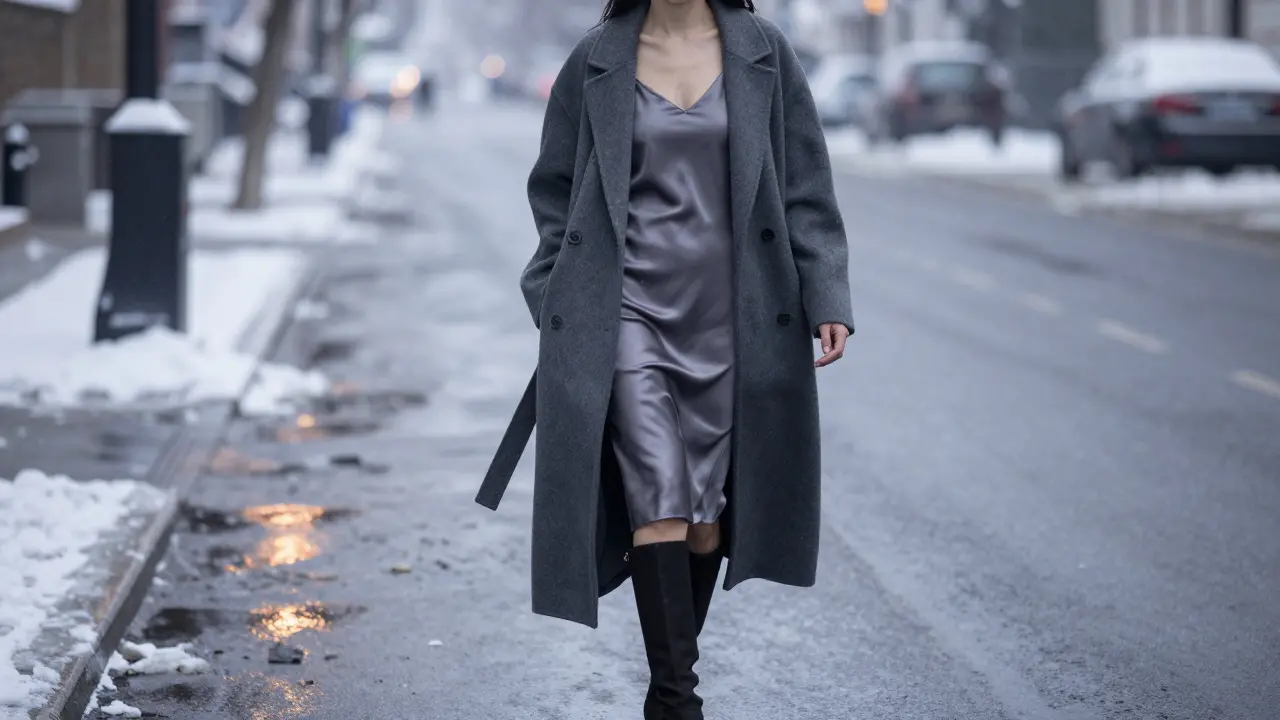
- Winter staple: Oversized wool coat + turtleneck + wide-leg jeans + knee-high boots
Each of these uses one oversized piece. Each one is grounded. Each one looks like you put thought into it-not just grabbed the biggest thing on the rack.
What Not to Do
Avoid these mistakes:- Wearing oversized tops with oversized bottoms (unless you’re going for a very specific, high-fashion look)
- Letting sleeves hang past your knuckles unless it’s intentional
- Choosing oversized pieces that are too thin-they’ll cling and look sloppy
- Wearing oversized clothes that are stained, wrinkled, or ill-fitting in the shoulders
These aren’t fashion crimes. They’re just missed opportunities. Oversized clothing is powerful. But power without control is noise.
Final Thought: Confidence Is the Final Accessory
Oversized clothes demand presence. They don’t hide you-they amplify you. When you wear them with precision, you’re not just dressed. You’re composed.It’s not about being big. It’s about being bold. And boldness doesn’t come from size. It comes from knowing exactly where the lines are-and where to draw them.
Can anyone wear oversized clothing, no matter their body type?
Yes. Oversized clothing isn’t about hiding your shape-it’s about balancing volume. If you’re petite, stick to one oversized piece and pair it with fitted items. If you’re curvy, look for pieces with structure in the shoulders or waist. The key is contrast, not coverage. Everyone can wear oversized clothes if they use balance as their guide.
What fabrics work best for oversized clothes?
Thicker, structured fabrics hold shape better. Wool, heavy cotton, tweed, and structured knits are ideal. Avoid flimsy materials like thin rayon or cheap polyester-they’ll cling, sag, or look messy. If you love lightweight fabrics, layer them over something fitted to add definition.
How do I know if an oversized piece is well-made?
Check the shoulders. The seams should sit at or just slightly past your natural shoulder line. Look for clean stitching, lined interiors, and weight that feels substantial-not cheap. A good oversized piece doesn’t feel like it’s falling apart-it feels like it’s holding you together.
Can oversized clothes be professional?
Absolutely. Think of the classic oversized blazer worn with tailored pants or a pencil skirt. Many fashion-forward offices in New York, London, and Tokyo embrace this look. The key is tailoring the rest of the outfit. Pair it with crisp shirts, minimal accessories, and polished shoes. It’s not about being casual-it’s about being intentional.
What’s the easiest oversized outfit to start with?
Start with an oversized button-down shirt worn as a jacket over a fitted turtleneck and straight-leg jeans. It’s simple, versatile, and instantly modern. You can wear it to work, coffee, or a casual date. It’s the gateway look that teaches you how to balance volume without losing your shape.


Write a comment