

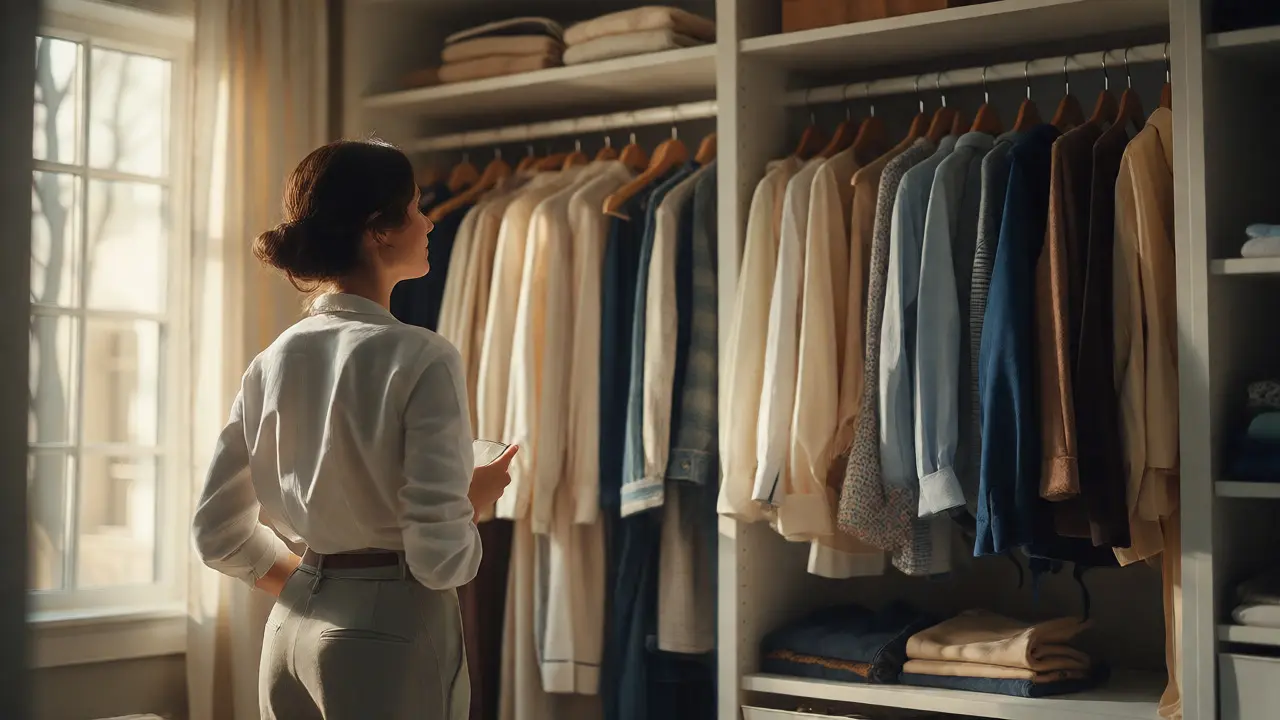
You know that feeling when you stand in front of a full closet, yet feel like you have absolutely nothing to wear? It’s not a lack of clothes. It’s a lack of clarity. Most people buy items they love individually, but those items clash violently when combined because there is no underlying logic holding them together. This is where Personal Style Archetypes come into play. These are not rigid boxes that trap you; they are compasses that help you navigate the overwhelming world of fashion by giving your wardrobe a coherent narrative.
Think of style archetypes as character roles in the movie of your life. If you try to be every character at once-rebel, princess, athlete, and executive-you end up with a costume trunk, not a wardrobe. By identifying your primary and secondary archetypes, you can stop buying random trends and start curating pieces that actually work for your lifestyle and personality. This approach saves money, reduces decision fatigue, and makes getting dressed an act of self-expression rather than a morning struggle.
Why You Need a Style Persona
Without a defined persona, shopping becomes reactive. You see a dress on Instagram, buy it, and then realize it doesn’t fit your job or your weekend vibe. A Style Persona acts as a filter. It answers the question: "Does this piece belong in my story?" before you even reach for your credit card. This shift from impulse buying to intentional curation is the difference between owning a pile of fabric and owning a uniform that empowers you.
Moreover, style archetypes help you understand why certain colors, fabrics, and silhouettes make you feel confident while others make you feel like an imposter. It’s not just about body type; it’s about energy. The 'Classic' archetype feels grounded in structured wool and neutral tones, while the 'Creative' archetype might feel stifled by them, thriving instead in bold prints and unconventional cuts. Recognizing this energy match prevents you from forcing yourself into trends that look good on models but feel wrong on you.
The Core Personal Style Archetypes
While different stylists use slightly different names, most systems revolve around these fundamental energies. You likely embody a blend of two or three. Here is how they typically break down:
| Archetype | Core Vibe | Key Wardrobe Staples | Best For |
|---|---|---|---|
| The Classic | Timeless, polished, reliable | Trench coats, blazers, loafers, white shirts | Corporate environments, traditional settings |
| The Romantic | Feminine, soft, detailed | Floral prints, lace, ruffles, silk blouses | Date nights, creative industries, social events |
| The Natural | Comfortable, practical, effortless | Denim, linen, knitwear, sneakers | Weekends, travel, casual workplaces |
| The Dramatic | Bold, sharp, high-contrast | Statement jewelry, tailored suits, monochrome | Leadership roles, artistic fields, evening wear |
| The Creative | Eccentric, colorful, unique | Mixing patterns, vintage finds, layered looks | Startups, design firms, expressive communities |
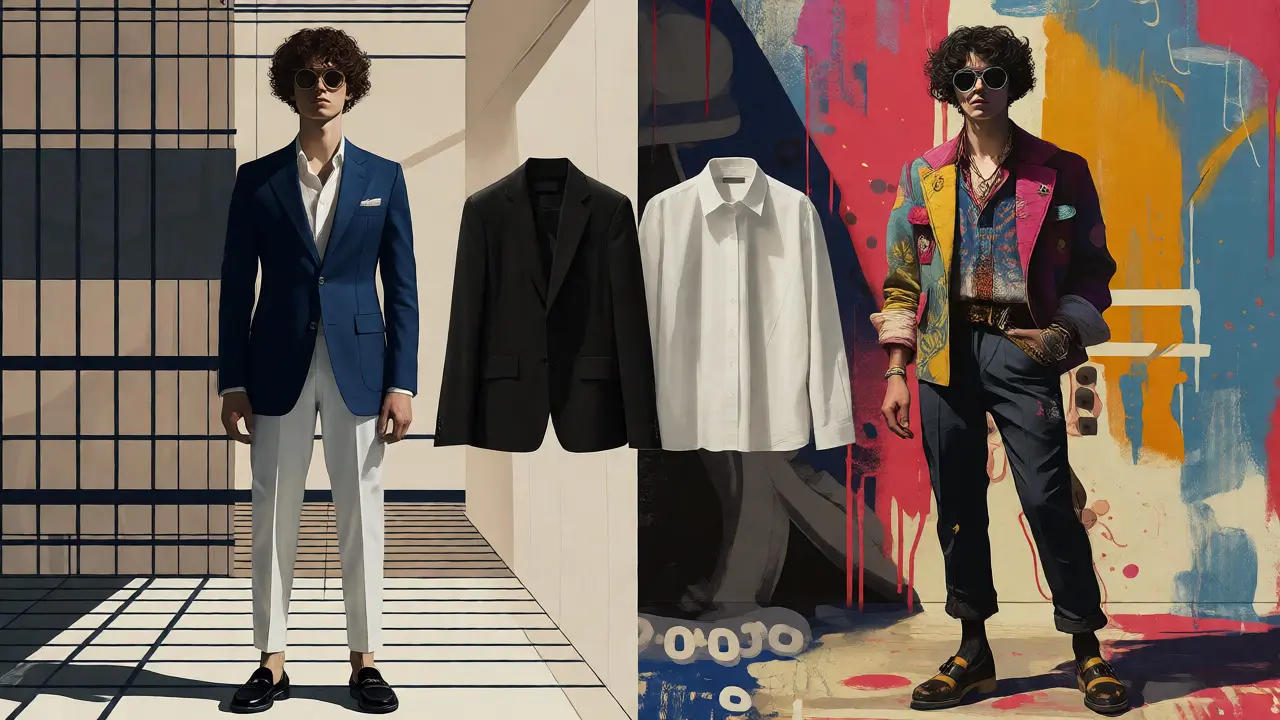
How to Identify Your Primary Archetype
Figuring out your dominant archetype isn't about taking a quiz that tells you what to buy. It’s about auditing your current behavior. Look at the ten outfits you wore most frequently last month. What do they have in common? Are they mostly neutral and structured (Classic)? Or are they loose, comfortable, and earth-toned (Natural)?
Ask yourself these diagnostic questions:
- What is your comfort zone? Do you feel anxious in tight, revealing clothes (suggesting Natural or Classic) or bored in simple basics (suggesting Dramatic or Creative)?
- What do you compliment on others? We often aspire to the aesthetic we admire. If you constantly praise someone’s edgy leather jacket, you might have a Dramatic streak.
- What is your relationship with details? Do you prefer clean lines with no visible logos (Classic), or do you love intricate buttons, embroidery, and texture (Romantic)?
Most people are hybrids. You might be a 'Classic Natural'-someone who values quality and simplicity but prioritizes comfort over strict tailoring. Or perhaps a 'Dramatic Creative,' who loves bold statements but executes them with artistic flair rather than corporate polish. Identifying this mix is crucial because it dictates your Capsule Wardrobe structure.
Building a Capsule Wardrobe Based on Archetypes
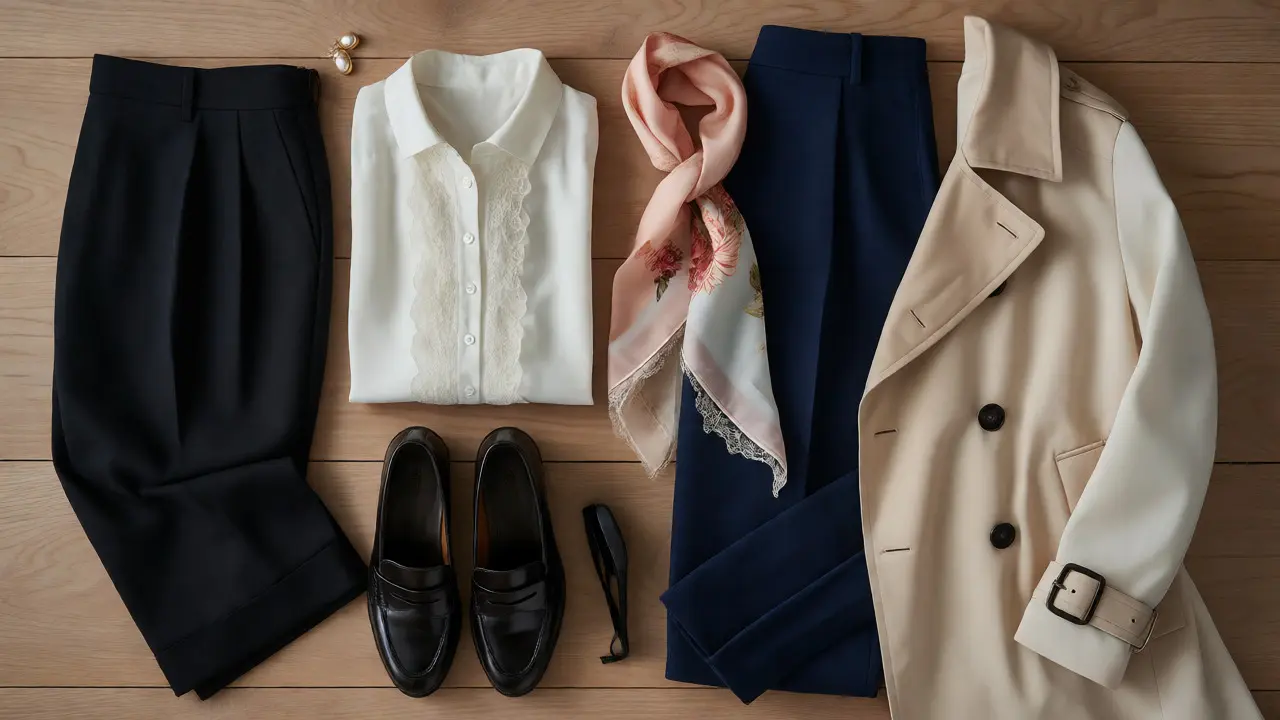
Once you know your primary and secondary archetypes, you can build a capsule wardrobe that reflects both sides of your personality without conflicting. Let’s say you are a 'Classic Romantic.' You don’t need to choose between a crisp blazer and a floral dress. You integrate them. Your capsule should consist of 70% Classic staples (blazers, trousers, loafers) and 30% Romantic accents (silk scarves, lace-trimmed tops, pastel colors).
This ratio prevents your style from becoming too stiff or too frilly. Here is a quick rule of thumb for mixing archetypes:
- Anchor with your Primary: Use your dominant archetype for the foundational pieces like shoes, bags, and outerwear. These are the hardest to change and set the tone.
- Accent with your Secondary: Use your secondary archetype for accessories, tops, and layers. These are easier to swap out if you want to shift the mood.
- Bridge with Neutrals: Colors like black, white, navy, and beige are universal translators. They allow disparate archetypes to coexist peacefully in one outfit.
Pitfalls to Avoid When Using Style Personas
The biggest mistake people make is treating archetypes as laws rather than guidelines. If you identify as 'Classic,' it doesn’t mean you can never wear a graphic tee. It means you probably shouldn’t buy five graphic tees if you only wear them twice a year. Another trap is ignoring context. Your style persona needs to adapt to your environment. A 'Dramatic' working in a conservative law firm will express their archetype through sharp tailoring and bold accessories, not necessarily through avant-garde silhouettes that might distract clients.
Also, beware of 'archetype drift.' As you grow personally, your style may evolve. That’s healthy. Re-evaluate your archetypes annually. Did you move from a student lifestyle to a professional one? Your 'Creative' side might still exist, but your 'Classic' side might need more weight now. Update your wardrobe accordingly, donating pieces that no longer serve your current narrative.
Practical Steps to Refine Your Style Today
You don’t need to overhaul your closet overnight. Start small. Pick one category of clothing, say, jeans or tops. Audit them against your identified archetypes. Does this pair of ripped skinny jeans fit your 'Classic' preference for neatness? If not, does it fit your 'Natural' desire for ease? If it fits neither, it’s a candidate for donation.
Next, create a 'mood board' specifically for your hybrid archetype. Don’t just save random pretty pictures. Save images that show exactly how you want to mix your primary and secondary traits. When you go shopping, take this board with you. Show it to sales assistants. Ask them, "I’m looking for something that bridges classic tailoring with romantic textures." This specificity gets you better results than browsing aimlessly.
Can I have more than two style archetypes?
Yes, but usually one or two dominate. Having three or four active archetypes can lead to a chaotic wardrobe unless you have distinct contexts for each (e.g., work vs. weekends). Focus on your top two for daily consistency.
Do style archetypes change with age?
They often evolve. A 'Creative' in their 20s might prioritize experimentation, while the same person in their 40s might lean towards 'Classic' due to career demands. However, the core aesthetic preference usually remains, just refined.
What if my partner hates my style archetype?
Style is personal expression, not a debate. While you can consider feedback, dressing for someone else’s taste often leads to resentment. Find a compromise in color palettes, but keep the silhouette true to your archetype.
Is the 'Natural' archetype lazy?
Not at all. The Natural archetype focuses on ease and authenticity. It requires careful selection of high-quality, durable fabrics that look good without effort. It’s about intentionality, not neglect.
How do I handle seasonal changes with archetypes?
Your archetypes remain constant, but the materials change. A 'Classic' wears wool in winter and cotton in summer. A 'Romantic' wears velvet in winter and chiffon in summer. The vibe stays, the fabric adapts.


Write a comment