

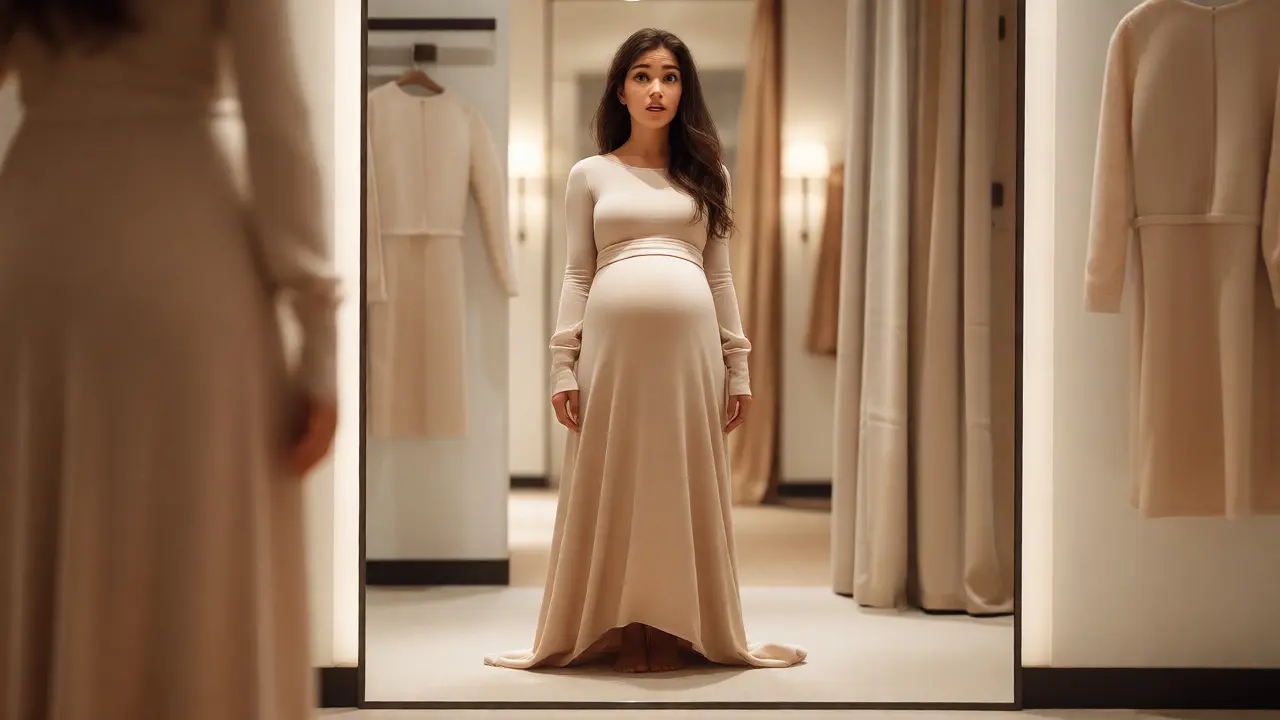
You’re five feet two inches tall, you’ve been pregnant before (or this is your first), and you just walked into a standard maternity store. The sales associate hands you a size S dress. You put it on. It fits around the bump, but the hem hits mid-calf, the sleeves cover your knuckles, and the waistband sits three inches below where it should. You look like you’re wearing a tent that shrank in the wash.
This isn’t bad luck. It’s a sizing mismatch. Most maternity wear is designed based on average height standards-typically 5’4” to 5’6”. If you are under 5’4”, you fall into the petite category, which requires different proportions, not just smaller sizes. A regular Small maternity top doesn’t shrink vertically; it shrinks horizontally. That means your arms stick out of sleeves, your torso looks swallowed, and your legs disappear under hems.
The good news? You don’t have to spend a fortune on custom tailoring or hide in oversized sweaters for nine months. With a few specific adjustments to how you shop and style, you can maintain a polished, proportional look throughout pregnancy. Here is exactly how to handle the physics of being petite while growing a human.
Why Standard Maternity Sizes Fail Petite Frames
To fix the problem, you need to understand the mechanics of the garment. Standard maternity clothing uses "paneling" or side ruching to accommodate belly growth. However, the vertical measurements-the distance from shoulder to hem, shoulder to sleeve cuff, and crotch depth-are often fixed based on an average height model.
When you buy a regular size Medium maternity pant, the rise (the distance from the crotch seam to the waistband) is calculated for a longer torso. For a petite person, this extra length creates a "dropped crotch" effect. Instead of supporting your bump snugly, the fabric pools between your legs, making you look shorter and bulkier. Similarly, the inseam on standard pants is usually 30 to 32 inches. On a 5’2” frame, even with heels, that’s too long, leading to constant tripping hazards or ugly bunching at the ankles.
| Garment Part | Standard Size Issue for Petites | Petite-Specific Solution |
|---|---|---|
| Inseam | Too long (30-32"), causes bunching | Look for 26-28" inseams or buy crop styles |
| Sleeve Length | Covers hands, looks sloppy | Choose ¾ sleeves or rollable cuffs |
| Torso/Rise | Dropped crotch, low support | Select high-rise or empire-waist cuts |
| Hemline | Falls awkwardly on calves | Aim for above-knee or maxi lengths only |
The Golden Rule: Vertical Lines and High Waists
If you take one thing away from this guide, let it be this: create vertical lines. When you are petite, horizontal breaks cut your body in half visually, making you look wider and shorter. Pregnancy naturally adds width, so you need to counteract that by elongating your silhouette.
Start with the waist. Avoid mid-rise jeans or pants that sit right on your hips. These cut your leg line short. Instead, opt for high-rise maternity pants. A high waistband sits under your bust or just above your bump, effectively raising your visual waistline. This trick makes your legs appear longer because the eye starts counting leg length from higher up. Look for brands that offer a "petite" section specifically, as they will shorten the rise measurement while keeping the hip width appropriate.
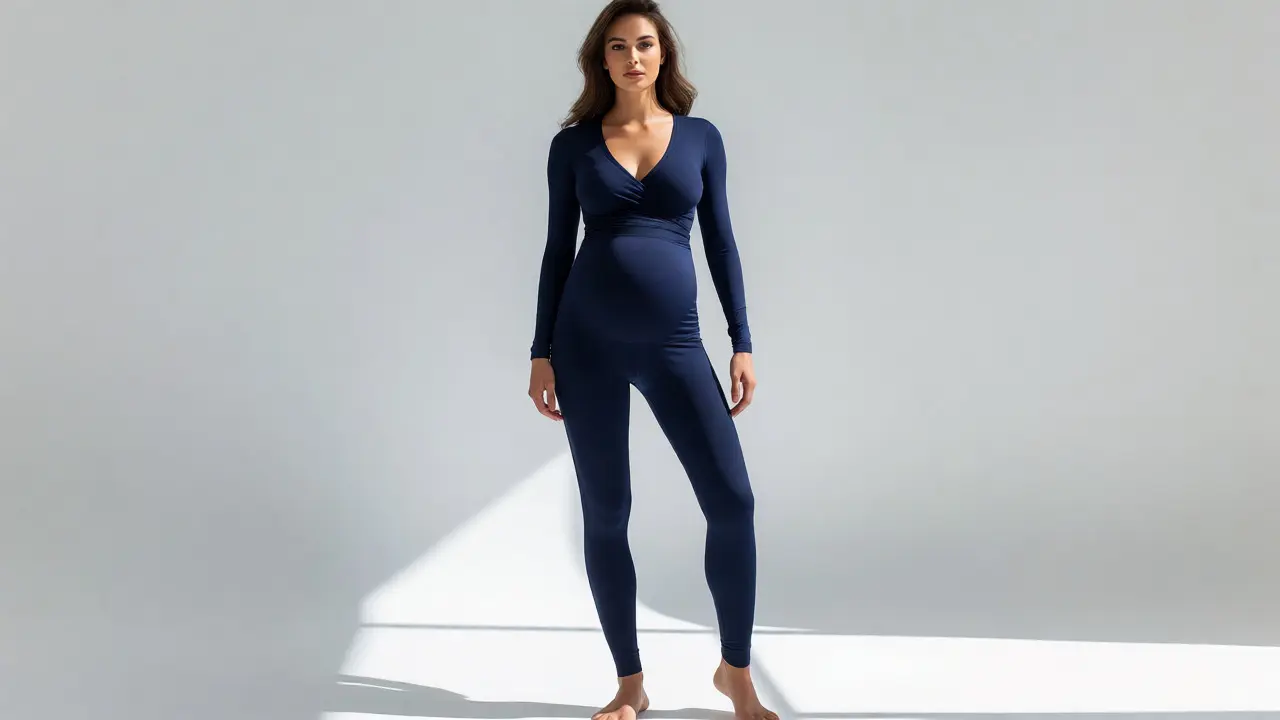
Monochromatic dressing is another powerful tool. Wearing a single color from head to toe eliminates horizontal color blocks. If you wear a navy top and black pants, your body is visually split at the waist. If you wear a navy top and navy leggings, your body reads as one continuous column. This doesn’t mean you must wear all black. Try tonal dressing-light blue shirt with dark blue jeans, or a cream sweater with beige trousers. The subtle variation keeps it interesting without breaking the vertical flow.
Dresses: The Best Friend of the Petite Pregnant Woman
Separates are hard to fit when your body changes weekly. Dresses are forgiving and easier to proportion. But not all dresses work. The wrong dress can make you look like you’re wearing a potato sack.
First, avoid knee-length hems. On a petite frame, a hem that stops exactly at the widest part of your calf makes your legs look stumpy. You have two safe zones:
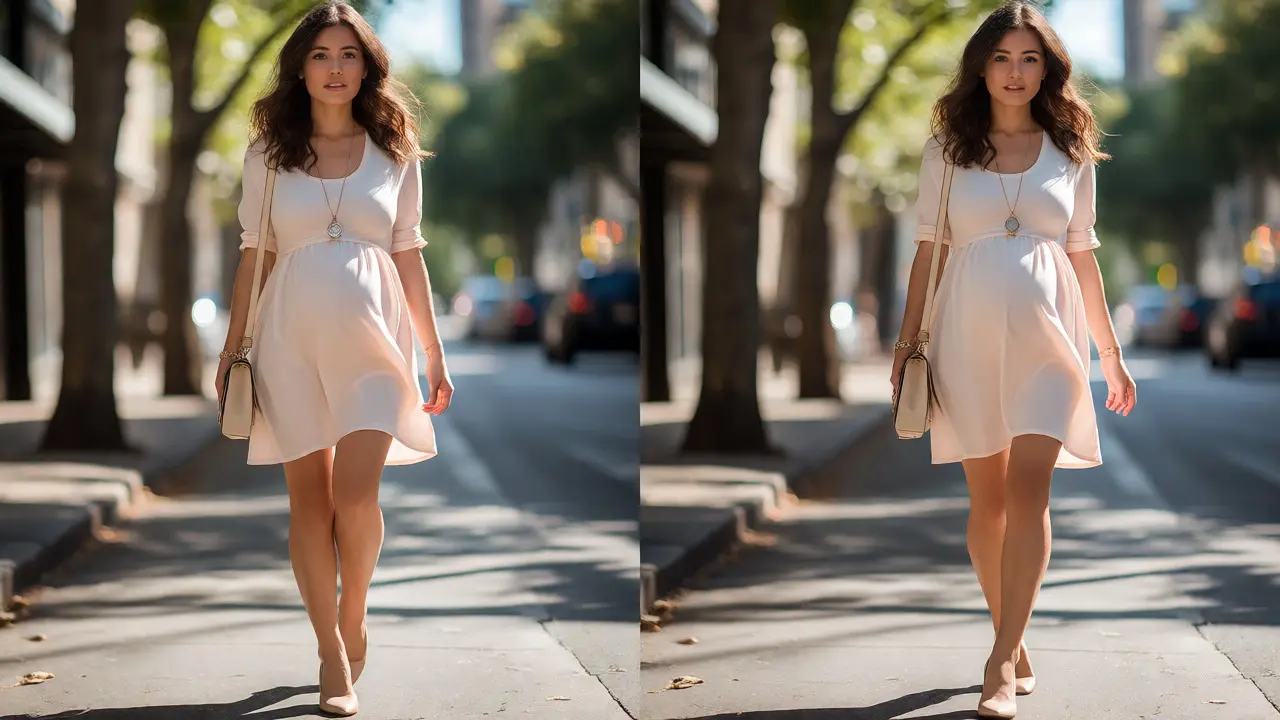
- Above the Knee: Mini or midi dresses that end 2-3 inches above the knee show off more leg, creating the illusion of height. Pair these with opaque tights if it’s cold.
- Maxi Length: Floor-grazing dresses work well if they are fitted through the bodice. Ensure the dress has a defined waist or an empire seam. If the dress is shapeless and floor-length, you’ll look like a pillar.
Empire waists are particularly effective for petites. An empire waist dress cinches just below the bust and flows down. Because the gathering point is high, it mimics a longer torso and allows the fabric to drape over the bump without adding bulk at the hips. This is ideal for the second and third trimesters when your center of gravity shifts forward.
Be careful with wrap dresses. While universally flattering, many standard wrap dresses tie at the natural waist, which might be buried under your bump by month seven. Look for wrap styles that tie higher or use side-tie details that can be adjusted upward. Alternatively, choose faux-wrap dresses with built-in seams that provide structure without requiring precise tying.
Tops and Layers: Managing Volume Without Bulk
Layering is tricky when you’re already carrying extra volume. Bulky cardigans or stiff blazers can overwhelm a small frame. The goal is to add warmth and style without adding visual weight.
Skip the boxy, oversized blazer. Instead, look for structured jackets that hit at the hip bone or slightly above. A jacket that ends at the widest part of your hips emphasizes width. One that ends just above the hips draws the eye upward. If you love denim jackets, buy them a size up in the shoulders but ensure the length is cropped. Many fast-fashion retailers now carry "cropped" versions of classic jackets that are perfect for petite maternity needs.
For tops, tuck matters. Untucked shirts add bulk around the midsection. Try the "French tuck"-tucking just the front middle portion of the shirt into your pants or skirt. This defines your waistline (even if it’s hidden by the bump) and prevents the fabric from billowing out. If the shirt is too thick to tuck, look for peplum styles that flare out slightly at the bottom, covering the bump while maintaining a fitted look at the ribs.
Necklines also play a role. V-necks and scoop necks create a vertical line down the chest, drawing the eye downward and elongating the neck. High necklines, like turtlenecks, can feel constricting and make a small face look larger relative to the body. If you prefer coverage, try a mock neck instead of a full turtleneck, or layer a thin scarf loosely to break up the solid block of color.
Shoes and Accessories: Finishing the Proportions
Your shoes determine whether your outfit looks intentional or accidental. For petite frames, shoe choice is critical for balancing the increased volume of pregnancy.
Avoid ankle straps if possible. An ankle strap cuts the leg line at the narrowest point, visually shortening the leg. If you must wear sandals, choose ones with clear straps or nude tones that blend with your skin. Closed-toe pumps with a pointed toe are excellent because the sharp angle extends the line of the foot, making the whole leg look longer. Wedges are often better than stilettos for pregnant women anyway, as they provide stability. Choose wedges with a nude sole or minimal platform to keep the focus on height rather than chunkiness.
Accessories should be scaled down. Large, chunky statement necklaces can drown a petite frame. Opt for delicate chains, pendants, or scarves tied at the neck. Long pendant necklaces are fantastic for creating that vertical line we talked about earlier. They draw the eye from your chin down to your bust, emphasizing height.
Bags matter too. A massive tote bag held at the side can drag your silhouette down. Carry bags closer to your body or choose crossbody styles that sit at the waist. This keeps your hands free and maintains a compact, organized look. If you carry a handbag, ensure it’s not wider than your torso. A bag that sticks out significantly on both sides widens your appearance.
Shopping Strategy: Where to Find Petite Maternity Gear
Not every brand offers true petite maternity options. Some just scale down regular sizes, which fails because they don’t adjust vertical proportions. Here is how to navigate the market efficiently.
Check major retailers like ASOS and H&M. Both have dedicated petite sections that include maternity-specific cuts. ASOS Design, for example, labels items clearly as "Maternity" and "Petite," allowing you to filter for both. H&M’s premium line often includes tailored pieces that respect height constraints.
Specialty brands like Isabella Oliver and Mama Licious sometimes offer petite ranges or adjustable features. Read reviews carefully. Look for comments like "runs long" or "good for short women." If a review says "had to hem the pants," it’s likely not truly petite-friendly unless you plan to tailor everything.
Don’t ignore men’s sections. Men’s dress shirts are often cut longer in the torso but narrower in the shoulders. For petite women with broad shoulders or those who want a crisp button-down, a men’s small slim-fit shirt can be tailored easily. However, this is less common for casual wear. Stick to women’s petite sections for everyday comfort.
Finally, consider alteration costs. Buying non-maternity clothes that fit your pre-pregnancy frame (like stretchy leggings or loose tunics) and pairing them with maternity panels can be cheaper. But for structured items like blazers or dresses, investing in proper petite maternity wear saves time and frustration. Tailoring a standard maternity dress to fit a petite frame can cost $30-$50 per piece, which often exceeds the price difference of buying the correct size initially.
Common Pitfalls to Avoid
Even with the best intentions, certain choices backfire. Here are the most frequent mistakes petite moms make during pregnancy.
1. Ignoring Fabric Weight: Heavy fabrics like thick wool or stiff denim add bulk. Lightweight materials with some stretch, such as jersey knit, viscose blends, or soft cotton spandex, drape better over a bump without adding visual weight. They conform to your shape rather than fighting against it.
2. Wearing Horizontal Stripes: While vertical stripes are great, horizontal stripes widen you. Since pregnancy already increases width, horizontal patterns can make you look broader than necessary. If you love stripes, choose thin, vertical, or diagonal patterns.
3. Over-Dressing: Trying to look "too formal" can overwhelm a small frame. Keep jewelry minimal and accessories streamlined. A simple, well-fitted dress with nice earrings often looks more chic than a heavily embellished gown that swallows your figure.
4. Waiting Too Long to Buy: Don’t wait until you’re visibly pregnant to start shopping. Your body changes early. By waiting, you’re left with limited stock in your size. Start looking at petite maternity basics in the second trimester when your bump becomes noticeable but you still have options.
Final Thoughts on Confidence
Being petite during pregnancy doesn’t mean you’re stuck in frumpy sweatpants. It just means you need to be smarter about proportions. Focus on vertical lines, define your waist (even if it’s high), and keep hems either short or long-never in between. Pay attention to sleeve lengths and inseams, and don’t be afraid to alter what doesn’t quite fit.
Your body is doing something incredible. Dressing it in clothes that respect your natural proportions helps you feel like yourself, not just a vessel. Walk tall, choose your silhouettes wisely, and remember: confidence is the best accessory, no matter your height.
Can I just wear regular petite clothes instead of maternity?
Yes, for the first trimester and early second trimester. Stretchy regular petite tops, leggings, and dresses with elastic waists work well until your bump grows too large. Once you pass 20 weeks, you’ll likely need dedicated maternity panels or side-ruching to accommodate the belly without pulling across the buttons or zippers.
Do petite maternity pants come in different lengths?
True petite maternity pants typically have an inseam of 26-28 inches, compared to the standard 30-32 inches. However, not all brands label them explicitly. Always check the product description for "inseam" measurements. If you can’t find petite-specific pants, buy regular maternity pants and get them hemmed-it’s a cheap alteration that makes a huge difference in fit and safety.
What is the best neckline for petite pregnant women?
V-necks and scoop necks are generally best because they create a vertical line that elongates the torso and neck. They also prevent the "boxy" look that can happen with high necklines. If you prefer coverage, a shallow boat neck or a mock neck works better than a bulky turtleneck.
How do I style a maxi dress if I am petite?
Ensure the dress has a defined waist, such as an empire seam or a belt. Wear heels or wedges underneath to lift the hem off the ground. Avoid heavy fabrics that pool at your feet. A slit in the maxi dress can also help reveal a bit of leg, preventing the dress from looking like a solid block of fabric.
Are monochrome outfits really necessary for petite maternity style?
They aren’t mandatory, but they are highly effective. Monochrome dressing creates an uninterrupted vertical line, making you look taller and slimmer. If you dislike wearing one color, try tonal dressing (different shades of the same color) or ensure your top and bottom colors contrast sharply but are separated by a high-waisted bottom to maximize leg length.