

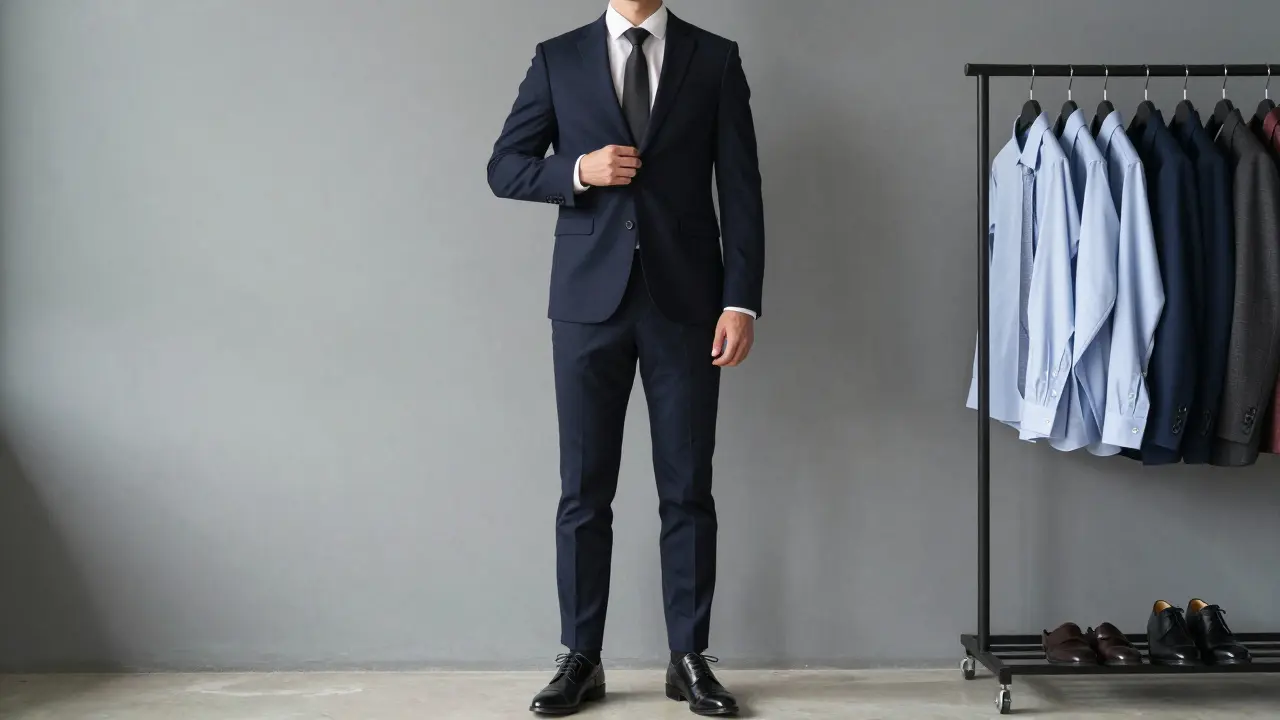
When you hire a photographer for a portrait or brand shoot, you’re not just paying for a camera. You’re paying for a story. And the story starts with what’s on the body-before the first flash goes off.
Why Wardrobe Choices Make or Break a Photoshoot
Think about the last time you saw a professional headshot that felt off. Maybe the shirt was too shiny. Or the jacket didn’t match the background. Or the whole look screamed "I just grabbed whatever was clean" instead of "I mean business."
That’s not the photographer’s fault. That’s a wardrobe issue.
Styling isn’t about fashion trends. It’s about alignment. Your clothes need to match your message. A CEO in a navy blazer tells a different story than a CEO in a linen button-down. A fitness coach in athletic gear looks credible. The same coach in a silk dress? Confusing.
According to a 2025 survey by the Professional Photographers of America, 78% of clients said they chose a photographer based on how polished the subject looked in their portfolio. Not the lighting. Not the editing. The clothes.
What Photoshoot Styling Services Actually Do
Styling services for portraits and branding aren’t about dressing you up like a model. They’re about dressing you right.
A professional photoshoot stylist does four things:
- They audit your current wardrobe for what works-and what doesn’t.
- They source pieces that match your brand’s tone: corporate, creative, rugged, minimalist, luxurious, etc.
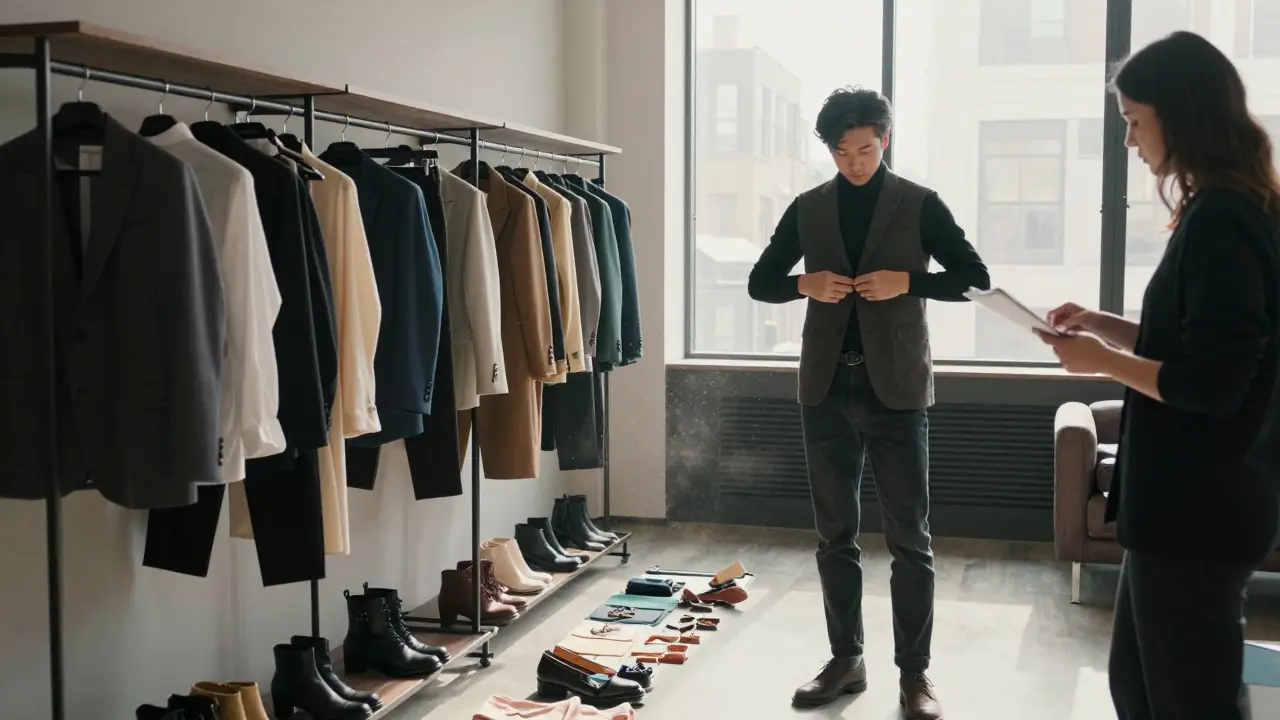
- They bring backup outfits, shoes, accessories, and even undergarments to prevent wardrobe malfunctions.
- They lay everything out the night before, so you walk in knowing exactly what you’re wearing and why.
Most people think styling means picking out a dress. It doesn’t. It means eliminating distractions. A wrinkled shirt. A necklace that catches the light. Shoes that squeak on hardwood. These aren’t minor issues-they’re visual noise that pulls attention away from your face, your expression, your message.
Portrait Wardrobe: The Rules That Actually Matter
Portraits aren’t fashion editorials. You’re not trying to look trendy. You’re trying to look trustworthy, approachable, or authoritative-depending on your goal.
Here’s what works in real-world portrait sessions:
- Colors that don’t compete. Avoid white shirts against white walls. Avoid bright red against brick exteriors. Stick to muted tones: charcoal, navy, olive, soft gray. These are neutral, professional, and photograph well under any lighting.
- Textures over patterns. A subtle herringbone or knit is better than stripes, polka dots, or logos. Patterns break up the shape of the body and create moiré effects on camera.
- Fitted, not tight. Clothes should contour, not constrict. A slightly tailored jacket looks intentional. A tight sweater looks like you’re trying to hide something.
- Shoes matter more than you think. If you’re shooting from the waist up, shoes are out of frame. But if you’re standing, walking, or sitting on a bench? Your shoes are part of the story. Black leather oxfords. Clean white sneakers. No scuffed boots or flip-flops.
One client-a financial advisor-came in wearing a navy suit. The stylist noticed his socks were navy too. "That’s fine," she said. "But your shoes are black. That’s a disconnect." She swapped his socks for black. One change. The whole image felt more cohesive.
Branding Wardrobe: When Your Clothes Are Part of Your Logo
Branding shoots are different. You’re not just showing who you are-you’re showing what your business stands for.
A boutique yoga studio owner might wear a neutral-toned, breathable top with a simple necklace. A tech founder might wear a black turtleneck and dark jeans. A bakery owner might wear an apron over a floral dress. Each choice reinforces the brand identity.
Here’s what separates good branding wardrobe from bad:
- Consistency across platforms. Your LinkedIn photo, website hero image, and Instagram carousel should all feel like the same person. That means using the same color palette, fabric types, and fit across all images.
- Wardrobe as brand language. If your brand is eco-conscious, your clothes should reflect that-organic cotton, recycled polyester, natural dyes. If you’re high-end luxury, silk, wool, and minimal seams are non-negotiable.
- Wardrobe that ages well. You don’t want your 2026 photos to look dated in 2028. Avoid overly trendy items like oversized blazers with shoulder pads or neon accents. Stick to timeless silhouettes.
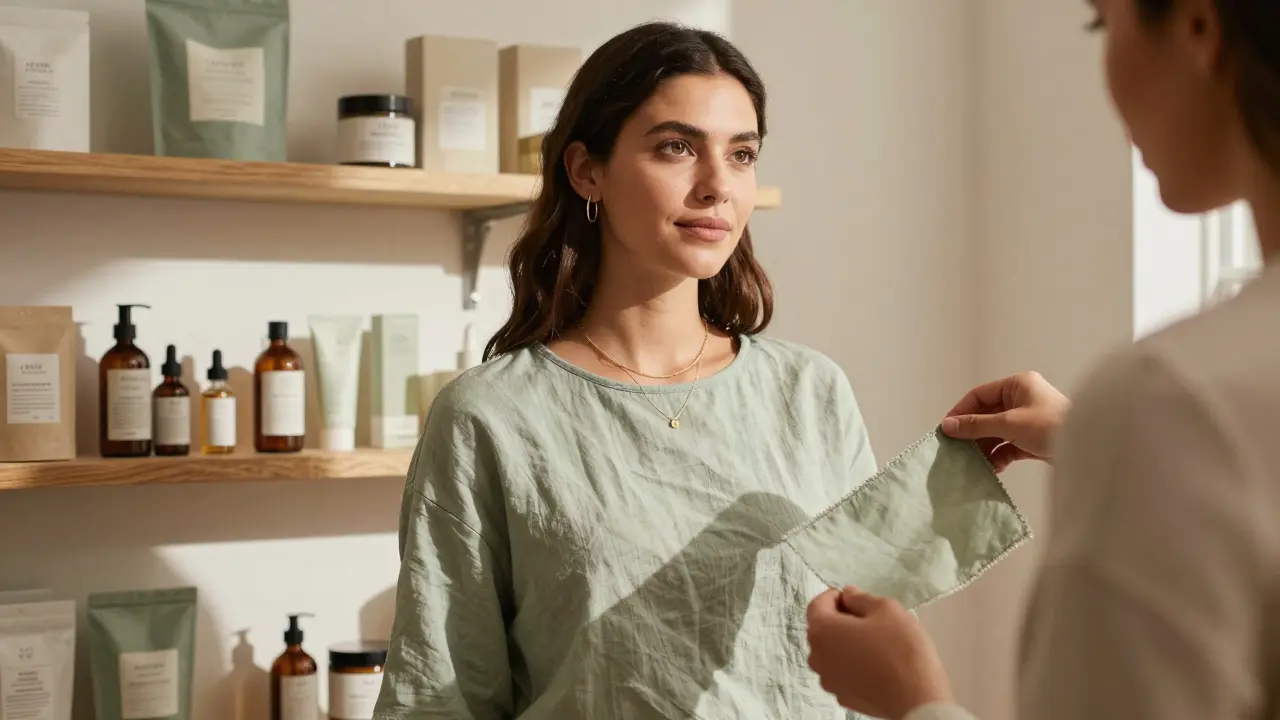
A client in Brooklyn runs a sustainable skincare brand. Her first shoot had her in a white linen shirt. The second shoot, after hiring a stylist, she wore a hand-dyed organic cotton top in a soft sage green. The color matched her packaging. The fabric matched her values. The photos didn’t just look better-they felt more authentic. Sales went up 22% in three months.
What to Expect From a Styling Session
Most stylists work in one of two ways:
- At-home consultation. They come to your place, go through your closet, and pick out 3-5 outfits that work. They’ll tell you what to toss, what to alter, and what to buy.
- Styling suite rental. They have a curated collection of clothes, shoes, and accessories you can borrow for the day. This is common in New York, LA, and Chicago. You show up, try on, and walk out with a full look.
Either way, you’ll get a checklist:
- 2-3 outfit options (one conservative, one creative, one backup)
- Undergarments (no visible lines, no color contrast)
- Shoes (clean, polished, appropriate for the setting)
- Accessories (minimal: one necklace, one watch, no bracelets)
- Hair and makeup notes (if they offer those services)
Some stylists even bring steaming tools and lint rollers. Because a single wrinkle can ruin a 30-minute shoot.
How Much Does This Cost?
Photoshoot styling services range from $150 to $800, depending on location, experience, and scope.
In New York City, a basic portrait styling session (2 outfits, 1-hour consultation, outfit selection) starts at $250. A full branding package (5 outfits, wardrobe audit, shopping list, on-set support) runs $600-$800.
Is it expensive? Compared to hiring a photographer who charges $1,500 and then getting photos back that feel "off"? It’s a bargain.
Think of it this way: if your photos help you land one new client, one partnership, or one sale, the styling fee pays for itself.
What to Avoid
Even experienced people make these mistakes:
- Wearing new clothes. New clothes haven’t been broken in. They wrinkle, cling, or feel stiff. Wear your outfit at least once before the shoot.
- Over-accessorizing. More jewelry doesn’t mean more professionalism. One statement piece is enough. Two is too many.
- Ignoring the background. If you’re shooting in front of a brick wall, don’t wear red. If you’re in a forest, don’t wear green. Colors should complement, not clash.
- Letting your partner pick your outfit. Your partner might think you look "cute." The camera might think you look "confused." Trust the stylist.
When You Don’t Need a Stylist
You don’t need a professional stylist if:
- You already have a consistent, well-curated wardrobe that matches your brand.
- You’re doing casual, candid shots for social media (not professional branding).
- You’re on a tight budget and can spend time researching color theory and fabric types.
But if you’re serious about your image-if your photos are your first impression-you’re not saving money by skipping styling. You’re risking credibility.
Final Thought: Your Clothes Are Your First Handshake
People make decisions about you in under seven seconds. Your photos are often the first thing they see. What are they saying?
That you’re careless? Unprepared? Out of touch?
Or that you know who you are-and you’re ready to be seen?
Wardrobe isn’t vanity. It’s strategy. And in a world where everyone has a camera, the people who look like they belong-always win.
Do I need to buy new clothes for a photoshoot?
Not always. A good stylist will first look at what you already own. Many people have perfectly suitable pieces in their closet-they just don’t know how to combine them. If you do need to buy something, the stylist will give you a shortlist of affordable, versatile items that you can wear again. The goal is to build a wardrobe that works for you long after the shoot.
Can I wear my own jewelry and accessories?
Yes, but only if they serve the story. A simple gold necklace or classic watch adds polish. A chunky bracelet or noisy earrings can distract. Stylists often recommend removing anything that moves, reflects light, or draws attention away from your face. If you’re unsure, bring them along. The stylist will tell you what stays and what goes.
How far in advance should I book a styling service?
At least two weeks before your shoot. This gives the stylist time to assess your wardrobe, source pieces, and schedule a fitting. If you’re using a styling suite, slots fill up fast-especially in cities like New York or Los Angeles. Booking early also lets you test outfits ahead of time and make adjustments.
Do styling services work for men too?
Absolutely. Men’s styling is often more about fit, fabric, and color harmony than trends. A well-tailored shirt, clean shoes, and a neutral blazer can make a huge difference. Many stylists specialize in men’s branding looks-think tech founders, lawyers, doctors, and entrepreneurs. The principles are the same: clarity, consistency, and confidence.
What if I have a tight budget?
Start small. Hire a stylist for a one-hour consultation instead of a full package. They’ll help you pick three outfits from your own closet and tell you exactly what to avoid. You can also rent pieces from online services like Nuuly or Le Tote for a few days. The key isn’t spending more-it’s spending smarter.


Write a comment