

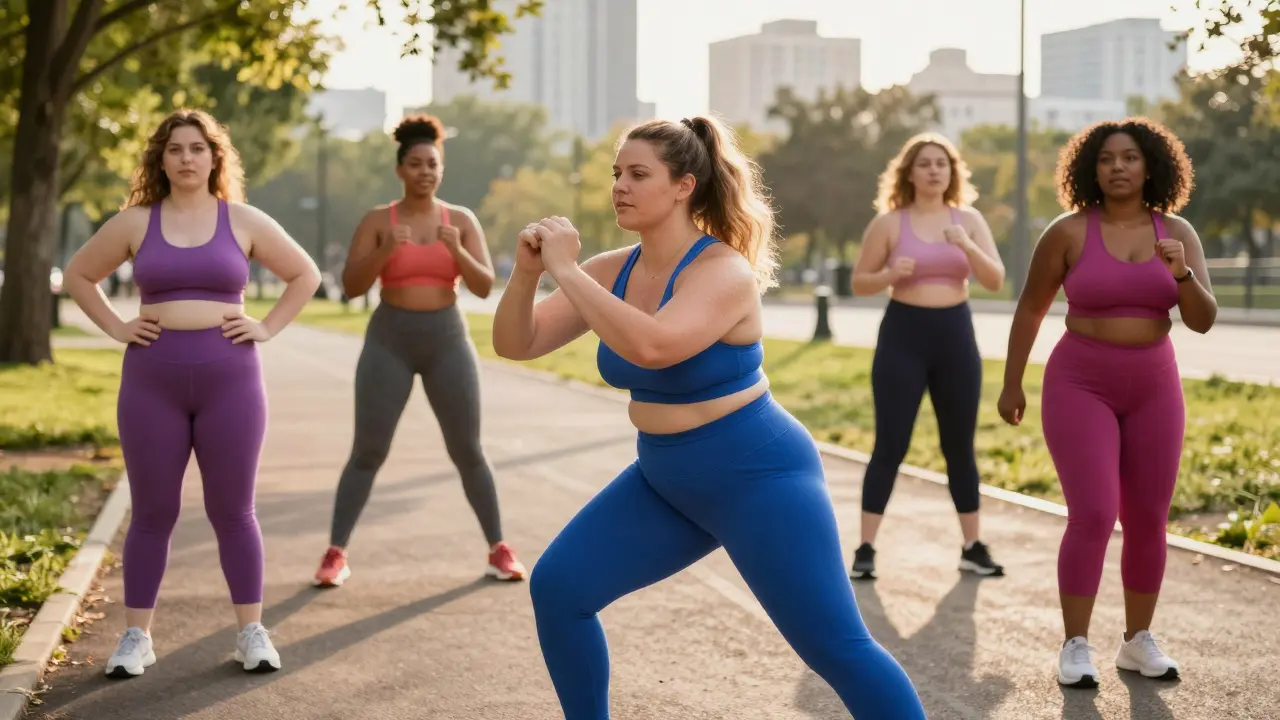
When you’re shopping for activewear, you shouldn’t have to choose between looking good and feeling supported. Too many brands still treat plus-size bodies as an afterthought-offering stretchy fabrics that sag, seams that dig in, or designs that look like they were shrunk from a standard size. But the truth is, plus-size activewear has evolved. Today’s best options are engineered for real bodies, real movement, and real performance-no compromises.
Why Most Plus-Size Activewear Fails
It’s not that plus-size people don’t work out. In fact, a 2024 study from the American College of Sports Medicine found that 68% of plus-size women exercise at least three times a week. But many brands still design for size 2-12, then stretch the pattern for larger sizes without adjusting the structure. The result? Flat seams that bunch, waistbands that roll, and fabric that loses its shape after one wash.
Take compression, for example. A typical compression legging might offer 15-20 mmHg of pressure-perfect for a size 4. But on a size 20, that same pressure becomes painful, cutting off circulation. The right plus-size activewear uses graduated compression zones: tighter around the hips and thighs, lighter around the waist. Brands like Fabletics, Lane Bryant’s Curve & Co., and Torrid’s Active line now test their garments on real bodies across sizes 14-32, not just on mannequins.
What Makes Plus-Size Activewear Truly Perform
Performance isn’t just about sweat-wicking or durability. It’s about how the garment moves with you. A good pair of plus-size leggings shouldn’t ride up during squats. A sports bra shouldn’t require constant adjusting mid-workout. Here’s what actually works:
- Four-way stretch fabric with spandex content between 18-25%-enough to move, not so much that it loses shape.
- Wide, flat waistbands that don’t dig into the stomach. Look for at least 2.5 inches wide, with a double-layered inner lining for support.
- Seam placement that avoids pressure points. Side seams should sit just outside the hip bone, not across the widest part.
- Full-coverage cuts that don’t gap at the back or ride up during lunges. High-rise styles with a 10-12 inch rise are standard now.
- Moisture-wicking finishes that don’t rely on toxic chemicals. Look for OEKO-TEX certified fabrics, which are tested for harmful substances.
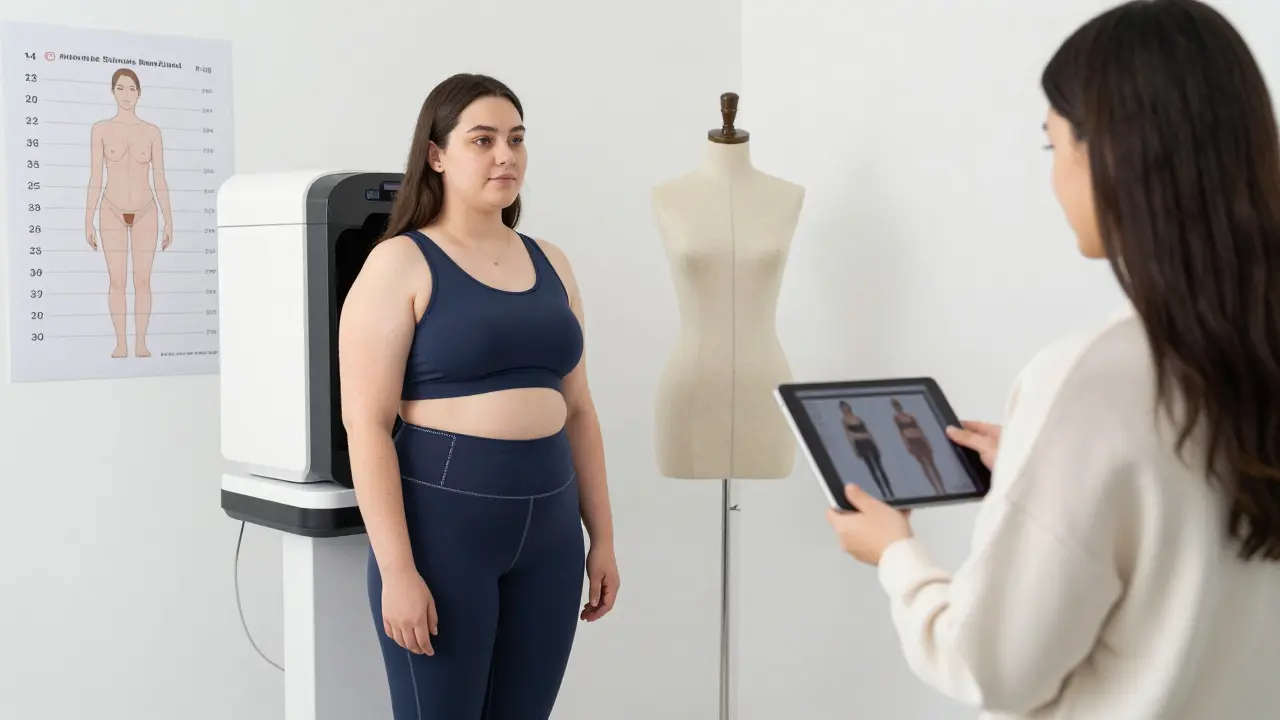
Brands like Athleta’s Plus Collection and Girlfriend Collective’s Extended Sizes have been transparent about their testing. Athleta uses 3D body scanning on over 1,200 diverse body types. Girlfriend Collective tests every size on real athletes-including a 32-year-old yoga instructor who’s a size 24 and runs marathons on weekends.
Comfort Isn’t Just About Fit-It’s About Confidence
Comfort goes beyond fabric. It’s about how you feel when you put it on. A 2025 survey by Body Positive Fitness Network found that 79% of plus-size women avoid workouts because they feel self-conscious in standard activewear. That’s not a fit issue-it’s a design issue.
Modern plus-size activewear addresses this with thoughtful details:
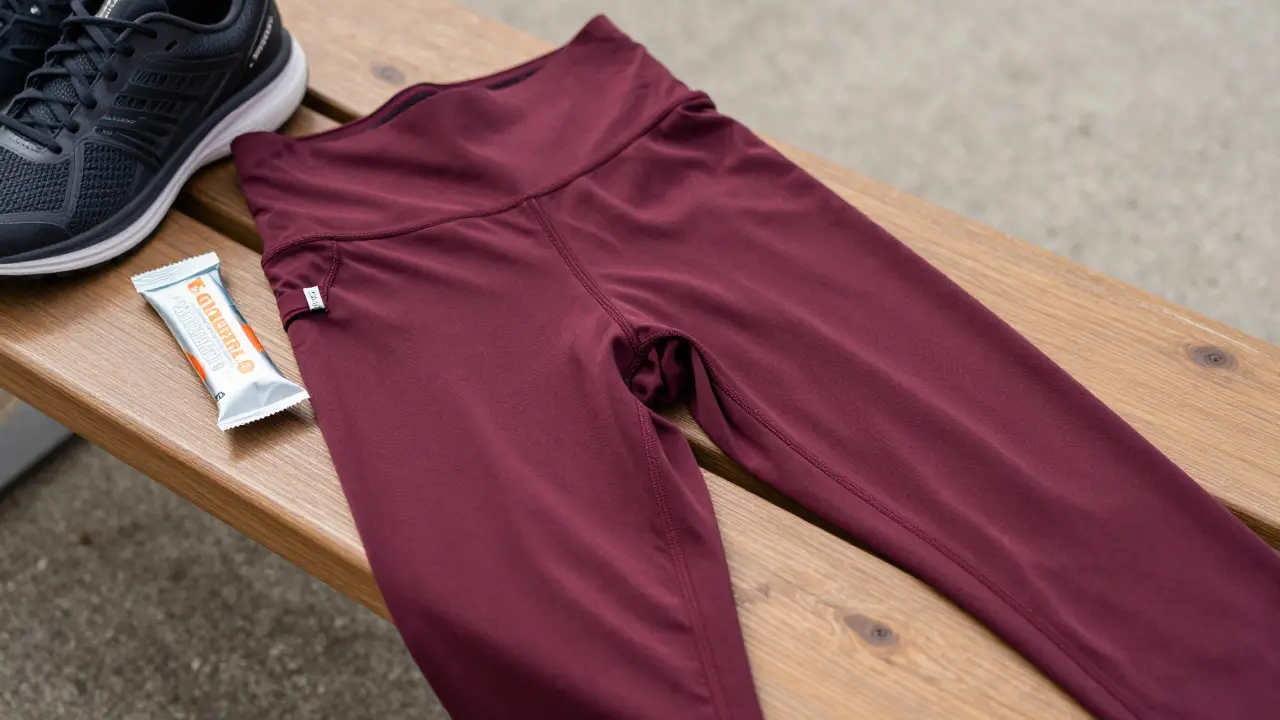
- Hidden pockets in leggings that hold a phone, keys, or even a small protein bar.
- Adjustable straps on sports bras that let you customize support without sacrificing style.
- Color options beyond black and navy-deep burgundy, forest green, and slate blue that don’t look like afterthoughts.
- Tagless designs with printed care labels to eliminate itchiness.
One woman, Maria from Chicago, told a fitness blog: “I bought my first pair of leggings that didn’t gap at the back. I did a 5K in them. I didn’t feel like I was hiding. I felt strong.” That’s the goal.
Price, Quality, and Longevity
Yes, better plus-size activewear costs more. But it’s not because it’s “premium.” It’s because it’s made differently. A $45 pair of leggings from a fast-fashion brand might stretch out after three washes. A $78 pair from a brand that uses reinforced stitching and double-stitched hems lasts two years-sometimes three.
Here’s a quick cost-per-wear comparison:
| Brand | Price | Estimated Lifespan | Cost Per Wear (at 2x/week) |
|---|---|---|---|
| Fast-Fashion Brand | $32 | 4 months | $1.06 | Mid-Range (Fabletics) | $58 | 18 months | $0.35 | High-Performance (Athleta Plus) | $78 | 3 years | $0.24 |
Investing in quality doesn’t mean you need to buy everything at once. Start with one core piece-a supportive sports bra or a pair of leggings-and build from there.
Where to Look (And What to Avoid)
Not all “plus-size” labels are created equal. Some brands just add extra inches without rethinking the cut. Here’s how to tell the difference:
- Look for size-inclusive brands that list sizes up to 32 or higher. If they stop at size 20, they’re not serious.
- Check model diversity. If all the photos show the same body type-even in plus sizes-it’s likely a marketing stunt.
- Read reviews with photos. Real customers posting before-and-after shots or videos of movement are gold.
- Avoid “shapewear” marketing. If the product claims to “slim” or “tuck,” it’s designed to change your body, not support it.
Top performers in 2026 include: Fabletics (for value), Athleta (for technical performance), Girlfriend Collective (for sustainability), and Universal Standard (for seamless sizing). Even Amazon’s Fable brand now offers a 14-32 size range with feedback loops from customers.
Your Next Step: Try One Thing
You don’t need a whole new wardrobe. Start with one piece that’s been designed for your body-not a scaled-up version of someone else’s. Pick a pair of leggings with a wide waistband and try them in a squat. Do they stay put? Can you breathe? Do you feel like you can move without thinking about your clothes?
If the answer is yes-you’ve found your new standard.
What size should I buy in plus-size activewear?
Always go by the brand’s size chart, not your usual clothing size. Plus-size activewear often runs true to size, but measurements vary. For example, a size 18 from Athleta might have a 42-inch hip, while a size 18 from Torrid could be 46 inches. Measure your hips, waist, and inseam, then match to the chart. If you’re between sizes, size up for movement and comfort.
Is plus-size activewear only for working out?
No. Many plus-size activewear pieces are designed to be worn all day. The same leggings that support you during a run can double as comfortable work pants or errand-running gear. Look for styles with a polished finish-matte fabrics, clean lines, and minimal branding-for a more versatile look.
Do I need a sports bra designed for plus-size bodies?
Yes. Standard sports bras don’t account for breast volume or weight distribution. Plus-size bras use wider straps, underband support, and encapsulation (not compression) to reduce bounce. Brands like Elomi and Panache offer sizes up to 40DD with full back coverage and adjustable hooks. A well-fitted bra can cut bounce by 70% compared to a regular one.
How do I care for plus-size activewear to make it last?
Wash in cold water on gentle cycle. Avoid fabric softener-it breaks down moisture-wicking tech. Hang dry or tumble dry on low. Never bleach or iron. Most brands recommend washing inside out to preserve color and elasticity. A good pair should last 1-3 years with proper care.
Are there sustainable options for plus-size activewear?
Absolutely. Girlfriend Collective uses recycled plastic bottles for their leggings. Athleta partners with Fair Trade Certified factories. Universal Standard uses TENCEL™ lyocell and recycled nylon. Look for certifications like OEKO-TEX, GRS (Global Recycled Standard), or Fair Trade to ensure ethical and eco-friendly production.
Plus-size activewear isn’t about fitting into a mold. It’s about designing for the body you have-and giving you the freedom to move, sweat, and thrive without limits.


Write a comment