

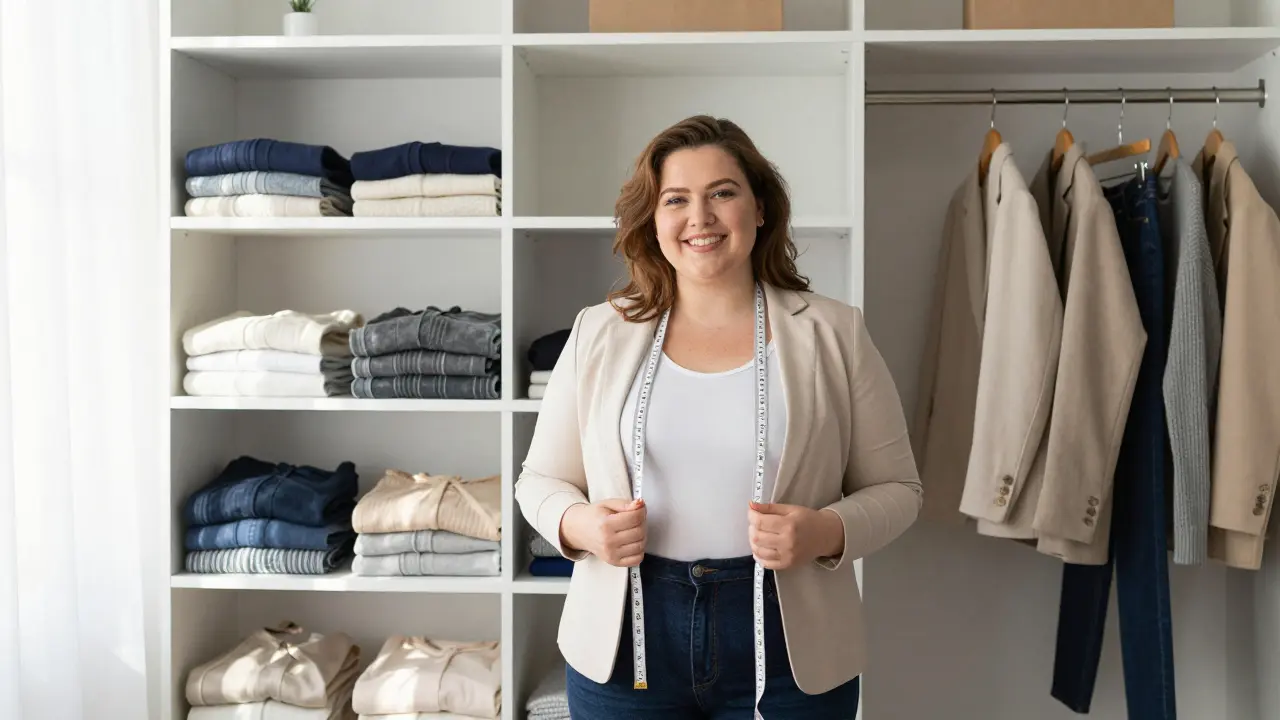
Building a plus-size capsule wardrobe isn’t just about buying fewer clothes; it’s about curating a collection that actually works for your body shape, lifestyle, and confidence. For too long, the fashion industry has treated extended sizes as an afterthought-offering limited colors, outdated cuts, or fabrics that don’t breathe. But the reality is that a well-designed capsule wardrobe can be even more powerful for plus-size individuals because every piece needs to earn its place through versatility and fit.
If you’re tired of staring at a full closet but feeling like you have "nothing to wear," this guide will help you build a streamlined, mix-and-match system that reduces decision fatigue and elevates your daily style. We’ll cover exactly which items to prioritize, how to navigate sizing inconsistencies across brands, and why fabric choice matters more than you think.
The Philosophy Behind a Plus-Size Minimalist Closet
A capsule wardrobe typically consists of 30-40 pieces, including tops, bottoms, dresses, outerwear, and shoes (excluding underwear, workout gear, and specialized occasion wear). For plus-size shoppers, the challenge isn’t just finding these items-it’s finding them in styles that flatter specific body proportions rather than just scaling up straight sizes.
The goal here is intentionality. Instead of impulse-buying trendy pieces that clash with everything else, you focus on high-quality staples that coordinate effortlessly. Think of it as building a toolkit: if every tool fits together, you can create countless outfits without stress. This approach saves money in the long run because you stop replacing cheap, ill-fitting items every season.
| Category | Quantity | Key Features to Look For |
|---|---|---|
| Tops | 10-12 | V-necks, wrap styles, structured shoulders, breathable knits |
| Bottoms | 5-7 | High-waisted cuts, stretch denim, wide-leg trousers, midi skirts |
| Dresses/Jumpsuits | 3-5 | Empire waists, A-line silhouettes, adjustable straps |
| Outerwear | 2-3 | Open-front cardigans, tailored blazers, trench coats with room for layering |
| Shoes | 4-6 pairs | Wide-width options, arch support, neutral tones |
Selecting the Right Foundations: Fit Over Size Labels
One of the biggest frustrations in plus-size shopping is inconsistency. A size 14 in one brand might fit like a 16 in another. When building your core collection, ignore the number on the tag and focus entirely on how the garment interacts with your body.
Fit is the relationship between garment dimensions and body measurements, prioritizing comfort and silhouette over numerical labels. Start by identifying your key measurement areas-bust, waist, hips, and inseam. Keep a soft measuring tape handy and record these numbers. Many modern retailers now offer detailed size charts based on actual body scans rather than generic averages.
Prioritize garments with strategic ease. For example, a blouse should skim the torso without pulling at the buttons, while jeans should sit comfortably at the natural waist without digging in. Look for features like:
- Stretch recovery: Fabrics with 2-5% elastane (spandex) maintain shape better than rigid cottons.
- Seam placement: Side seams should align with your body’s natural contours, not ride up or twist.
- Length proportion: Tops should hit at the hip bone or below to balance wider hips; pants should avoid excessive pooling at the ankles unless intended for a relaxed look.
Brands like Universal Standard, Eileen Fisher, and Torrid have invested heavily in pattern grading specifically for extended sizes, meaning their designs aren’t just enlarged versions of sample sizes-they’re re-engineered for different proportions.
Fabric Matters: Comfort Meets Structure
In a capsule wardrobe, you wear each item repeatedly, so fabric quality directly impacts longevity and appearance. Cheap synthetics may look good initially but often pill, lose elasticity, or trap heat after a few washes.
Focus on natural fibers blended with performance materials. Cotton jersey offers breathability and softness, making it ideal for everyday tees. Wool blends provide structure for blazers and trousers without adding bulk. Tencel and modal are excellent for summer layers due to their moisture-wicking properties and smooth drape.
Avoid stiff, non-stretch fabrics around sensitive areas like the underarms or knees. Instead, opt for brushed interiors or seamless construction where possible. If you live in a humid climate like New York summers, lightweight linen-cotton mixes keep you cool while maintaining a polished look.
Color Strategy: Building Cohesion Without Boredom
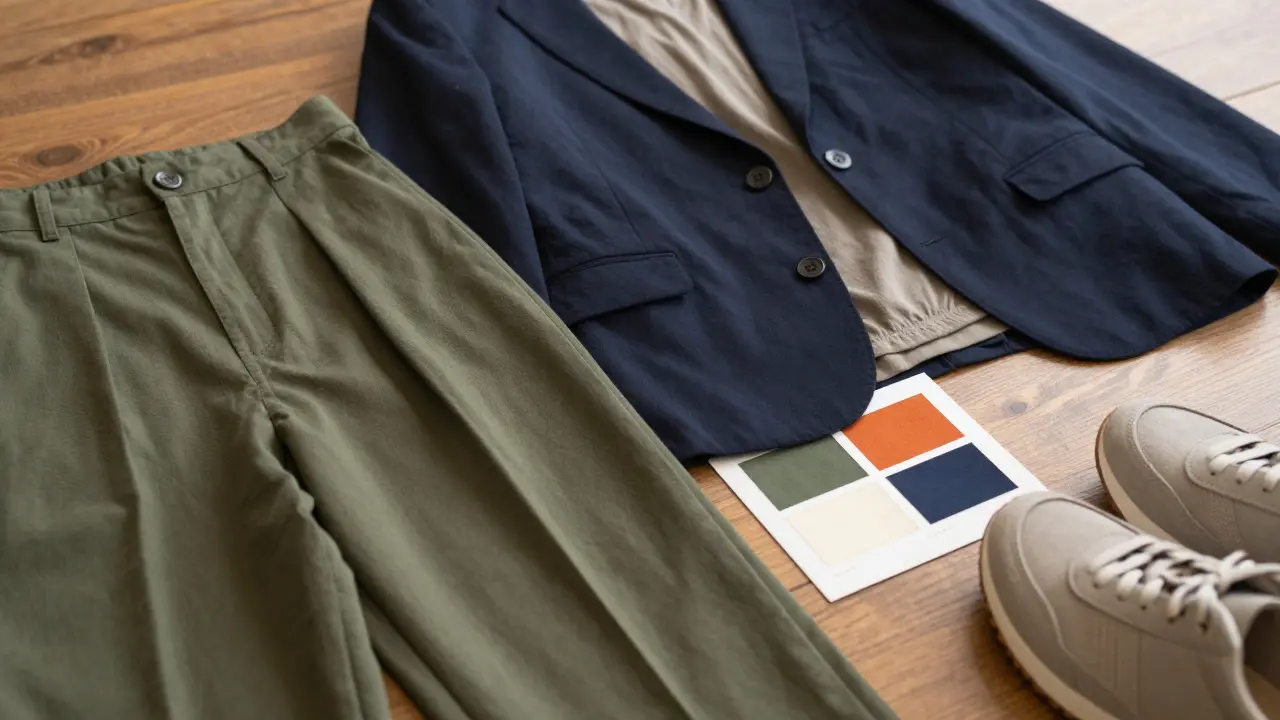
A common misconception is that a capsule wardrobe means wearing only black and gray. While neutrals form the backbone, incorporating a curated color palette adds personality and visual interest. Choose three base neutrals (e.g., navy, charcoal, cream) and two accent colors that complement your skin tone.
For instance, if you have warm undertones, earthy accents like olive green or burnt orange work beautifully against a neutral foundation. Cool undertones pair well with jewel tones like sapphire blue or emerald. Stick to this palette when selecting new pieces to ensure everything mixes seamlessly.
Pattern play can also enhance versatility. Stripes, subtle checks, or small florals add texture without overwhelming the eye. Limit bold prints to one or two statement pieces per season to prevent clutter.
Navigating Sizing Inconsistencies Across Brands
Even with careful planning, you’ll encounter sizing quirks. Here’s how to handle them:
- Read reviews with photos: Real customers often note whether items run large, small, or true to size. Pay attention to comments from reviewers with similar body types.
- Utilize return policies: Shop from retailers with free returns or easy exchanges. Try multiple sizes at home to find the best fit.
- Invest in alterations: A tailor can adjust hemlines, take in waists, or shorten sleeves for a custom fit. Budget $10-$30 per alteration-it’s cheaper than buying new clothes constantly.
- Use virtual fitting tools: Some online platforms now offer AI-driven fit recommendations based on your past purchases and body metrics.
Don’t hesitate to size up if between sizes. It’s easier to tailor down than to stretch out a tight garment.
Seasonal Transitions: Adapting Your Core Collection
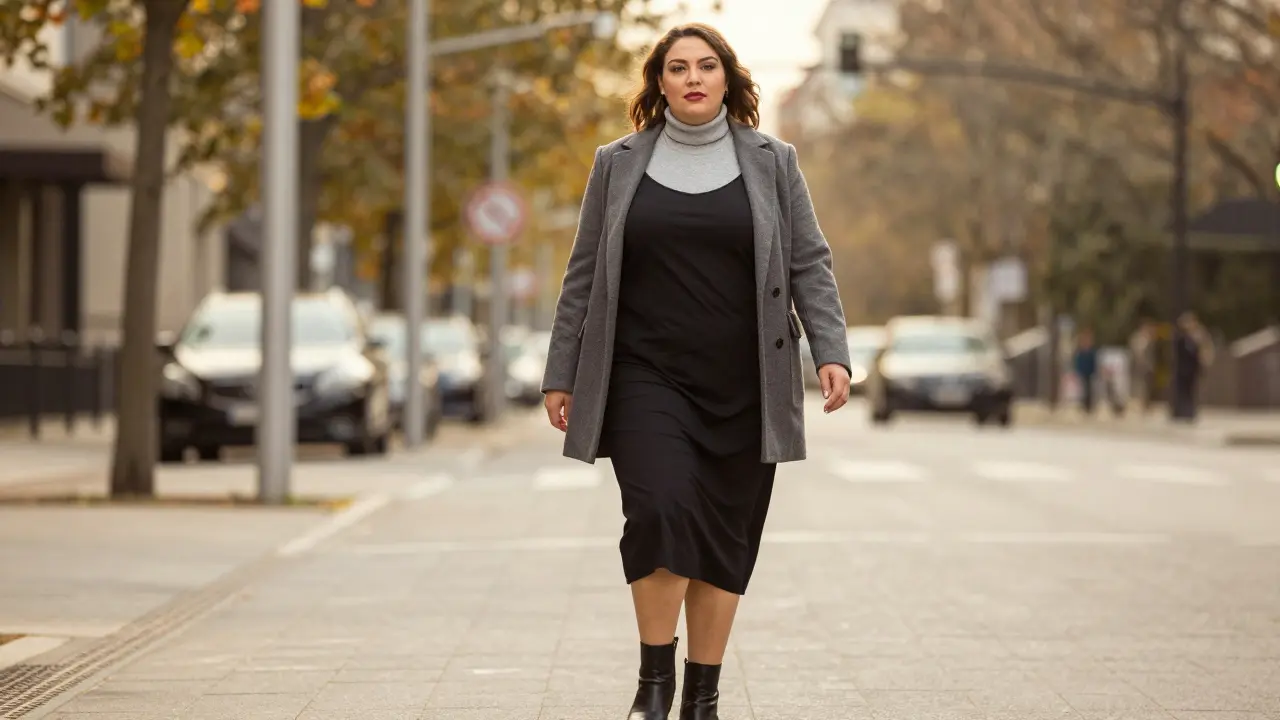
Your capsule wardrobe should evolve slightly with the seasons while retaining its core structure. Swap heavy knit sweaters for lightweight cardigans in spring. Replace opaque tights with bare legs or sheer hosiery in summer. Add scarves or belts to refresh existing outfits without purchasing new items.
Layering is your best friend. A simple slip dress can transition from summer evenings to winter nights by adding turtlenecks underneath and boots on top. The key is keeping transitional pieces flexible-think open-front jackets, versatile shawls, and reversible accessories.
Common Pitfalls to Avoid
Many people stumble when starting a capsule wardrobe by falling into these traps:
- Buying duplicates: Having five identical black t-shirts doesn’t increase versatility. Vary necklines, lengths, and textures instead.
- Ignoring shoe compatibility: Ensure your footwear matches the majority of your outfits. Neutral sneakers, loafers, and ankle boots cover most bases.
- Overlooking accessories: Scarves, jewelry, and bags can transform a basic outfit. Include 2-3 signature accessories in your count.
- Chasing trends: Trendy pieces rarely survive beyond a season. Focus on timeless silhouettes that won’t date quickly.
Building Confidence Through Intentional Style
Ultimately, a plus-size capsule wardrobe empowers you to dress with purpose. You spend less time deciding what to wear and more time enjoying your day. Each piece serves a function, looks great, and makes you feel confident.
Start small. Audit your current closet, donate items that no longer fit or spark joy, and identify gaps. Then shop deliberately, prioritizing quality over quantity. Over time, you’ll develop a keen sense of what works for your unique shape and lifestyle.
Remember, fashion shouldn’t exclude anyone based on size. By focusing on fit, fabric, and coordination, you create a wardrobe that celebrates your body rather than hiding it. This isn’t about restriction-it’s about liberation.
How many pieces should be in a plus-size capsule wardrobe?
Aim for 30-40 total items, including tops, bottoms, dresses, outerwear, and shoes. Exclude underwear, sleepwear, and specialized activewear. Adjust based on your lifestyle-for example, office workers may need more formal pieces, while casual lifestyles allow for more relaxed options.
What are the best fabrics for plus-size clothing?
Look for blends containing natural fibers like cotton, wool, or linen mixed with 2-5% elastane for stretch and recovery. Tencel and modal offer softness and moisture control. Avoid stiff, non-breathable synthetics that cling or restrict movement.
How do I deal with inconsistent sizing across brands?
Ignore size labels and rely on measurements. Use customer reviews with photos, check retailer size charts, and utilize generous return policies. Consider tailoring for perfect fit, especially for expensive items like blazers or trousers.
Can I include trendy pieces in my capsule wardrobe?
Limit trendy items to 1-2 per season. Focus on timeless foundations first. If you love a trend, choose a version that aligns with your color palette and can be mixed with existing staples. Avoid fast-fashion impulse buys that lack durability.
Is a capsule wardrobe suitable for all body shapes?
Yes, absolutely. The concept adapts to any body type by emphasizing fit and proportion. Curvy figures benefit from defined waists and balanced silhouettes, while apple shapes may prefer empire lines and vertical seams. Tailor choices to highlight your strengths.
How often should I update my capsule wardrobe?
Review your collection seasonally. Replace worn-out items, swap seasonal layers, and add one or two new pieces that fill identified gaps. Major overhauls are unnecessary unless your lifestyle changes significantly.
Where can I find affordable plus-size basics?
Retailers like Target (Universal Thread line), Old Navy, Amazon Essentials, and thrift stores offer budget-friendly options. Sales events at mid-range brands like Eloquii or ASOS Curve also provide good value. Prioritize sales tax-free states if ordering online.
Do I need to match my skin tone when choosing colors?
While understanding your undertone helps select flattering shades, personal preference matters most. Wear colors that make you feel confident. Experiment with draping fabrics near your face to see which hues brighten your complexion.