

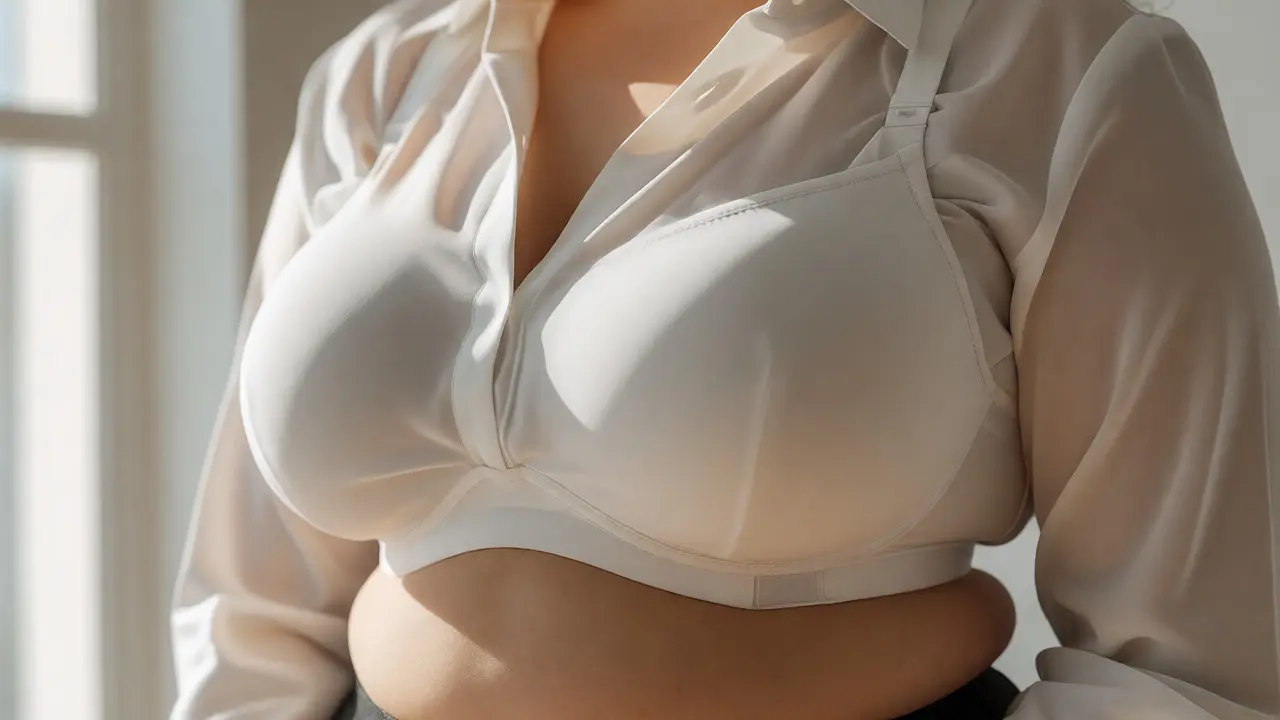
You know that feeling when you buy a dress online, it looks perfect on the model, but when you zip it up, the fabric bunches weirdly at the waist or pulls across the back? You blame your body. You think, "Maybe I should lose ten pounds before wearing this." But here is the truth most people miss: it’s rarely about the number on the scale. It’s often about the foundation underneath. Plus-size lingerie fitting is not just about comfort; it is the secret architecture that makes off-the-rack clothes look custom-made.
If you have ever felt like standard sizing charts were written for a different species, you are right. Most mass-market clothing assumes a straight-up-and-down torso. Curvy bodies-whether you identify as plus-size, mid-size, or simply have an hourglass shape-need structural support that redistributes weight and smooths lines. When your bra fits correctly and your shapewear is chosen with intent, your shirt sits flat, your pants don't gap at the waist, and your confidence skyrockets. Let’s break down exactly how to fix your foundation so your wardrobe finally works for you.
The Myth of the One-Size-Fits-All Band
Let’s start with the biggest culprit in bad fits: the band. In the world of bras, the band provides 80% of the support, not the straps. If your straps are digging into your shoulders, leaving red marks, or sliding off, your band is likely too loose. For many plus-size women, the struggle isn’t finding a large cup size; it’s finding a tight enough band to anchor the garment.
Think of your bra like a construction crane. The tower (band) must be firmly anchored to the ground (your ribcage). If the base wobbles, the whole structure fails. A common mistake is buying a larger band size to accommodate breast volume, then compensating by tightening the straps. This creates a vicious cycle of discomfort and poor silhouette.
- The Sniff Test: On the loosest hook, you should be able to slide two fingers under the band, but no more. If you can pull it away from your body easily, it’s too big.
- The Parallel Rule: Look in a mirror from the side. The band should sit parallel to the floor. If it rides up your back, it’s providing zero lift.
- Sister Sizing: If a 34DD feels too tight but a 36D feels loose, try a 36DD or 34E. Understanding sister sizes helps you navigate inconsistent brand sizing.
Why Cup Shape Matters More Than Cup Size
We obsess over letters (A, B, C, D, DD), but we ignore shapes. Two women can wear the same 40DDD and need completely different bras. Why? Because breast tissue distribution varies wildly. Some women carry fullness at the top (full-on-top), while others have narrow roots and wide-set breasts.
When you wear a bra with the wrong cup shape, you get "quad-boob" (spillage over the top) or gaping at the neckline. This distorts the drape of any blouse or dress you wear over it. If your bra cups are too shallow, your clothes will look boxy because the fabric has nowhere to go. If they are too deep, you’ll see wrinkles where there shouldn’t be any.
| Breast Shape | Description | Best Bra Style | Why It Works |
|---|---|---|---|
| Full-On-Top | More volume above the nipple line | Seamless T-shirt Bra with Light Padding | Pads fill the empty space at the top, preventing gaping. |
| Narrow Roots | Breasts are close together, narrow base | Plunge or Balconette | Center gore lies flat against the sternum without cutting in. |
| Wide Set | Breasts point outward, wide spacing | Demi-Cup or Wide-Gore Plunge | Supports outer tissue without pushing breasts inward uncomfortably. |
| Teardrop | Less volume at top, heavy at bottom | Underwire with Deep Cups | Provides lift from below without adding bulk at the cleavage. |
Shapewear Is Not Just About Sucking In
For decades, shapewear was marketed as a punishment tool-a way to squeeze yourself into a smaller size. That mindset is outdated. Modern shapewear is about smoothing and sculpting. It’s about eliminating friction between skin and fabric so your clothes glide rather than cling.
Do not buy shapewear based on your dress size. Buy it based on your measurements and the specific problem you want to solve. Are you trying to smooth back fat? Eliminate panty lines? Define your waist? Each goal requires a different garment.
Choosing the Right Compression Level
Not all shapewear is created equal. Wearing high-compression control-top underwear under a flowy linen dress is unnecessary and uncomfortable. Conversely, light-control briefs won’t help if you’re wearing a structured pencil skirt.
- Light Control: Best for everyday wear under knitwear or soft fabrics. Smooths minor bumps without restricting movement.
- Firm Control: Ideal for fitted dresses, suits, or denim. Provides noticeable shaping and waist definition.
- Extra Firm: Reserved for special occasions or structured garments. Can feel restrictive during long days.
A pro tip from my own closet: always test your shapewear with the actual outfit you plan to wear. Stand up, sit down, and walk around. If it rolls down at the waist, it’s too small. If it creates new bulges above the leg openings, it’s too tight. The goal is seamless integration, not pain.
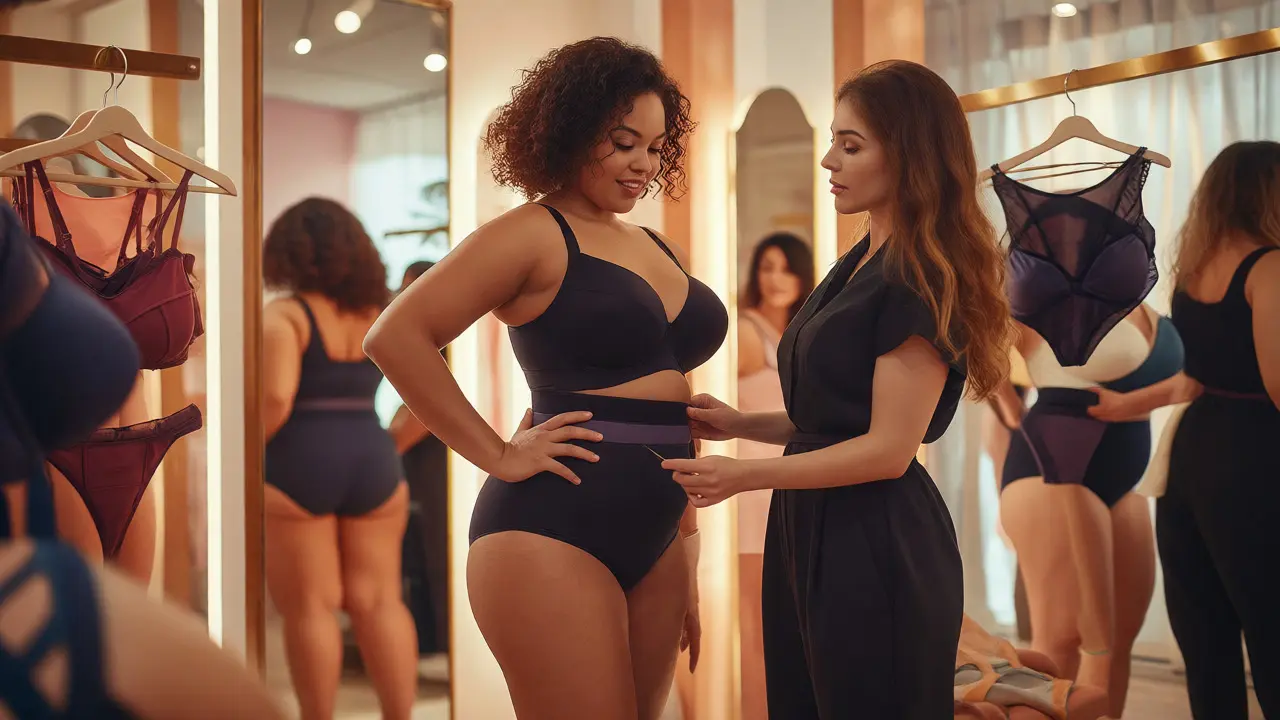
The Role of Panties and Briefs in Silhouette
We often overlook panties, assuming they don’t affect the overall fit. Wrong. The rise of your brief determines how your pants sit on your hips. Low-rise cuts can create a "muffin top" effect even if you aren’t gaining weight, simply because the fabric edge digs into soft tissue.
For plus-size bodies, mid-rise or high-waisted briefs often provide better coverage and stay put throughout the day. They also prevent the dreaded VPL (Visible Panty Line) under thin fabrics. Look for laser-cut edges or bonded seams instead of traditional elastic hems, which tend to dig in and leave marks.
Consider the fabric, too. Cotton is breathable but doesn’t offer smoothing. Nylon-spandex blends are excellent for shaping but can trap heat. For summer months in humid climates like New York, look for moisture-wicking technical fabrics that offer both breathability and light compression.
How Proper Fitting Transforms Your Wardrobe
Once you dial in your bras and shapewear, something magical happens. You stop fighting your clothes. Here is what changes:
- Necklines Behave: With proper bust support, necklines lie flat. You won’t see gaping at the front of button-down shirts.
- Waist Definition Returns: Correct shapewear highlights your natural curves rather than hiding them. Belts actually cinch your waist instead of creating a sausage effect.
- Back Lines Disappear: Ill-fitting bras cause back bulge. A properly fitted band eliminates this, making open-back tops wearable again.
- Clothes Last Longer: When clothes aren’t stretched out of shape by ill-fitting undergarments, they maintain their integrity longer. No more distorted armholes or stretched-out waistbands.
This isn’t just vanity. It’s functionality. When you feel secure in your foundation, you move differently. You stand taller. You engage more confidently in meetings, dates, and social gatherings. The psychological impact of a good fit cannot be overstated.
Shopping Tips for the Real World
Buying lingerie online is risky, especially for plus-size shoppers who already deal with inconsistent sizing. Here is how to minimize returns:
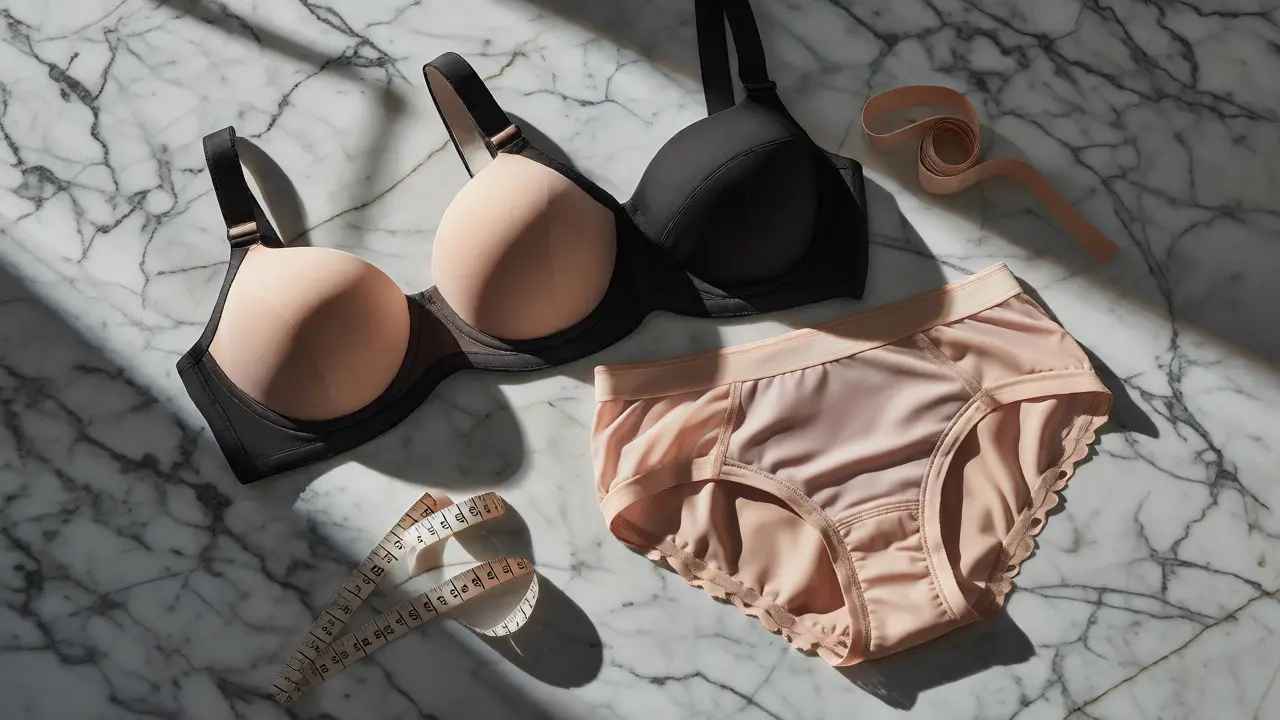
- Measure Twice: Use a soft tape measure. Measure under your bust snugly for band size. Measure around the fullest part of your bust for cup size. Do this every six months; bodies change.
- Read Reviews Specifically for Body Type: Ignore star ratings. Search reviews for keywords like "wide set," "full figure," or "soft belly." Real people share real experiences.
- Check Return Policies: Prioritize brands with free returns and exchanges. Brands like ThirdLove, Savage X Fenty, and Torrid have robust programs because they understand fit issues are common.
- Invest in Quality: Cheap bras stretch out after three washes. A $50-$70 bra that lasts a year is cheaper than five $15 bras that fail quickly.
Don’t be afraid to visit a specialty store for a professional fitting. Even if you shop online later, knowing your exact size in one reputable brand gives you a baseline. Many independent boutiques offer free fittings and will teach you how to check the fit yourself.
Maintenance: Keeping Your Foundation Fresh
Your undergarments take a beating. Sweat, oils, and daily wear degrade elastic fibers faster than you think. To extend the life of your bras and shapewear:
- Hand Wash When Possible: Machine washing breaks down spandex. If you must use a machine, use a mesh laundry bag and cold water.
- Air Dry Only: Heat kills elasticity. Never put your bras or shapewear in the dryer.
- Rotate Your Bras: Elastic needs 24 hours to recover its shape. Don’t wear the same bra two days in a row.
Treating your lingerie with care ensures it continues to perform its job: transforming how your clothes fit and how you feel in them.
How do I know if my bra band is too loose?
If your bra band rides up your back when you raise your arms, or if you can pull it more than two inches away from your body, it is too loose. The band should remain horizontal and snug, providing the primary support for your bust.
Can shapewear damage my health?
Modern shapewear is generally safe. However, excessively tight garments can restrict breathing or digestion. Choose the correct size based on your current measurements, not your desired size. If you experience numbness, tingling, or difficulty taking deep breaths, the garment is too tight.
What is sister sizing and why does it matter?
Sister sizes are bra sizes that hold the same cup volume but have different band lengths. For example, 34C, 36B, and 32D all hold roughly the same amount of breast tissue. Sister sizing matters because if a band is too tight but the cup fits, you might try a larger band with a smaller cup letter (e.g., moving from 34C to 36B).
Should I wear shapewear every day?
No, you don't need to wear shapewear every day. It is best used for specific outfits that require smoothing or shaping. Daily wear of high-compression garments can weaken core muscles over time. Opt for comfortable, non-shaping underwear for casual days and save shapewear for structured or fitted attire.
How often should I replace my bras?
On average, bras last 6 to 9 months with regular rotation and proper care. Signs it’s time to replace include stretched-out bands, twisted wires, faded fabric, or loss of shape. Since bras provide structural support, worn-out ones fail to improve clothing fit.


Write a comment