

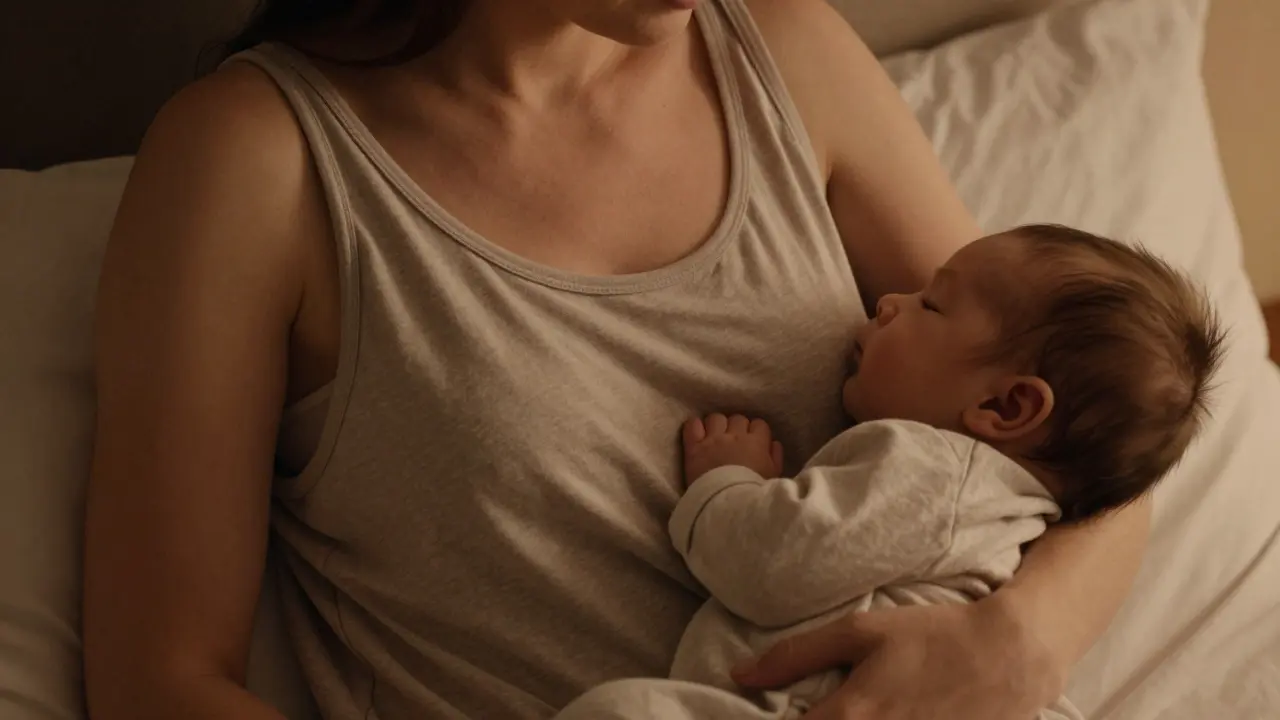
There is a specific kind of exhaustion that only new parents know. It’s not just the lack of sleep; it’s the physical reality of your body healing while you try to function. You are recovering from childbirth, possibly dealing with C-section scars or perineal tears, and managing hormonal shifts that make your skin feel like sandpaper one day and sensitive tissue the next. In this landscape, what you wear matters more than ever. Standard cotton t-shirts might feel like burlap sacks against healing skin, and stiff denim can be an act of torture.
Finding recovery-friendly fabrics isn't about vanity. It is about basic human comfort during a vulnerable time. When you are pumping milk every three hours or changing diapers at 3 AM, the last thing you need is a shirt tag scratching your chest or waistband digging into a fresh incision. This guide breaks down exactly which materials help your body heal and which ones you should avoid entirely.
The Science of Touch: Why Fabric Matters for Healing
Your nervous system is on high alert postpartum. Between the adrenaline of caring for a newborn and the physical pain of recovery, your threshold for irritation drops significantly. This is where the concept of 'sensory processing' comes in. Rough textures create micro-frictions that can irritate healing tissues, especially around C-section sites or breastfeeding areas.
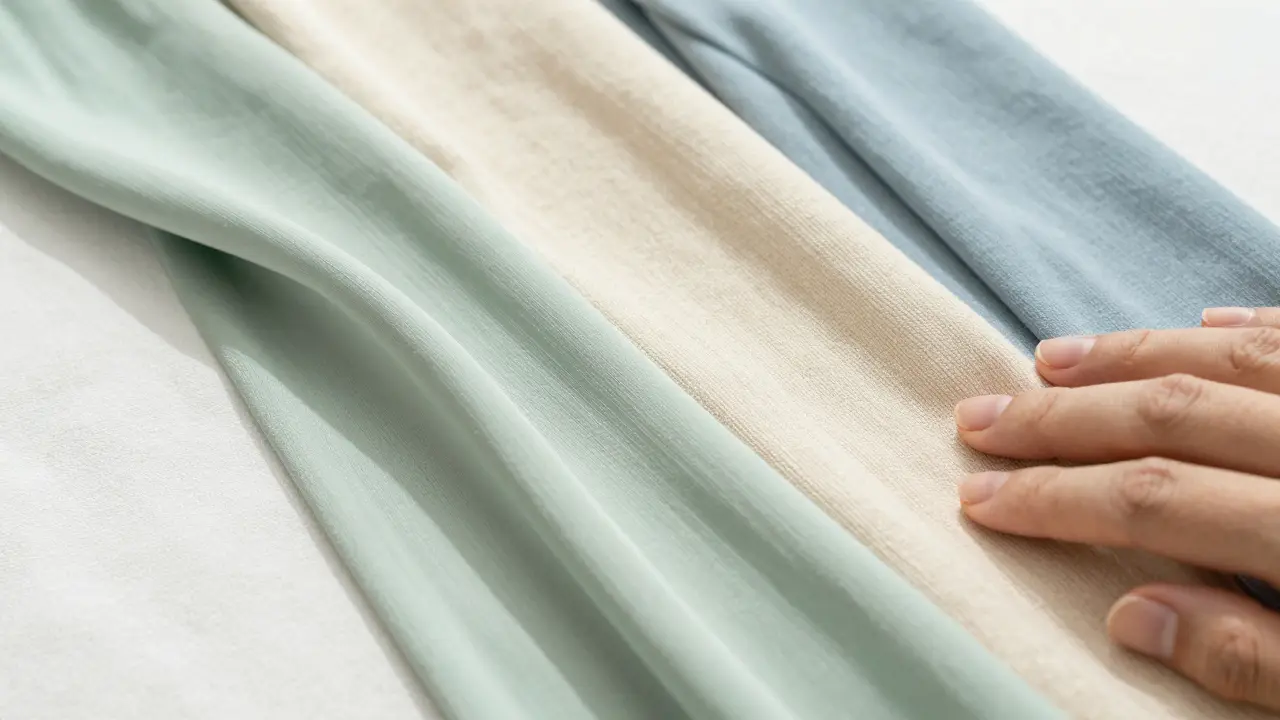
Ideal recovery fabrics share three key attributes: breathability, moisture-wicking capability, and a soft hand-feel (the technical term for how smooth fabric feels to the touch). Breathability prevents overheating, which is common due to hormonal fluctuations. Moisture-wicking keeps sweat and milk leaks away from the skin, reducing the risk of rashes or infections. And obviously, if it doesn’t feel like a cloud, you won’t want to wear it.
Top Recovery-Friendly Fabrics to Embrace
Not all soft materials are created equal. Some trap heat, some shrink after washing, and others lose their shape after one use. Here are the best performers for postpartum comfort.
| Fabric Type | Key Benefit | Best For | Care Note |
|---|---|---|---|
| Bamboo Viscose | Temperature regulation and antibacterial properties | Nighttime nursing tops and loungewear | Wash cold, hang dry to prevent pilling |
| Modal | Extreme softness and drape; resists shrinking | Underlayers and seamless underwear | Gentle cycle recommended |
| Organic Cotton Jersey | Hypoallergenic and breathable | Everyday casual dresses and tunics | Durable, but may shrink slightly |
| Tencel (Lyocell) | Sustainable production and silky texture | Flowy skirts and wide-leg pants | Delicate wash, low heat iron |
Bamboo Viscose: The Temperature Regulator
If you could pick only one fabric for your first six weeks home, let it be bamboo viscose. Derived from bamboo pulp, this material has natural thermoregulating properties. Remember those hot flashes? Bamboo helps dissipate heat when you’re warm and retains warmth when you’re cold. It is also naturally antibacterial, which is a huge plus when you’re dealing with bodily fluids and limited shower time. The downside? It can pill over time if washed aggressively, so treat it gently.
Modal: The Shape-Keeper
Modal is made from beech tree pulp and is often blended with elastane for stretch. It is smoother than cotton and stronger than silk. Why does this matter? Because modal holds its shape incredibly well. After multiple washes, a modal nursing tank will still look crisp and fit snugly without bagging out at the elbows or neckline. It’s perfect for base layers because it wicks moisture better than standard cotton.
Organic Cotton Jersey: The Safe Bet
Conventional cotton is great, but organic cotton jersey takes it up a notch. The "jersey" part refers to the knit structure, which provides natural stretch without needing synthetic spandex. This is crucial for C-section moms who cannot have tight elastic bands near their incision. Organic certification ensures no harsh pesticides or chemicals were used in growing the cotton, reducing the risk of skin irritation for both you and baby during skin-to-skin contact.
Fabrics to Avoid During Recovery
Knowing what to buy is half the battle. Knowing what to stay away from saves you money and frustration. Here are the fabrics that often masquerade as comfortable but fail the postpartum test.
- Stiff Denim: Unless it’s raw, unbleached, and broken-in for years, skip jeans in the first month. Even "stretch" denim often contains rigid fibers that dig into hips and stomachs. Opt for drawstring joggers instead.
- Synthetic Polyester Blends: While cheap and durable, polyester traps heat and odor. If you are sweating through a nursing bra, polyester will keep that moisture against your skin, leading to chafing and potential mastitis risks.
- Rough Linen: Linen is breathable, yes, but traditional linen is scratchy. It requires breaking in. Your skin doesn’t have the luxury of time right now. If you love linen, look for "washed" or "softened" linen blends, but proceed with caution.
- Tight Elastane Bands: Avoid anything with non-stretch waistbands. Your abdomen is still involuting (shrinking back to pre-pregnancy size), and rigid bands can restrict blood flow and cause discomfort.
Design Features That Complement Soft Fabrics
Fabric is only half the equation. The cut and construction of the garment determine whether it actually works for your changing body. Look for these design elements:
- Side-Opening Bras: These allow access for feeding without removing the entire garment. Look for hook-and-eye closures rather than snaps, which can be fiddly with one hand.
- Crossover Necklines: A crossover top allows you to pull aside the fabric discreetly for nursing. It also provides extra coverage for bloated bellies.
- Empire Waists: This cut sits just under the bust, skimming over the stomach rather than cinching it. It’s forgiving for post-baby belly changes and avoids pressure on C-section scars.
- Tagless Labels: It sounds minor, but a printed label inside the neck is infinitely better than a sewn-in tag that rubs against sensitive skin.
Building a Minimalist Postpartum Wardrobe
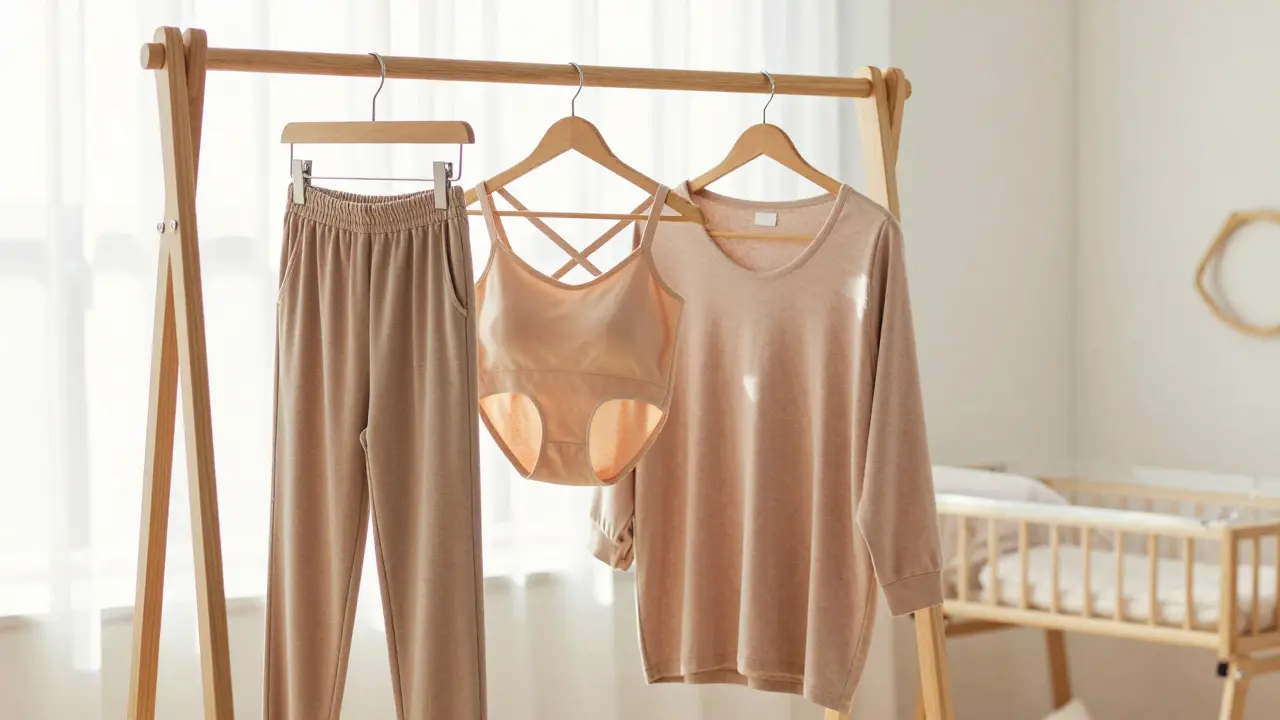
You don’t need a hundred outfits. You need versatility. Aim for a capsule wardrobe of 5-7 core pieces that mix and match easily. Here is a sample list:
- 3x Bamboo Nursing Tanks (neutral colors)
- 2x Modal Long-Sleeve Tunics
- 1x Pair of High-Waisted, Wide-Leg Joggers (drawstring)
- 1x Wrap Dress in Tencel (for visitors or short outings)
- 2x Pairs of Seamless Briefs (high coverage)
This approach minimizes decision fatigue. When you’re running on three hours of sleep, you shouldn’t have to think about what matches. Everything should coordinate, everything should be machine washable, and everything should feel like a hug.
Caring for Your Recovery Clothes
To make these fabrics last through the fourth trimester and beyond, care matters. Hot water destroys elasticity in bamboo and modal. Always wash in cold water on a gentle cycle. Use a mild detergent free of dyes and perfumes, as your sense of smell is heightened postpartum, and chemical scents can be overwhelming. Hang-dry whenever possible to preserve the fiber integrity and reduce energy costs. If you must tumble dry, use the lowest heat setting.
Transitioning Out of Recovery Wear
There is no strict timeline for when to stop wearing recovery clothes. For many, the shift happens around 6-8 weeks when the uterus has fully contracted and lochia (postpartum bleeding) has stopped. However, comfort is subjective. Some women continue wearing loose, soft fabrics for months because they simply feel better. Listen to your body. If jeans pinch, put them back in the drawer. There is no prize for suffering in fashion.
Is bamboo fabric safe for newborns?
Yes, bamboo viscose is generally considered very safe for newborns. It is hypoallergenic, soft, and breathable, which reduces the risk of skin irritation. However, ensure the manufacturing process uses closed-loop systems (like Lyocell) to minimize chemical exposure during production. Look for Oeko-Tex Standard 100 certification, which tests for harmful substances.
Can I wear regular cotton underwear after a C-section?
You can, but high-waisted, seamless options are much better. Regular cotton briefs may sit too low and rub against your incision site, causing pain and potentially delaying healing. High-waisted styles provide support and coverage above the scar. Ensure the cotton is soft jersey knit rather than stiff woven cotton.
How do I deal with postpartum sweating in summer?
Postpartum night sweats are caused by dropping hormone levels. To manage this, choose moisture-wicking fabrics like bamboo or Tencel. Layer your clothing so you can remove pieces as you get warmer. Keep a fan nearby and dress in lightweight, loose-fitting garments that allow air circulation. Avoid synthetic blends that trap heat.
Are seamless bras necessary for breastfeeding?
While not strictly necessary, seamless bras offer significant comfort advantages. Seams can press into tender breast tissue, especially if you are engorged or leaking milk. Seamless designs distribute pressure evenly and reduce friction. Look for wireless options with wide, soft straps to support heavy breasts without digging in.
When should I start wearing my pre-pregnancy clothes again?
There is no set date. Wait until your body feels ready and your clothing fits comfortably without restriction. Forcing yourself into tight clothes too soon can hinder circulation and cause discomfort. Focus on how the clothes feel rather than how they look. Many women find that certain items never fit quite the same way, and that’s okay. Prioritize comfort and confidence.


Write a comment