

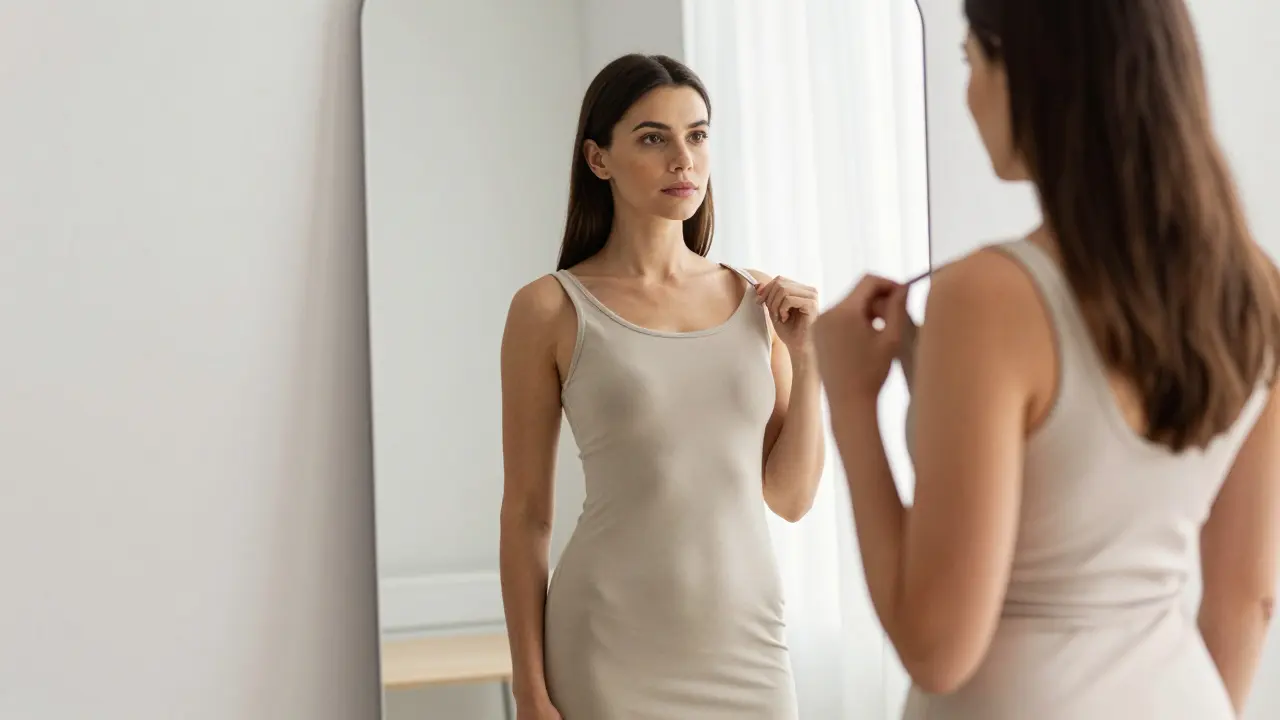
You stand in front of the mirror, holding up a fitted dress, and wonder why it just doesn't look like it's doing anything for you. You have a flat stomach, which is great, but your shoulders, waist, and hips seem to be on the same level. This isn't a flaw; it's simply your rectangle body type, also known as straight body shape or an athletic silhouette where the bust, waist, and hip measurements are similar. The goal here isn't to change who you are, but to use design elements that trick the eye into seeing curves and creating strategic definition where you want it.
Many women with this shape feel stuck between "boyish" and "boxy" labels. But the truth is, this body type is incredibly versatile. Think of models like Gisele Bündchen or Kate Hudson-they rock everything from skinny jeans to flowing gowns because they understand how to manipulate their silhouette. The secret lies not in hiding your body, but in adding volume where needed and cinching where possible.
Understanding the Rectangle Silhouette
Before we pick out clothes, let's get clear on what defines this shape. If your shoulder width is roughly equal to your hip width, and your waist measurement is less than 9 inches smaller than your bust or hips, you likely fall into this category. Unlike an hourglass figure, there is no natural indentation at the waist. Instead, the torso tends to be straighter, often resembling an 'H' shape when viewed from the side.
This structure usually comes with some advantages: you can wear high-waisted pants without feeling restricted, and you don't have to worry about accentuating a specific area because nothing stands out disproportionately. However, the challenge is creating the illusion of an hourglass by introducing contrast between the upper and lower body.
The Golden Rule: Create Contrast
The most effective strategy for a rectangle body type is to create visual interest above and below the waist while defining the middle. You want to draw attention away from the straight torso line. Here’s how you do it:
- Add Volume to Shoulders: Use details like puff sleeves, ruffles, epaulets, or wide necklines to broaden the upper frame.
- Add Volume to Hips: Opt for A-line skirts, peplum tops, or pants with pockets and detailing to widen the lower half.
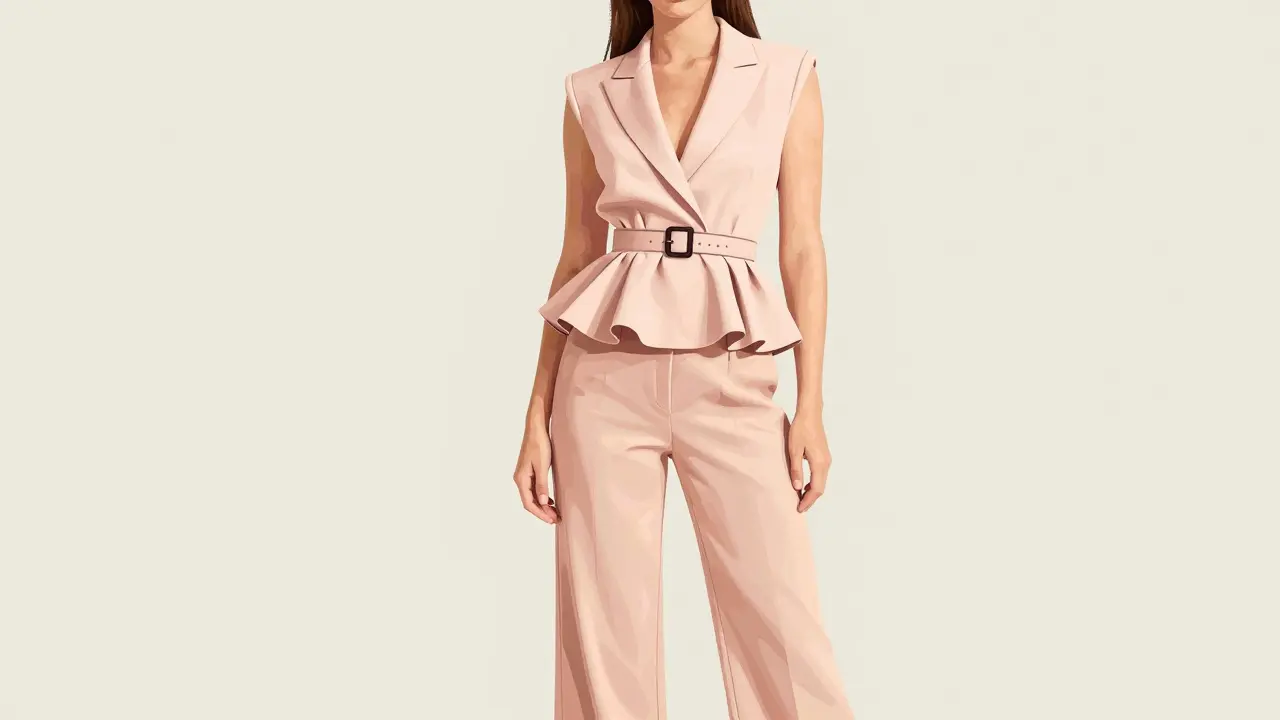
- Cinch the Waist: This is non-negotiable. Belts, tailored waists, and wrap styles help carve out a waistline that might not naturally exist.
When you balance these three elements, you create a triangular or inverted triangle effect that breaks up the straight lines of the rectangle shape. It’s all about optical illusions created through fabric and cut.
Top Pieces That Work Wonders
Your top choices should focus on adding dimension to your chest and shoulders. Avoid simple, boxy t-shirts that hang straight down. Instead, look for:
- Peplum Tops: These flared hems add fake hips and define the waist simultaneously. They are one of the best friends of the rectangle shape.
- Ruffle and Frill Details: Look for blouses with ruffles across the bust or sleeves. This adds bulk to the upper body, making your waist appear smaller by comparison.
- V-Necks and Scoop Necks: Deep necklines break up the vertical line of the torso and draw the eye inward toward the center of the body.
- Structured Blazers: Choose jackets with padded shoulders or structured lapels. Avoid unstructured, slouchy cardigans that emphasize the straightness of your frame.
If you love minimalism, opt for textured fabrics like ribbed knits or cable knits. Texture adds visual weight and depth, preventing the outfit from looking flat.
Bottoms That Build Curves
For the lower half, the goal is to add width to your hips and thighs. Skinny jeans can work if balanced with a voluminous top, but they aren't always the best choice for creating curves on their own. Try these alternatives:
- A-Line Skirts: These flare out from the waist, creating the illusion of wider hips. Midi-length A-line skirts are particularly flattering.
- Wide-Leg Pants: These add volume to the legs and hips, balancing out a narrower waist. High-waisted wide-leg trousers are a modern staple.
- Pants with Pockets: Look for cargo pants or jeans with large back pockets. The extra fabric creates bulges that mimic natural curves.
- Flared Jeans: Similar to A-line skirts, flares start at the knee or thigh and widen downward, adding shape to the lower body.
Pattern plays a huge role here. Dark washes with light stitching, pleats, or horizontal stripes on the bottom half can make your hips look wider. Conversely, solid dark colors will slim them down, which you generally want to avoid unless you're pairing them with a very bright, detailed top.
Dresses: The One-and-Done Solution
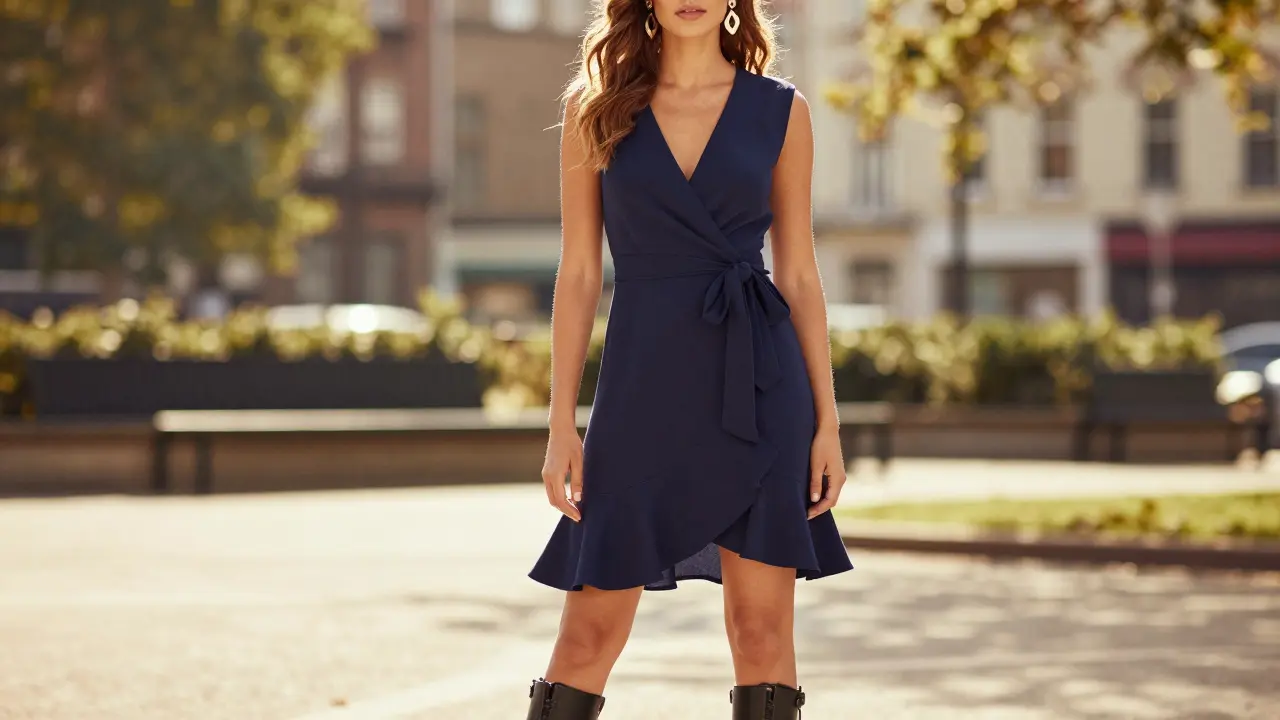
Dresses are your easiest shortcut because they combine top and bottom strategies. Wrap dresses are arguably the best garment for a rectangle body type. The V-neckline broadens the shoulders, the tie waist cinches the midsection, and the skirt flares out to create hips. It’s a complete package.
Other dress styles to consider include:
- Fit-and-Flare Dresses: Fitted through the bodice and flaring out at the knee or waist.
- Empire Waist Dresses: These gather fabric just under the bust, creating a soft curve and flowing loosely over the stomach and hips.
- Shirt Dresses with Belts: A simple shirt dress can look boxy, but adding a belt at the narrowest part of your torso instantly creates definition.
Avoid shift dresses-those straight, tube-like garments that hang from the shoulders. They emphasize the lack of waist definition and make you look rectangular rather than stylishly athletic.
Shoes and Accessories: Finishing the Look
Accessories aren't just extras; they are tools for shaping your silhouette. When choosing shoes, consider how they affect your leg line. Pointed-toe flats or heels elongate the leg, which can help balance a shorter torso. Chunky boots or platform shoes add weight to the feet, grounding the look and complementing wider bottoms.
Belts are your best friend. Wear them over sweaters, cardigans, and even jackets to mark your waist. Don't be afraid to go bold with color or width. A thick belt makes a stronger statement than a thin string one.
Jewelry should also follow the "add volume" rule. Statement earrings, chunky necklaces, or layered chains draw attention to the face and neckline, pulling the eye upward. Avoid delicate, single-strand pearls that sit flat against the chest.
| Category | Do (Creates Curves) | Don't (Emphasizes Straightness) |
|---|---|---|
| Tops | Peplums, ruffles, puff sleeves, V-necks | Boxy t-shirts, boat necks, straight hems |
| Bottoms | A-line skirts, wide-leg pants, pockets | Skinny jeans (without volume on top), pencil skirts |
| Dresses | Wrap dresses, fit-and-flare, belted styles | Shift dresses, straight column dresses |
| Outerwear | Structured blazers, cropped coats | Long, unlined trench coats, oversized parkas |
Fabrics and Patterns That Help
The material you choose matters as much as the cut. Stiff fabrics like denim, tweed, or heavy cotton hold their shape and can create structure. Soft, clingy fabrics like jersey or silk can drape straight down, emphasizing the lack of curves. If you love soft fabrics, ensure they have gathers, pleats, or ruching to add texture.
Patterns are powerful tools. Horizontal stripes on the top or bottom add width. Color blocking-wearing a different color on top and bottom-creates a distinct separation between the upper and lower body, helping to define the waist. For example, a white blouse tucked into navy blue high-waisted pants creates a sharp contrast that highlights your midsection.
Vertical stripes can be tricky. While they elongate, they can also make you look thinner and straighter. If you wear vertical stripes, pair them with a belt to break up the line.
Common Mistakes to Avoid
Even with the right knowledge, it's easy to slip into habits that don't serve your shape. One common mistake is trying to hide your body in oversized clothing. Baggy clothes don't create curves; they create a bigger rectangle. Fit is key. Clothes should skim your body, not drown it.
Another error is ignoring the waist entirely. Some women think that if they don't have a defined waist, they shouldn't highlight it. But cinching the waist is exactly what creates the illusion of one. Don't skip the belt.
Finally, avoid matching head-to-toe monochromatic looks without any breaks. An all-black outfit from neck to ankle can make you look like a straight column. Break it up with a contrasting belt, a different shoe color, or a jacket.
Can I wear skinny jeans with a rectangle body type?
Yes, but you need to balance them. Since skinny jeans emphasize the straightness of your legs, pair them with a top that adds volume to your shoulders and bust, such as a puff-sleeve blouse or a structured jacket. Tuck in a peplum top to create artificial hips.
What is the best neckline for a rectangle body type?
V-necks, scoop necks, and sweetheart necklines are ideal because they draw the eye inward and add dimension to the upper body. Avoid high necks like turtlenecks unless you pair them with statement earrings to break up the vertical line.
Should I wear belts every day?
You don't have to wear them every day, but they are highly recommended for outfits that lack natural waist definition. Use belts over dresses, tunics, and cardigans to create a focal point and simulate curves.
Are pencil skirts good for rectangle shapes?
Pencil skirts can be challenging because they hug the straight hips. If you wear them, ensure the top is voluminous to create balance. Alternatively, choose pencil skirts with pleats or ruffles at the hem to add slight width.
How do I dress for formal events with a rectangle body type?
Look for gowns with empire waists, draped bodices, or ballgown silhouettes. These styles create volume at the shoulders and hips while defining the waist. Avoid sheath dresses that hang straight down.