

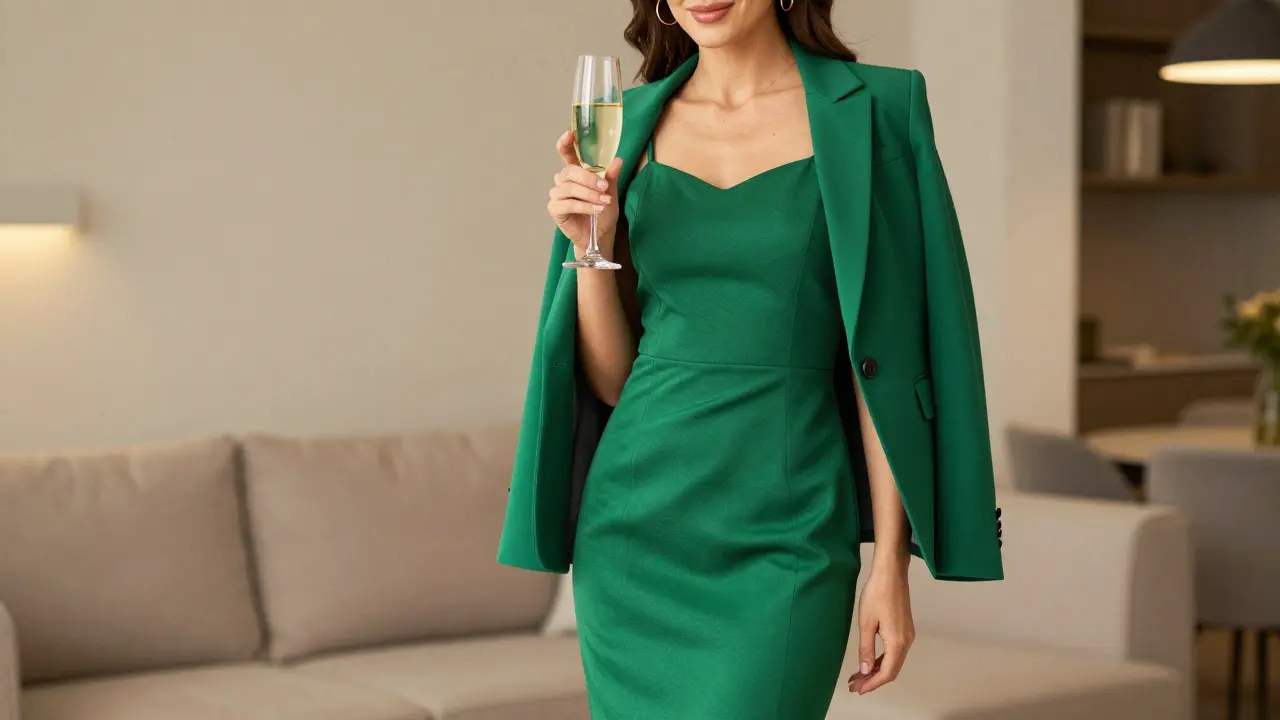
Picture this: you’ve just landed an invite to a high-profile gala or a black-tie wedding. Your mind immediately flashes to those glossy magazine spreads of celebrities gliding down the red carpet in towering gowns and sharp tuxedos. It looks amazing, sure. But then reality hits. You have to drive there. You might need to sit on hard chairs for three hours. You definitely don’t want to trip over a train of fabric while grabbing your drink. That gap between red carpet style and actual human movement is where most people get stuck.
The secret isn't to dress like a mannequin; it's to steal the *energy* of the awards show without the structural engineering required to keep those outfits upright. We can take the glamour of the stars and translate it into clothes that actually let you breathe, walk, and enjoy the night. This guide breaks down how to build an awards ceremony look that is inspired by celebrity fashion but designed for real-world comfort and mobility.
Decoding the Red Carpet Aesthetic
Before we start shopping, we need to understand what makes a look feel "red carpet." It’s rarely about the volume of fabric. It’s usually about silhouette, texture, and intention. When you see a star like Zendaya or Timothée Chalamet, they aren't just wearing clothes; they are wearing a statement. The common thread among successful celebrity styles is confidence through fit.
If you analyze recent trends from major events like the Oscars or the Met Gala, a few key elements stand out:
- Monochromatic power suits: Wearing one color from head to toe elongates the body and looks expensive.
- Strategic sparkle: Instead of covering the whole outfit in sequins, designers use metallic threads or subtle shimmer on specific panels.
- Sharp tailoring: Whether it’s a blazer or a gown, the shoulders and waist are defined. Sloppy fits kill the vibe instantly.
You don’t need a custom designer piece to achieve this. You just need to focus on these three pillars. If your outfit has a clean line, a touch of luxury texture, and fits perfectly, you’re already halfway there.
Fabrics That Feel Like Luxury (But Survive the Night)
One of the biggest mistakes people make when trying to look fancy is choosing fabrics that restrict movement or require constant attention. Think about silk chiffon-it looks divine but tears if you look at it wrong. Or stiff brocade-it holds its shape but feels like wearing armor. For a practical approach, we need materials that drape well, resist wrinkles, and feel good against the skin.
Here are the best fabric choices for a practical yet glamorous look:
- Crepe: This is the unsung hero of evening wear. It has a slight texture that catches light beautifully, giving it a rich appearance. More importantly, it doesn’t wrinkle easily and moves with your body. Many high-end brands use crepe for their most comfortable gowns.
- Velvet: Perfect for fall and winter events. Velvet adds instant depth and luxury to any garment. Look for stretch velvet blends so you aren’t restricted when sitting down. A velvet blazer or midi skirt screams sophistication without being overly dramatic.
- Satin (Polyester Blend): Pure silk satin is high maintenance. A high-quality polyester satin blend gives you that same glossy, reflective finish but is much more durable and easier to care for. It slides over other layers smoothly, making it great for layering under jackets.
- Structured Wool: For men or anyone opting for trousers, a fine wool blend offers a crisp, tailored look that breathes better than synthetic alternatives. It keeps its shape throughout the night, even after hours of sitting.
Avoid heavy beading or large crystals unless you’re willing to deal with snagging risks. Small, flat embellishments or woven-in metallics provide the same visual impact without the physical hazard.
The Silhouette Strategy: Length and Fit
Length is the number one culprit for ruined evenings. Floor-length gowns sound romantic until you realize you’re dragging hemlines through spilled champagne or tripping on hotel stairs. The solution? Adjust the length based on your shoes and the venue.
If you love the drama of a long dress, opt for a tea-length or mid-calf hemline. This hits the sweet spot: it looks formal and elegant but leaves enough room to walk confidently. Pair it with block heels or even stylish flats. Block heels give you the height of stilettos with the stability of sneakers. They distribute weight evenly across the foot, saving you from the agony that plagues many attendees by midnight.
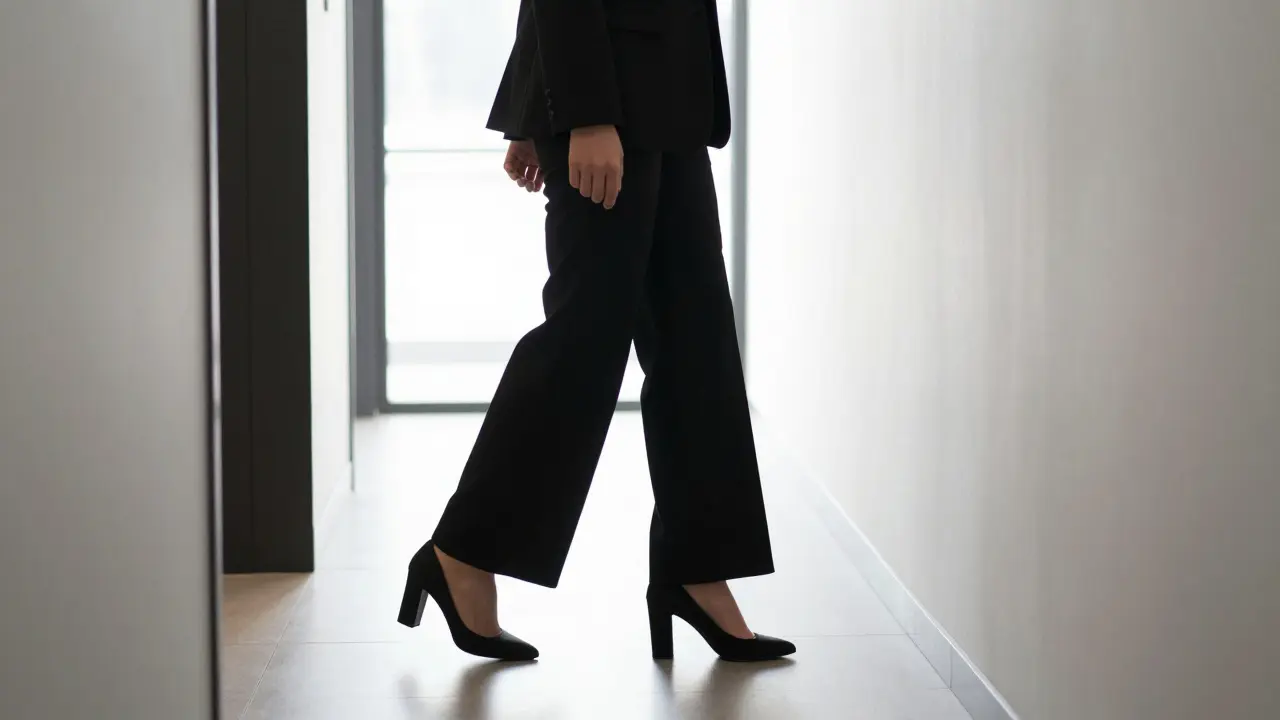
For pantsuits, the trend is shifting toward wide-leg trousers. These offer incredible airflow and freedom of movement compared to skinny jeans or tight slacks. Just ensure the inseam is correct. Too long, and you’ll bunch up at the ankle; too short, and it looks casual. A slight break at the shoe creates a polished, intentional look that mirrors the precision seen on the red carpet.
| Feature | Traditional Red Carpet | Practical Glamour |
|---|---|---|
| Hemline | Floor-length trains | Midi or tea-length |
| Footwear | Stiletto heels / Custom shoes | Block heels / Embellished flats |
| Fabric | Fragile silks / Heavy beading | Stretch crepe / Satin blends |
| Jacket | Oversized capes / Tails | Tailored blazers / Cropped boleros |
Accessories: The Shortcut to Sophistication
If your base outfit is relatively simple-a solid color dress or a plain suit-your accessories do the heavy lifting. This is where you can play with boldness without sacrificing comfort. Celebrities often use jewelry to draw attention to their face or hands, creating focal points that distract from simpler silhouettes.
Consider these accessory rules:
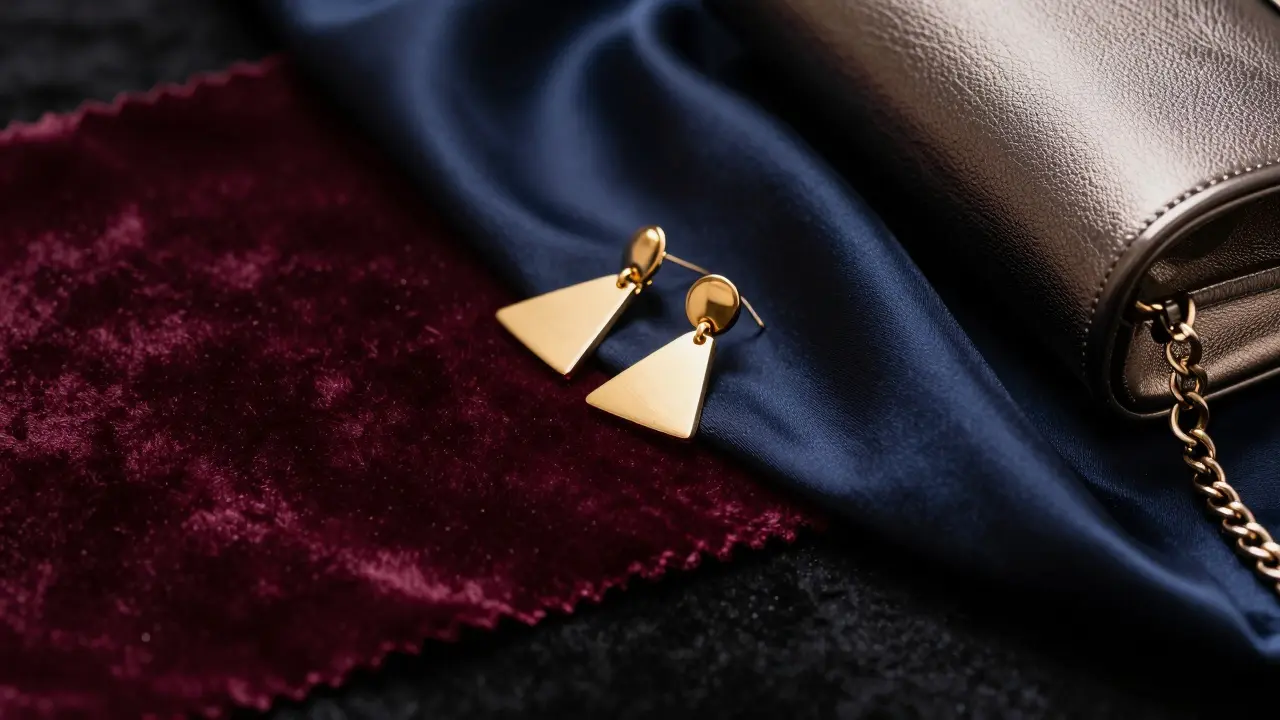
- Statement Earrings: If you’re wearing a necklace, skip the earrings. If you go earring-heavy, keep the neck bare. Large geometric shapes or chandelier styles add verticality and elegance. Choose lightweight metals like gold-filled or hollowed-out designs so they don’t pull on your ears.
- The Clutch: Ditch the oversized tote. A small, structured clutch forces you to pack only essentials (phone, lipstick, cards). Look for ones with chain straps so you can sling them over your shoulder when you need your hands free for holding a glass or eating.
- Shine Factor: Metallic bags or shoes tie the look together. A silver pump with a black dress, or a gold clutch with a navy suit, creates cohesion. Metal tones reflect light, adding that "evening" feel to daytime-friendly colors.
Don’t forget your hair and makeup. A sleek ponytail or a polished blowout looks more intentional than messy waves. In terms of makeup, one standout feature-like a bold lip or defined brows-is enough. You want to look put-together, not painted on.
Color Psychology for the Event
Color choice matters more than you think. On camera, bright whites and pastels can wash out complexions or blow out exposure. In person, neon colors can be jarring under dim lighting. Stick to classic, rich hues that photograph well and flatter most skin tones.
Emerald Green, Deep Burgundy, Navy Blue, and Classic Black are timeless for a reason. They convey authority and elegance. If you want to step out of the box, try jewel tones like amethyst purple or sapphire blue. These colors have depth and richness that mimic the look of gemstones, fitting the theme of an awards ceremony perfectly.
Avoid all-over patterns unless they are very subtle. Busy prints can look chaotic in photos and distracting in conversation. Solid colors allow the cut and texture of the fabric to shine, which is where the real craftsmanship lies.
Grooming and Final Touches
Your outfit is only as good as its condition. Wrinkles are the enemy of elegance. Steam your clothes the morning of the event, not the day before. Hang them properly overnight to let any remaining tension release. Check for loose threads or missing buttons. These small details signal care and attention.
Also, consider the temperature. Venues vary wildly-from freezing outdoor entrances to stuffy indoor halls. Layering is key. A tailored coat or a chic shawl adds warmth and another layer of style. Make sure the layer complements the outfit rather than competing with it. A neutral trench or a faux-fur stole works well here.
Finally, test the full ensemble beforehand. Walk around your house. Sit down. Reach for something high up. If anything feels restrictive or awkward, fix it now. The goal is to arrive looking stunning and leave feeling comfortable, ready to dance or mingle without adjusting your outfit every five minutes.
Can I wear a pantsuit to a black-tie event?
Yes, absolutely. Modern black-tie guidelines have evolved to include sophisticated pantsuits. To make it appropriate, choose luxurious fabrics like silk, satin, or velvet. Ensure the fit is tailored and sharp. Add elegant accessories like statement jewelry or heels to elevate the look from business casual to formal evening wear.
What is the best shoe choice for dancing at a formal event?
Block heels or wedges are the best balance of style and stability. They provide elevation without the precarious balance of stilettos. If you prefer flats, look for embellished ballet flats or loafers with metallic finishes. Avoid new shoes; always break them in before the event to prevent blisters.
How do I avoid looking too casual at an awards-style party?
Focus on fabric quality and fit. Even a simple dress looks formal if it’s made of high-quality crepe or satin and fits perfectly. Avoid denim, cotton t-shirts, or athletic wear. Add structure with a blazer or tailored jacket, and incorporate metallic accessories to signal formality.
Is it okay to wear white to a formal evening event?
White can be tricky. It’s often reserved for weddings or summer galas. For general awards ceremonies or black-tie events, darker or richer colors are safer bets. If you do wear white, ensure it’s an ivory or off-white shade to avoid looking too stark under flash photography. Always check the specific event code first.
What should I do if my outfit feels too warm?
Choose breathable natural fibers like silk or linen blends if possible. Opt for open-back designs or sleeveless cuts with a sheer overlay. Bring a lightweight pashmina or scarf that you can remove if you get hot. Avoid heavy synthetics that trap heat and moisture.


Write a comment