

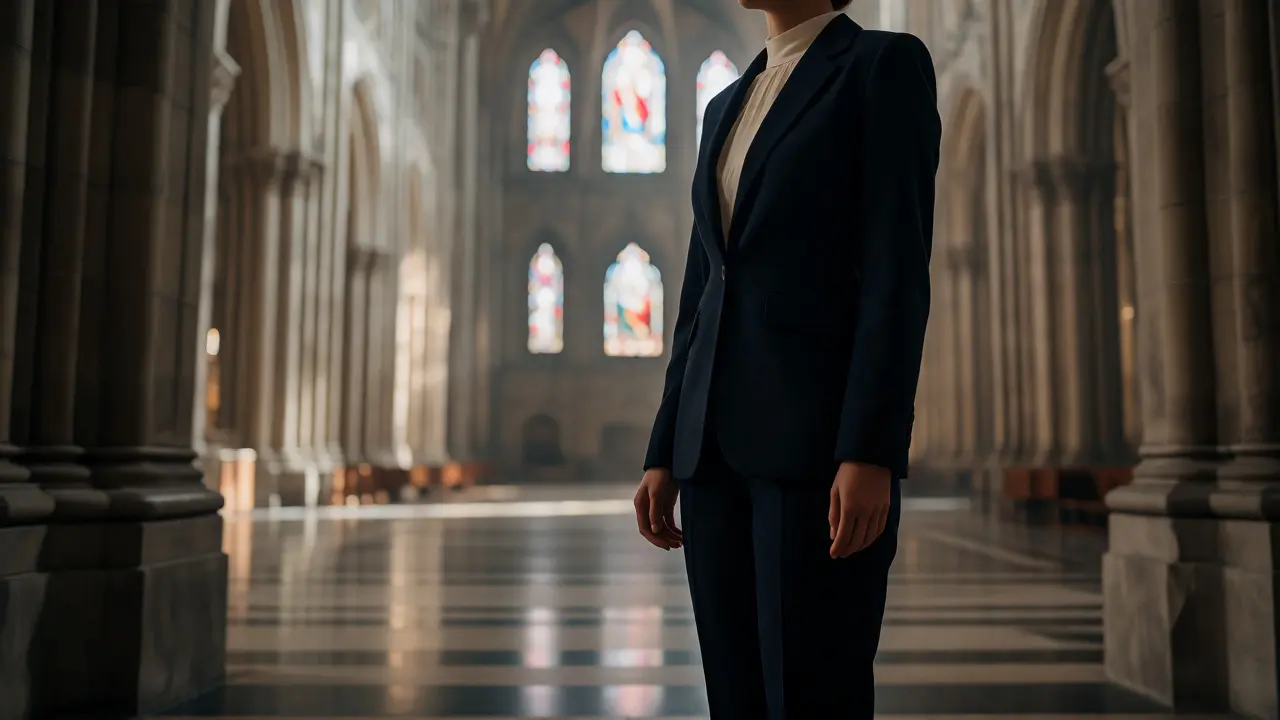
You walk into a sacred space-maybe it’s a cathedral with echoing stone walls, a quiet mosque with plush carpets, or a bustling synagogue-and suddenly you feel that familiar knot in your stomach. Did I wear the right thing? Is my skirt too short? Should I have covered my head? It’s not just about looking good; it’s about showing respect without saying a word. Religious service attire is the specific clothing choices made to honor the customs, modesty standards, and cultural expectations of various faith traditions during worship services. Getting this wrong can make you feel like an outsider, but getting it right helps you blend in and focus on the moment.
Why Your Outfit Matters More Than You Think
Clothing is a language. When you step into a house of worship, your outfit speaks before you do. In many traditions, modesty isn’t just about covering skin; it’s about humility. It’s about removing distractions so that both you and those around you can focus on prayer, meditation, or community. Think of it as a uniform of respect. You don’t need to look like you’re going to a black-tie gala, but you do need to signal that you understand the gravity of the setting.
This isn’t about judging others’ fashion sense. It’s about intentionality. If you’re attending a wedding, you dress up because it’s a celebration. For religious services, you dress down or dress specifically because it’s a moment of reverence. The goal is never to draw attention to yourself with loud patterns, flashy logos, or overly casual beachwear. Instead, aim for clean lines, neutral tones, and fabrics that breathe. This approach works whether you’re visiting a Buddhist temple in New York or a Catholic mass in Rome.
The Universal Rules of Modesty
While every religion has its nuances, there are three universal pillars of modest fashion that apply across almost all faiths: coverage, fit, and cleanliness. Let’s break them down so you don’t have to guess.
- Coverage: Generally, shoulders, knees, and cleavage should be covered. If you’re unsure, long sleeves and midi-length skirts or trousers are your safest bets. Avoid sheer fabrics unless layered properly.
- Fit: Tight-fitting clothes can be distracting in conservative settings. Opt for tailored but relaxed silhouettes. You want to move freely without constantly pulling at your hemline.
- Cleanliness: Wrinkled or stained clothes suggest a lack of effort. Iron your shirt, polish your shoes, and ensure your outfit looks intentional, not accidental.
A common mistake people make is thinking "modest" means "shapeless." It doesn’t. You can look polished and put-together while adhering to strict coverage rules. A well-cut blazer over a high-neck top looks professional and respectful. A maxi dress with a structured waist offers elegance without exposing too much skin. The key is balance.
Navigating Christian Traditions
Christianity is vast, ranging from ultra-conservative Amish communities to progressive urban churches. However, most mainstream Protestant, Catholic, and Orthodox churches follow similar guidelines. For men, a collared shirt and slacks are standard. A suit jacket is appreciated but rarely mandatory unless it’s a high-church liturgy. Women often wear dresses, skirts, or nice trousers. Hats were once a strict requirement for women in some denominations, but today, they are largely optional except in traditional Catholic or Orthodox contexts.
One tricky area is color. While black is safe, it can sometimes feel funereal. Navy, gray, and earth tones are excellent alternatives that convey seriousness without gloominess. Avoid neon colors or graphic tees with slogans. If you’re attending a Sunday service in a modern evangelical church, jeans might be acceptable if they are dark-wash and free of rips. Pair them with a blouse or button-down to elevate the look.
Islamic Etiquette and Hijab Styling
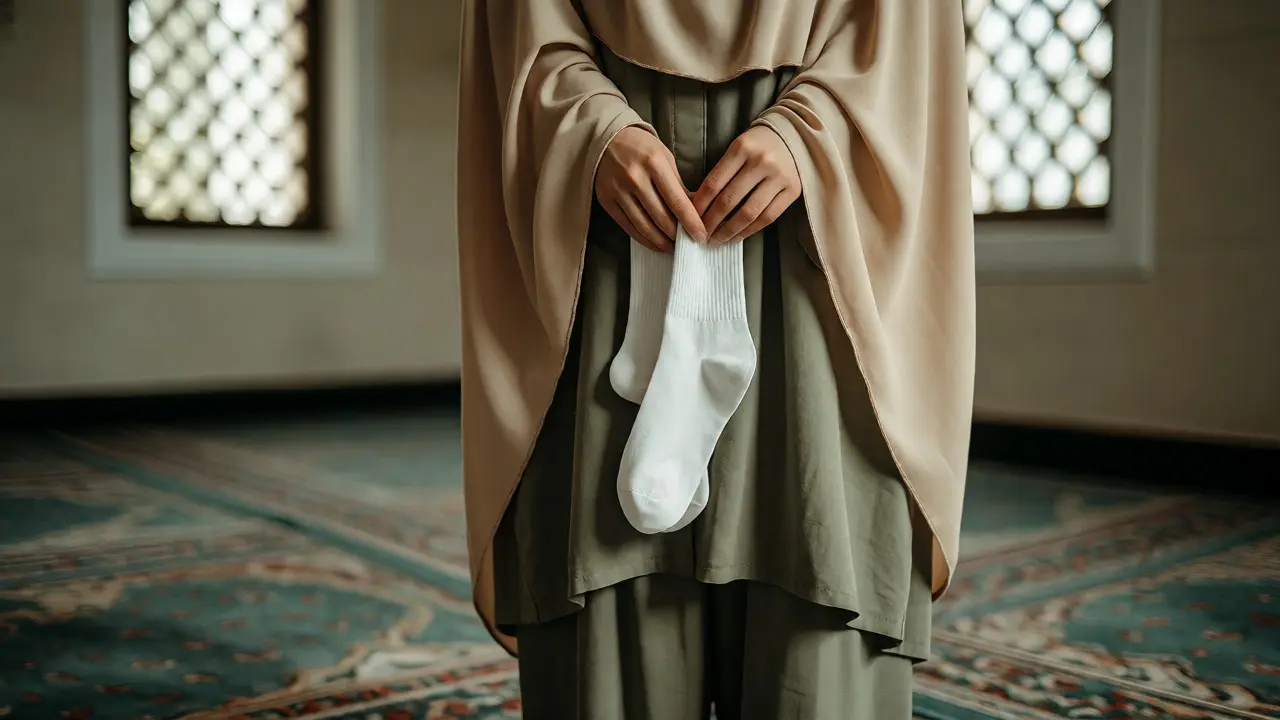
In Islam, modesty (hijab) extends beyond the headscarf to include loose-fitting clothing that covers the body shape. For men, clothing must cover from the navel to the knee, though full-length trousers are preferred in mosques. For women, the hijab is a head covering worn by Muslim women to observe modesty in accordance with Islamic principles, typically covering the hair, neck, and chest. But what exactly does that mean for your outfit?
If you’re a non-Muslim visitor entering a mosque, you’ll likely need to borrow a scarf or robe provided at the entrance. Wear pants or a long skirt underneath. Socks are highly recommended because you will remove your shoes before entering the prayer hall. For Muslim women choosing their own attire, layering is key. A long tunic (kameez) over wide-leg trousers provides comfort and coverage. Fabrics like cotton and linen work best for breathability, especially in summer. Avoid transparent materials. If you wear a hijab, choose one that stays securely pinned so you aren’t adjusting it during prayer.
Jewish Customs and Head Coverings
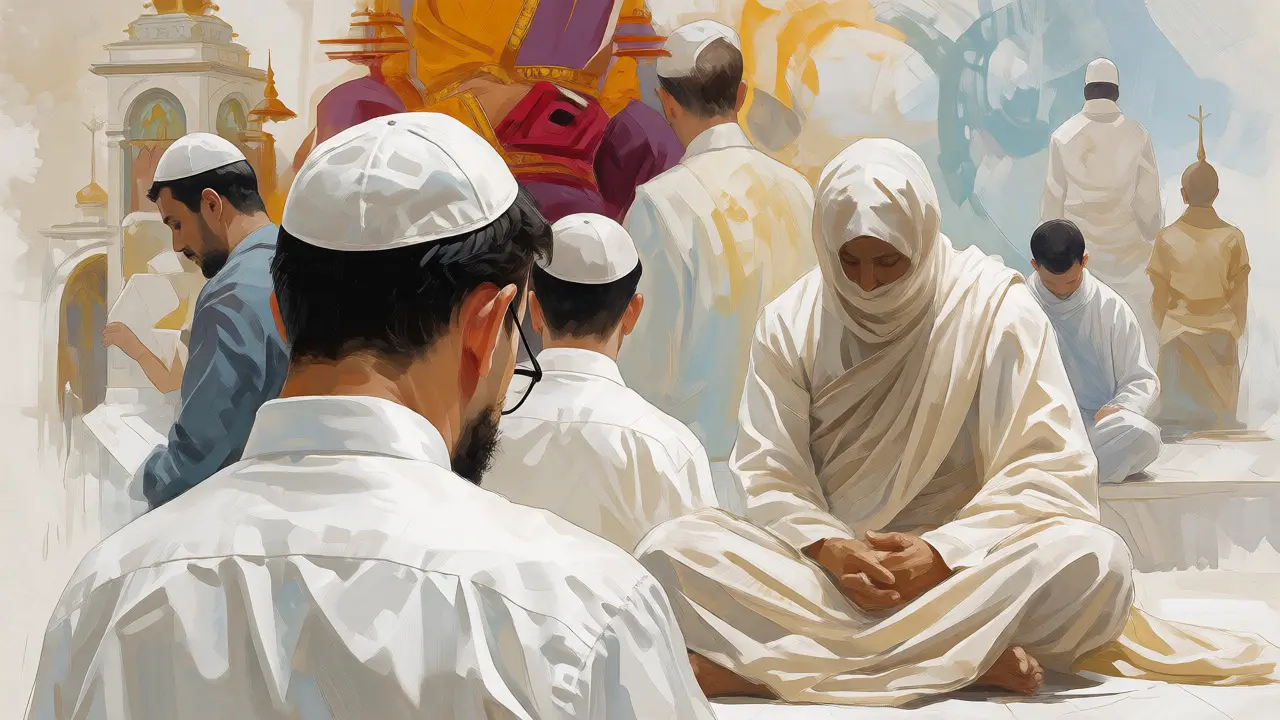
Jewish dress codes vary significantly between Orthodox, Conservative, and Reform synagogues. In Orthodox settings, men typically wear a kippah (or yarmulke), a small skullcap symbolizing reverence for God. Women often wear skirts below the knee and tops with higher necklines. Sleeves may need to reach the elbow or wrist, depending on the community’s strictness.
For non-Jewish visitors, wearing a kippah is usually offered and appreciated as a sign of respect. You don’t need to buy one beforehand; most synagogues provide paper or fabric caps at the door. Dress conservatively. Men should wear suits or dress shirts and ties. Women should avoid sleeveless tops. In Reform congregations, the dress code is more relaxed, often resembling business casual attire. Still, err on the side of formality. Showing up in shorts and flip-flops can signal disrespect, even in liberal circles.
Buddhist and Hindu Temples: Barefoot and Bright
Eastern traditions often prioritize purity and natural fibers. In many Hindu temples, bright colors are welcome, unlike the muted tones favored in Western churches. However, modesty remains crucial. Shoulders and legs must be covered. Many temples require visitors to wrap a cloth around their lower half if wearing shorts or capris. Shoes are always removed, so wear slip-on footwear or socks that won’t embarrass you when you take them off.
Buddhist temples share similar requirements. Loose, comfortable clothing is ideal because you may sit cross-legged for extended periods. Avoid tight jeans that restrict movement. White is a common color in Theravada Buddhist traditions, symbolizing purity. In Tibetan Buddhism, maroon and saffron robes are worn by monks, but laypeople can wear any modest, clean clothing. The main rule here is practicality combined with respect. Don’t wear anything that makes noise when you move, like jangling bracelets, as it disrupts the meditative atmosphere.
Quick Reference: What to Wear vs. What to Avoid
To help you pack quickly, here is a simple breakdown of dos and don’ts across major traditions.
| Tradition | Best Choice | Avoid | Special Note |
|---|---|---|---|
| Christian (Mainstream) | Collared shirts, dresses, slacks | Ripped jeans, tank tops | Hats optional for women |
| Islam | Long tunics, abayas, loose trousers | Tight fits, sheer fabrics | Remove shoes; bring socks |
| Judaism (Orthodox) | Suits, skirts below knee | Sleeveless tops, shorts | Kippah required for men |
| Hinduism | Saris, kurtas, long skirts | Shorts, miniskirts | Shoes off; feet must be clean |
| Buddhism | Loose pants, breathable tops | Noisy accessories, tight denim | Sit comfortably cross-legged |
Common Pitfalls and How to Fix Them
Even with the best intentions, mistakes happen. Here are a few frequent issues and how to navigate them gracefully.
The "Too Casual" Trap: You forgot your change of clothes and showed up in gym wear. Don’t panic. Apologize quietly if asked, and try to find a spot where you’re less visible. Next time, keep a spare pair of slacks or a shawl in your bag. It’s a small investment that saves big embarrassment.
The Fragrance Overload: Strong perfumes or colognes can be overwhelming in enclosed spaces, especially if someone nearby has allergies or is sensitive to scents during meditation. Stick to unscented deodorant and skip the heavy sprays. Let your presence be felt, not smelled.
The Footwear Fumble: Remember, many places require shoe removal. Lace-up boots are a nightmare to take on and off repeatedly. Choose loafers, slip-ons, or sandals with easy straps. Also, check your socks for holes. Nothing ruins a solemn moment faster than realizing your sock has a giant hole in the toe.
Final Thoughts on Respect Through Style
Dressing for religious services isn’t about restricting your freedom or hiding who you are. It’s about adapting your expression to honor the context. When you choose respectful attire, you show empathy for the community and the sanctity of the space. You tell everyone present, "I see you, I respect your traditions, and I am here with intention." That kind of silent communication builds bridges faster than any conversation could.
Do I need to wear a hat to church?
In most modern Protestant and Catholic churches, hats are no longer mandatory for women. However, in traditional Orthodox or very conservative congregations, head coverings may still be expected. If you are unsure, it is polite to ask beforehand or simply go without, as most clergy will not object to bare heads today.
Can I wear jeans to a mosque?
Jeans are generally acceptable if they are modest, meaning they are not ripped, tight, or revealing. They should cover the ankles or be paired with long socks. For women, jeans should be worn under a long tunic or abaya that covers the hips and thighs to meet modesty standards regarding body shape.
What should I wear if I don't know the religion's dress code?
When in doubt, err on the side of conservatism. Wear long pants or a midi-skirt, a top with sleeves that cover your shoulders, and closed-toe shoes. Neutral colors like navy, black, or beige are safe choices. Bringing a lightweight shawl or scarf is also a smart backup plan if you realize you need extra coverage.
Is it rude to wear sunglasses indoors?
Yes, wearing sunglasses inside a place of worship is generally considered disrespectful unless you have a medical reason for doing so. It creates a barrier between you and the congregation. Remove them upon entering the building to show openness and engagement.
Do men need to wear ties to Jewish services?
In Orthodox and Conservative synagogues, men are expected to wear a suit and tie. In Reform congregations, a dress shirt without a tie is often acceptable. Regardless of the denomination, a collared shirt is the minimum standard. Ties add a layer of formality that signals respect for the occasion.