

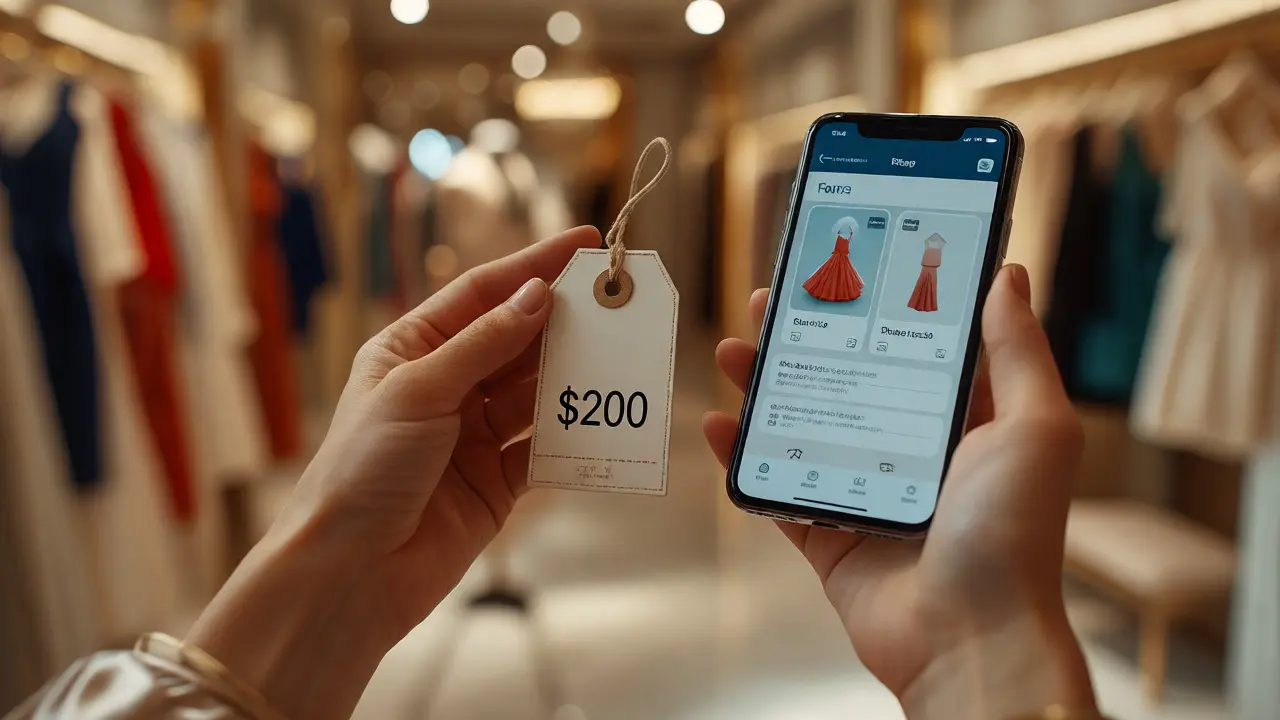
You’re staring at a $200 dress you’ll wear once to a wedding, or maybe it’s a designer handbag for a weekend trip. The math feels wrong in your head, but you ignore it because renting clothes feels like a luxury hack rather than a financial strategy. Here is the uncomfortable truth: for most people, buying cheap fast fashion is cheaper upfront but more expensive over time due to replacement costs and resale value loss. However, renting isn’t always the smart move either. It depends entirely on how often you wear the item and what you do with it afterward.
I’ve run the numbers on hundreds of outfits over the last decade, both as a consumer and by analyzing data from major platforms like Rent the Runway and Nuuly. The break-even point is closer than you think, but it requires you to stop looking at the sticker price and start looking at the cost-per-wear. Let’s break down exactly when you should swipe right on a rental subscription and when you should just buy the damn thing.
The Hidden Costs of Buying Fast Fashion
When you buy a $30 top from H&M or Zara, you think you’re saving money compared to a $150 designer piece. But if that $30 top loses its shape after three washes, you’re actually paying $10 per wear. If you have to replace it every season because it looks worn out, you’re spending $60-$90 a year on one basic item that provides zero long-term value.
This is where the concept of Total Cost of Ownership (TCO) becomes critical. TCO includes the purchase price, maintenance (dry cleaning, repairs), storage space, and eventual disposal or resale value. For low-quality items, the TCO skyrockets because you keep replacing them. High-quality items have a lower TCO if you wear them frequently, but they require significant upfront capital.
Renting flips this model. You pay a flat fee for access. There is no storage cost, no dry cleaning bill (usually included), and no risk of the item going out of style before you get tired of it. But here is the catch: you own nothing. At the end of the month, you have zero assets to show for your spending.
Calculating Your Break-Even Point
To make this decision objective, you need a simple formula. Don’t guess. Calculate.
Cost Per Wear (CPW) = (Purchase Price + Maintenance Costs) / Number of Wears
Let’s look at a real-world scenario. Say you want a high-end blazer for work. You can buy a quality vintage or second-hand blazer for $80. Or you can rent a similar designer blazer for $40 a month.
- Scenario A (Buy): You buy the $80 blazer. You wear it twice a week for two years (about 200 wears). Dry cleaning costs $10 every 10 wears ($20 total). Total cost: $100. CPW: $0.50.
- Scenario B (Rent): You rent the blazer for two years (24 months). Cost: $40 x 24 = $960. CPW: $4.80.
In this case, buying wins massively. Why? Because you wore the item constantly. Renting shines when the number of wears is low.
| Item Type | Avg. Purchase Price | Avg. Monthly Rental | Wears Needed to Break Even | Best Strategy |
|---|---|---|---|---|
| Wedding Guest Dress | $250 | $60 | 4.2 | Rent |
| Winter Coat | $300 | $75 | 4.0 | Buy (if kept 2+ seasons) |
| Trendy Party Top | $40 | $25 | 1.6 | Rent or Fast Fashion |
| Basic White Tee | $20 | $15 | 1.3 | Buy |
| Luxury Handbag | $1,200 | $100 | 12.0 | Rent (for variety) |
Notice the pattern? Items you wear daily or weekly are almost always better bought. Items you wear once or twice a month-or less-are better rented. The "break-even" column tells you how many times you must wear the item for the purchase to be cheaper than renting it monthly. If you know you’ll only wear that sequin top three times, don’t buy it.
When Renting Makes Financial Sense
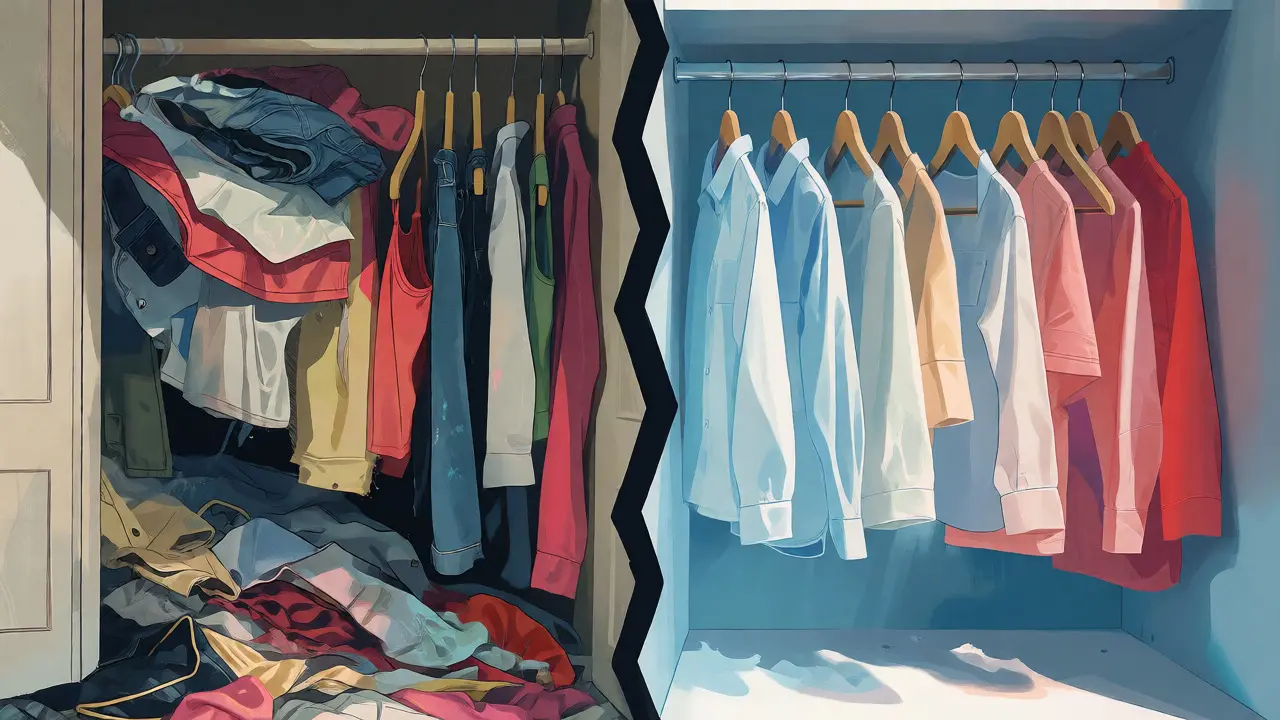
There are specific life situations where the math overwhelmingly favors Clothing Rental Services like Rent the Runway, Nuuly, or Armoire. These services allow users to subscribe for a monthly fee to access a rotating inventory of designer clothing, accessories, and home decor..
Special Occasions and One-Time Events
If you attend weddings, galas, or formal events fewer than four times a year, renting is virtually always cheaper. Buying a $300 gown for a single event results in a $300 cost-per-wear. Renting it for $80 drops that to $80. Plus, you avoid the awkwardness of being seen in the same outfit twice at different events, which matters socially even if it doesn’t matter financially.
Experimenting with Trends
Fashion cycles are faster than ever. What’s trendy in January might feel dated by June. If you love trying new styles-wide-leg pants, bold prints, oversized silhouettes-but hate the clutter of a closet full of unused clothes, renting lets you experiment without commitment. You can try five different styles in a month for the price of one bad impulse buy. This prevents the "sunk cost" error where you keep ugly clothes just because you paid for them.
Professional Wardrobe Refreshes
For women in corporate roles, maintaining a polished appearance is part of the job. But trends change, and sizes fluctuate. A rental subscription ensures you always have fresh, clean, professional attire without the upfront capital expenditure of building a new capsule wardrobe every year. It also solves the "laundry backlog" problem, as rentals come back cleaned and ready to wear.
When Buying Is Clearly Better
Don’t let the sustainability narrative guilt-trip you into renting basics. Some items are fundamentally poor candidates for rental.
Everyday Basics
Underwear, socks, t-shirts, and leggings are hygiene-sensitive and high-frequency items. You cannot rent these practically. Even if you could, the cost-per-wear would be astronomical because you wear them daily. Buy these items in bulk during sales. Focus on durability rather than brand names for these categories.
Items You Wear Weekly
If you wear a specific pair of jeans or a favorite sweater multiple times a week, buying is the only logical choice. Renting implies a return cycle. If you return an item every month, you lose the emotional attachment and convenience of having it always available. Plus, frequent returns increase shipping carbon footprints, negating some environmental benefits.
Resale Value Assets
Some brands hold their value exceptionally well. Brands like Lululemon, Patagonia, and Coach have robust resale markets. If you buy a Patagonia fleece for $100 and sell it for $50 after two years of heavy use, your net cost is $50. If you rented a similar fleece for $20/month for 24 months, you’d spend $480 and have nothing to show for it. Always check the resale potential before deciding to buy premium items.

The Environmental and Psychological Angle
While this article focuses on economics, we can’t ignore the psychological burden of ownership. Decision fatigue is real. Having too many choices in your closet leads to stress. Rental subscriptions curate options for you, reducing mental load. This has tangible value. If paying $100 extra a year saves you ten hours of shopping and organizing, that’s worth it.
Environmentally, renting is often marketed as greener, but the logistics tell a nuanced story. Shipping each item back and forth creates emissions. Cleaning processes (especially dry cleaning) use chemicals and energy. Studies suggest that renting is only more sustainable than buying if you rent items you wouldn’t have bought otherwise, or if you rent high-quality items that last longer through many users. If you rent a cheap polyester dress that gets ruined after one use, the environmental benefit vanishes.
How to Optimize Your Rental Strategy
If you decide to dip your toes into renting, don’t just sign up for the first plan you see. Treat it like any other subscription service.
- Audit Your Calendar: Look at the next six months. How many special events do you have? If it’s fewer than two, stick to one-off rentals rather than a monthly subscription.
- Check the Damage Policy: Read the fine print. Does a small stain cost you $50? Do you have to return items in perfect condition? Hidden fees kill the savings.
- Use Rentals for Sizing: Before buying expensive denim or tailored suits, rent the exact size and cut you’re considering. This avoids costly returns on purchases.
- Cancel When Idle: Most rental services allow easy cancellation. If you have a quiet month with no parties or travel needs, pause the subscription. Don’t let auto-renewal drain your bank account.
Ultimately, the goal isn’t to rent everything or buy everything. It’s to align your spending with your usage patterns. Be ruthless about what you wear. If you haven’t worn it in six months, sell it or donate it, and switch to renting that category next time.
Is renting clothes actually cheaper than buying?
It depends on frequency. For items worn less than 4-5 times, renting is usually cheaper. For daily wear items like jeans or t-shirts, buying is significantly cheaper over time due to the low cost-per-wear.
What happens if I damage a rented item?
Policies vary by company. Most services include minor wear and tear coverage. Significant stains, tears, or missing buttons may incur a repair fee, typically ranging from $10 to $50 depending on the severity and the item's value. Always read the specific damage policy before subscribing.
Can I buy the clothes I rent?
Yes, many platforms like Rent the Runway and Nuuly offer a 'buy' option. If you fall in love with an item, you can purchase it directly from the app, often at a discounted price compared to retail, especially if the item has been rented several times.
Is renting clothes more sustainable than buying?
Not necessarily. While it extends the life of garments, the carbon footprint of shipping and industrial cleaning can offset benefits. Renting is most sustainable when used for occasional wear or when it prevents the purchase of low-quality fast fashion items that would quickly end up in landfills.
Which clothing rental service is best for beginners?
Nuuly is often recommended for beginners because it offers a flexible rotation of 6 items per month from six different brands, including Urban Outfitters and Anthropologie, providing a wide range of casual and trendy styles at a moderate price point.


Write a comment