


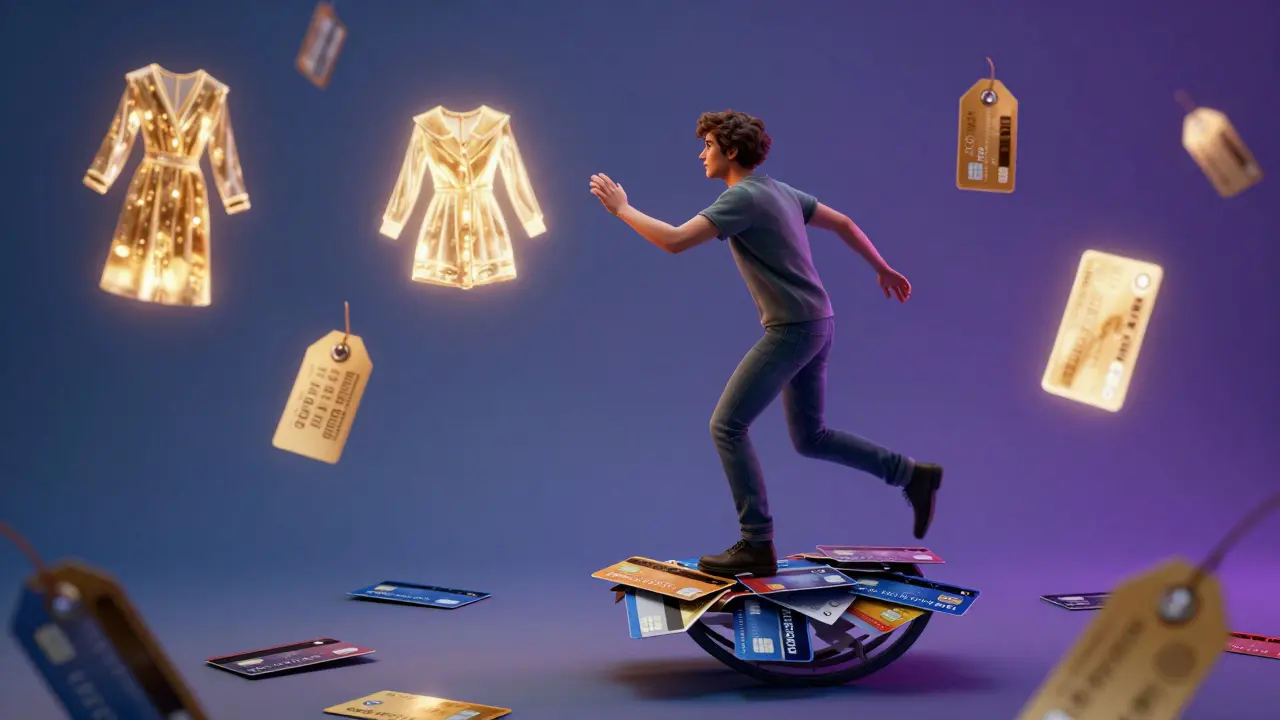
You walk into a store because you had a bad day. You leave with three pairs of jeans and a dress you don’t need. For ten minutes, you feel better. Then the credit card bill arrives, and the guilt sets in. This cycle is so common that we have a name for it: retail therapy. But here is the hard truth. Shopping does not heal. It only distracts.
We are told that buying new clothes boosts our mood. We see ads promising that the right outfit will fix our confidence or our social life. But fashion psychology is the study of how clothing choices affect human behavior, emotions, and self-perception reveals a different story. The dopamine hit from a purchase is real, but it is fleeting. It lasts hours, not days. Understanding why this happens is the first step to breaking the cycle.
The Dopamine Trap: Why Shopping Feels Good (But Isn't)
To understand why we buy things we don’t need, we have to look at brain chemistry. When you find something you like, your brain releases dopamine is a neurotransmitter associated with pleasure, reward, and motivation. This is the same chemical released when you eat sugar or win a game. It creates a sense of anticipation and reward.
The problem is that dopamine drives desire, not satisfaction. It makes you want to buy, but it doesn’t make you happy once you own the item. Psychologists call this the "hedonic treadmill." You run faster to get the next high, but you never actually move forward emotionally. A 2018 study published in the Journal of Consumer Research found that the joy of material purchases fades significantly within two weeks. Experiences, on the other hand, tend to bring longer-lasting happiness because they become part of our identity and memories.
When you buy clothes to cope with stress, you are essentially using shopping as an emotional regulator. It’s a quick fix. But just like eating ice cream when you’re sad, it doesn’t address the root cause. The stress remains. The closet fills up. And the urge to shop again returns quickly.
The "Ideal Self" Illusion in Fashion
Why do we think a new jacket will change our lives? Because we are buying an identity, not fabric. This concept is central to enclothed cognition is a psychological phenomenon where the clothes we wear influence our mental processes and performance. While wearing professional attire can boost focus, buying it with the expectation that it will transform your personality is a myth.
We often project an "ideal self" onto new purchases. If you feel insecure about your career, you might buy a sharp suit, imagining yourself as confident and successful. If you feel lonely, you might buy trendy party dresses, imagining a vibrant social life. The clothes represent who you want to be, not who you are. When you try them on, there is a brief moment where the fantasy feels real. But once you take them off, the reality hits.
This gap between expectation and reality causes disappointment. You didn’t buy a shirt; you bought a solution to a complex emotional problem. No garment can solve anxiety, loneliness, or low self-esteem. Recognizing this distinction helps you separate practical needs from emotional wants.
| Trigger Type | Emotional Driver | Typical Outcome | Long-Term Value |
|---|---|---|---|
| Emotional | Stress, boredom, sadness | Temporary relief, followed by guilt | Low (items often unworn) |
| Practical | Need for workwear, weather changes | Satisfaction, utility | High (items used regularly) |
How Fast Fashion Fuels the Cycle
The modern retail environment is designed to exploit these psychological vulnerabilities. Fast fashion is a business model characterized by rapid production cycles and low-cost clothing that mimics current trends relies on creating artificial urgency. Brands release new styles every week, sometimes every day. They use limited-time offers and "sold out" warnings to trigger fear of missing out (FOMO).
This constant novelty keeps the dopamine loop active. You buy something today, and by next week, it’s already "last season." To stay relevant, you must keep buying. This isn’t just bad for your wallet; it’s exhausting for your mind. The pressure to constantly update your wardrobe creates a state of chronic dissatisfaction. You never feel like you have enough, because the definition of "enough" keeps changing.
Furthermore, fast fashion marketing often ties clothing to lifestyle aspirations. Ads show people laughing, traveling, and succeeding while wearing specific brands. The message is subtle but clear: if you buy this, you join that world. In reality, the clothes are just cotton and polyester. The lifestyle is an illusion sold to keep you clicking "buy now."">
The Hidden Cost of Impulse Buying
Beyond the financial cost, impulse buying takes a toll on your mental health. Many people experience "buyer’s remorse," a feeling of regret after making a purchase. This is especially common with clothing, where fit and style preferences can shift quickly. You might love a top in the store, but hate it at home. This inconsistency leads to clutter and decision fatigue.
Cluttered spaces increase stress levels. When your closet is full of clothes you don’t wear, getting dressed becomes a chore instead of a choice. You spend more time scrolling through hangers, less time enjoying your day. This paradox-buying more to feel better, but ending up worse off-is the core tragedy of retail therapy.
Additionally, there is the environmental impact. The fashion industry is one of the largest polluters globally. Every unnecessary purchase contributes to waste, water usage, and carbon emissions. Knowing this can add another layer of guilt to the post-purchase crash. Instead of feeling empowered, you feel complicit in a system that harms the planet.
Building a Mindful Wardrobe Strategy
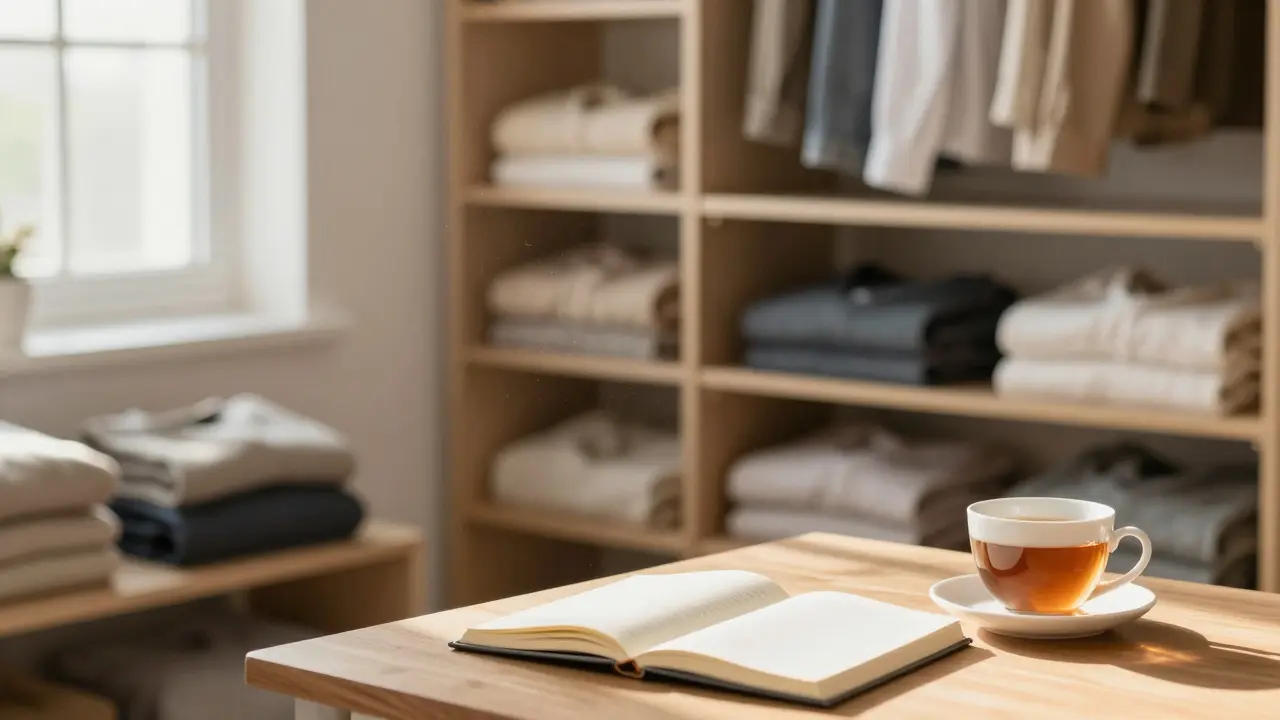
If shopping doesn’t solve emotional needs, what does? The answer lies in shifting from reactive buying to intentional curation. This approach focuses on quality, versatility, and personal alignment rather than trends and impulses.
- Audit Your Current Closet: Start by removing items you haven’t worn in six months. Donate or sell them. Seeing what you already own reduces the urge to buy more. Often, we buy duplicates because we’ve forgotten what we have.
- Define Your Style Identity: Write down three words that describe your ideal aesthetic (e.g., minimalist, colorful, professional). Use these as filters when shopping. If an item doesn’t fit these criteria, put it back.
- Implement a Waiting Period: Add any non-essential item to a wishlist and wait 48 hours before buying. Most impulse urges fade within this timeframe. If you still want it after two days, consider it seriously.
- Calculate Cost Per Wear: Divide the price of an item by how many times you expect to wear it. A $100 coat worn 50 times costs $2 per wear. A $20 trend piece worn twice costs $10 per wear. Choose value over volume.
This strategy transforms shopping from an emotional escape into a practical task. You stop looking for happiness in tags and start finding it in functionality and fit. Over time, your wardrobe becomes a reflection of your actual life, not your fantasies.
Healthy Alternatives to Retail Therapy
When you feel the urge to shop due to stress or sadness, pause. Ask yourself: "What am I really trying to fix?" Once you identify the emotion, choose a healthier coping mechanism. Here are some effective alternatives:
- Movement: Go for a walk, stretch, or dance. Physical activity releases endorphins, which improve mood naturally without the debt.
- Creative Expression: Cook a meal, paint, or write. Creating something gives a sense of accomplishment that buying cannot.
- Social Connection: Call a friend or family member. Loneliness often drives retail therapy. Talking to someone addresses the root cause directly.
- Nature Exposure: Spend time outside. Green spaces reduce cortisol levels and promote calmness.
These activities provide genuine emotional regulation. They build resilience rather than dependency. Over time, you’ll find that you need fewer external stimuli to feel good. Your sense of well-being becomes internal, not transactional.
Is retail therapy ever beneficial?
In very small doses, treating yourself to something nice can boost morale. However, it becomes harmful when used as a primary coping mechanism for negative emotions. The key is intentionality. Buy because you need or truly love the item, not because you are trying to escape feelings.
How do I stop impulse buying online?
Remove saved payment information from browsers. Unsubscribe from marketing emails. Use browser extensions that block shopping sites during certain hours. Create friction between the urge and the action. The more steps required to buy, the more likely you are to reconsider.
What is the difference between practical and emotional shopping?
Practical shopping is driven by need: you need winter boots, work shirts, or replacements for worn-out items. Emotional shopping is driven by feeling: you are stressed, bored, or seeking validation. Practical purchases usually result in satisfaction; emotional ones often lead to regret.
Can decluttering my closet improve my mood?
Yes. Clutter increases cognitive load and stress. A tidy, organized space promotes clarity and calm. Removing unwanted clothes also reinforces the habit of intentional living, which supports better decision-making in other areas of life.
Why do I feel guilty after shopping?
Guilt arises from the mismatch between your actions and your values. If you value financial stability or sustainability, impulse buying violates those principles. Acknowledging this guilt is useful-it signals that your behavior is misaligned with your goals. Use it as feedback to adjust future habits.