

The Core DNA of Nordic Design
At its heart, this look is about a concept called lagom-a Swedish word meaning "just the right amount." It's the opposite of excess. In fashion, this translates to Scandinavian minimalism as a rejection of loud logos and fleeting trends. Instead, the focus shifts to silhouettes that provide structure without restriction.
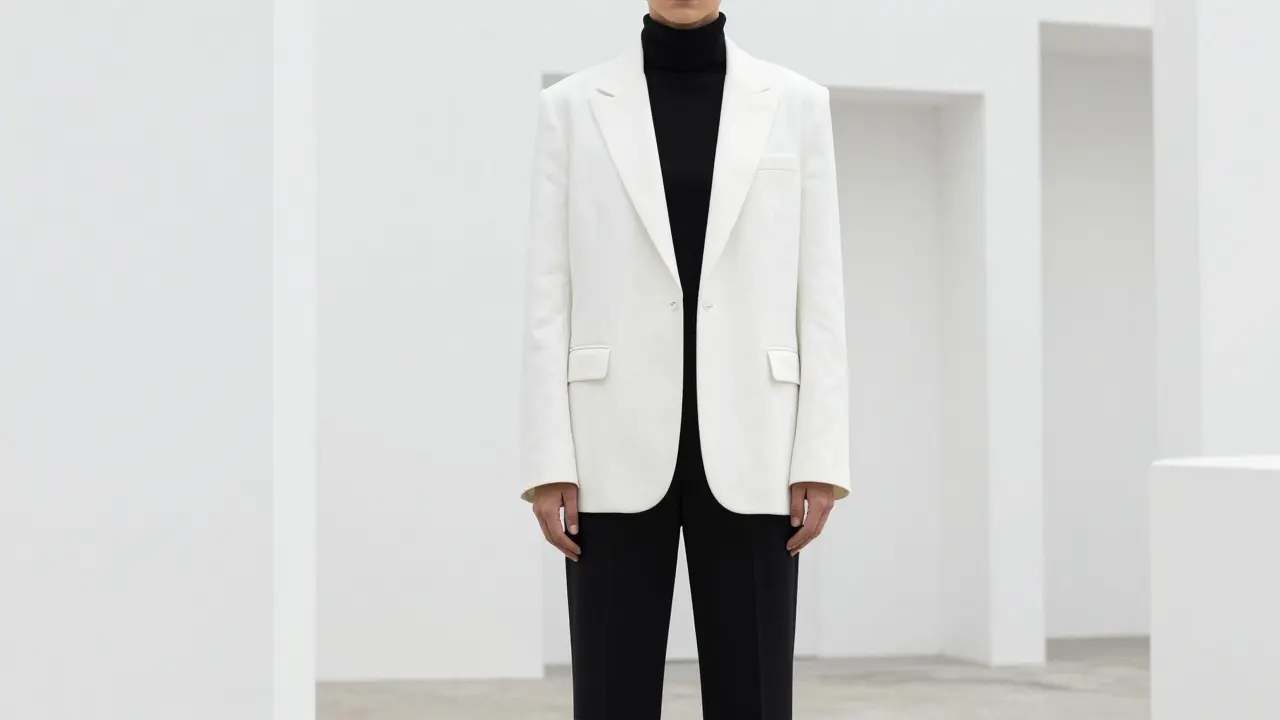
Think about the architecture in Copenhagen or Stockholm. Everything is intentional. The fashion follows the same lead. You'll see a preference for Clean Lines, which are uninterrupted, straight, or gently curved edges in clothing that create a streamlined and architectural silhouette. When you wear a crisp, oversized blazer over a slim-fit turtleneck, you're using these lines to create a balanced proportion that feels modern yet timeless.
Why does this work so well? Because it removes the decision fatigue we all face every morning. When your wardrobe is built on a logical foundation of shapes and colors, everything matches everything else. You stop fighting with your clothes and start wearing them.
Mastering the Neutral Palette
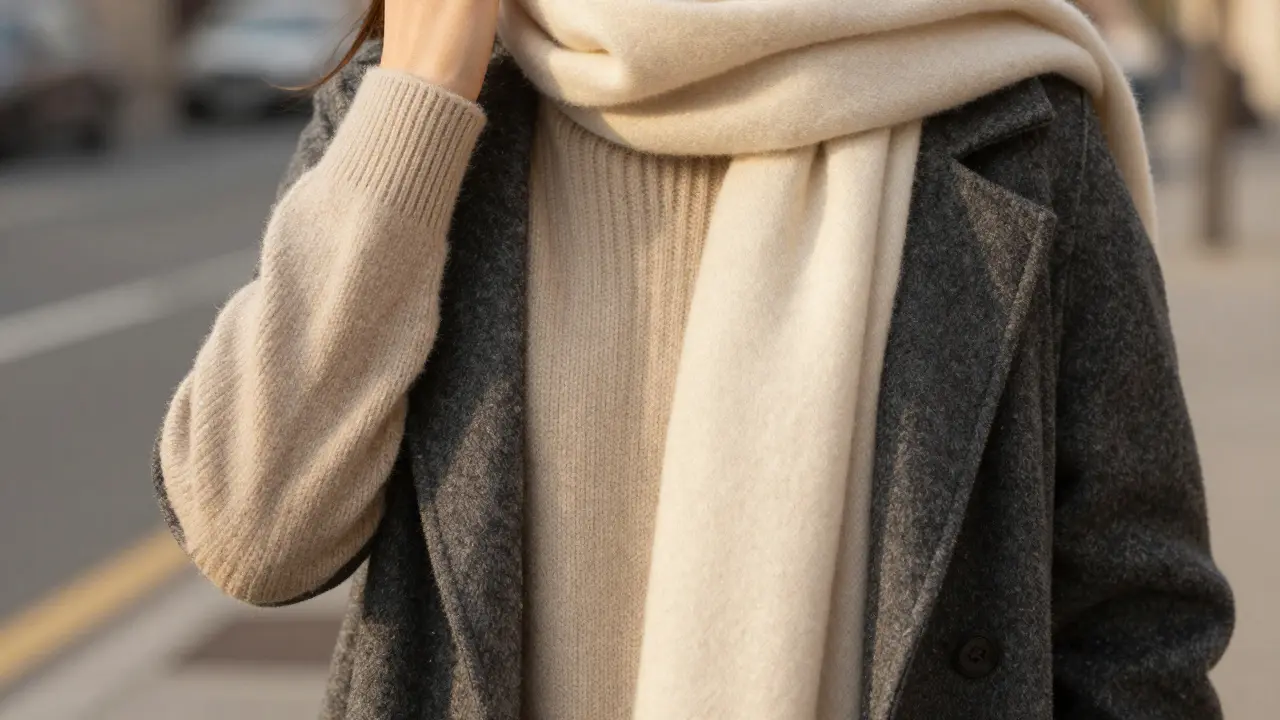
If you want to nail this aesthetic, you have to move beyond just "wearing white." A true Neutral Palette is a color scheme based on muted, desaturated tones like beige, cream, grey, navy, and black, designed to create a cohesive and calming visual effect. The secret is layering different shades of the same family to avoid looking like a blank canvas.
Imagine pairing an oatmeal-colored wool sweater with charcoal grey trousers and a cream overcoat. Even though there's no "bright" color, the varying depths of tone create a rich, multidimensional look. This is often referred to as tonal dressing. It tricks the eye into seeing a more elongated, sophisticated silhouette.
While neutrals dominate, the Scandi approach occasionally introduces a single "pop" of color-perhaps a forest green scarf or a burnt orange bag. The key is that the neutral base remains the hero. The color is an accent, not the main event. This keeps the vibe grounded and prevents the outfit from feeling too corporate or sterile.
| Palette Type | Core Colors | Vibe | Best For |
|---|---|---|---|
| Warm Minimalist | Beige, Camel, Cream, Olive | Soft, Approachable | Autumn/Winter, Casual settings |
| Cool Minimalist | Grey, Navy, White, Black | Sharp, Professional | Business, City life, Evening |
| Monochromatic | All shades of one color (e.g., Grey) | High-fashion, Bold | Events, Statement looks |
Building a Foundation with Elevated Basics
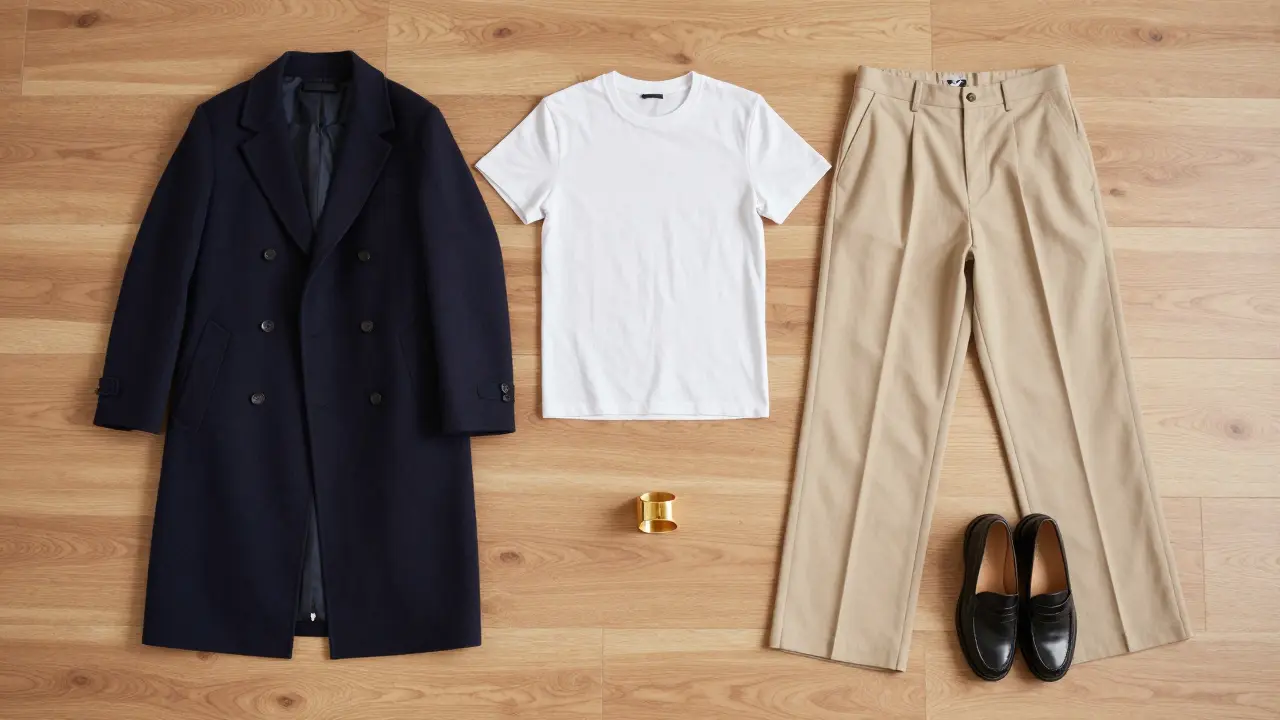
You can't achieve this look with cheap, disposable clothing. The "elevated" part of Elevated Basics means essential wardrobe staples-like tees, trousers, and knitwear-that are upgraded through superior fabrics, precise tailoring, and sustainable production. A basic white t-shirt becomes "elevated" when it's made from heavyweight organic cotton that doesn't lose its shape after three washes.
To build this foundation, focus on three key categories: a structured outer layer, a high-quality knit, and a versatile bottom. For example, a well-cut wool overcoat in navy is a non-negotiable. It works over a hoodie for a weekend look or over a dress for a meeting. Pair this with a cashmere crewneck-which provides warmth without bulk-and a pair of wide-leg tailored trousers.
The shift here is from quantity to quality. Instead of owning ten mediocre sweaters, the Scandi minimalist owns two that fit perfectly and feel luxurious. This is the practical application of a Capsule Wardrobe, which is a curated collection of a few essential items of clothing that don't go out of style and can be arranged in many different combinations. By limiting the number of pieces, you actually increase the number of outfits you can create.
The Art of Texture and Contrast
When you strip away loud colors and patterns, texture becomes your primary tool for adding interest. If an outfit is all one color, it can look flat. To fix this, mix your fabrics. Pair the shine of a silk slip skirt with the roughness of a chunky oversized knit sweater. The contrast between the delicate and the heavy is what makes the outfit look "styled" rather than just "worn."
Consider the impact of leather. A smooth leather boot paired with soft wool trousers creates a tactile variety that keeps the eye moving. Even the choice of jewelry follows this rule. Instead of a dozen small rings, a single bold, sculptural gold cuff provides a focal point that aligns with the architectural nature of the clothing.
Don't forget the power of the oversized fit. Scandinavian style often plays with volume. A common move is to balance a large, slouchy top with a more fitted bottom, or vice versa. This prevents the minimalist look from feeling like a uniform and adds a touch of effortless, "I just threw this on" energy.
Practical Steps to Transition Your Style
You don't need to throw away your entire closet to embrace this aesthetic. It's more about a shift in how you shop and how you assemble your looks. Start by auditing what you already own and identifying the pieces that fit the "clean line" criteria.
- Purge the Noise: Remove items with giant logos, neon colors, or prints that you only wore once. These distract from the silhouette.
- Invest in One "Hero" Piece: Find a high-quality wool coat or a perfectly tailored blazer in a neutral tone. This piece will anchor every other outfit you wear.
- Focus on Fabric: Next time you buy a basic, check the label. Look for organic cotton, linen, merino wool, and Tencel. These fabrics drape better and last longer.
- Experiment with Tonal Layering: Try wearing three different shades of beige or grey in one outfit. Notice how it feels more cohesive than high-contrast colors.
- Simplify Your Accessories: Switch to a structured leather bag and simple, geometric jewelry. Let the quality of the material be the statement.
Remember that minimalism is a journey, not a destination. You might find that you love the starkness of black and white, or you might prefer the warmth of creams and tans. The key is consistency. When your wardrobe speaks one language, you spend less time stressing and more time feeling confident.
Common Pitfalls to Avoid
A common mistake is thinking that minimalism means "no personality." Some people end up looking like they're wearing a generic hotel uniform because they forget the fit. If everything is oversized, you lose your shape; if everything is too tight, you lose the effortless vibe. Aim for one point of volume in each outfit.
Another trap is neglecting the maintenance of the clothes. Because neutrals-especially whites and creams-show everything, a small stain or a loose thread is much more noticeable than on a patterned garment. Investing in a handheld steamer and a good fabric shaver is essential for keeping your elevated basics looking fresh.
Lastly, don't fall into the trap of "minimalist consumption." Buying twenty "minimalist" items from a fast-fashion brand isn't minimalism; it's just buying a different style of disposable clothing. True Scandinavian minimalism is about buying less, choosing better, and making it last.
Is Scandinavian minimalism only for winter?
Not at all. While the style is famous for cozy knits, it translates perfectly to summer using breathable fabrics like linen and organic cotton. Think oversized white linen shirts, beige tailored shorts, and simple leather sandals. The focus remains on clean lines and neutral tones, regardless of the temperature.
How do I stop neutral colors from looking boring?
The secret is texture and tonal variation. Instead of wearing one shade of beige, mix cream, tan, and camel. Combine different materials, like a chunky wool knit with a smooth silk skirt. This creates visual depth and prevents the outfit from looking flat or monochromatic in a dull way.
Do I need to spend a lot of money to achieve this look?
Actually, this style is designed to save you money over time. By investing in fewer, higher-quality pieces (elevated basics) instead of chasing weekly trends, you reduce the frequency of your purchases. Focus on buying a few timeless pieces that last for years rather than a dozen cheap items that wear out in months.
What are the best shoes for a minimalist wardrobe?
Stick to classic shapes in neutral leather. A pair of clean white sneakers, black leather loafers, and a pointed-toe ankle boot in brown or black are the essentials. Avoid overly chunky platforms or flashy colors; the goal is a sleek silhouette that complements the clothing.
Can I wear patterns with Scandinavian minimalism?
Yes, but keep them subtle and organic. Think pinstripes, herringbone, or very muted checks. Avoid loud floral prints or geometric patterns that scream for attention. A subtle pattern should act more like a texture than a statement, blending into the overall neutral palette.


Write a comment