

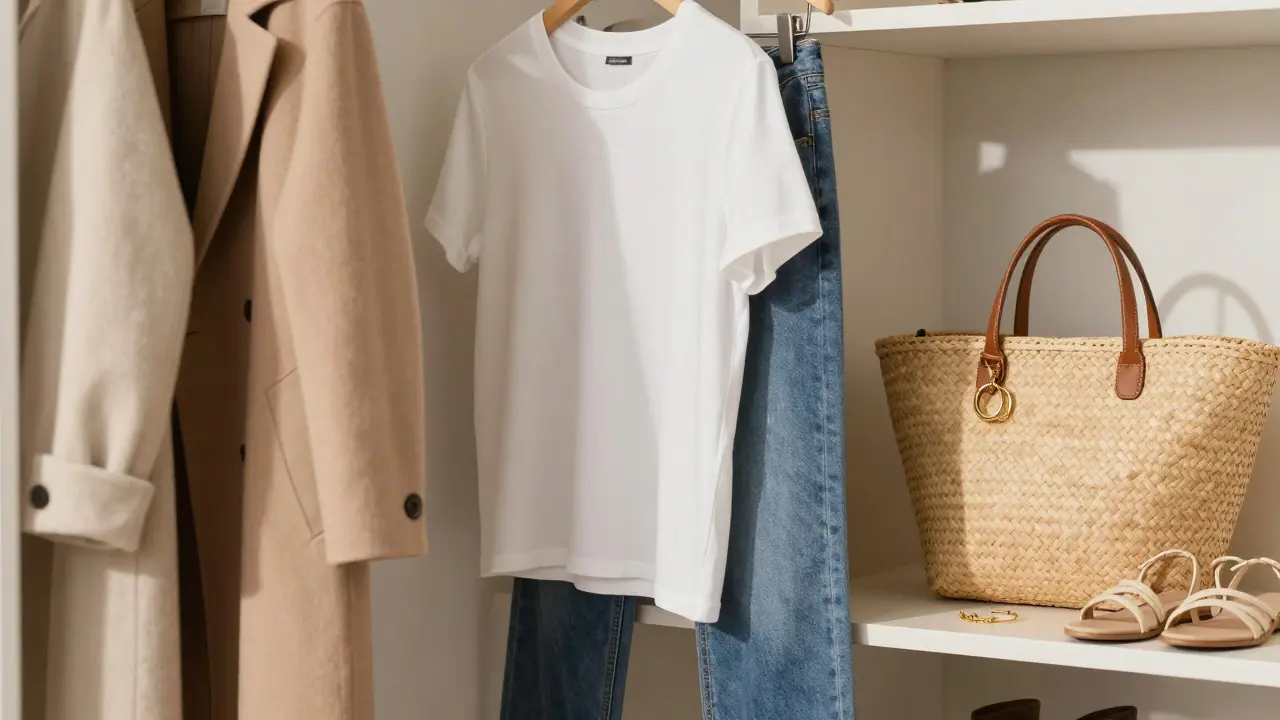
It is August in New York, and the air finally feels breathable again. But look at your closet. You are stuck between heavy winter coats you haven't touched since January and breezy summer dresses that feel too light for the coming chill. The instinct is often to buy a whole new wardrobe for fall. Stop right there. That is expensive, wasteful, and honestly, unnecessary.
The secret to looking fresh every season without spending a fortune lies in one specific category of items: accessories. While your core pieces-jeans, blazers, white shirts, black trousers-stay the same year-round, your accessories change the entire story of an outfit. This practice, known as seasonal accessory switching, allows you to extend the life of your clothes while keeping your style relevant to the weather and current trends.
The Psychology of the "New" Look
Why do we feel the need to shop when the seasons change? It is not just about temperature; it is about psychological reset. We associate bright colors and lightweight fabrics with joy and activity in spring and summer. As days shorten, we crave texture, warmth, and depth. If you wear the exact same necklace, bag, and shoes in November that you wore in June, you will feel like you are wearing a costume from a different time.
Accessories act as visual anchors for an outfit. They signal to the brain-and to everyone else around you-that you have adapted to the current moment. A simple shift from a straw tote to a leather satchel tells the world, "I am ready for work," or "I am prepared for the rain." By swapping these small items, you create a sense of novelty without the financial burden of buying new clothing. It is the highest return on investment in fashion.
Material Matters: Texture Over Color
When thinking about seasonal transitions, most people focus on color palettes (pastels for spring, neutrals for fall). But texture is actually more important for feeling appropriate to the season. Light reflects differently off materials depending on the ambient light and weather conditions.
In the high-gloss heat of July, shiny plastics, metallics, and smooth leathers can feel oppressive. They reflect the harsh sun and lack breathability. In contrast, during the gray, low-light months of October through February, matte finishes, wool, suede, and distressed leather absorb light and add necessary visual weight.
Consider your handbag. A woven canvas bag feels effortless in summer because it mimics natural fibers and allows air circulation. That same bag in a snowy December looks out of place and fragile. Swap it for a structured leather bag with a heavier strap. The core outfit-a denim jacket and jeans-remains identical, but the bag changes the vibe from casual weekend to polished urban professional.
| Season | Recommended Materials | Avoid Materials | Why It Works |
|---|---|---|---|
| Spring | Cotton, Straw, Pastel Leather, Clear Vinyl | Heavy Wool, Dark Patent Leather | Lightweight textures match the budding energy and unpredictable rain. |
| Summer | Linen, Woven Rattan, Bright Plastics, Metallics | Suede, Thick Knits, Velvet | Breathable materials prevent overheating; reflective surfaces handle bright sunlight. |
| Fall | Suede, Cognac Leather, Corduroy, Brass Hardware | White Canvas, Thin Chains | Richer tones and soft textures complement the cooling air and falling leaves. |
| Winter | Wool, Faux Fur, Patent Leather, Silver Hardware | Straw, Open Mesh, Light Cotton | Durable, water-resistant, and warm materials provide comfort and visual contrast against snow/gray skies. |
The Jewelry Shift: Weight and Metal Tone
Jewelry is perhaps the easiest way to pivot your look. In warmer months, jewelry tends to be lighter, both physically and visually. Think delicate chains, thin bracelets, and studs. These pieces don’t weigh you down under layers of clothing and catch the abundant sunlight beautifully.
As temperatures drop, you want jewelry with presence. Chunkier links, layered necklaces, and statement earrings become more appropriate. Why? Because they balance out the bulk of sweaters and coats. A delicate chain gets lost in a chunky knit sweater. A thick gold link stands up to the fabric weight.
Metal tones also play a role. Gold and brass feel warm and inviting, aligning well with the amber hues of autumn. Silver and platinum offer a crisp, cool contrast that pairs nicely with winter whites and grays. However, this is a guideline, not a rule. Mixing metals is always acceptable if the intention is clear. The key is matching the scale of the jewelry to the scale of your clothing.
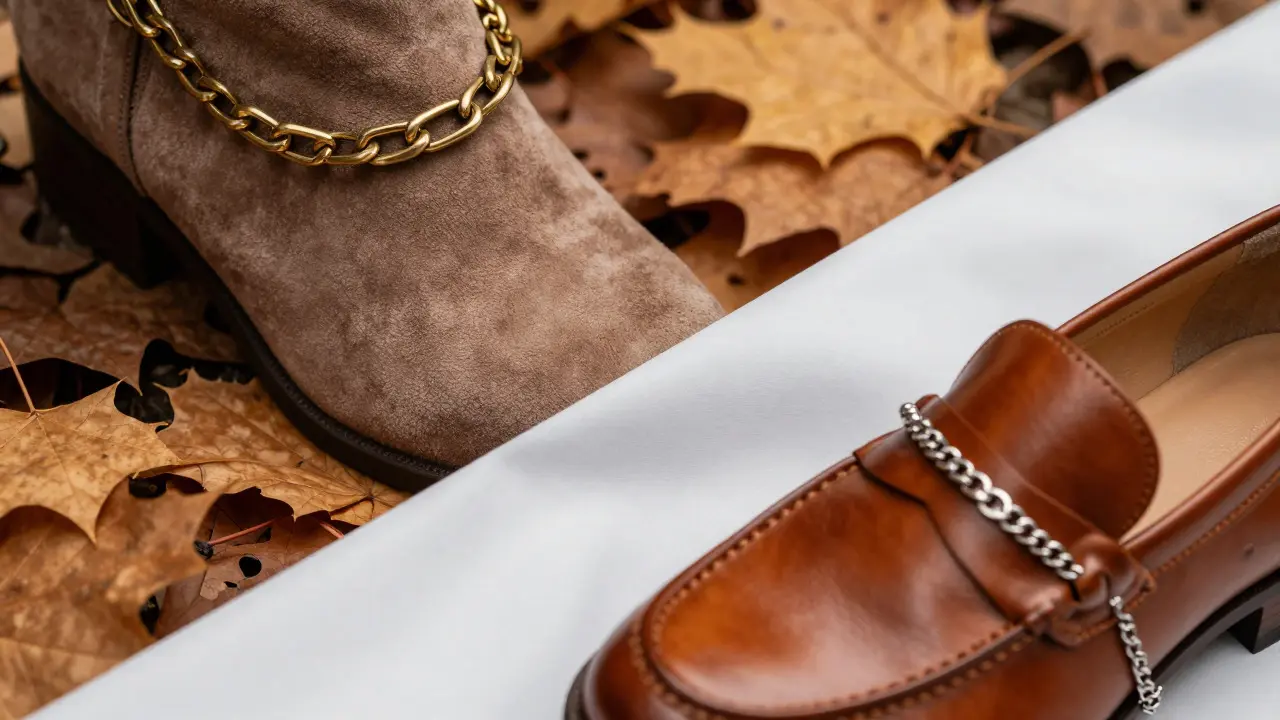
Footwear: The Foundation of Seasonality
Shoes are the most functional accessory for seasonal switching. They protect you from the elements, so their material must match the weather. Wearing suede loafers in a New York drizzle is a recipe for disaster. Wearing flip-flops in a frost warning is impractical.
Start by identifying your core shoe styles. Do you have a reliable pair of white sneakers? A classic ankle boot? A versatile sandal? Keep these staples. Now, look at the details.
- Summer: Opt for open toes, breathable mesh, and rubber soles. Colors can be bold or neutral, but materials should dry quickly.
- Transitional (Spring/Fall): Closed-toe sneakers, leather loafers, and flat boots. These handle light rain and cooler evenings.
- Winter: Insulated boots, waterproof leather, and thicker treads. Darker colors hide road salt stains better than light ones.
If you only own one pair of black pants, they can go with sandals in July, loafers in April, and combat boots in January. The pants didn't change. The context did.
Outerwear as an Accessory
We often think of outerwear as clothing, but in the context of a capsule wardrobe, a jacket acts like a large accessory. It is the first thing people see. Swapping a denim jacket for a trench coat instantly shifts an outfit from casual daywear to sophisticated evening wear.
Invest in three key outerwear pieces that span multiple seasons: 1. A denim or utility jacket (Spring/Summer) 2. A wool-blend blazer or trench coat (Fall/Spring) 3. A structured puffer or wool coat (Winter)
Layering these over the same base outfit creates variety. A white t-shirt and jeans look completely different under a cropped leather jacket versus a long camel coat. The accessory (the coat) dictates the formality and mood of the ensemble.
Practical Steps to Implement Seasonal Switching
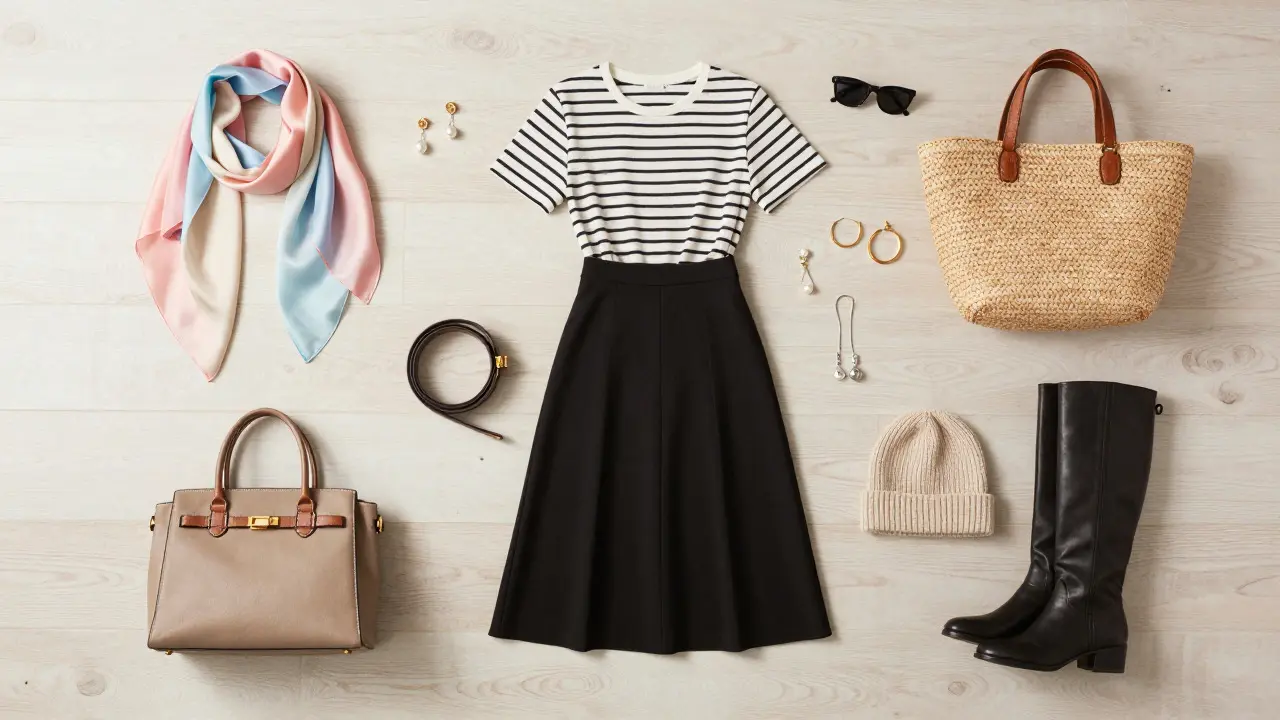
You don't need to overhaul your closet overnight. Start with a small audit. Take one core outfit you love-say, a black midi skirt and a striped tee. Now, style it four ways using only accessories.
- Spring Version: Add a pastel scarf, ballet flats, and a crossbody bag. Finish with pearl earrings.
- Summer Version: Swap the scarf for sunglasses, switch to strappy sandals, and carry a woven tote. Add gold hoop earrings.
- Fall Version: Layer a cardigan, add ankle boots, a leather belt, and a structured satchel. Wear chunky rings.
- Winter Version: Throw on a wool coat, knee-high boots, a beanie, and a heavy backpack. Use silver jewelry for contrast.
This exercise proves that your clothes are not the problem. Your accessory strategy is. By planning these swaps ahead of time, you avoid impulse buys. You know exactly what you need to complete the look for each season.
Sustainability and Cost Savings
The fast fashion industry thrives on the idea that you need new clothes every few weeks. Seasonal accessory switching is a direct counter to this model. Accessories are generally cheaper than garments. A pair of earrings costs a fraction of a dress. A scarf is less expensive than a coat.
By focusing your budget on high-quality accessories, you get more mileage out of your existing wardrobe. You reduce textile waste because you are wearing your clothes longer. You also develop a more distinct personal style. When you rely on trends for clothing, you chase the wind. When you curate accessories, you build a signature look that evolves gracefully with the calendar.
Next time you feel the urge to shop for a "new season" wardrobe, pause. Look at what you already own. Ask yourself: What small addition would make this outfit feel current? The answer is almost always an accessory.
How many accessories do I need to start seasonal switching?
You only need a few key items per season. Aim for two bags, two pairs of shoes, and three jewelry sets (one delicate, one statement, one everyday) for each major season. This totals about 18-20 items, which is manageable and cost-effective.
Can I mix summer accessories in winter?
Yes, but use caution. Delicate jewelry works year-round. However, avoid wearing straw hats or canvas bags in rain or snow as they can get damaged. The goal is practicality alongside style.
What is the best material for a transitional bag?
Leather is the best all-around material for transitional bags. It handles light rain better than canvas, doesn't absorb water like suede, and looks polished enough for office settings while remaining durable for daily use.
How do I store accessories between seasons?
Store seasonal accessories in breathable cotton bags or boxes. Avoid plastic for long-term storage as it can trap moisture and cause mildew on leather or metal tarnishing. Keep jewelry organized to prevent tangling.
Is seasonal accessory switching suitable for work attire?
Absolutely. In professional settings, accessories often dictate formality. Swapping a casual tote for a structured leather briefcase or changing from stud earrings to pearls can elevate a basic work outfit to meet seasonal expectations without breaking dress code rules.


Write a comment