

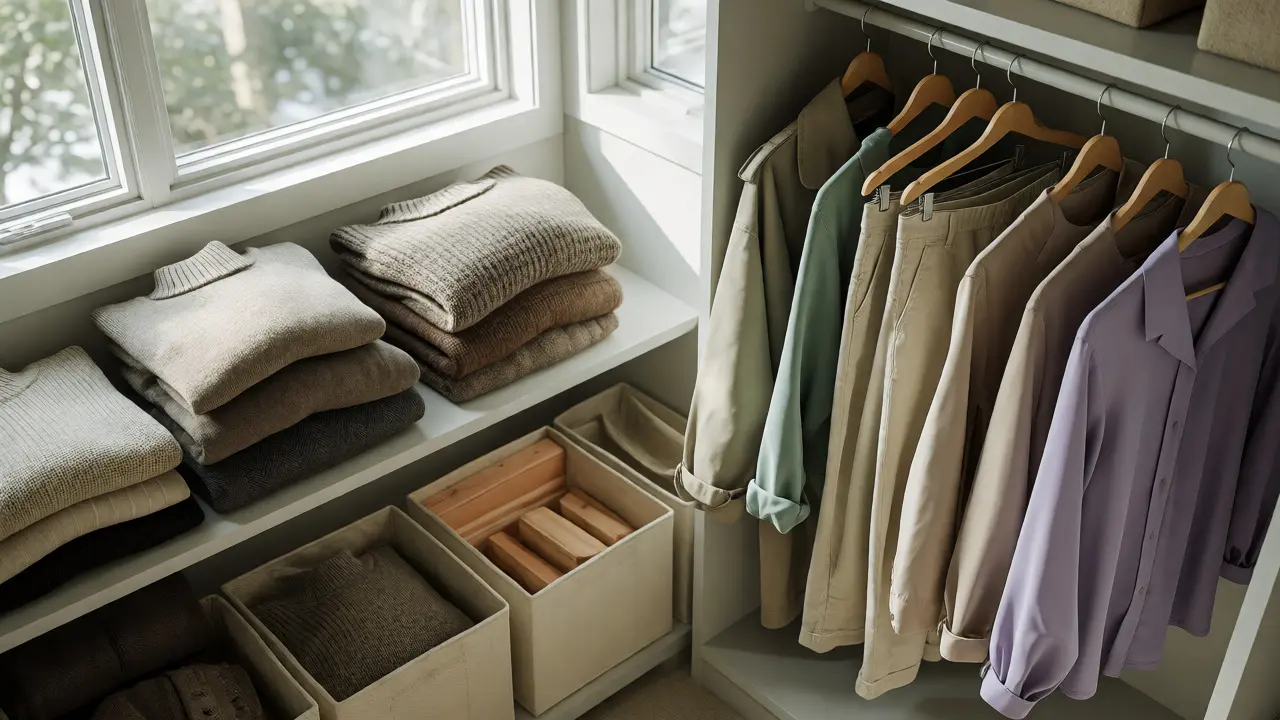
You know that feeling when you stand in front of a closet bursting at the seams, yet have absolutely nothing to wear? It’s not just a joke; it’s a sign your system is broken. You don’t need more clothes. You need better clothes, specifically curated for the season you’re actually living in right now. Building a seasonal capsule wardrobe is the art of curating a small, versatile collection of clothing items that work together seamlessly for a specific three-month period. It stops the endless cycle of buying and regretting, saving you money, time, and mental energy.
Most people think a capsule wardrobe means wearing the same beige outfit for a year straight. That’s boring and impractical. The real magic happens when you rotate your core pieces based on weather and lifestyle changes. In Seattle, where I live, the difference between a wet spring and a dry summer isn’t just temperature-it’s humidity and light. Your clothes need to adapt too. This guide walks you through exactly how to build these compact collections, quarter by quarter, so you always look put-together without overthinking it.
Why Rotating Your Wardrobe Beats One Big Closet
Keeping everything out all year is a recipe for decision fatigue. When you have forty tops available in July, you’re wasting brainpower choosing among options that are physically uncomfortable. By limiting your active wardrobe to about 30-40 items per season, you force intentionality. You buy less because you only buy what fits the current puzzle. This approach aligns with principles of sustainable fashion which emphasizes reducing consumption and extending the lifecycle of garments through careful selection.
Think of it like a restaurant menu. A place with 100 items usually has mediocre food because they can’t focus. A place with 10 items? They nail every dish. Your closet works the same way. When you limit choices, you elevate quality. You start noticing fit, fabric weight, and color harmony because those factors directly impact your daily comfort. Plus, storing off-season clothes frees up physical space, making your morning routine faster and less chaotic.
The Core Formula: How Many Items Do You Actually Need?
There’s no single magic number, but there is a reliable starting point. For most adults, a functional seasonal capsule consists of roughly 35 items. This includes outerwear, shoes, and accessories, but excludes workout gear, pajamas, and underwear. Here’s a breakdown that works for temperate climates:
- Tops: 9-12 items (mix of tees, blouses, shirts, sweaters)
- Bottoms: 5-7 items (pants, skirts, shorts)
- Dresses/Jumpsuits: 2-3 items
- Outerwear: 2-3 items (jacket, coat, rain shell)
- Shoes: 4-5 pairs (casual, dressy, athletic, weather-specific)
- Accessories: 5-8 items (bags, scarves, belts, jewelry)
If you live somewhere extreme, like Arizona or Minnesota, adjust the ratios. You might swap two dresses for three heavy coats. The key is balance. Ensure every top can pair with at least three bottoms. If a piece doesn’t mix well, it’s dead weight. Test this before packing away your winter gear. Lay everything out and try combinations. If an item feels forced, let it go.
Spring: Transitioning from Cold to Warmth
Spring is tricky because the weather refuses to commit. One day it’s 60°F and sunny; the next it’s raining sideways. Your spring capsule must prioritize layering capabilities and water resistance. Focus on mid-weight fabrics like cotton twill, lightweight wool, and silk blends. These breathe when it’s warm but insulate when a cold front moves in.
Start by pulling out your heavier winter coats and storing them. Keep one transitional jacket, like a trench or a denim jacket, as your primary outer layer. Add breathable layers underneath: thin merino wool turtlenecks or long-sleeve tees. Bottoms should shift from heavy jeans to lighter chinos or linen-blend trousers. Shoes need protection against puddles-think waterproof leather boots or sturdy sneakers rather than suede or canvas.
A common mistake is buying bright florals too early. Stick to neutral bases with one or two accent colors that reflect the season’s mood, like sage green or soft lavender. These colors transition easily into summer. Remember, spring cleaning isn’t just about decluttering; it’s about assessing damage. Check your stored items for moth holes or yellowing stains before reintroducing them.
Summer: Mastering Heat and Humidity
Summer wardrobes fail when people ignore fabric breathability. Synthetic materials trap sweat, leading to discomfort and odor. Opt for natural fibers like linen, organic cotton, and bamboo. These wick moisture away and allow air circulation. In humid cities, avoid tight fits. Loose silhouettes promote airflow and keep you cooler.
Your summer capsule should feel airy. Swap heavy denim for wide-leg linen pants or midi skirts. Short sleeves become standard, but don’t forget coverage for sun protection or air-conditioned offices. A lightweight cardigan or oversized shirt serves as a portable shield. Footwear shifts to sandals, loafers, or espadrilles. If you walk a lot, ensure your sandals have arch support; flat flip-flops often cause foot pain after extended use.
Color palettes here can be bolder. White reflects heat, while pastels absorb less than dark shades. However, white shows dirt quickly, so consider cream or off-white for practicality. Accessories play a bigger role. Hats protect your face from UV rays, and sunglasses aren’t just vanity-they prevent squinting headaches. Keep jewelry minimal and non-tarnishing, as sweat can corrode cheap metals.
Fall: Layering for Variable Temperatures
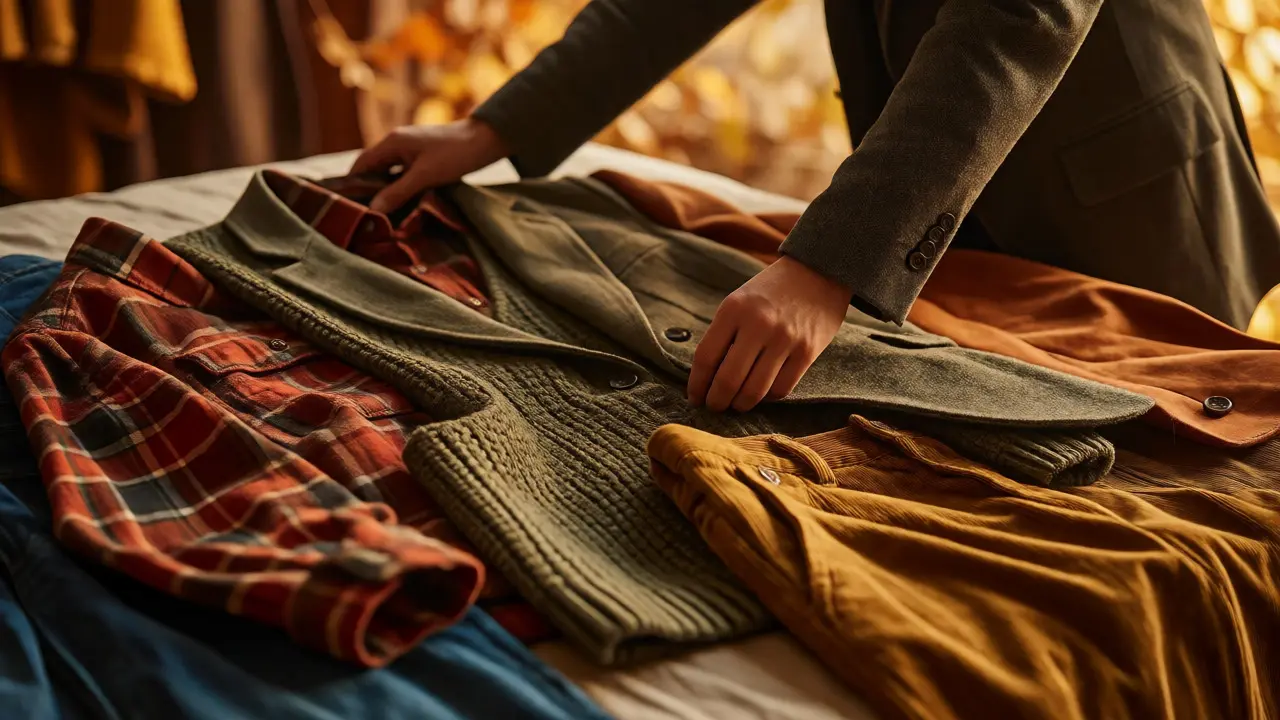
Fall is arguably the easiest season to dress for because layering is inherently stylish. The goal is versatility across a wide temperature range. Morning chill requires warmth; afternoon sun demands removal. Your fall capsule relies heavily on mid-layers like flannels, knit vests, and structured blazers.
Reintroduce heavier fabrics. Corduroy, velvet, and thick knits add texture and depth. Darker earth tones-rust, olive, mustard, brown-blend naturally with autumn foliage and hide dust better than light colors. Footwear transitions back to closed-toe options. Ankle boots are a staple here, pairing equally well with dresses and jeans. Rain jackets remain essential in many regions during this month.
This is also the time to assess your shoe inventory. Have your boots been conditioned? Leather needs maintenance to last. Apply conditioner before the first heavy rain. Fall is also ideal for tailoring. If you gained or lost weight over summer, take alterations now so your fall clothes fit perfectly when you need them.
Winter: Function Meets Style
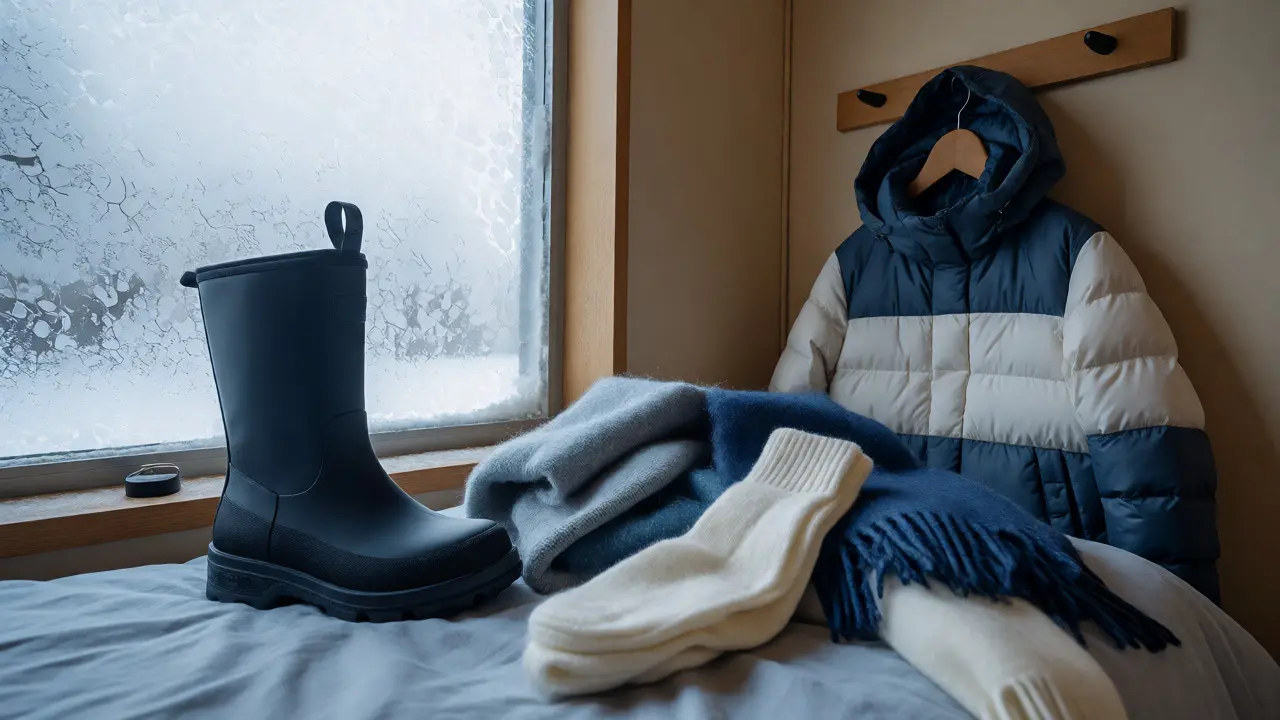
Winter capsules are about insulation without bulk. You want to stay warm without looking like a marshmallow. The secret lies in thermal layers and high-quality outerwear. Start with base layers made of merino wool or synthetic thermal fabrics. Avoid cotton as a base layer; if it gets wet, it stays wet and steals body heat.
Middle layers provide insulation. Fleece pullovers, down vests, and chunky sweaters do this job well. Your outer layer must be windproof and waterproof. Invest in a good coat. It’s the most visible item you own and protects everything underneath. Look for features like sealed seams and adjustable hoods. In Seattle, we prioritize waterproofing over extreme cold ratings, but in Chicago, thermal rating matters more.
Accessories are critical for heat retention. Scarves, beanies, and gloves prevent significant heat loss from extremities. Choose materials that itch less, like cashmere blends or lined fleece. Footwear needs traction and insulation. Insulated waterproof boots are worth the cost if you deal with snow or slush. Socks matter too-wool socks regulate temperature better than cotton, keeping feet dry and warm even inside wet boots.
How to Store Off-Season Clothes Properly
Storing clothes incorrectly ruins them before they’re even worn again. Never store dirty clothes; oils and sweat attract moths and cause permanent staining. Wash or dry-clean everything before boxing it up. Use breathable containers like cotton garment bags or canvas bins. Plastic bins trap moisture, leading to mildew and yellowing.
For delicate items like sweaters, fold them instead of hanging. Hanging stretches shoulders and distorts shape. Use cedar blocks or lavender sachets to deter pests naturally. Chemical mothballs smell terrible and can leave residues. Label boxes clearly by season and category. "Winter Tops" is easier to find than "Box 3." Keep these boxes in a cool, dry place away from direct sunlight, which fades colors over time.
| Season | Best Fabrics | Avoid | Key Accessory |
|---|---|---|---|
| Spring | Cotton Twill, Silk, Light Wool | Heavy Denim, Velvet | Rain Jacket |
| Summer | Linen, Bamboo, Seersucker | Polyester Blends, Leather | Sun Hat |
| Fall | Corduroy, Flannel, Knit | Thin Linen, Mesh | Scarf |
| Winter | Wool, Cashmere, Down | Cotton Base Layers | Gloves |
Common Pitfalls to Avoid
One major error is ignoring your actual lifestyle. If you work from home, why buy five blazers? If you never wear heels, don’t force yourself to buy them for a hypothetical event. Build around what you actually do, not who you wish you were. Another trap is buying trendy pieces that don’t match your existing palette. A neon green skirt looks great alone but clashes with your navy and gray neutrals, leaving it unworn.
Also, resist the urge to replace everything at once. Transition gradually. When switching seasons, keep one or two summer items if the weather lingers. Flexibility prevents panic buying when unexpected heatwaves hit. Finally, track what you wear. After a month, note which items you reached for repeatedly and which stayed untouched. Next season, use that data to refine your purchases.
How many items should be in a seasonal capsule wardrobe?
A typical seasonal capsule contains 30-40 items, including clothing, shoes, and accessories. This excludes workout clothes, sleepwear, and undergarments. Adjust the count based on your climate and lifestyle needs.
Can I wear my winter coat in spring?
It depends on the temperature. In early spring, a heavy winter coat may still be necessary during cold snaps. As temperatures rise, switch to a lighter transitional jacket like a trench or denim jacket to avoid overheating.
What is the best way to store off-season clothes?
Store clothes in breathable containers like cotton garment bags or canvas bins. Always wash or dry-clean items before storage to remove oils that attract pests. Fold knits to maintain shape and use cedar blocks to repel moths naturally.
Do I need new clothes for every season?
No. Most items overlap across seasons. A white button-down shirt works in spring, summer, and fall. Only specific items like heavy coats or shorts are strictly seasonal. Aim to reuse 60-70% of your wardrobe annually.
How do I handle unexpected weather changes?
Layering is the solution. Keep versatile mid-layers like cardigans or light jackets accessible. If a heatwave hits in spring, roll up sleeves or remove layers. If it cools down suddenly, add a scarf or vest. Flexibility beats rigid rules.