

You walk on them every single day. They determine whether your feet ache by 3 PM or stay comfortable through a double shift. Yet, most people spend more on a smartphone they replace every two years than on the shoes that literally carry their body weight for thousands of miles annually. It’s a strange financial blind spot. You might hesitate at $400 for a pair of leather boots but blink twice before dropping $1,200 on a phone case and screen protector combo. The truth is, not all footwear deserves equal treatment in your budget. Some categories are workhorses that justify premium construction because they last decades; others are disposable trends that look great for three months and then fall apart.
So, where does the money actually go? This isn’t about telling you to buy luxury brands just for the logo. It’s about understanding shoe investment mechanics-where craftsmanship translates directly into longevity, comfort, and versatility. If you’re building a closet that works for you rather than against you, you need to know which pairs earn their price tag and which ones are just expensive mistakes waiting to happen.
The Economics of Footwear Longevity
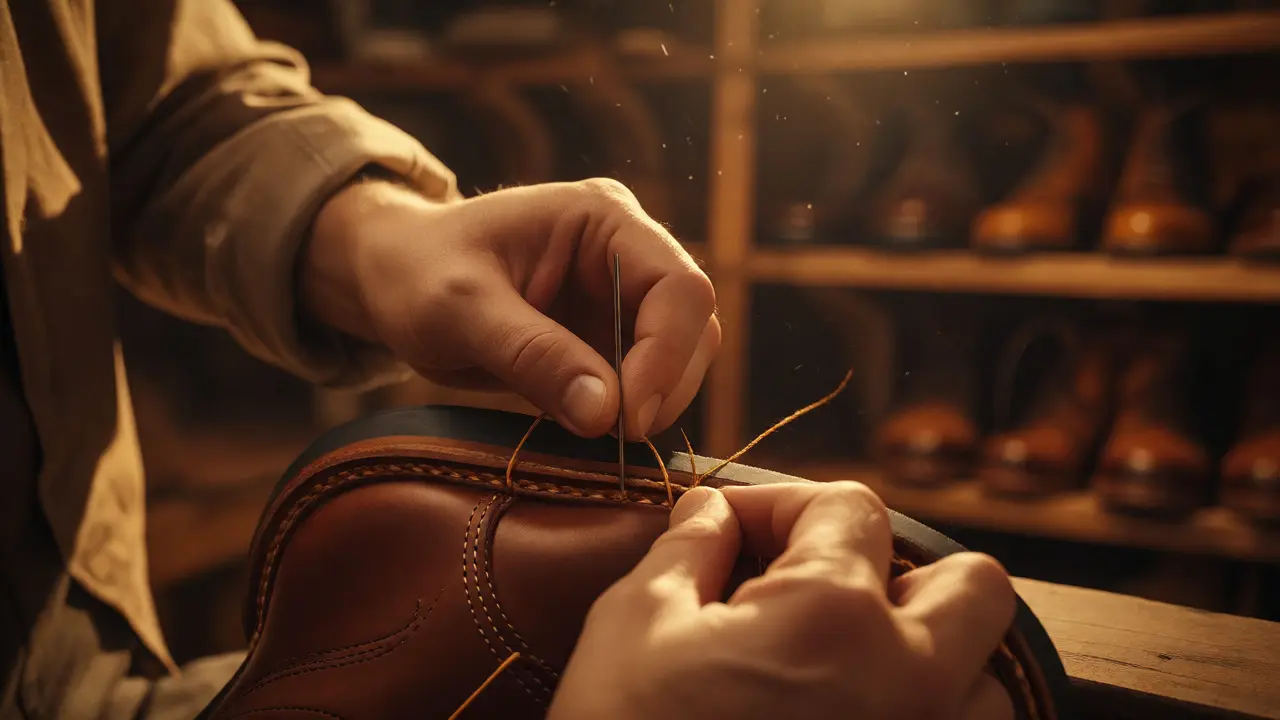
Before we pick specific types, let’s talk about why some shoes cost five times more than others. It usually comes down to construction methods. Cheap shoes are often glued together (cement construction). When the glue fails, the sole separates from the upper, and the shoe is dead. Premium shoes frequently use Goodyear welt or Blake stitch construction. These methods allow a cobbler to replace the sole multiple times without damaging the upper. A $500 boot with a replaced sole costs less over ten years than three $150 boots that died after one year each.
| Construction Type | Average Lifespan | Resoleability | Best For |
|---|---|---|---|
| Cement/Glued | 6-18 months | Low/None | Trendy sneakers, fast fashion sandals |
| Blake Stitch | 3-7 years | Moderate | Dress shoes, casual leather boots |
| Goodyear Welt | 10+ years | High | Work boots, heritage dress shoes |
If you wear a pair of shoes four days a week, a Goodyear-welted boot that lasts eight years has a lower cost-per-wear than a glued sneaker that dies in six months. That math doesn’t lie. But this rule only applies if you actually care about the shoe enough to take it to a cobbler. If you’re the type who tosses shoes when they get scuffed, maybe the premium tier isn’t for you yet.
Category 1: The Versatile Dress Shoe
This is arguably the highest-impact purchase in your entire wardrobe. Most men and women own exactly one pair of "serious" shoes for weddings, job interviews, funerals, and fancy dinners. If that pair is uncomfortable, cheap-looking, or falls apart after two events, you’re paying for stress and embarrassment repeatedly. A high-quality Oxford or a classic leather loafer made from full-grain leather is an asset. Unlike synthetic materials that crack, full-grain leather develops a patina-a unique sheen that improves with age. Brands like Allen Edmonds or Carmina offer entry points into this world, but don’t overlook local cobblers who can source excellent Italian leathers.
Why spend here? Because these shoes rarely go out of style. A black cap-toe Oxford from 1995 still looks appropriate in 2026. Contrast that with a trendy chunky-soled dress shoe from 2020, which now looks dated and awkward. You’re buying timeless utility. Plus, the comfort difference is night and day. Premium dress shoes have cork footbeds that mold to your arch over time. Cheap ones have flat plastic inserts that leave your heels bruised by midnight.
Category 2: The Daily Driver Sneaker
We live in a casual world. For many professionals, the office dress code has relaxed to "smart casual," meaning your sneakers are now business attire. But here’s the trap: most people buy white canvas sneakers or foam-based runners for daily wear. Canvas stains instantly and offers zero structure. Foam midsoles compress and lose bounce within a year. If you’re walking 10,000 steps a day, your knees will thank you for better engineering.
Premium everyday sneakers should feature durable uppers (leather, suede, or high-denier nylon) and supportive, replaceable insoles. Think along the lines of Vejas for ethical production or New Balance Made in USA models for structural integrity. These aren’t running shoes; they are lifestyle shoes built for standing and walking. The key metric here is support. A $200 sneaker with proper arch support prevents plantar fasciitis, saving you hundreds in physical therapy copays later. Do not skimp here. Your spine is attached to your feet.
Category 3: Weather-Specific Boots
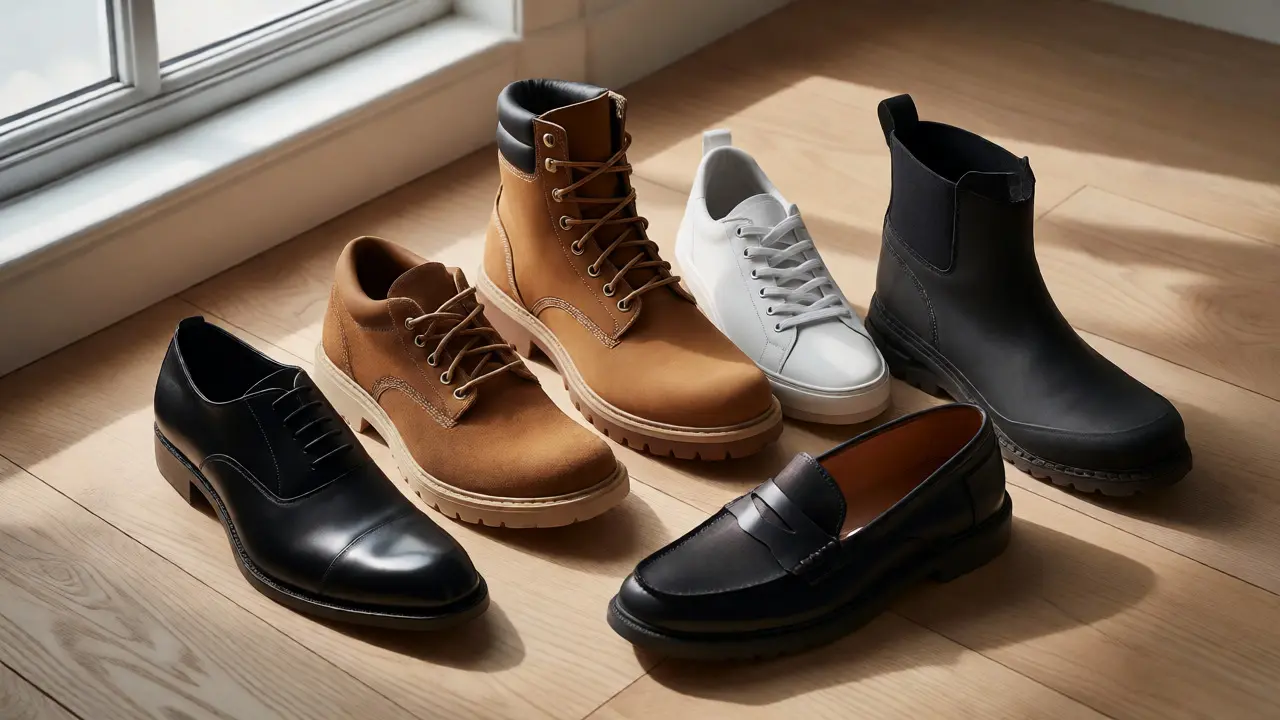
Rain, snow, and slush destroy cheap footwear. If you live in a climate with distinct seasons, investing in dedicated weather gear is non-negotiable. However, there’s a nuance: do not buy waterproof boots for dry climates, and do not buy breathable boots for rainy cities. Misalignment wastes money.
For wet winters, look for boots with Gore-Tex lining or treated full-grain leather. Brands like Danner or Red Wing build boots designed to be resoled indefinitely. A $350 boot might seem steep until you realize it replaces three $100 pairs of department store boots that leaked in January. In contrast, if you live in sunny California, skip the heavy rubber soles. Invest instead in sturdy desert boots or chukkas with Vibram soles for traction without the bulk. The goal is matching the tool to the environment. Buying a heavy winter boot for a mild climate is like buying a truck to drive to the grocery store-it works, but it’s inefficient and costly.
Category 4: Formal Evening Wear
This category trips people up because they assume all formal shoes are the same. They aren’t. There’s a massive difference between a tuxedo shoe and a standard suit shoe. Tuxedo shoes often feature patent leather or silk facings and require specific care. Patent leather cracks if stored improperly. Silk gets stained easily. Unless you attend black-tie events quarterly, you probably don’t need true evening wear. Instead, invest in a high-quality dark brown or black calf leather shoe that can pass as semi-formal.
If you do need true formal wear, prioritize fit over brand. A poorly fitting $1,000 shoe hurts more than a well-fitting $200 one. Custom orthotics or a skilled cobbler’s adjustment can make even mid-range shoes feel bespoke. Save the extreme premium spend for shoes you’ll wear monthly, not yearly. If you only wear tuxedos once a decade, rent them. Don’t buy.
Where to Save Money
Now that we’ve covered where to splurge, let’s talk about where to save. Not every shoe needs to be an heirloom.
- Trendy Seasonal Styles: That neon green slide or metallic heel? Buy them cheap. They’ll be out of style next season. Spending $300 on a trend is burning cash.
- Gym Shoes: Running shoes have a lifespan measured in miles (typically 300-500). They degrade chemically and physically regardless of how well you treat them. Buy mid-range performance shoes and replace them regularly. Don’t hoard them.
- Indoor Slippers: Unless you have medical foot issues, basic wool or cotton slippers suffice. You don’t need orthopedic-grade engineering for lounging on the couch.
- Occasional Sandals: Flip-flops and beach sandals take a beating from sand and salt water. Replace them often. Premium leather sandals are nice, but if you’re dragging them through mud, save the leather for city streets.
The mistake most shoppers make is applying premium logic to disposable categories. You wouldn’t buy a Rolex to wear while gardening. Similarly, don’t buy artisanal hand-stitched loafers for a muddy music festival. Match the investment level to the usage intensity and lifespan expectation.
Building Your Capsule Footwear Collection
A functional wardrobe doesn’t need twenty pairs of shoes. It needs the right five to seven pairs that cover 90% of your life scenarios. Here’s a realistic blueprint for a modern adult in 2026:
- The Workhorse Boot: Brown or tan, Goodyear welted, rugged but refined. Works with jeans, chinos, and even casual suits.
- The Dress Shoe: Black or dark brown Oxfords or Derbies. Leather sole or thin rubber for grip. Essential for professional settings.
- The Clean Sneaker: Minimalist design, white or neutral gray. Leather upper for easy cleaning. Pairs with everything from shorts to blazers.
- The Comfort Trainer: Performance-oriented for gym or long walks. Replaced every 1-2 years.
- The Weather Shield: Waterproof boots or rain boots depending on your geography.
- The Summer Option: Quality sandals or loafers for heat. Breathable materials are key.
Notice what’s missing? No party heels unless you go out weekly. No hiking boots unless you hike monthly. Every addition must serve a recurring role. If you haven’t worn a pair in six months, it’s dead weight. Sell it or donate it. Free up space and cash for the next upgrade.
Maintenance: The Hidden Cost Saver
Buying premium shoes is half the battle. Maintaining them is the other half. Neglect kills expensive shoes faster than bad weather. A simple routine extends life dramatically:
- Rotate Your Pairs: Never wear the same shoes two days in a row. Leather needs 24 hours to dry out from sweat. Rotation prevents odor and material breakdown.
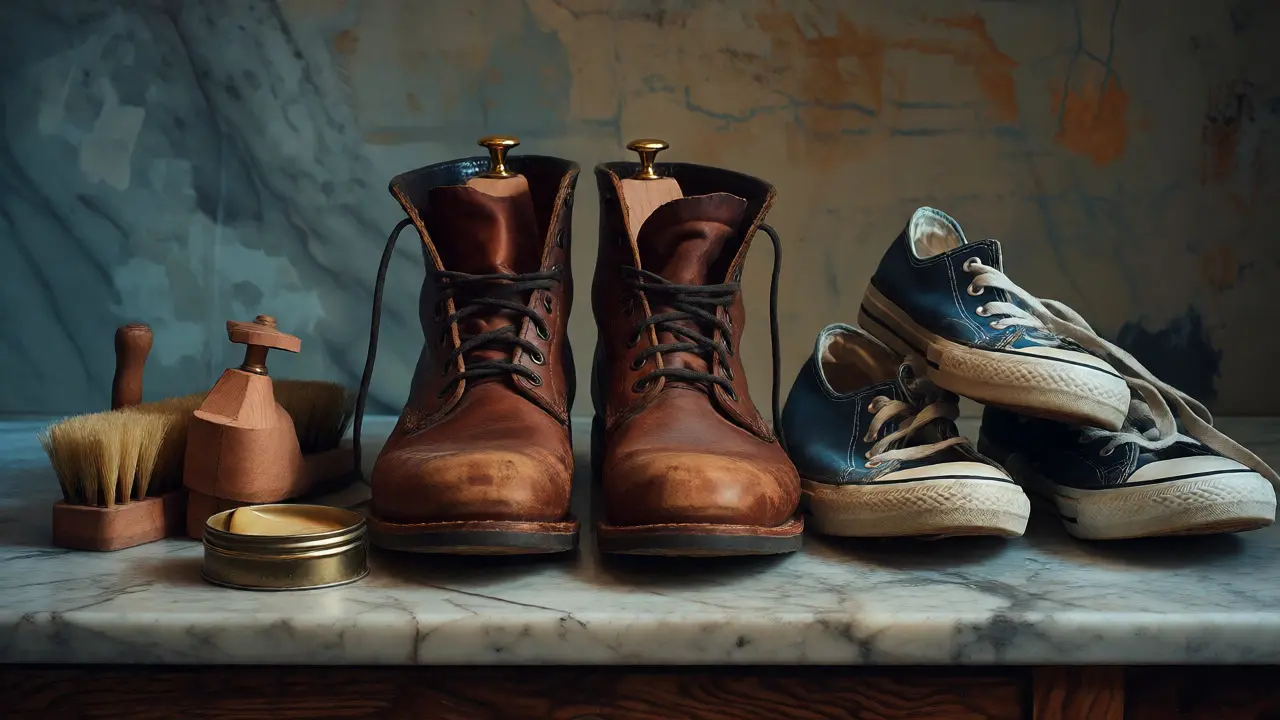
- Use Shoe Trees: Cedar shoe trees absorb moisture and maintain shape. For $20, they prevent creasing and warping. This is the cheapest insurance policy for your shoes.
- Clean Regularly: Wipe off dirt after wearing. Condition leather every few months. Dirty shoes look old; clean shoes look new.
- Visit a Cobbler Early: Don’t wait for the sole to wear through. Have them add topy protection to leather soles immediately. It saves the original sole from grinding down.
Ignoring maintenance turns a $500 investment into a $50 loss. Conversely, caring for a $150 pair can make it last longer than a neglected $400 pair. Discipline beats budget.
Frequently Asked Questions
Is it worth buying expensive shoes if I’m rough on my feet?
Yes, especially if you choose rugged construction. Look for thick rubber soles, reinforced toe caps, and abrasion-resistant materials like Cordura or heavy-duty leather. While no shoe is indestructible, premium construction allows for repairs that keep rough-use shoes alive longer than glued alternatives.
How many pairs of shoes should I own?
For most adults, 5-7 pairs is sufficient. This includes work shoes, casual sneakers, formal wear, weather-specific gear, and athletic shoes. Owning fewer, higher-quality pairs reduces decision fatigue and ensures each pair is used enough to justify its cost.
Do branded logos increase resale value?
Sometimes, but rarely for general footwear. Limited edition sneakers (like Nike Dunks or Jordan retros) hold value due to hype cycles. Classic leather boots and dress shoes from heritage brands (like Alden or Tricker's) hold value better than fast-fashion equivalents because of their durability and timeless design, but expect modest returns, not profit.
What is the biggest red flag when buying expensive shoes?
Poor fit. Even the most expensive shoe will fail if it doesn't fit your foot shape. Check width, arch height, and toe box room. If you have to "break them in" painfully, return them. Premium shoes should feel comfortable relatively quickly, not after weeks of blistering.
Are vegan leather shoes worth the premium price?
It depends on the material quality. High-end plant-based leathers (like Piñatex or mushroom leather) can be durable and stylish but may lack the breathability and patina development of animal leather. Cheaper PU vegan leather often peels and cracks quickly. Research the specific material composition before paying a premium.