

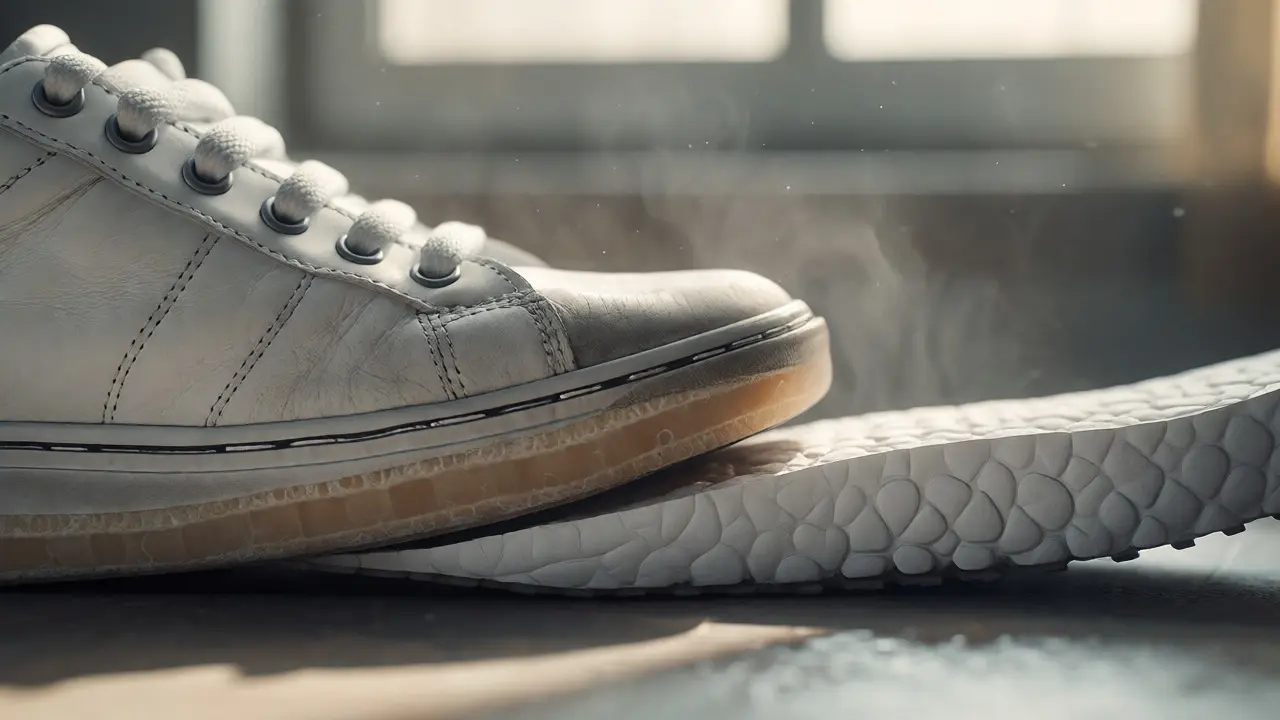
You just bought the perfect pair of white leather sneakers. They fit like a glove, they look incredible, and you wear them every single day for three weeks straight. Then, suddenly, the midsole feels flat, the leather is creased beyond repair, and they smell like a locker room that hasn't been cleaned since 2019. Sound familiar? It’s not bad luck; it’s physics. Shoes need rest. Just like your muscles need recovery time after a workout, the materials in your shoes need downtime to bounce back. If you want your favorite kicks to last years instead of months, you don’t need more money-you need a shoe rotation.
Why Your Shoes Need a Day Off
Most people think shoes break down because of friction against the pavement. While abrasion is real, the biggest killer of shoe structure is actually moisture and compression fatigue. When you walk, your feet sweat. Even if you don’t feel hot, your feet produce up to half a pint of sweat a day. That moisture gets trapped inside the lining and the foam midsole. If you wear the same pair two days in a row, that moisture has nowhere to go. It breaks down the glue holding the sole together, warps the leather, and breeds bacteria that cause odors.
Then there’s the foam. Modern athletic shoes use ethylene-vinyl acetate (EVA) or polyurethane foams for cushioning. These materials are elastic, but only when dry. Wet foam compresses faster and doesn’t rebound as quickly. By letting a pair sit for 24 to 48 hours, you allow the foam cells to re-expand and the internal humidity to evaporate. This simple act of waiting can double the functional life of a sneaker. It’s not magic; it’s material science.
Building Your Core Rotation
You don’t need ten pairs of shoes to start rotating. You need enough variety to cover different weather conditions and activities without forcing one pair to do everything. A solid baseline rotation consists of four distinct categories. Think of this as your footwear wardrobe essentials.
- The Daily Driver: This is your most versatile sneaker. Neutral colors, comfortable fit, works with jeans, chinos, or shorts. Examples include Adidas Stan Smiths, Nike Air Force 1s, or Common Projects Achilles Low.
- The Weatherproof Option: New York rain is no joke. You need something that handles wet streets without getting ruined. Leather boots, waterproof trail runners, or treated canvas shoes fall here.
- The Dressier Pair: For office days, dinners, or dates. Loafers, derbies, or clean minimalist sneakers. Keep these away from mud and heavy traffic.
- The Activity Specific: If you run, lift weights, or hike, keep those shoes out of your daily casual rotation. Running on concrete wears out running shoes fast; wearing them to brunch wastes their specialized cushioning.
With these four types, you can rotate through the week easily. Monday might be your Daily Driver. Tuesday brings rain, so you switch to the Weatherproof option. Wednesday is a meeting-heavy day, so the Dressier pair comes out. Thursday is gym day, so the Activity Specific shoes get used. Friday goes back to the Daily Driver, which has now had two full days to air out. See how that works? No pair sees consecutive use.
| Material Type | Recommended Rest Period | Primary Wear Factor | Care Tip |
|---|---|---|---|
| Leather | 24-48 hours | Creasing and cracking | Use cedar shoe trees immediately after removal |
| Knit/Mesh | 24 hours | Sweat retention and odor | Air dry away from direct heat sources |
| Suede/Nubuck | 48+ hours | Moisture staining and matting | Brush gently after drying to restore nap |
| Running Foam | 24 hours minimum | Midsole compression set | Remove insoles to speed up drying |
The Role of Shoe Trees and Storage
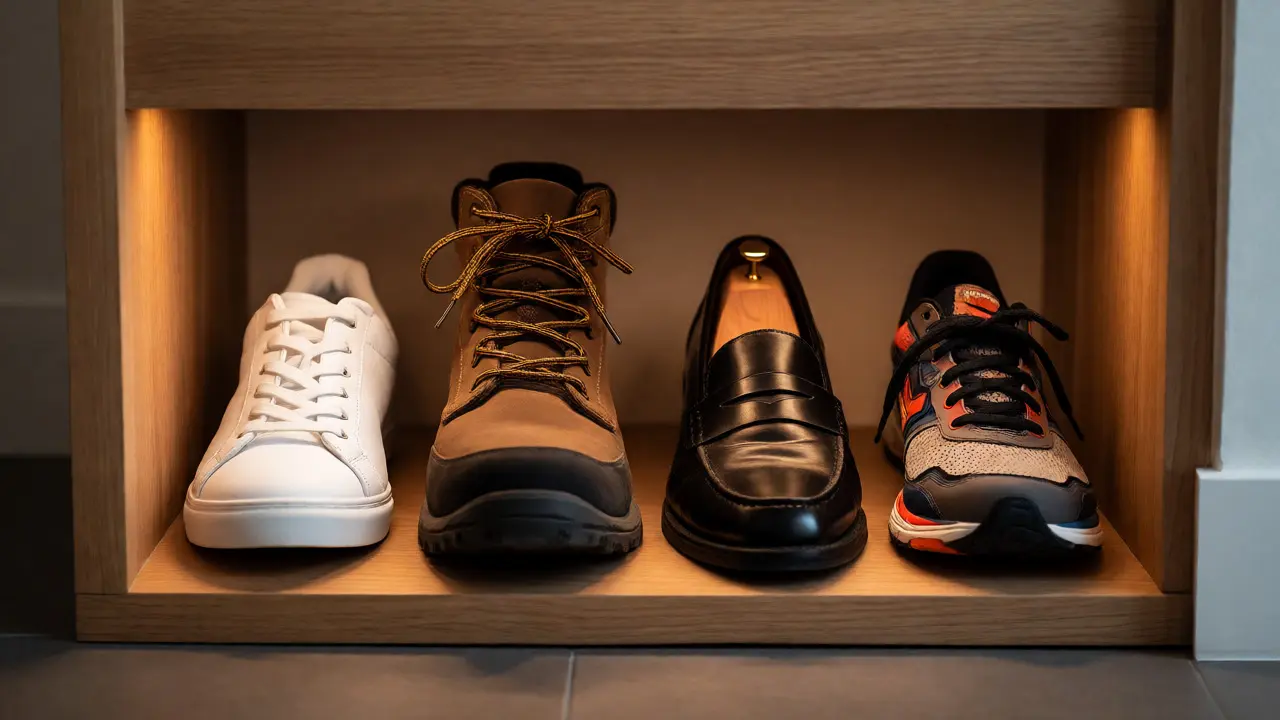
Rotation fails if you toss your shoes into a dark closet corner. Where you store them matters as much as how often you wear them. The enemy of shoe longevity is humidity and deformation. This is where cedar shoe trees become non-negotiable for leather and suede footwear. Cedar wood absorbs residual moisture from the interior while maintaining the shape of the toe box. Without them, leather curls inward as it dries, creating permanent creases that eventually crack.
For sneakers and knit shoes, shoe trees aren’t always necessary, but proper airflow is. Avoid stuffing shoes into tight plastic bins. Instead, keep them on open shelves or in breathable cotton bags. If you live in a particularly humid apartment, consider placing silica gel packets inside rarely worn pairs. It’s a cheap trick that prevents mold spots from forming on white rubber soles.
Another common mistake is stacking shoes on top of each other. The weight crushes the heel counters-the stiff part at the back that holds your ankle. Once the heel counter collapses, the shoe loses its structural integrity and slips off your foot. Store them side-by-side whenever possible. If space is tight, use vertical organizers that keep the heels supported rather than crushed.
Hygiene Habits That Save Soles
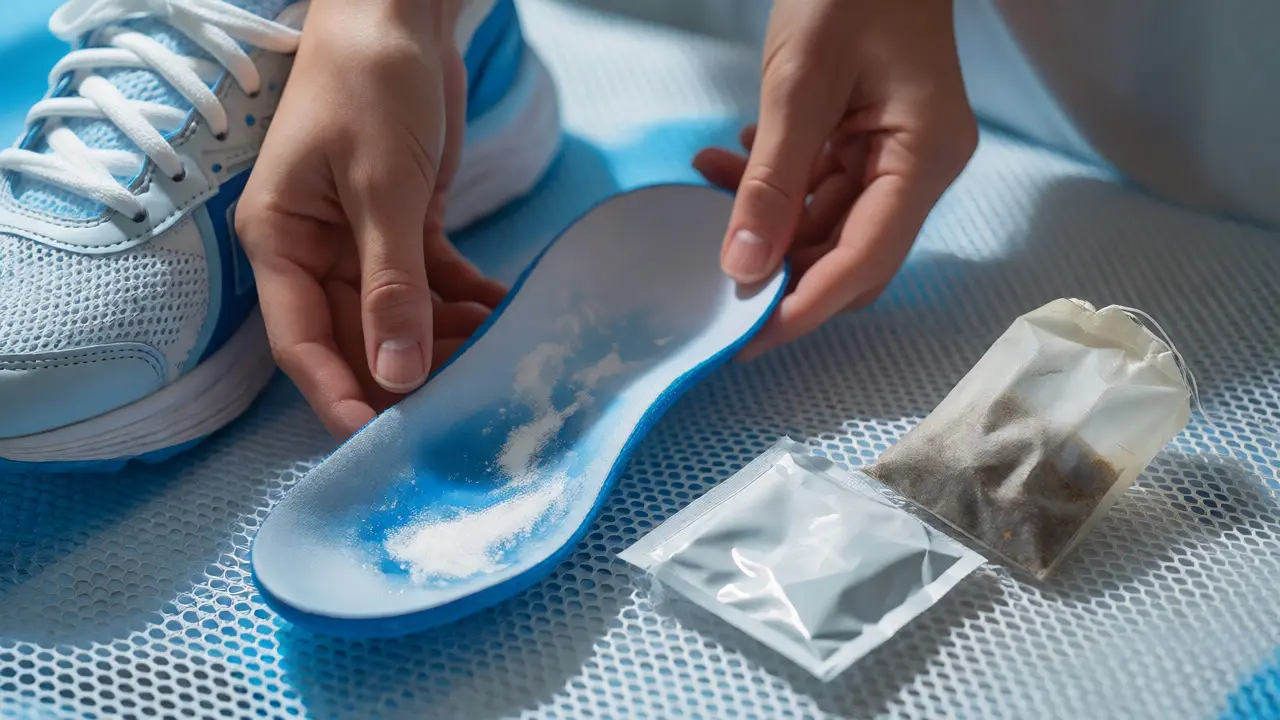
A rotation schedule isn’t just about alternating pairs; it’s about keeping each pair clean between wears. You don’t need to deep-clean your shoes weekly, but quick maintenance prevents buildup. After taking off sweaty sneakers, pull out the insoles. Leave both the shoe and the insole in a well-ventilated area. Never put wet shoes near a radiator or use a hair dryer on high heat. High temperatures warp adhesives and shrink natural fibers. Let them dry at room temperature.
For odor control, skip the chemical sprays that mask smells with strong perfumes. Baking soda is effective and cheap. Sprinkle a teaspoon inside each shoe before bed, shake it out in the morning. Alternatively, leave a tea bag inside overnight. The tannins absorb moisture and neutralize bacteria naturally. If you’re dealing with persistent fungus issues, UV light sanitizers work, but consistency beats gadgets every time.
Also, check your socks. Thin, synthetic socks trap sweat against the skin. Cotton absorbs some, but merino wool or technical blends designed for wicking moisture are superior. Wearing better socks reduces the load on your shoes’ internal lining. It’s an easy upgrade that extends the life of every pair in your rotation.
When to Retire a Pair
Even with perfect rotation, shoes die. But knowing when to retire them saves you from walking on broken support. Look at the outsole tread. If the pattern is completely gone, especially under the ball of the foot, you’ve lost traction and shock absorption. Next, press on the midsole. If it feels hard and unyielding rather than springy, the foam has reached its limit. This happens around 300-500 miles for running shoes, regardless of how good they look.
For dress shoes, inspect the welt stitching. If the leather upper separates from the sole, it’s time for a cobbler visit. Sometimes resoling costs less than buying new. However, if the cork filling under the footbed has compressed significantly, resoling might not fix the comfort issue. Trust your feet. If you wake up with arch pain or knee soreness after a long day, your shoes have failed you, even if they still look presentable.
Cost-Benefit Analysis of Rotating
Let’s talk numbers. A decent pair of sneakers costs $100. Worn daily without rotation, they last about 6 months. That’s $200 a year per style category. With a rotation of three pairs costing $300 total, each pair lasts 18 months. Your annual cost drops to $200, and you always have fresh options. Plus, you avoid the emergency purchase cycle-buying whatever is available when your only pair breaks.
It also boosts resale value. Sneakers kept in rotation stay cleaner and show less wear. Limited edition Jordans or Yeezys retain higher market prices if they haven’t been beaten up by daily abuse. If you ever plan to sell old pairs, a rotation history is a selling point. Buyers ask, “Have these been worn daily?” A confident “No, I rotated them” adds credibility.
How many pairs of shoes do I need for a basic rotation?
Three to four pairs are sufficient for most people. This allows you to alternate between casual, formal, and weather-specific footwear, ensuring no single pair is worn more than twice a week. If you exercise regularly, add a dedicated athletic pair, bringing the total to five.
Can I rotate shoes if I only own two pairs?
Yes, but it’s less effective. Alternating two pairs gives each shoe one day of rest. Ideally, you want 48 hours of rest for optimal foam recovery and drying. If you stick to two pairs, try to avoid wearing them on consecutive days during rainy weather, as wet shoes take longer to dry and may not fully recover in 24 hours.
Do shoe trees help all types of shoes?
Cedar shoe trees are best for leather and suede dress shoes because they absorb moisture and maintain shape. For soft sneakers and knit runners, standard wooden trees can stretch the material too much. Use plastic or wire shapers for delicate knits, or simply stuff them with acid-free tissue paper to hold form while allowing airflow.
How does humidity affect my shoe rotation?
High humidity slows down the drying process, meaning you need longer rest periods between wears. In damp climates like New York summers, extend rest times to 48 hours for wet shoes. Consider using dehumidifiers in your storage area or silica gel packs to accelerate moisture removal and prevent mold growth.
Is it okay to wash shoes in the washing machine?
Generally, no. Machine washing damages glues and distorts shapes, shortening lifespan. Spot cleaning with mild soap and a soft brush is safer. If you must machine wash canvas shoes, remove laces and insoles, use cold water on a gentle cycle, and air dry only. Never tumble dry, as heat destroys foam midsoles.