

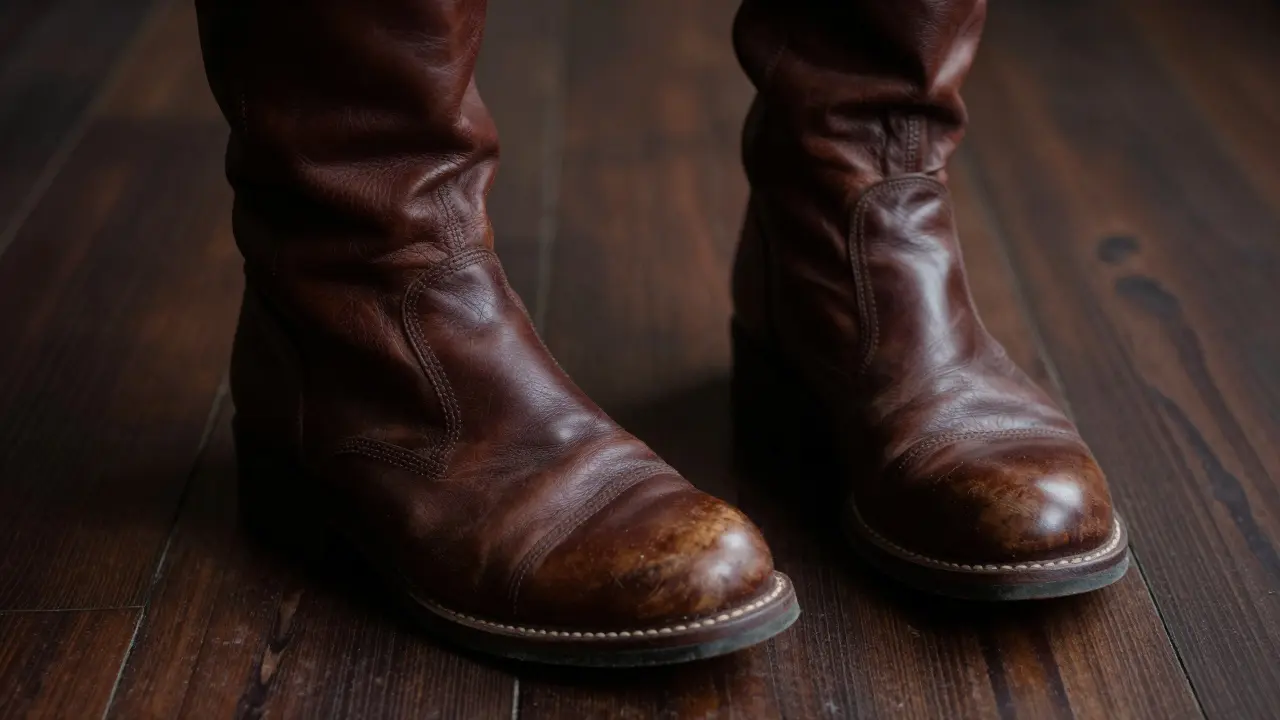
You spent good money on those leather boots. They fit perfectly, they looked sharp, and for the first six months, they were your favorite pair. Then came winter’s end. You stuffed them into the back of a closet, maybe tossed in some newspaper, and forgot about them until next season. When you pulled them out this January, they smelled like damp cardboard, the leather was cracked, and the shape was ruined. It happens to almost everyone.
Most people think shoes wear out because we walk in them. That’s only half true. A huge chunk of footwear damage happens when shoes are sitting still. Poor storage kills leather, warps soles, and destroys structure faster than miles of pavement. If you want your wardrobe to last, you have to treat your off-season footwear with the same respect as your daily drivers. This isn’t just about tidiness; it’s about protecting an investment.
The Science of Why Shoes Lose Their Shape
Leather is a living material. It breathes, it expands, and it contracts based on humidity and temperature. When you take off tight boots or structured heels, the leather retains the memory of that compression. If you leave them crumpled in a box or squeezed against other items, that temporary crease becomes permanent. Over time, the fibers break down, leading to deep cracks that no conditioner can fix.
Synthetic materials aren’t immune either. Canvas sneakers lose their toe-box structure, and knit uppers collapse without support. The result? A shoe that looks sloppy and feels uncomfortable the moment you slide your foot in. We’ve all tried to force our foot into a collapsed sneaker, wincing as the fabric digs into our toes. That’s not just annoying; it changes how the shoe fits, often making it unwearable.
Think of a shoe like a suit jacket. You wouldn’t hang a wool blazer in a cramped drawer where the shoulders get crushed. Yet, we routinely shove expensive footwear into dark corners without a second thought. The solution starts with understanding that structure requires support, even when the shoe is empty.
Boot Shapers vs. Newspaper: What Actually Works
For decades, the go-to advice has been "stuff your boots with newspaper." It sounds eco-friendly and free, but it’s flawed. Newspaper ink can transfer onto light-colored linings. More importantly, paper doesn’t provide consistent pressure. As humidity changes, paper shrinks or expands, leaving gaps where the leather can buckle. Plus, tearing up pages every time you rotate your rotation is tedious.
Boot shapers, also known as shoe trees, are engineered to solve this. Unlike random crumpled paper, a quality boot shaper applies gentle, outward pressure to mimic the natural shape of your foot. This prevents creases from forming at the ball of the foot-the most common spot for leather to crack.
Not all shapers are created equal. Cheap plastic versions do little more than hold the opening open. They don’t absorb moisture, and they can actually create pressure points that distort the heel counter. Wood is the gold standard here. Cedar wood, specifically, offers two major benefits:
- Absorption: Cedar naturally pulls moisture away from the interior lining after a day of wear. Dry leather lasts longer. Wet leather rots.
- Odor control: The natural oils in cedar neutralize bacteria that cause smells. No more airing out your boots for three days before wearing them again.
If you own heavy work boots or tall riding boots, look for adjustable tension mechanisms. These allow you to customize the width, ensuring the shaper supports narrow calves or wide feet without forcing the leather too far.
Strategic Shoe Storage: Beyond the Closet Floor
Having the right internal support is useless if the external environment is hostile. Heat, light, and humidity are the enemies of longevity. Storing shoes under the bed in a hot attic or in a sunlit hallway will degrade adhesives and fade colors rapidly.
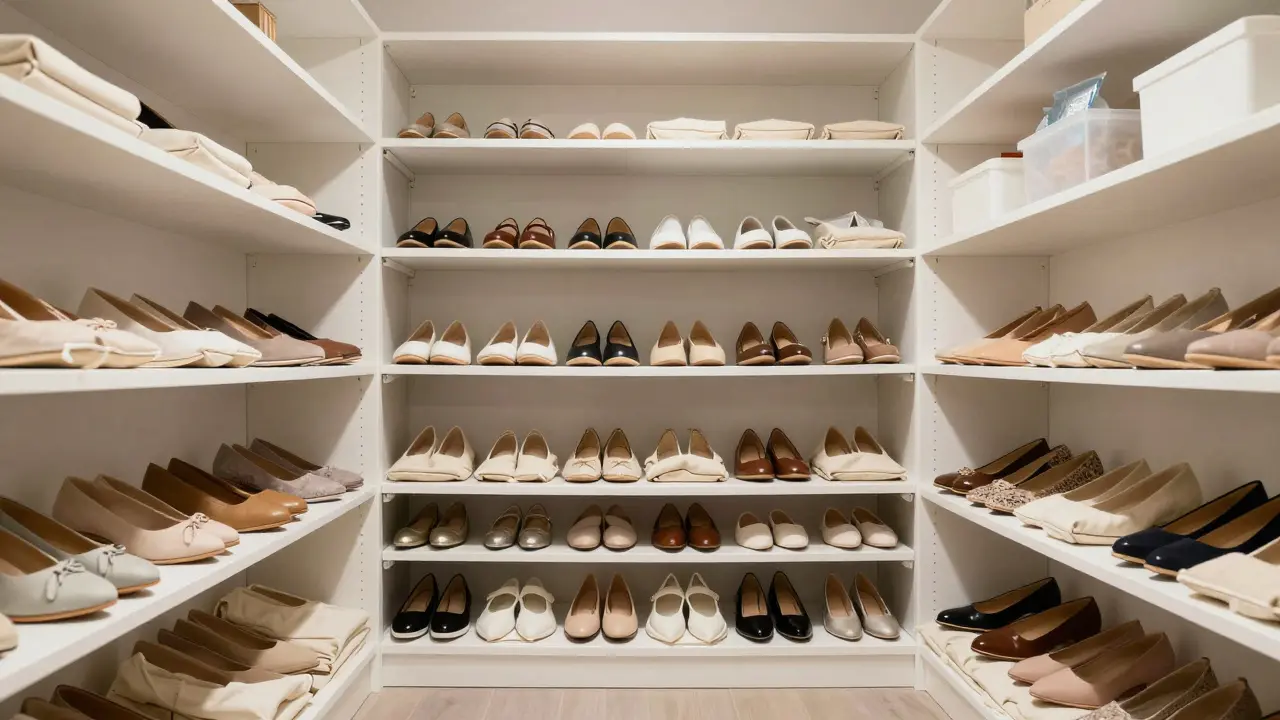
The ideal storage spot is cool, dry, and dark. But space is often limited, especially in city apartments. Here is how to organize efficiently without sacrificing protection:
- Keep pairs together: Never store one shoe upside down over another. This distorts the sole and damages the upper. Use dividers or individual boxes if stacking is necessary.
- Use breathable containers: Plastic bins trap moisture. If you must use bins, choose ones with ventilation holes, or line them with silica gel packets to control humidity. Fabric shoe bags are excellent for delicate materials like suede or silk.
- Elevate off the floor: Basements and ground-floor closets can get damp. Elevating shelves by even a few inches reduces the risk of mold growth on rubber soles and leather uppers.
For high-value items, consider acid-free tissue paper. Stuff the toe box lightly to maintain shape, then wrap the entire shoe. This barrier protects against dust and accidental scuffs while allowing air circulation. It’s a step above simple cloth bags and below the cost of custom luxury boxes.
| Method | Shape Retention | Moisture Control | Cost | Best For |
|---|---|---|---|---|
| Newspaper | Poor (Inconsistent) | None (Can retain ink) | Free | Emergency short-term only |
| Plastic Shapers | Moderate | None | Low ($5-$10) | Casual sneakers, non-leather |
| Cedar Wood Trees | Excellent | High (Absorbs sweat) | Medium ($20-$50+) | Leather dress shoes, boots |
| Adjustable Metal/Wood | Excellent (Custom fit) | High | High ($40-$80) | Tall boots, wide/narrow feet |
Material-Specific Care Routines
One size does not fit all when it comes to storage. The material dictates the method. Treating suede like patent leather will ruin both.
Leather: Leather needs to breathe. After cleaning and conditioning, insert your cedar shapers immediately. Store in a well-ventilated area. Avoid direct sunlight, which dries out the oils and causes fading. If your leather is showing signs of stiffness, apply a small amount of beeswax-based conditioner every few months during storage.
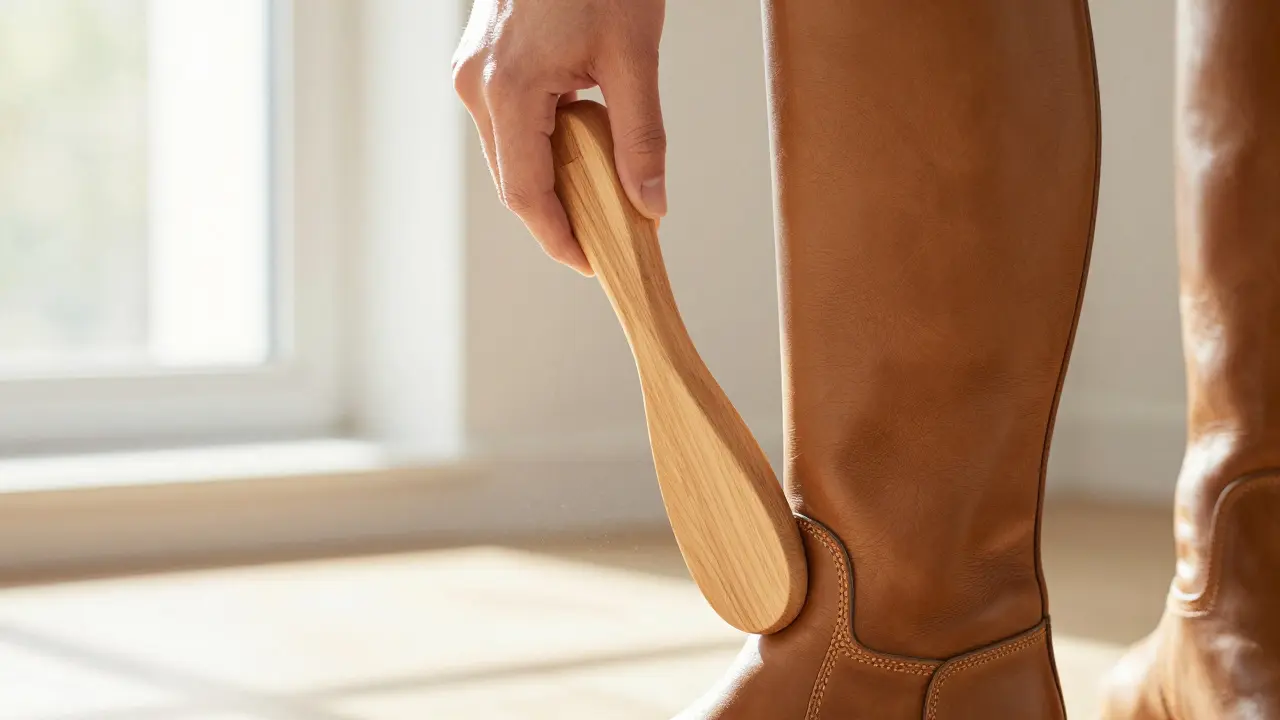
Suede and Nubuck: These materials are porous and prone to water spots and crushing. Always use suede brushes to restore the nap before storing. Insert shapers made of foam or soft wood to avoid scratching the surface. Cover with a breathable cotton bag to keep dust out, but never seal them in plastic. Suede hates trapped humidity.
Sneakers and Canvas: Rubber soles can oxidize and crack if exposed to UV light. Keep these in opaque boxes. Stuff the toe box with acid-free paper to prevent the canvas from collapsing. For white sneakers, include a silica gel packet to prevent yellowing caused by moisture.
Boots: Tall boots are the trickiest. They tend to flop over, creating a hard crease at the ankle. Use tall, adjustable boot shapers that reach the top of the shaft. Hang them by the heel using specialized hangers if shelf space is tight, but ensure the weight is distributed evenly to avoid stretching the upper.
The Wardrobe Edit Connection
Organizing your shoes forces you to confront what you actually wear. This is where shoe storage intersects with wardrobe editing. It’s easy to hold onto shoes "just in case" or because they’re expensive. But a cluttered shoe rack leads to neglected footwear.
When you edit your collection, be ruthless. Ask yourself: Have I worn this in the last year? Does it fit my current lifestyle? If the answer is no, sell it or donate it. Keeping dead weight in your closet takes up space that could be used for rotating active pieces properly. A curated collection of 10-15 versatile pairs is easier to maintain than 50 neglected ones.
Focus on quality over quantity. One pair of well-cared-for leather boots that lasts ten years is cheaper and more sustainable than five pairs of fast-fashion knockoffs that fall apart in two seasons. Proper storage extends the life of high-quality materials, maximizing the value of each purchase.
Common Mistakes That Ruin Shoes Fast
Even with the best intentions, small habits can undo your efforts. Here are the most frequent errors I see in client closets:
- Storing wet shoes: Never put boots away immediately after walking in rain or snow. Let them air dry at room temperature with shapers inserted. Using a heater or hair dryer to speed up the process will shrink and crack the leather instantly.
- Over-stuffing: While support is good, forcing a shaper that is too large can stretch the shoe beyond its limits. The shaper should fit snugly but not strain the seams.
- Ignoring the soles: Dirt and grit left on the sole can grind into the leather upper over time. Brush off debris before storing. Consider adding protective sole guards if you live in areas with road salt.
- Using original boxes forever: Retail boxes are designed for transport, not long-term storage. They often lack ventilation and can trap odors. Transfer valuable pairs to archival-quality boxes or breathable bags.
Another subtle mistake is neglecting the insoles. Feet sweat significantly, and that moisture gets absorbed into the insole. Removing insoles to air them out separately can prolong the life of the shoe’s interior. Replace worn-out insoles annually to maintain proper arch support and hygiene.
Building a Sustainable Footwear Habit
Extending the life of your shoes is a form of sustainable fashion. The textile industry generates massive waste, and footwear is a significant contributor. By caring for what you already own, you reduce the need to buy new replacements. This aligns with the broader goal of conscious consumption.
Start small. Buy a set of cedar shoe trees for your most-worn pair. Clean and condition them after each wear. Rotate your shoes-never wear the same pair two days in a row. This gives the materials time to recover their shape and dry out completely. These small rituals become automatic over time.
Invest in repairability. Choose brands that offer resoling and reheeling services. A $200 pair of boots can easily last a decade with proper maintenance and occasional repairs. Compare this to the cycle of buying cheap shoes, watching them fail, and discarding them. The economic and environmental benefits are clear.
Your shoes are tools, but they are also expressions of style. Treating them with care shows respect for craftsmanship and your own resources. Whether you’re storing a vintage pair of oxfords or a new pair of hiking boots, the principles remain the same: support the structure, control the environment, and clean regularly.
Next time you reach for the closet door, pause. Look at how your shoes are stored. Are they breathing? Are they supported? Or are they waiting to be ruined by neglect? Small changes in storage habits yield big results in longevity. Your feet-and your wallet-will thank you.
How often should I replace my boot shapers?
Cedar wood shapers can last for many years, but they eventually lose their ability to absorb moisture and odor. If the cedar no longer smells fresh or feels dry, it’s time to replace them. Generally, check them every 1-2 years. Plastic shapers may crack or warp over time and should be replaced if they show signs of damage.
Can I use shoe trees for sneakers?
Yes, but choose the right type. Traditional wooden shoe trees can be too rigid for flexible sneaker uppers. Look for collapsible or foam-based shapers designed for athletic shoes. These provide gentle support without stressing the stitching or synthetic materials.
Is it okay to store shoes in plastic bags?
Only if the bags are breathable. Standard plastic bags trap moisture, leading to mold and mildew growth. Use cotton dust bags or mesh organizers instead. If you must use plastic for protection during moving, ensure the shoes are completely dry and include silica gel packets.
How do I remove bad odors from stored shoes?
First, identify the source. Mold requires professional cleaning. For general odors, sprinkle baking soda inside the shoes overnight, then vacuum it out. Cedar shoe trees help prevent future odors by absorbing moisture and releasing natural oils. Ensure shoes are fully dry before storing.
What is the best way to store high heels?
Store high heels upright to maintain the angle of the heel and prevent the arch from flattening. Use heel protectors to prevent scratches. Stuff the toe box with tissue paper to keep the shape. Avoid stacking heels directly on top of each other, as this can bend the heel shaft.


Write a comment