

The shoe aisle has never been this crowded with conflicting signals. One day, everyone is talking about the return of the chunky sneaker; the next, it’s all about delicate straps and architectural heels. If you are standing in a store or scrolling through social media right now, you might feel like every style is trending at once. But that is an illusion created by fast fashion cycles. When you look at the actual data from runways, retail sales, and street style photography across New York, London, and Milan, a clearer picture emerges for the rest of 2026.
Three specific categories are not just having a moment-they are poised to dominate the market. We are seeing a definitive shift toward heels, flats, and boots. These aren’t random picks. They represent a broader cultural move away from the ultra-minimalist sneakers that ruled the early 2020s. People want expression, they want comfort, and they want versatility. Here is how these three categories are shaping up and what you need to know to navigate them without wasting money on fleeting fads.
The Return of the Statement Heel
For years, we were told that heels were dead. The pandemic accelerated a shift toward comfort, and the block heel became the only acceptable option. But as we move deeper into 2026, the conversation has changed. Heels are back, but they are not the stilettos of the 1950s or even the sleek pumps of the 1990s. The current forecast points to two distinct directions: the sculptural and the substantial.
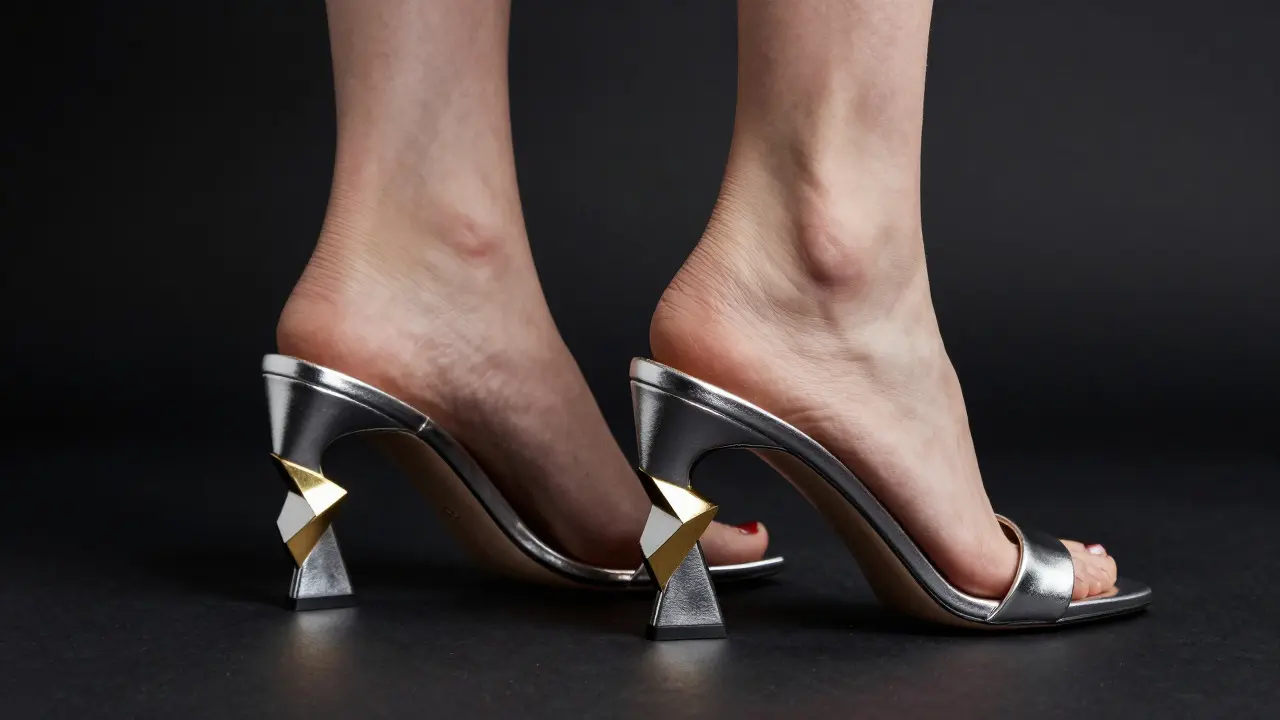
First, there is the rise of the architectural heel. Think sharp angles, twisted metal, and geometric shapes that look more like art installations than footwear. Designers are using materials like brushed gold, matte black resin, and even recycled glass to create heels that catch the light and draw the eye. These shoes are statement pieces. You don’t wear them to blend in; you wear them to start a conversation. A pair of silver, zigzag-heeled sandals can elevate a simple white dress and jeans combination into something editorial.
Second, we have the revival of the platform pump. This isn’t your grandmother’s platform shoe. Modern versions feature a thick sole that reduces the pitch of the heel, making them surprisingly walkable. The key here is proportion. The thicker the platform, the bolder the silhouette. We are seeing lots of patent leather, which adds a glossy contrast to the matte textures dominating outerwear this season. If you are buying heels in 2026, focus on these two styles. They offer longevity because they align with the broader trend of "maximalist minimalism"-clean lines but with unexpected details.
Flats That Actually Work All Day
If heels are for making a statement, flats are for living life. And let’s be honest, most of us spend more time commuting, walking dogs, or running errands than attending galas. The flat shoe category is undergoing its biggest redesign in decades. Gone are the days when flats meant boring ballet slippers or worn-out loafers. Today’s flats are engineered for performance and style.
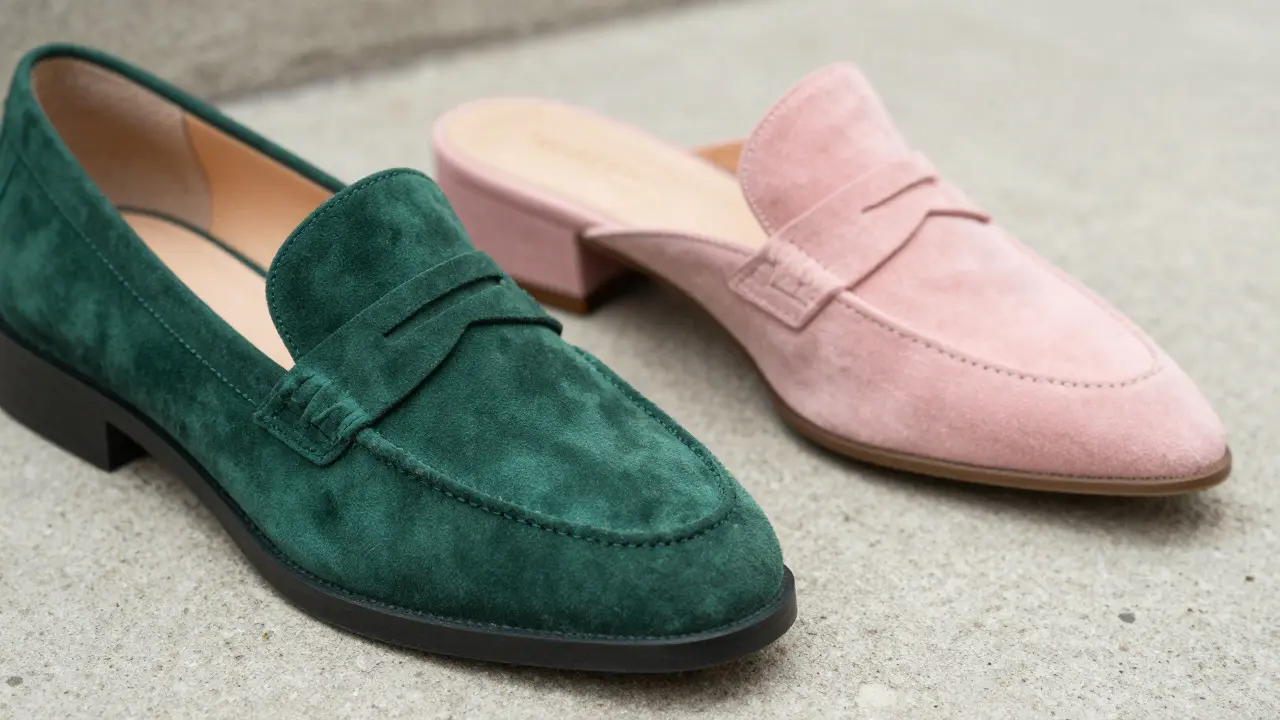
The dominant player here is the modern loafer. We are seeing loafers with square toes, chunky soles, and metallic hardware. Brands are incorporating memory foam insoles and flexible rubber outsoles, borrowing technology from athletic footwear. This means you can wear them to a client meeting and then walk five blocks to dinner without your feet screaming in protest. The color palette has also expanded beyond brown and black. Emerald green, deep burgundy, and even pastel pink are becoming staples. These colors add a pop of personality to neutral outfits without overwhelming the look.
Another rising star is the pointed-toe mule. Mules have been around for a while, but the 2026 iteration is sharper and more refined. The pointed toe elongates the leg, giving you the visual effect of a heel without the physical strain. These are perfect for warmer months and office environments where open-back shoes are acceptable. Look for materials like suede or soft calfskin, which drape nicely over the foot and break in quickly. Avoid stiff synthetic materials, as they will cause blisters and ruin the comfort factor that makes flats so appealing.
Boots: The Year-Round Essential
Boots have always been a staple, but the way we wear them has shifted dramatically. In previous years, boots were strictly seasonal-worn in autumn and winter, then packed away until November. Now, thanks to lighter materials and versatile designs, boots are year-round essentials. The forecast for 2026 highlights two specific types: the knee-high boot and the rugged combat boot.
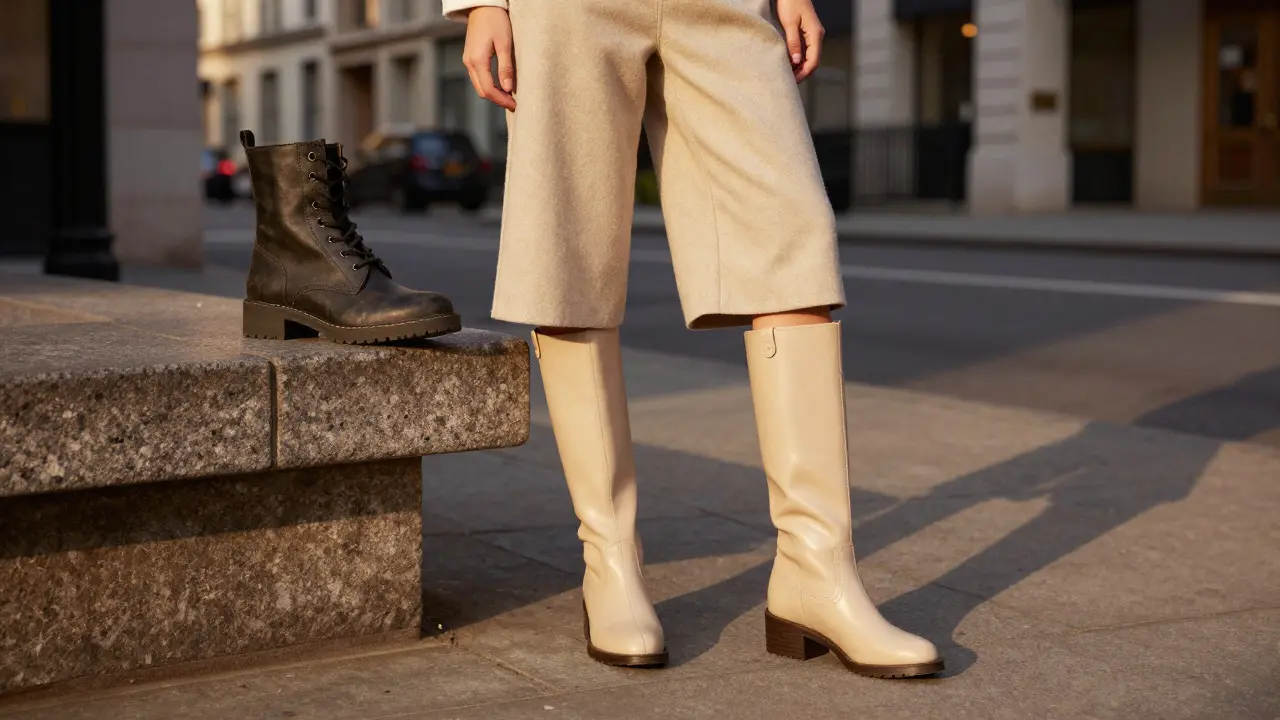
The knee-high boot has made a comeback, but it’s not the tight, skinny-boot version of the 2010s. Today’s knee-highs are looser, often featuring a shaft that sits comfortably around the calf rather than squeezing it. This change reflects a broader trend toward relaxed silhouettes in clothing. Wide-leg trousers and midi skirts pair perfectly with these boots. The key is to ensure the boot shaft is slightly wider than your pant leg or skirt hem to avoid bunching. Materials like butter-soft leather or vegan alternatives are popular because they offer flexibility and ease of movement.
On the other end of the spectrum, we have the combat boot. These boots have evolved from military gear to high-fashion staples. The modern combat boot features aggressive treads, multiple lace-up panels, and heavy-duty buckles. However, designers are slimming down the profile to make them more wearable with feminine pieces like floral dresses or tailored blazers. This juxtaposition of tough and delicate is a hallmark of contemporary style. When shopping for combat boots, pay attention to the ankle support. A good pair should feel sturdy but not restrictive. Brands are increasingly using lightweight composites to reduce the weight without sacrificing durability.
How to Build a Cohesive Shoe Wardrobe
Knowing which trends are hot is one thing; integrating them into your existing wardrobe is another. You don’t need to buy ten new pairs of shoes to stay stylish. Instead, focus on building a core collection that mixes these three categories effectively. Start by assessing what you already own. Do you have a reliable pair of flats? A versatile pair of boots? If not, those are your priority purchases.
When adding new pieces, think about color coordination. Neutral tones like black, nude, and taupe are safe bets because they match almost everything. However, don’t be afraid to introduce one accent color. For example, if you have a mostly black wardrobe, a pair of red loafers or blue ankle boots can refresh your look instantly. Texture also plays a crucial role. Mixing smooth leather with suede or patent finishes adds depth and interest to your outfit. It shows thoughtfulness and attention to detail.
Consider the occasions you frequent most. If you work in a creative industry, you might lean more toward statement heels and unique flats. If your job involves a lot of walking or travel, prioritize comfortable boots and supportive flats. The goal is to have options that suit your lifestyle, not just the runway. Remember, trends are suggestions, not rules. Wear what makes you feel confident and comfortable.
Sustainability and Material Choices
In 2026, consumers are more aware than ever of the environmental impact of their purchases. The shoe industry is under pressure to adopt sustainable practices, and brands are responding. When choosing your heels, flats, and boots, look for labels that indicate ethical production. Terms like "vegetable-tanned leather," "recycled polyester lining," and "carbon-neutral shipping" are becoming common marketing points, but they also reflect genuine efforts to reduce waste.
Vegan leather has improved significantly in quality. Modern plant-based alternatives made from mushrooms, cactus, or pineapple fibers offer durability and aesthetics comparable to traditional leather. These materials are often lighter and require less water to produce. Supporting brands that use these innovations helps drive the industry toward a greener future. Additionally, consider the longevity of the shoe. A well-made pair of boots that lasts five years is more sustainable than three cheap pairs that fall apart after a season. Invest in quality craftsmanship, such as Goodyear welted soles, which can be resoled and repaired.
| Category | Key Styles | Best For | Material Focus |
|---|---|---|---|
| Heels | Architectural, Platform Pumps | Evening events, Creative offices | Patent Leather, Metal Accents |
| Flats | Modern Loafers, Pointed Mules | Daily commute, Casual outings | Suede, Soft Calfskin |
| Boots | Knee-High, Combat | Year-round wear, Layering | Butter-Soft Leather, Vegan Alternatives |
Navigating Retail and Online Shopping
Finding the right pair among these trends requires a strategic approach to shopping. Online retailers offer convenience, but fit can be tricky. Always check the return policy before purchasing expensive items. Look for brands that provide detailed size guides, including measurements for width and arch length. Customer reviews are invaluable; pay attention to comments about sizing consistency and comfort over long periods.
If you prefer in-store shopping, take advantage of personal styling services. Many department stores offer free consultations where stylists can help you select pieces that complement your body type and existing wardrobe. Try on shoes later in the day when your feet are slightly swollen, ensuring they will remain comfortable throughout the day. Don’t rush the process. Walk around the store, sit down, and stand up to test the flexibility and support of the shoe.
Beware of impulse buys driven by social media hype. Just because a shoe looks great on a model doesn’t mean it will work for you. Consider your daily activities and climate. Living in a rainy city like New York means investing in water-resistant materials or protective sprays. In drier climates, breathable fabrics like mesh or perforated leather might be preferable. Tailor your choices to your environment.
Are heels really coming back in 2026?
Yes, but with a twist. The focus is on architectural designs and platform pumps that offer better stability and comfort than traditional stilettos. These styles are designed to be statement pieces rather than everyday wearables.
What makes a flat shoe stylish in 2026?
Stylish flats in 2026 feature modern silhouettes like square-toe loafers and pointed mules. They incorporate athletic technology for comfort and come in bold colors or luxurious textures like suede and patent leather.
Can I wear boots in the summer?
Absolutely. Lightweight materials and breathable linings make many boots suitable for warmer weather. Ankle boots and open-knee styles pair well with shorts and sundresses, creating a balanced look.
How do I choose between leather and vegan options?
Consider your values and budget. Traditional leather offers durability and develops a patina over time. Vegan options, made from plants or recycled materials, are eco-friendly and often softer initially. Both can be stylish depending on the brand and design.
What colors are trending for shoes this year?
Neutrals like black, nude, and taupe remain essential. Accent colors such as emerald green, burgundy, and metallic silver are popular for adding interest. Pastels are also appearing in spring and summer collections.


Write a comment