

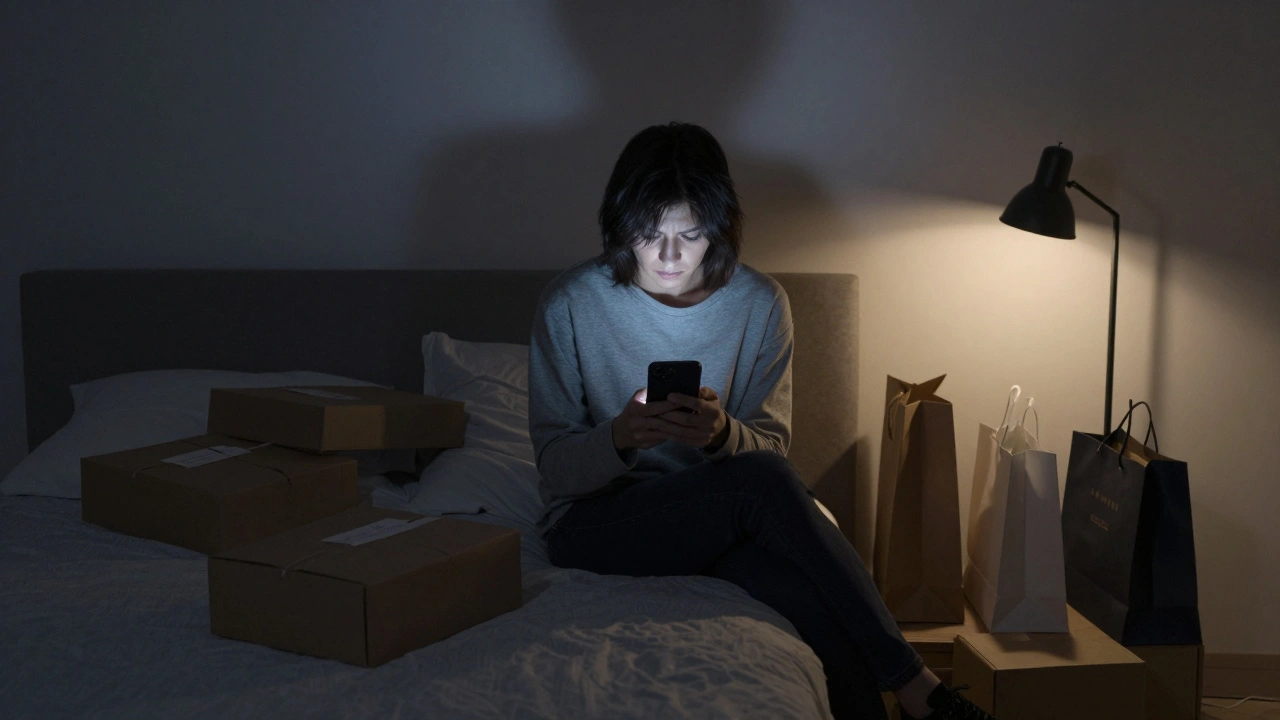
Ever bought something you didn’t need-just because it was on sale, or because you felt empty inside? You’re not alone. For millions, shopping isn’t just a chore or a treat. It’s a way to cope with stress, loneliness, or boredom. And when it turns into a cycle you can’t break, it stops being about the stuff-it becomes about the feeling you’re chasing.
What Shopping Addiction Really Looks Like
Shopping addiction, or compulsive buying disorder, isn’t about being a fan of sales. It’s when buying becomes a way to numb emotions, not fulfill needs. People with this pattern often buy things they don’t use, hide purchases from loved ones, or feel guilt right after spending. Studies show up to 5.8% of adults in the U.S. meet clinical criteria for compulsive buying, with women slightly more affected-but men are catching up fast.
It’s not about how much you spend. It’s about the loss of control. One woman in Seattle told me she bought 17 pairs of sneakers in three months-none of them worn. "I just needed to feel like I was doing something right," she said. Another man spent $4,000 on tools he didn’t know how to use. "It was the only time I felt in charge," he admitted.
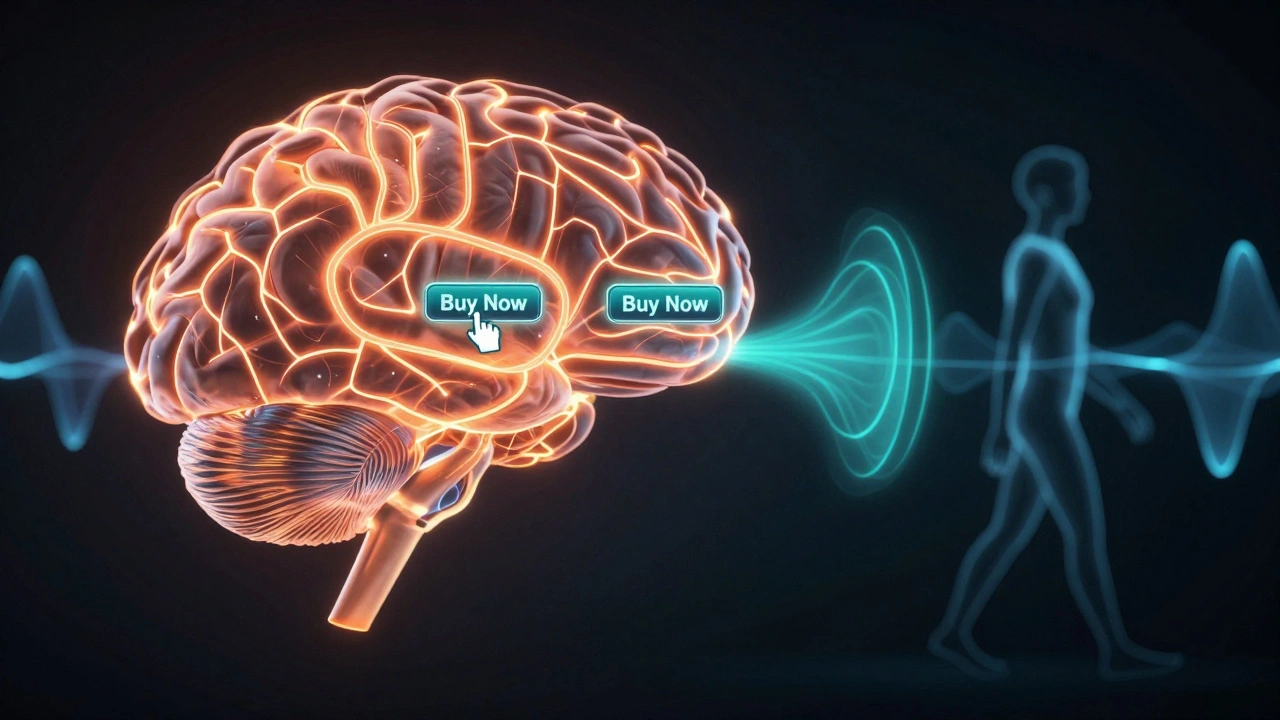
This isn’t laziness. It’s not weakness. It’s a neurological loop. Every purchase triggers a small dopamine hit-the same chemical released when you eat chocolate or win a game. Over time, your brain starts craving that rush. And when the feeling fades? You shop again.
The Hidden Triggers Behind Every Impulse Buy
Shopping doesn’t happen in a vacuum. It’s pulled forward by invisible forces. Here are the most common triggers:
- Emotional voids-loneliness, anxiety, sadness. Buying becomes a temporary fix. A 2023 study in the Journal of Consumer Psychology found that people who reported feeling disconnected from others were 3.2 times more likely to engage in compulsive buying.
- Stress overload-when your brain is flooded with cortisol, shopping can feel like a reset button. The act of scrolling, clicking, and checking out gives your mind a 10-minute break from real problems.
- Social comparison-seeing influencers wear new outfits daily makes you feel behind. Even if you don’t follow them, ads and algorithms feed this feeling. Your phone isn’t just showing you products-it’s showing you who you’re "supposed" to be.
- Environmental cues-your favorite store’s lighting, music, layout. Retailers design spaces to keep you longer. Bright lights, soft music, and limited-time offers all lower your resistance.
- Financial illusion-"I’ll pay it off next month." "It’s on sale." "I deserve this." These phrases aren’t just excuses. They’re mental scripts that override logic.
One man in Portland started buying luxury watches after his divorce. "I thought if I looked successful, maybe I’d feel successful," he said. He bought five in six months. None of them told time accurately. But each one gave him a few hours of peace.
How Your Brain Gets Hooked
Your brain doesn’t distinguish between a real reward and a simulated one. When you click "Buy Now," your brain lights up like you’ve just won money. The anticipation of the package arriving is even more powerful than the item itself. That’s why unboxing videos go viral-people aren’t watching the product. They’re watching the release of tension.
Neuroscientists call this the "reward prediction error." Your brain expects pleasure from the purchase. When it arrives-even if it’s small-it reinforces the behavior. Over time, you need more to get the same feeling. That’s how a $20 shirt becomes a $200 coat, then a $2,000 handbag.
And here’s the cruel twist: the high fades fast. Within hours, the guilt sets in. Then shame. Then the urge to fix it-with another purchase. That’s the cycle. And it’s not about willpower. It’s about rewiring your brain’s reward system.

Healthy Coping: What Actually Works
Willpower alone won’t break this. You need new tools. Here’s what works based on real behavioral science and clinical experience:
- Delay the purchase-Wait 72 hours. Put it in your cart, then walk away. Most impulse buys disappear by day three. If you still want it? Ask: "Will this change my life?" If the answer’s no, it’s not a need.
- Track your spending with emotion-Not just how much, but why. Write down what you felt right before buying. Sad? Bored? Anxious? This turns blind spending into data. Patterns emerge fast.
- Replace the ritual-You don’t need to stop shopping forever. You need to replace the emotional substitute. Walk outside. Call a friend. Do 10 minutes of breathing. Journal for five minutes. These actions don’t give you a rush-but they don’t leave you broke or ashamed.
- Limit access-Delete shopping apps. Unsubscribe from marketing emails. Use a browser extension that blocks retail sites during high-risk hours (like 9 p.m. to midnight). Out of sight, out of mind works better than you think.
- Find community-Join a support group like Debtors Anonymous or Compulsive Buyers Anonymous. Talking to others who get it removes the shame. You’re not broken. You’re human.
One woman in Seattle stopped buying clothes after she started walking her dog every evening. "I didn’t realize how much I was using shopping to avoid silence," she said. "Walking made me feel calm. I didn’t need the jacket anymore."
When to Seek Professional Help
Self-help works for mild cases. But if you’re:
- Accumulating debt you can’t pay
- Lying to partners or family about spending
- Missing work or social events to shop
- Feeling depressed or suicidal after spending
-then it’s time to talk to a therapist. Cognitive Behavioral Therapy (CBT) has been proven effective for compulsive buying. Therapists help you spot triggers, challenge distorted thoughts (like "I need this to be happy"), and build new routines.
Medication isn’t usually the first step-but for people with co-occurring anxiety or depression, SSRIs can help balance the brain chemistry that fuels the urge.
Rebuilding Your Relationship With Stuff
Healing isn’t about becoming a minimalist. It’s about choosing what matters. Ask yourself: "What do I really want?" Not what I think I should want. Not what ads tell me to want.
Try this: For one month, only buy things that meet two criteria:
- I’ve owned something like this before and loved it
- I can picture myself using it in six months
That’s it. No sales. No trends. No "just because."
One man replaced his habit of buying sneakers with collecting vinyl records. "I didn’t know I loved music until I stopped buying shoes," he said. Now he spends $15 a month-and feels richer than ever.
Shopping addiction isn’t about clothes, gadgets, or deals. It’s about the silence you’re trying to fill. And the truth? You don’t need more stuff to feel whole. You just need to learn how to sit with yourself.
What Comes After
Recovery isn’t linear. Some days you’ll feel strong. Other days, the urge will scream louder than ever. That’s normal. Progress isn’t about never slipping. It’s about noticing faster, forgiving quicker, and choosing differently next time.
The goal isn’t to never shop again. It’s to shop with intention. To buy because you love it-not because you’re trying to escape. And when you do? You’ll start noticing something strange: the things you own start to feel like part of you. Not distractions. Not armor. Just things.
Is shopping addiction the same as being a shopaholic?
Yes, "shopaholic" is a casual term for what clinicians call compulsive buying disorder. The difference is in severity. A shopaholic might enjoy deals and buy a lot. Someone with shopping addiction loses control, hides purchases, and feels guilt or shame afterward. It’s not about quantity-it’s about the emotional dependency.
Can shopping addiction lead to depression?
Absolutely. The cycle of temporary high followed by guilt and financial stress often worsens existing depression. Many people with compulsive buying also struggle with anxiety, low self-esteem, or trauma. The spending doesn’t cause depression directly-but it keeps the emotional pain alive by avoiding it.
How do I know if I’m just a deal hunter or have a problem?
Deal hunters enjoy the thrill of saving money. People with shopping addiction feel relief only after buying-not before. If you’re buying things you don’t need, hiding purchases, or using shopping to cope with emotions, it’s not about deals. It’s about emotional regulation.
Does therapy really help with compulsive buying?
Yes. Cognitive Behavioral Therapy (CBT) is the most studied and effective treatment. It helps you identify triggers, challenge irrational beliefs (like "I need this to be happy"), and replace shopping with healthier habits. Group support also reduces shame and isolation.
Are there apps that can help me stop compulsive buying?
Yes. Apps like Spendee, YNAB (You Need A Budget), and StickK help track spending and set goals. For behavioral change, try Pacifica or Daylio to log mood and spending patterns. But apps alone won’t fix it-they’re tools. The real work is understanding why you’re spending.
What to Do Next
If you’re reading this and recognizing yourself, don’t wait for rock bottom. Start small. Write down your last three purchases. What were you feeling right before you bought them? Be honest. That’s your first clue.
Then, pick one coping tool from above-just one-and try it for seven days. Walk instead of scrolling. Call a friend instead of clicking. Journal for five minutes before bed.
You’re not broken. You’re learning. And the things you buy won’t fill the space inside you. But the way you learn to sit with yourself? That will.


Write a comment