

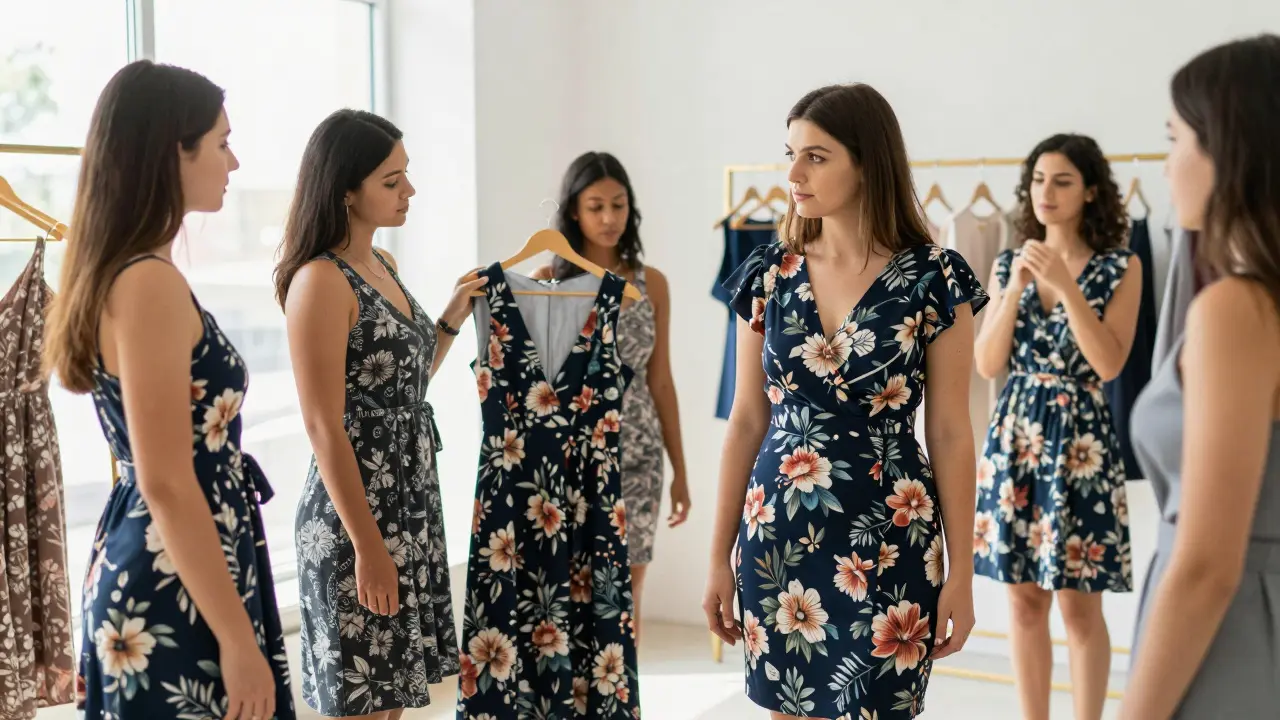
Remember the last time you walked into a store, picked out three items that looked perfect on the rack, only to find that one was too tight in the shoulders, another too short in the inseam, and the third simply didn’t exist in your size? For decades, this was the standard retail experience. But something is shifting underfoot in the fashion world. The era of "one size fits most"-which really meant "one size fits a very narrow demographic"-is crumbling.
We are witnessing a massive pivot toward size-inclusive fashion. It’s not just a marketing buzzword anymore; it’s a structural overhaul of how clothes are designed, produced, and sold. From high-end designers to fast-fashion giants, the industry is expanding beyond traditional sizing charts. But what does this actually mean for you as a shopper? Is it just bigger numbers on tags, or is there real change happening? Let’s look at the mechanics behind this shift and how it impacts your wallet, your wardrobe, and your confidence.
The Myth of Standard Sizing
To understand why the industry is changing, we first have to dismantle the idea that "standard" sizing has ever been standard. In the United States, women’s sizing has no federal regulation. A size 10 at Brand A can be a size 14 at Brand B. This inconsistency isn’t an accident; it’s often a tactic known as vanity sizing, where brands shrink their size labels to make customers feel thinner, encouraging them to buy more clothes to fit the ideal.
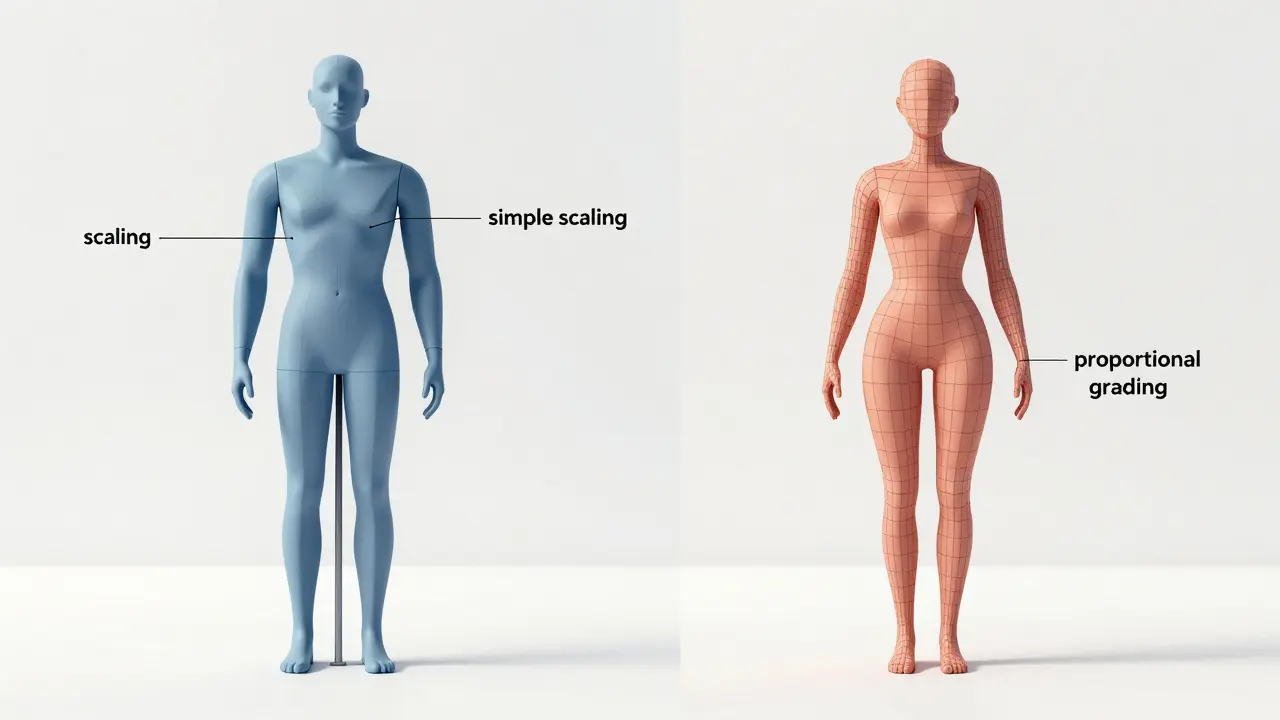
For shoppers outside the sample size (typically 0-8), this created a fragmented market. You couldn’t rely on your usual size. You had to guess. You had to return. You had to settle. The new wave of size inclusivity attacks this root problem by moving away from arbitrary numbers and toward proportional design. Instead of just scaling up a pattern by 10% (which results in baggy waists and tight thighs), brands are using data-driven grading systems that account for how human bodies actually change shape as they grow larger.
Why Brands Are Finally Listening
You might wonder why major corporations are suddenly caring about extended sizes. The answer is simple math. The plus-size apparel market in the US alone is valued at over $30 billion. Yet, historically, retailers allocated less than 15% of their floor space and inventory to these consumers. That’s a massive gap between demand and supply.
But it’s not just about profit. Social media has democratized voice. Platforms like TikTok and Instagram allow everyday people to showcase their style, bypassing traditional gatekeepers like magazines and casting directors. When millions of users tag brands demanding better representation, those brands notice. They see that excluding half the population is bad business. The rise of body-positive influencers has forced companies to audit their own inclusivity policies. If you’re not selling to everyone, you’re leaving money on the table-and facing public backlash.
Design Differences: Scaling vs. Grading
This is where the rubber meets the road. Many shoppers have bought "plus-size" clothing before and found it disappointing. Why? Because many brands used a technique called simple scaling. They took a straight-size garment and enlarged every dimension equally. The result? Clothes that were boxy, ill-fitting, and lacked structure.
True size-inclusive fashion uses proportional grading. Designers create separate blocks for different body types. For example, a dress designed for a size 16 will have different shoulder width ratios, hip-to-waist differences, and sleeve lengths compared to a size 4. This requires more upfront work in the design phase, but it results in garments that actually flatter the wearer. Look for brands that mention "proportional fit" or "designed for curves" rather than just listing a wide size range. These terms indicate that the engineering behind the fabric has changed, not just the label.
| Feature | Traditional Extended Sizing | True Size-Inclusive Design |
|---|---|---|
| Pattern Making | Simple scaling (enlarged uniformly) | Proportional grading (adjusted ratios) |
| Fabric Choice | Often cheaper, less stretch | High-quality, strategic stretch zones |
| Style Variety | Limited basics, fewer trends | Full access to seasonal trends and cuts |
| Price Point | Often higher due to perceived niche | Standardized pricing across sizes |
The End of the "Plus Tax"
If you’ve shopped for extended sizes online, you’ve likely encountered the "plus tax." This is when a brand charges more for larger sizes because they use more fabric. While logically sound in manufacturing costs, it feels punitive to the consumer. It signals that your body is a premium feature.
The good news? The trend is reversing. Leading size-inclusive brands are adopting uniform pricing. They absorb the slight increase in material costs to ensure fairness. As a shopper, you should look for this transparency. If a t-shirt costs $25 in a size 4 and $35 in a size 20, ask yourself if that brand truly values inclusivity or just sees it as a margin play. Uniform pricing is a key indicator of a brand’s commitment to equity.
Adaptive Fashion: Inclusivity Beyond Body Size
Size inclusivity doesn’t stop at weight. The broader movement includes adaptive fashion, which caters to people with disabilities, chronic illnesses, or mobility challenges. Think magnetic closures instead of buttons, seamless interiors for sensitive skin, or easy-access openings for medical devices.
This sector is growing rapidly. Companies are realizing that disability is not a niche market-it’s a universal future. Everyone ages, everyone experiences injury, everyone faces temporary or permanent changes in mobility. Adaptive features often benefit everyone (think of slip-on shoes or zippered hoods). By integrating adaptive design into mainstream collections, brands are creating products that are easier to wear for all bodies, not just specific ones.

How to Shop Smarter in the New Landscape
With so many options emerging, how do you navigate this new landscape without getting overwhelmed? Here are practical steps to take advantage of the size-inclusive revolution:
- Check the Fit Model Details: Ethical brands now disclose who their fit models are. If a brand says their size 14 model is 5’7” with a 38” bust, 30” waist, and 40” hip, you can compare those measurements to your own. This is far more useful than just seeing "Size 14."
- Look for Return Policies: Even with better sizing, online shopping carries risk. Prioritize brands with free returns and exchanges. This reduces the friction of trying things on.
- Explore Niche Communities: Join forums or social media groups dedicated to your specific body type. Real people share honest reviews about how a specific cut runs. A "true to size" comment from someone with your proportions is worth more than any algorithm.
- Support Direct-to-Consumer Brands: DTC brands often have lower overhead and are more agile in responding to customer feedback. They are frequently the pioneers of true size inclusivity before big-box retailers catch up.
The Future: Customization and AI
Where does this go next? The ultimate goal of size inclusivity is personalization. We are seeing early experiments with AI-driven fit technology. Apps that scan your body via smartphone camera to generate a custom 3D avatar are becoming common. These avatars allow you to "try on" clothes digitally, predicting exactly how a garment will drape on your unique frame.
Some startups are even offering made-to-measure services at near-fast-fashion prices. By combining automated cutting machines with digital patterns, they can produce a shirt tailored to your exact arm length and chest width without the luxury price tag. This eliminates the guesswork entirely. You won’t just be choosing a size; you’ll be choosing a fit.
What This Means for Your Wardrobe
The expansion of size-inclusive fashion means you no longer have to compromise on style. You don’t have to stick to black leggings and oversized tees because those are the only items available in your size. You can experiment with color, texture, and silhouette. You can wear the floral dress, the tailored blazer, the vintage-inspired jeans.
More importantly, it changes the psychological relationship you have with clothing. When clothes fit well, you move differently. You stand taller. You feel confident. The industry’s shift is not just about selling more units; it’s about recognizing that comfort and style are human rights, not privileges reserved for a specific body type. As a shopper, your power lies in where you spend your money. Vote with your cart. Support brands that get it right, and ignore those that still treat inclusivity as an afterthought.
What is the difference between plus-size and size-inclusive fashion?
Plus-size fashion traditionally refers to clothing marketed specifically to larger bodies, often segregated in stores or websites. Size-inclusive fashion integrates all sizes into the same collection, ensuring that every size gets the same styles, fabrics, and marketing attention. It focuses on proportional design rather than just scaling up patterns.
Why do some brands charge more for larger sizes?
This is often called the "plus tax." Brands may charge more because larger sizes require more fabric and sometimes additional labor for construction. However, many modern size-inclusive brands are moving toward uniform pricing to avoid penalizing customers for their body size, absorbing the cost as part of their ethical stance.
How can I tell if a brand is truly size-inclusive?
Look for brands that offer full size ranges (e.g., 0-30) for every single style, not just select basics. Check if they provide detailed fit model measurements. See if they use proportional grading techniques mentioned in product descriptions. Also, observe if their marketing campaigns feature diverse body types wearing the actual products being sold.
Is adaptive fashion only for people with disabilities?
No. While adaptive fashion is designed to assist people with disabilities, chronic pain, or mobility issues, many features benefit everyone. Magnetic closures, seamless designs, and easy-open zippers can make dressing easier for anyone, including pregnant individuals, older adults, or those recovering from surgery. It promotes universal design principles.
Will AI and virtual fitting rooms replace physical try-ons?
Not entirely, but they will significantly reduce return rates. AI-driven fit tools can predict how a garment will look on your specific body shape with high accuracy. While nothing replaces the tactile experience of touching fabric, these technologies bridge the gap between online convenience and in-store certainty, making size-inclusive shopping more reliable.