

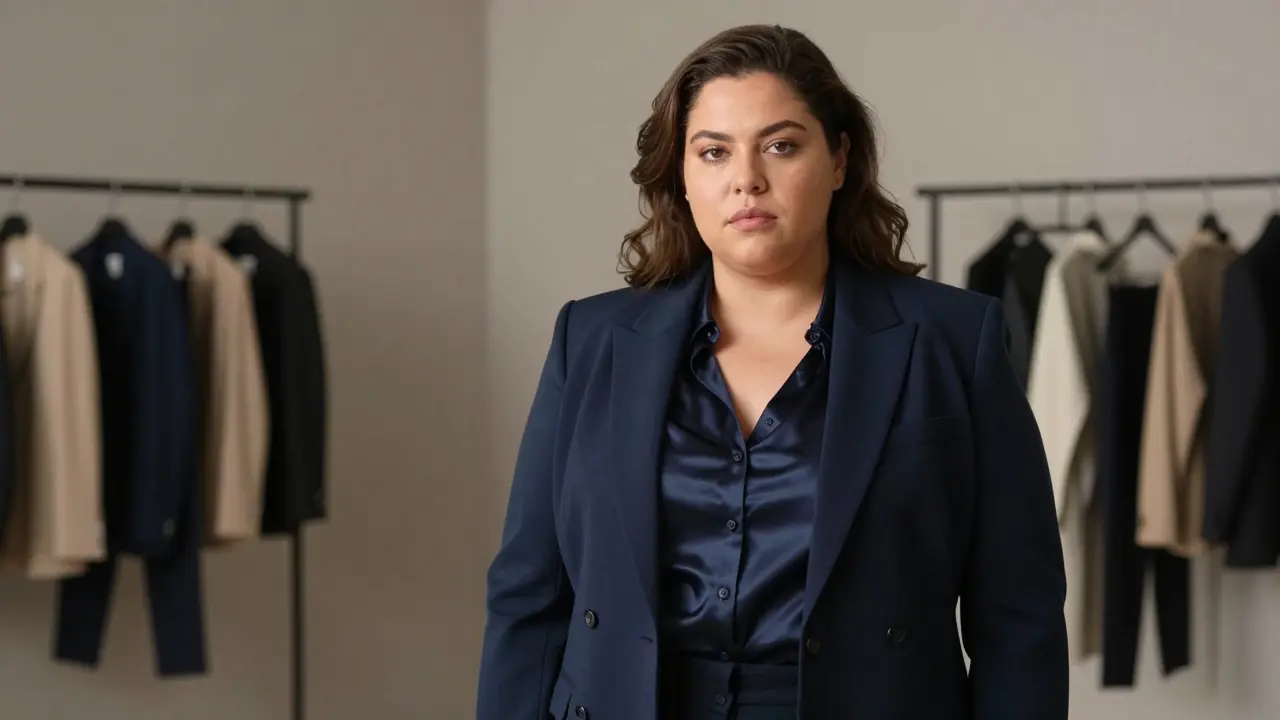
For years, the standard for "fashionable" was dictated by a single, narrow silhouette. If you didn't fit into that mold, you were told to wait for the right season or the right store to open. That era is officially over. Today, size-inclusive influencers are not just filling gaps; they are rewriting the rules of what looks good on real bodies. From high-street hauls to red-carpet styling, these creators prove that style has no size limit. They turn heads not because they defy trends, but because they master them in ways that feel authentic and accessible.
This shift isn't just about selling clothes. It's about visibility. When a creator with a size 18 body wears a tailored blazer with confidence, it sends a signal to brands and consumers alike: this market is huge, and it deserves premium attention. We've curated a list of the most impactful voices in this space as of August 2026. These aren't just bloggers who post photos; they are stylists, business owners, and advocates who actively push the industry forward. Whether you're looking for outfit inspiration, brand recommendations, or just a boost of confidence, these creators deliver value every single day.
The Power of Representation in Modern Wardrobes
Representation matters because it changes behavior. Before dedicated Inclusive Fashion a movement advocating for clothing lines that cater to diverse body types, skin tones, and abilities became mainstream, shopping for non-standard sizes often felt like a chore. You had to search specific retailers, guess at sizing charts, and hope the fabric wouldn't pull awkwardly. Now, thanks to consistent content from key figures, shoppers know exactly where to look and what to expect. The barrier to entry has lowered significantly, making it easier for anyone to build a wardrobe that fits their lifestyle rather than fighting against it.
These influencers bridge the gap between runway aesthetics and everyday wear. They take complex tailoring techniques and show how they work on curves, broad shoulders, or tall frames. This practical application is what separates true advocates from casual participants. By documenting the trial and error involved in finding the perfect fit, they normalize the process. You don't need to be a professional stylist to dress well; you just need to understand your proportions, and these creators make that education free and engaging.
Key Creators Leading the Charge
We’ve identified five standout figures who have consistently delivered quality content and driven industry change over the last few years. Each brings a unique perspective, whether through humor, technical expertise, or bold experimentation. Here is why they stand out in the current landscape:
- Jasmine Wright: Known for her "Office to Cocktails" series, Jasmine demonstrates how to transition professional attire into evening wear without changing outfits. Her focus on structured fabrics helps viewers understand how drape affects different body shapes. She partners frequently with mid-range brands to ensure her recommendations are affordable for the average consumer.
- Marcus Thorne: A pioneer in men’s plus-size styling, Marcus breaks down the myths around menswear sizing. His content focuses on fit adjustments, such as sleeve length and waistband placement, which are often overlooked in marketing. He collaborates with tailors to show DIY fixes, empowering his audience to customize off-the-rack purchases.
- Elena Rossi: Elena specializes in sustainable Ethical Clothing apparel produced with fair labor practices and minimal environmental impact. She highlights how eco-friendly brands are expanding their size ranges to include extended sizes, proving that sustainability and inclusivity can go hand-in-hand. Her reviews are detailed, focusing on material quality and longevity rather than just aesthetics.
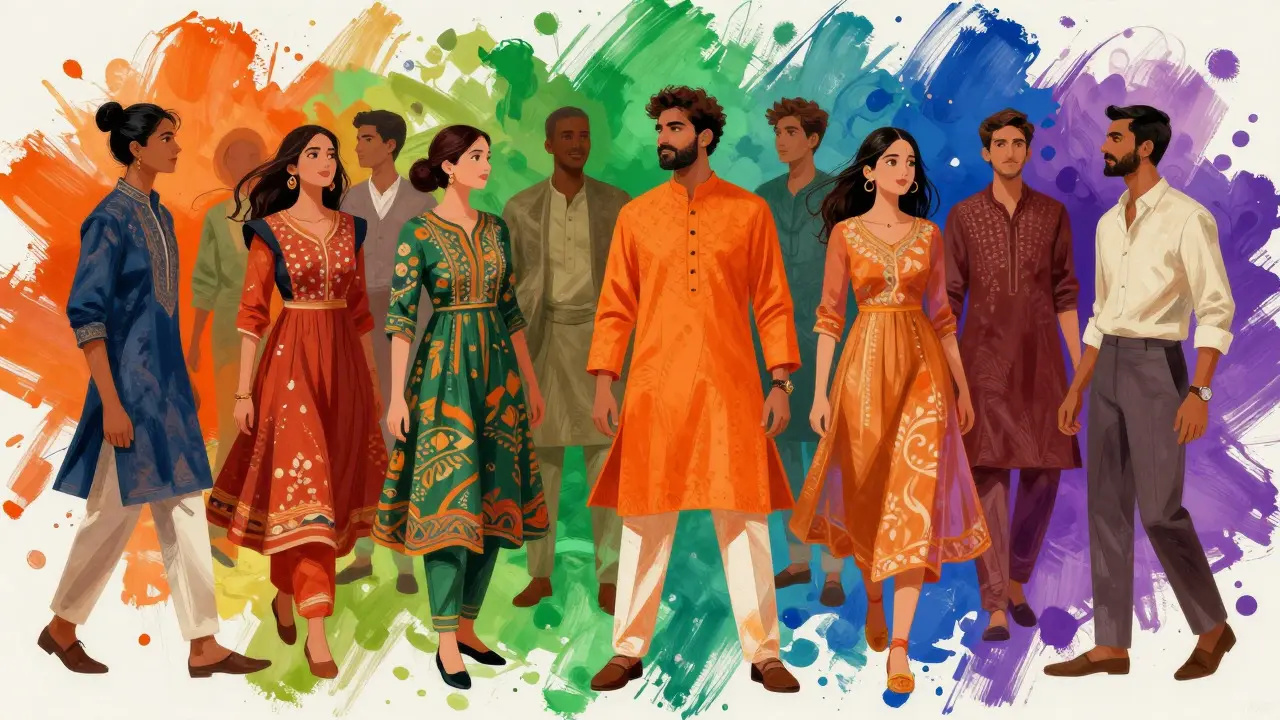
- Priya Sharma: Focusing on cultural fusion, Priya blends traditional Indian textiles with modern Western cuts. Her content addresses the specific challenges of finding modest yet stylish options for larger sizes. She uses vibrant colors and patterns to challenge the notion that neutral tones are safer for bigger bodies.
- Dave Miller: A former fitness model turned style coach, Dave offers a pragmatic approach to dressing for active lifestyles. His content targets individuals who want to look sharp while staying comfortable during physical activities. He emphasizes functionality, such as stretch fabrics and secure pockets, which are crucial for daily movement.
Comparing Styles: What Works Best for Different Needs
Choosing an influencer to follow depends largely on your personal style goals and budget constraints. Not every creator will resonate with everyone. Some prioritize luxury, while others stick to fast-fashion finds. To help you decide who fits your needs best, we’ve compared their primary strengths and typical price points.
| Influencer | Primary Focus | Average Price Range | Best For |
|---|---|---|---|
| Jasmine Wright | Workwear & Tailoring | $50 - $150 | Professional wardrobes |
| Marcus Thorne | Menswear Fit | $40 - $120 | Men seeking better fit |
| Elena Rossi | Sustainability | $80 - $200 | Eco-conscious buyers |
| Priya Sharma | Cultural Fusion | $60 - $180 | Bold pattern lovers |
| Dave Miller | Active Lifestyle | $30 - $100 | Comfort-focused shoppers |
Notice how the price ranges vary based on the niche. If you are building a capsule wardrobe, Elena’s higher price point might seem steep initially, but her emphasis on durability means fewer replacements over time. On the other hand, if you need quick updates for social events, Jasmine’s mid-range recommendations offer the best balance of style and cost. Understanding these distinctions helps you allocate your budget more effectively without feeling overwhelmed by choices.
How Brands Are Responding to Creator Influence
The relationship between influencers and brands has evolved from simple sponsorship to co-creation. Many major retailers now consult with size-inclusive creators before launching new collections. This ensures that sizing charts are accurate and that models in advertising reflect the actual customer base. For example, after feedback from creators like Marcus, several denim brands updated their inseam lengths to accommodate taller plus-size customers, a detail previously ignored.
This collaboration extends beyond product design. Brands are also investing in digital experiences, such as virtual try-on tools that use AI to predict fit based on body measurements shared by users. While technology is still maturing, the direction is clear: reducing the uncertainty of online shopping. Influencers play a crucial role in testing these tools and providing honest feedback, which helps refine the algorithms. As a result, the gap between online and in-store shopping experiences continues to shrink, benefiting all consumers regardless of size.
Practical Tips for Following These Creators
Getting the most out of following these influencers requires more than just liking posts. Active engagement helps you extract maximum value from their content. Here are some actionable steps to integrate their advice into your routine:
- Save Outfits by Occasion: Create folders in your social media app for "Work," "Weekend," and "Events." When you see an outfit that fits your context, save it immediately. This builds a visual database of ideas you can reference when shopping.
- Check the Links, But Verify Sizing: Always read the comments section. Other followers often share their own sizing experiences, which can differ from the influencer’s due to individual body shape variations. This crowd-sourced data is invaluable for avoiding returns.
- Focus on Fit, Not Just Brand: Instead of chasing specific labels, pay attention to the cut and fabric mentioned in captions. A cheaper alternative with the same structural features can often serve the same purpose. This mindset saves money and encourages smarter purchasing decisions.
- Engage with Q&A Sessions: Most top creators host live sessions or answer questions in stories. Ask specific questions about fabric care or alterations. Direct interaction provides personalized advice that generic posts cannot offer.
By adopting these habits, you transform passive consumption into active learning. You start to develop your own eye for what works on your body, reducing reliance on external validation. Over time, your confidence grows, and your wardrobe becomes a reflection of your true self rather than a compromise.
Common Pitfalls to Avoid in Inclusive Shopping
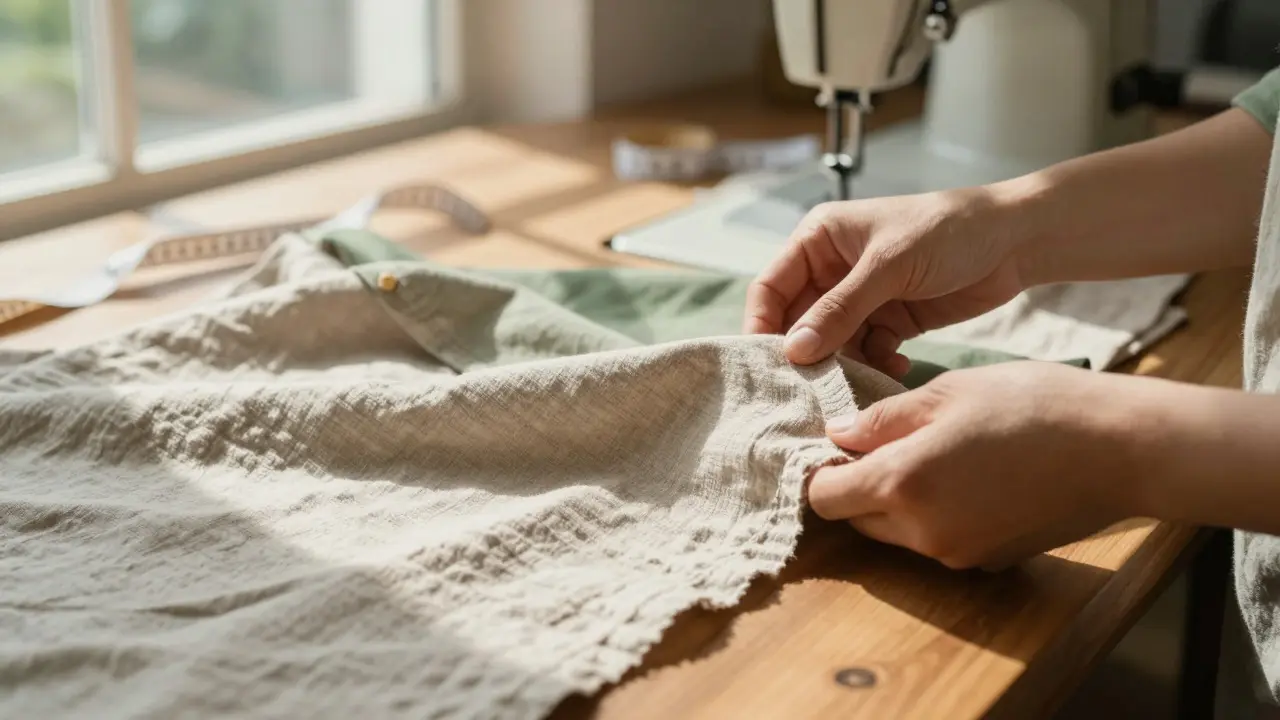
Even with great resources, mistakes happen. Being aware of common traps can save you time and frustration. One frequent error is assuming that "plus size" tags guarantee a flattering fit. Sizes vary wildly between brands. A size 14 in one label might be equivalent to a size 16 in another. Always check the specific garment’s measurement guide, not just the general size chart. Another pitfall is ignoring fabric composition. Stretchy materials may look good on the hanger but can lose shape quickly. Look for blends with cotton or linen for better breathability and structure. Finally, don’t neglect alterations. Even the best-fitting off-the-rack item can be improved with minor tweaks. A local tailor can adjust hemlines or take in seams for a fraction of the cost of buying a new piece. These small investments yield significant improvements in comfort and appearance.
Frequently Asked Questions
Who is the most followed size-inclusive influencer in 2026?
While follower counts fluctuate, Jasmine Wright and Marcus Thorne consistently rank among the top due to their consistent posting schedules and high engagement rates. Their combined reach spans millions of users across Instagram and TikTok, making them key voices in the sector.
Do size-inclusive influencers only promote expensive brands?
No. Most creators aim for accessibility. While some feature luxury items, the majority focus on mid-range and budget-friendly options. Dave Miller, for instance, frequently showcases activewear under $50, proving that style doesn't require a high budget.
How can I find similar creators if I prefer video content over photos?
Look for creators who prioritize YouTube tutorials or long-form TikTok videos. Marcus Thorne is particularly strong in video format, offering step-by-step fitting guides. Search terms like "plus size fitting tutorial" or "inclusive fashion haul video" will surface these specific content types.
Are there male size-inclusive influencers worth following?
Yes. Men's representation has grown significantly. Marcus Thorne is a leading figure, but others like David Chen focus on casual streetwear. Following male creators helps broaden the definition of inclusive style beyond women's fashion norms.
What is the best way to start building a size-inclusive wardrobe?
Start with basics. Invest in well-fitting jeans, a neutral blouse, and a structured jacket. These pieces form the foundation of most outfits. Once you have these anchors, add statement pieces inspired by your favorite influencers. This approach prevents clutter and ensures versatility.


Write a comment