


For years, shopping for clothes that fit well and make you feel confident felt like a chore for people in plus-size and extended sizes. Rack after rack of options that didn’t match your shape. Sales associates who looked confused when you asked for a size 20. Online stores that didn’t show models who looked like you. It wasn’t just about finding the right fit-it was about being seen. That’s where size-inclusive stylists come in.
What Exactly Is a Size-Inclusive Stylist?
A size-inclusive stylist is a fashion professional who specializes in helping people in sizes 14 and up-often extending to 30, 40, and beyond-build wardrobes that reflect their personal style, body shape, and lifestyle. These stylists don’t just pick out clothes. They understand how cuts, seams, and fabric drape differently on fuller figures. They know which necklines elongate, which waistlines balance proportions, and which fabrics move with the body instead of against it.
Unlike traditional stylists who often work with sample sizes (usually 0-8), size-inclusive stylists have trained in extended sizing systems. They’ve studied how brands like Universal Standard, ELOQUII, and Dia & Co construct their patterns. They’ve worked with real bodies-not mannequins-and learned what actually works in daily life.
Why Traditional Styling Doesn’t Work for Plus-Size Clients
Most fashion advice-whether from magazines, influencers, or TV shows-is built around a narrow range of sizes. The same rules are applied everywhere: "tuck it in," "go monochrome," "high-waisted is flattering." But those tips don’t always translate. A high-waisted pant that works on a size 8 might gap at the back on a size 22. A monochrome look that slims one body type might cling in unflattering ways on another.
And then there’s the lack of representation. Many stylists still don’t have access to extended-size clothing in their personal libraries. They’ve never tried on a size 24 dress. They don’t know how a structured blazer fits across the shoulders on a curvy frame. Without that firsthand experience, advice becomes guesswork.
Size-inclusive stylists fix this gap. They don’t just recommend clothes-they test them. They know that a size 22 in one brand might be a size 24 in another. They’ve worn the clothes themselves. They’ve sat in chairs, bent over, lifted groceries, and danced in the outfits they suggest. That’s the difference between theory and practice.
How Size-Inclusive Stylists Work
Most size-inclusive stylists offer three main services: virtual consultations, in-person styling sessions, and wardrobe audits.
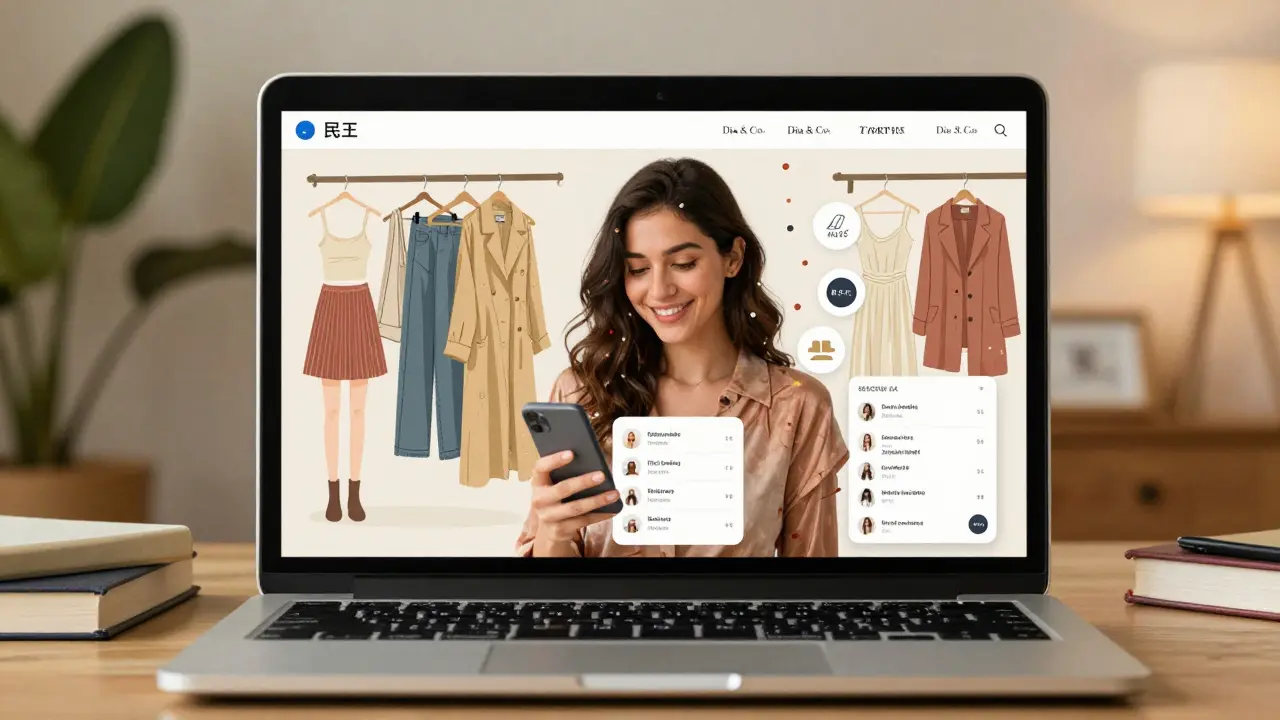
- Virtual consultations are perfect for people who live outside major cities. You send photos of your current wardrobe, your body measurements, and what you’re struggling with. The stylist reviews everything, then sends you a personalized shopping list with links to brands that carry your size and fit your style.
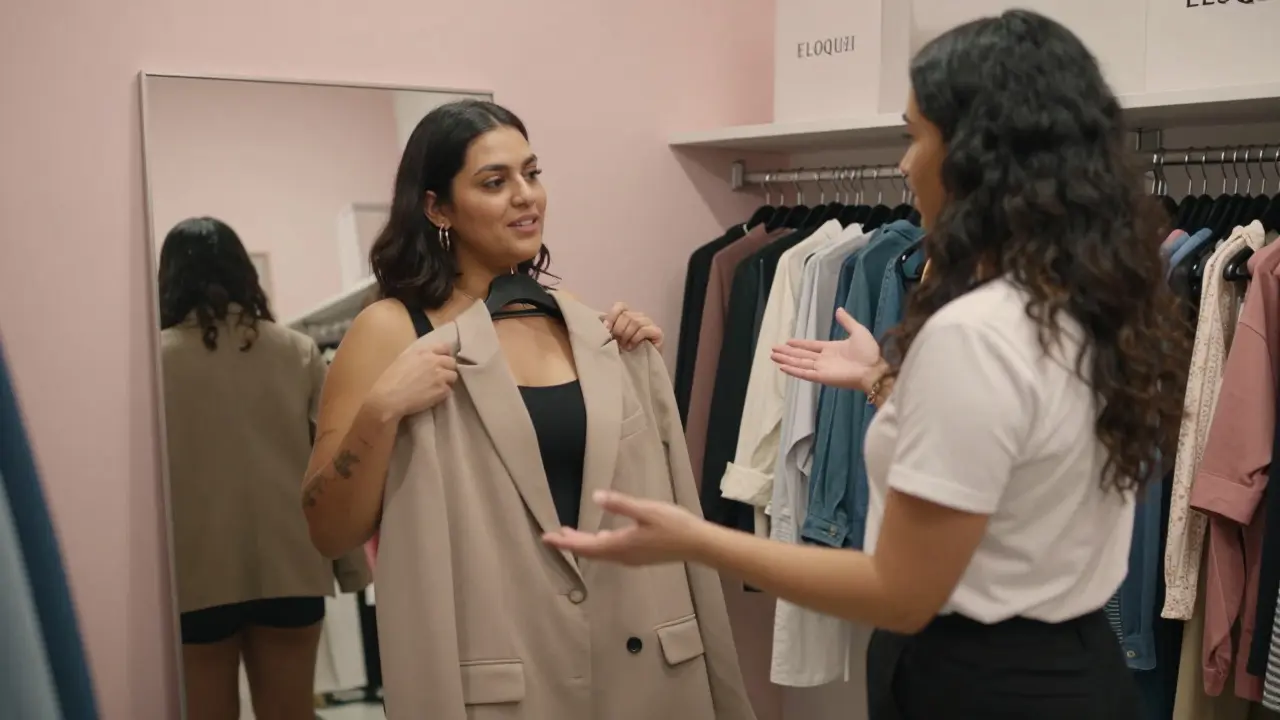
- In-person sessions happen in private dressing rooms or at the stylist’s studio. You try on clothes while the stylist gives real-time feedback: "That neckline lifts your bust," or "This fabric pulls at the hips-let’s try the stretch version."
- Wardrobe audits are like a closet detox. The stylist helps you sort through what you already own, identifying pieces that actually work and those that just take up space. They teach you how to mix and match so you get 30 outfits from 15 items.
Many also partner with inclusive brands to offer exclusive discounts or early access to new collections. Some even host group styling events-think "Plus-Size Fashion Night Out"-where clients try on outfits together and build community.
Real Results: What Clients Actually Experience
One client, Maria, 41, from Chicago, had avoided shopping for years. "I’d walk into a store, see a size 18, and feel like I was being told I didn’t belong," she says. After working with a size-inclusive stylist, she got a new work wardrobe. Now she wears tailored blazers that don’t gap at the buttons and pants with a waistband that doesn’t roll. "I didn’t realize how much confidence I’d regained until I walked into a meeting and didn’t check my reflection every five minutes."
Another client, Jamal, 35, from Atlanta, struggled to find professional attire that didn’t ride up or feel tight across the chest. His stylist introduced him to brands like Aerie and Torrid’s workwear line. He now owns five shirts that fit his shoulders without pulling. "I used to hate Zoom calls," he says. "Now I look at the screen and think, ‘Wow, I look put together.’"
These aren’t rare stories. A 2024 survey by the Inclusive Fashion Coalition found that 87% of clients who worked with size-inclusive stylists reported improved self-esteem, and 76% said they shopped more often because they finally felt understood.
What to Look for in a Size-Inclusive Stylist
Not everyone who calls themselves a "plus-size stylist" actually knows how to style for extended sizes. Here’s what to check:
- Do they show real clients? Look for photos of people with diverse body shapes-not just one "ideal" curve. Real stylists showcase a range.
- Do they mention specific brands? If they only say "I’ll find you something," that’s vague. Good stylists name names: "I recommend Madewell’s extended sizes because the rise is true to size," or "Universal Standard’s jackets have structured shoulders."
- Do they ask about your lifestyle? A stylist who doesn’t ask if you sit at a desk all day or walk your dog every morning isn’t tailoring their advice. Fit changes based on movement.
- Do they have training? Some have taken courses from the Association of Size-Inclusive Fashion Professionals. Others have worked for inclusive brands. Ask.
Red flags? If they say things like "You just need to lose weight to look good," or if their portfolio only includes clients who are "curvy but not too big," walk away. True inclusivity means no size is too much.
The Future of Inclusive Styling
The demand is growing fast. In 2025, the global market for inclusive fashion is projected to hit $32 billion, up from $17 billion in 2020. More brands are expanding their size ranges. More stylists are getting certified. Online platforms like Stitch Fix and Trunk Club now offer dedicated extended-size stylists.
But it’s not just about clothes. It’s about dignity. It’s about saying: Your body doesn’t need fixing. Your style does. And you deserve someone who knows how to help you find it.
Size-inclusive stylists aren’t just fashion experts-they’re advocates. They’re rebuilding a system that once told millions of people they didn’t belong. And they’re doing it one fitting room at a time.
Frequently Asked Questions
How much do size-inclusive stylists charge?
Rates vary based on experience and service type. Virtual consultations usually start at $75-$150 for a 60-minute session. In-person styling can range from $200 to $500 per session, depending on location and duration. Some offer package deals-for example, a wardrobe audit plus three follow-up consultations-for around $400. Many also offer payment plans or sliding scales based on income.
Can size-inclusive stylists work with men?
Absolutely. While much of the public conversation focuses on women, men in extended sizes face the same challenges: limited options, poor fit, and stigma. Many size-inclusive stylists specialize in menswear and work with brands like Universal Standard, Big + Tall by Lands’ End, and ASOS Curve Men. They help with everything from tailored suits to casual tees that don’t ride up.
Do I need to buy new clothes to work with a size-inclusive stylist?
No. Many clients start with what they already own. A wardrobe audit helps identify pieces that fit well and can be styled differently. The stylist’s goal isn’t to get you to spend more-it’s to help you feel confident with what you have, and then guide you toward smart additions that fill real gaps.
Are size-inclusive stylists only for people who want to lose weight?
No. Size-inclusive styling is rooted in body neutrality and body positivity. The goal isn’t to change your body-it’s to help you express yourself through clothing, regardless of size. Many clients have no interest in losing weight. They just want to look and feel good in what they wear.
How do I find a size-inclusive stylist near me?
Start with online directories like the Inclusive Fashion Collective or the Body Positive Stylist Network. Instagram is also a great resource-search hashtags like #SizeInclusiveStylist or #PlusSizeFashionPro. Look for stylists who show diverse body types in their posts, mention specific brands, and have client testimonials. Many now offer virtual services, so location isn’t a barrier.


Write a comment