


Ever put on a top and felt like the sleeves were fighting you? Too short, too tight, or just... wrong? It’s not you. It’s the sleeve length. Sleeve length isn’t just about style-it’s about balance. The right sleeve can make your arms look longer, leaner, or more proportional. The wrong one? It cuts your frame in half or drowns you in fabric. Let’s cut through the noise and talk about what actually works for your body-not what’s trending on Instagram.
Why Sleeve Length Matters More Than You Think
Sleeves aren’t just decorative. They frame your arms, shoulders, and torso. A cap sleeve that ends mid-bicep can make your upper arm look bulkier. A three-quarter sleeve that stops at the widest part of your forearm? That’s a visual trap. Full-length sleeves that end too high on your wrist? They shorten your arm and make your hands look smaller. The goal isn’t to hide your arms-it’s to highlight your best proportions.
Most people assume sleeve length is about personal taste. But science and tailoring agree: proportion is everything. Your sleeve should complement your shoulder-to-wrist ratio, not fight it. Think of it like shoe height with jeans. Too high? Legs look chopped. Too low? Legs look longer than they are. Same logic applies here.
Cap Sleeves: When They Work (and When They Don’t)
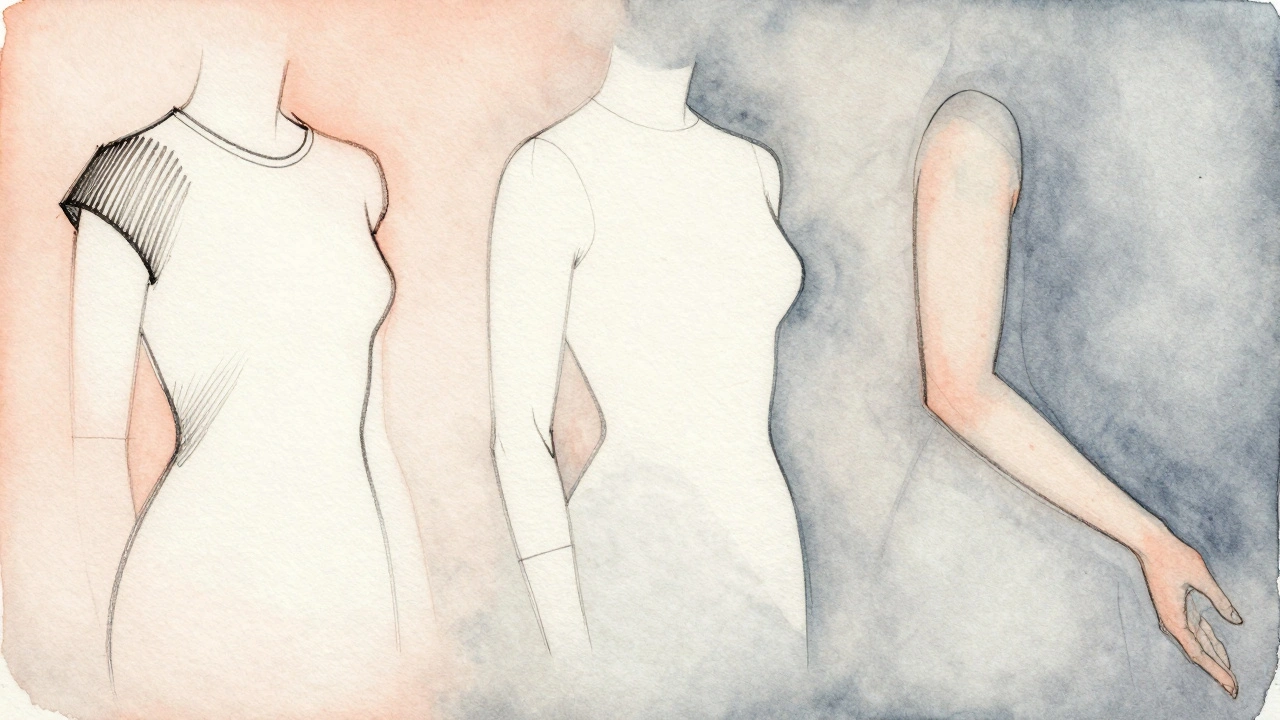
Cap sleeves sit right at the top of your shoulder, barely covering the armhole. They’re delicate, feminine, and great for summer. But they only work if your shoulders are balanced with your upper arms.
If you have narrow shoulders and fuller upper arms, cap sleeves draw attention to the widest part of your arm. That’s not flattering. It creates a visual imbalance-like a triangle sitting on top of a wider base. The eye goes straight to the contrast.
But if you have long, slender arms and defined shoulders? Cap sleeves are magic. They elongate your silhouette. Look at how they’re used in slip dresses worn by people with hourglass or straight body shapes. The sleeve disappears, and your torso and legs get all the attention.
Pro tip: If you love cap sleeves but feel they highlight your arms too much, look for ones with a slight curve or ruffle that breaks the line. Avoid stiff, structured cap sleeves-they amplify the problem.
Three-Quarter Sleeves: The Goldilocks Zone
Three-quarter sleeves end between the elbow and wrist-usually right above the forearm’s widest point. This is the most forgiving length for most body types. Why?
It avoids the two worst traps: the bicep and the forearm. By stopping before the widest part of your arm, it doesn’t cut your arm in half. Instead, it creates a clean line that flows naturally from shoulder to wrist.
For pear-shaped bodies, three-quarter sleeves balance out wider hips by drawing attention upward. For apple-shaped bodies, they soften the midsection by creating vertical lines without adding bulk. Even if you have muscular arms, a well-placed three-quarter sleeve can look sleek, not bulky.
Here’s the catch: the sleeve must end in the right spot. If it hits exactly at your elbow, it can make your arm look segmented. If it ends too low-closer to the wrist-it starts looking like a full sleeve. The sweet spot? About 2-3 inches above the wrist bone. That’s where your forearm naturally narrows.
Try this: Put on a long-sleeve shirt and roll it up until it hits just above your wrist. That’s your target. If you’re buying off the rack, check the sleeve length against your own arm before you buy.
Full-Length Sleeves: The Power Move
Full-length sleeves end at the wrist bone. Simple. But they’re not always simple to wear.
If you have short arms, full sleeves can make you look even shorter. Why? Because they add visual weight to the end of your arm. If the cuff is bulky or the sleeve is too tight, it draws attention to your wrist-making your arm look stubby.
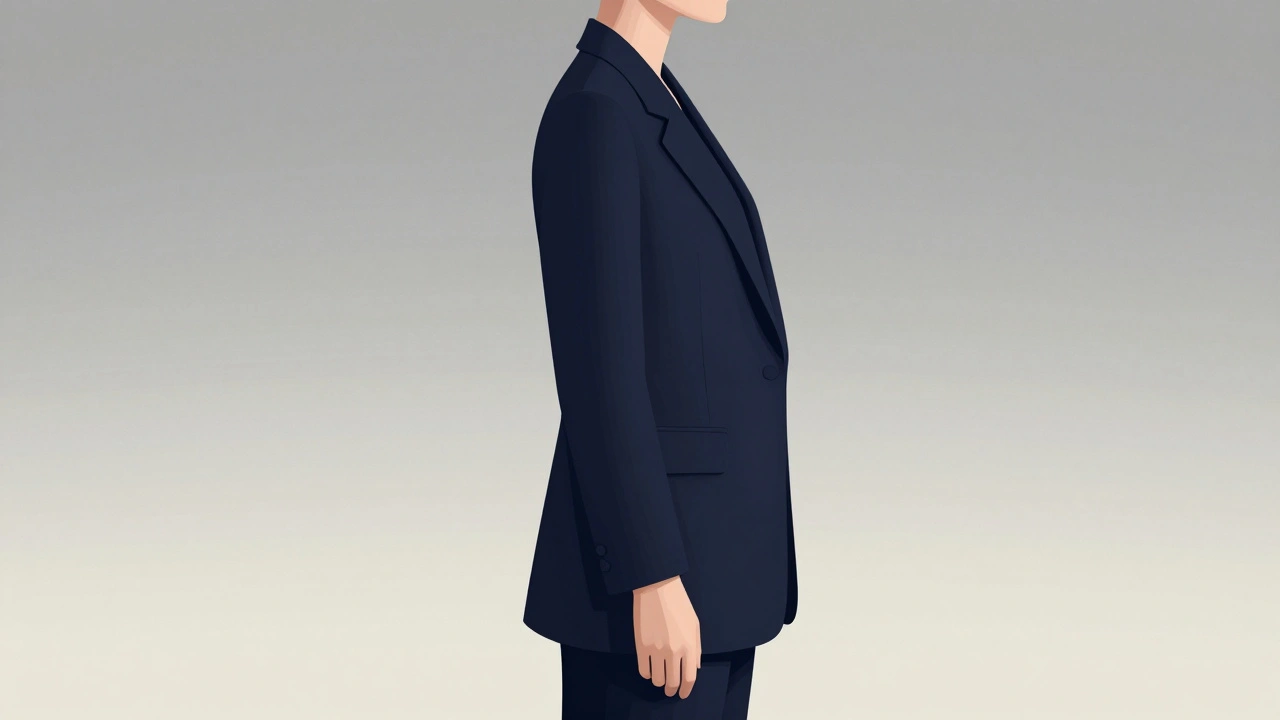
But if you have long arms? Full sleeves are your secret weapon. They create elegant lines that extend your silhouette. Think of how tailored blazers with cuff buttons elongate the arm. That’s the effect you want.
For petite frames, go for slim-fit sleeves that end exactly at the wrist bone-not above it. Anything higher cuts your arm. Avoid oversized or bell sleeves unless they flare after the elbow. A sleeve that balloons out below the elbow and then tapers at the wrist? That works. It adds drama without shortening your arm.
For curvier arms, choose sleeves with gentle structure-not tight knits. A slightly loose, flowing sleeve that skims the arm without clinging looks more flattering than anything that hugs every curve.
How to Measure Your Sleeve Sweet Spot
You don’t need a tailor to find your perfect sleeve length. Here’s how to do it yourself:
- Stand straight with your arm relaxed at your side.
- Use a flexible measuring tape and start at the top of your shoulder, where your arm meets your torso.
- Let the tape follow the natural curve of your arm down to your wrist bone.
- Mark the point where your forearm begins to narrow-usually about 2-3 inches above your wrist.
- That’s your ideal three-quarter sleeve endpoint.
- Now measure from shoulder to wrist bone. If that distance is over 20 inches, full sleeves will likely work. Under 18 inches? Stick to cap or three-quarter.
Use this as your baseline. When shopping online, check the product measurements. Don’t rely on size labels-S, M, L mean nothing without numbers. Look for “sleeve length from shoulder” and compare it to your own.
Body Shape Guide: What Works Best
Here’s a quick breakdown based on common body shapes:
| Body Shape | Best Sleeve Length | Why It Works |
|---|---|---|
| Hourglass | Three-quarter or cap | Highlights balanced proportions; avoids overwhelming the arms |
| Pear | Three-quarter | Draws attention upward, balances wider hips |
| Apple | Three-quarter or full | Creates vertical lines; avoids adding bulk to midsection |
| Rectangle | Full-length | Adds curves and softens angular lines |
| Petite | Cap or precise full-length | Prevents arms from looking chopped; avoids overwhelming the frame |
| Tall | Full-length | Extends lines; maintains proportion with longer limbs |
What to Avoid
Some sleeve styles look great on models-but terrible on real bodies. Here’s what to skip:
- Cap sleeves on broad shoulders-they widen your frame even more.
- Three-quarter sleeves ending at the elbow-they make your arm look like two separate pieces.
- Full sleeves ending above the wrist-they shorten your arm and make your hands look tiny.
- Baggy sleeves on small frames-they swallow your silhouette.
- Tight sleeves on muscular arms-they emphasize what you might want to soften.
Real-World Examples
Let’s say you’re 5’3” with a pear shape. You buy a flowy top with three-quarter sleeves that end just above your wrist. You pair it with high-waisted jeans. The sleeve draws the eye up, your waist looks defined, and your hips don’t feel overwhelming. That’s proportion working.
Or you’re 6’0” with a rectangular build. You wear a fitted turtleneck with full-length sleeves that end exactly at your wrist. The sleeves create soft lines where your body is straight. Suddenly, you look more sculpted-not just tall.
These aren’t fashion rules. They’re visual tricks. And they work because they align with how the human eye naturally perceives balance.
Final Rule: Fit Over Fashion
Don’t chase trends. Chase fit. A sleeve that flatters your shape is always in style. A sleeve that follows the latest runway look but fights your proportions? It’s just fabric that doesn’t work for you.
Try this: Next time you’re shopping, hold the garment up to your arm before you try it on. Does the sleeve end where your arm naturally narrows? Does it skim your body or cling? Does it make your arm look longer or shorter?
If the answer is yes to the first two and no to the last? You’ve found your sleeve.
What sleeve length is most flattering for short arms?
For short arms, cap sleeves or full-length sleeves that end exactly at the wrist bone are most flattering. Avoid three-quarter sleeves that end mid-forearm-they cut your arm in half and make it look shorter. Full sleeves should be slim and tailored, not loose, to avoid adding bulk. The goal is to create a continuous line from shoulder to wrist.
Can I wear full-length sleeves if I have muscular arms?
Yes, but avoid tight knits or sleeves that cling. Look for structured, slightly loose fabrics that skim the arm without hugging it. A sleeve with a subtle flare from the elbow down or a gentle drape can soften the look. Darker colors and vertical seams also help minimize bulk. The key is control-not concealment.
Why do three-quarter sleeves sometimes look awkward?
They look awkward when they end at the widest part of your forearm-usually just above the wrist. That’s where the eye naturally pauses, and it creates a visual break. The fix? Choose sleeves that end 2-3 inches above your wrist, where your arm naturally tapers. This creates a clean, elongating line instead of a cut-off effect.
Do cap sleeves work for broad shoulders?
Generally, no. Cap sleeves sit right at the shoulder, which can widen your upper frame even more. If you have broad shoulders, opt for three-quarter or full-length sleeves that create vertical lines instead. If you love cap sleeves, choose ones with a slight ruffle or lace detail that breaks the horizontal line and draws the eye downward.
How do I know if a sleeve is too long or too short?
Stand in front of a mirror with your arms relaxed. A sleeve is too short if it ends above your wrist bone. It’s too long if it bunches at your hand or covers your thumb. For full sleeves, the cuff should sit just above your wrist bone-not on it. For three-quarter, it should end where your forearm begins to narrow, not at your elbow. If you’re unsure, compare it to a shirt you already love the fit of.
Next Steps
Start by measuring your arm from shoulder to wrist. Write it down. Then, look at your closet. Which sleeves make you feel confident? Which ones make you want to roll them up or change your top? That’s your data. Use it.
Next time you shop, bring your measurement with you. Don’t guess. Don’t assume. Test. Try on three different sleeve lengths. See how each one changes your silhouette. You’ll start noticing sleeve length everywhere-and you’ll finally know why some tops just feel right.


Write a comment