


You walk into a Monday morning meeting at a design agency. Half the team is in hoodies and jeans; the other half looks like they’re heading to a boardroom on Wall Street. Who’s right? Neither. And both. This confusion is exactly why Smart Casual remains the most misunderstood dress code in modern workplaces. It’s not just "business casual but nicer." It’s a specific balance of comfort and polish that signals you respect your job without trying too hard. If you work in tech, media, advertising, or any flexible office environment, getting this wrong can cost you credibility. Get it right, and you look effortless. Here is how to navigate the gray area between sweatpants and suits, specifically for creative industries where individuality matters as much as professionalism.
Decoding the Smart Casual Equation
Most people fail at smart casual because they treat it as a midpoint between formal and casual. It isn’t. It is its own distinct category. Think of it as "elevated everyday wear." The core principle is simple: every item should be clean, fitted, and intentional. If an item has holes, stains, or looks like you slept in it, it’s out. If it requires a tie or a skirt suit, it’s likely too formal unless you accessorize heavily to break the stiffness.
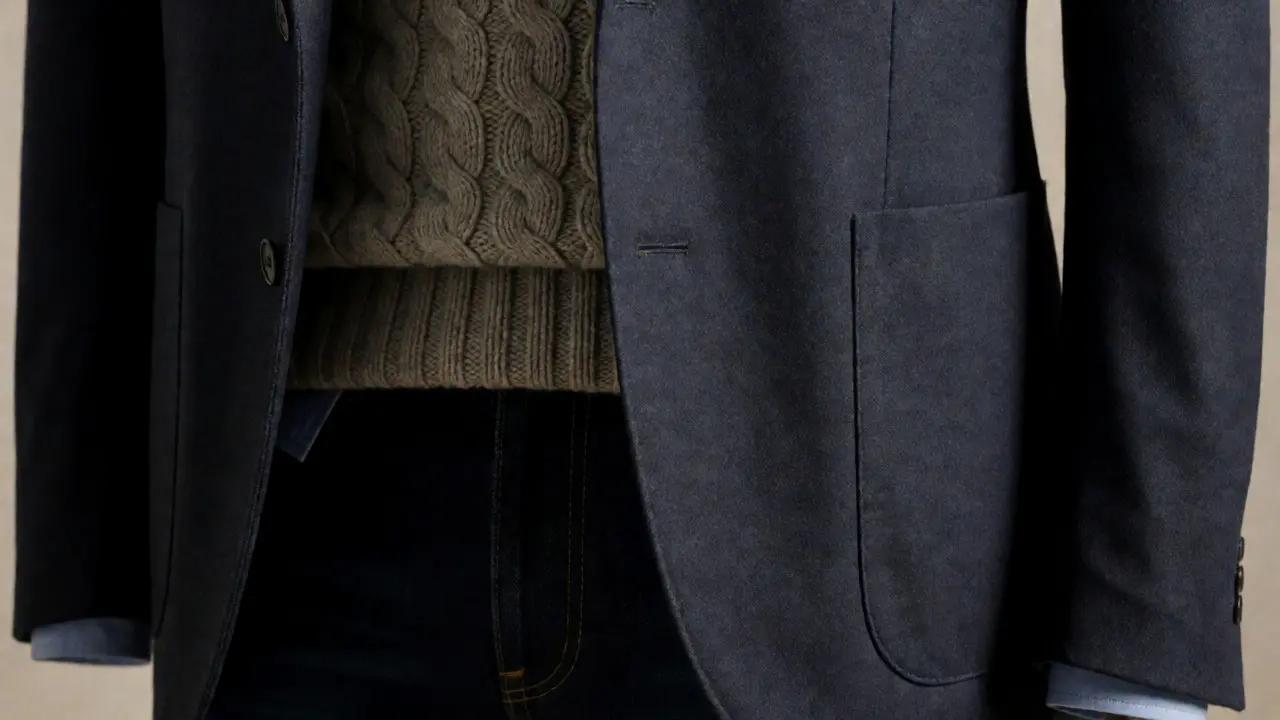
The biggest mistake I see is assuming "casual" means "lazy." In a creative office, looking lazy can signal a lack of attention to detail-a fatal flaw if you’re a designer or developer. Conversely, showing up in a full three-piece suit might make you seem out of touch with the company culture. The sweet spot lies in mixing high-low elements. Pair a structured blazer with dark denim. Wear a crisp button-down with chinos instead of slacks. The goal is to look put-together, not corporate.
| Attribute | Casual | Business Casual | Smart Casual |
|---|---|---|---|
| Footwear | Sneakers, flip-flops | Loafers, flats, boots | Clean leather sneakers, Chelsea boots, loafers |
| Tops | T-shirts, hoodies | Polos, blouses, sweaters | High-quality knits, Oxford shirts, tailored jackets |
| Bottoms | Jeans (ripped), shorts | Chinos, slacks, skirts | Dark denim, tailored trousers, midi skirts |
| Vibe | Weekend off-duty | Traditional office safety net | Polished, modern, approachable |
The Foundation: Building Your Capsule
You don’t need a new wardrobe. You need better versions of what you already own. Start by auditing your current clothes against the "intentional" rule. Does that shirt fit perfectly across the shoulders? Is that pair of jeans free of fading or distressing? If not, replace them. Focus on neutral colors-navy, grey, black, white, beige-and add texture through fabrics rather than loud prints. For men, the non-negotiables are a well-fitted navy blazer, two pairs of dark-wash jeans (no rips), and two pairs of chinos in khaki or olive. Add three high-quality t-shirts (white, black, grey) that fit close to the body but aren’t tight. For women, a tailored blazer, a silk or satin blouse, dark jeans, and a pencil skirt or tailored trousers form the base. A little black dress works wonders here too, provided it’s knee-length or longer and paired with a cardigan or jacket during cooler months. Fabric choice separates smart casual from cheap-looking casual. Avoid polyester blends that shine under office lights. Opt for cotton, wool, linen, or high-grade synthetics that mimic natural fibers. Texture adds depth. A cable-knit sweater over a collared shirt looks smarter than a plain crew neck, even if both are technically casual items.
Footwear: Where Most People Fail
If there is one place to invest money, it’s shoes. Nothing ruins a smart casual outfit faster than scuffed running sneakers or worn-out sandals. Footwear anchors the look. It tells the observer whether you’ve thought about your appearance beyond the shirt. For men, clean white leather sneakers are acceptable in many creative offices, provided they are minimalist designs without bulky logos or neon accents. Chelsea boots or desert boots in suede or leather elevate jeans instantly. Avoid athletic mesh shoes entirely. For women, ankle boots, loafers, ballet flats, or low block heels strike the right balance. Strappy sandals can work in summer if they have a refined structure, but avoid beach-style flip-flops or overly chunky platform sandals unless you’re in a very relaxed startup.
Remember the condition of your shoes. Polish leather shoes weekly. Clean sneaker soles regularly. A dirty sole breaks the illusion of effortlessness. If you commute by bike or walk long distances, bring a backup pair of office-appropriate shoes. Changing into clean footwear upon arrival is a pro move that saves your primary shoes from street grime.
Navigating Industry Nuances
Not all creative industries are created equal. A law firm’s marketing department has different expectations than a video game studio. Adjust your baseline accordingly. In tech and startups, hoodies are common, but they shouldn’t be baggy gym hoodies. Look for slim-fit, premium cotton hoodies without large graphics. Layer them under a blazer if you have client meetings. In advertising and PR, personality is encouraged. Bold patterns, unique accessories, and statement pieces are welcome, as long as the fit is sharp. A patterned shirt with solid trousers works better than a patterned shirt with patterned trousers. In media and journalism, practicality rules. You might be running around covering stories. Comfortable yet polished layers are key. A trench coat over a simple tee and jeans reads as professional on the street and appropriate in the newsroom. Always observe the senior leadership. If the CEO wears jeans, you’re safe. If the CEO wears sport coats daily, lean towards chinos and button-downs.
The Do-Not-Wear List
Even in flexible offices, certain items cross the line. Knowing these boundaries prevents awkward moments. First, athletic wear is out. Yoga pants, track jackets, and moisture-wicking shirts belong in the gym or after-work activities. Wearing them to work suggests you didn’t have time to change, which implies poor planning. Second, distressed denim is risky. Small frays might pass in a hipster coffee shop, but in a client-facing role, opt for clean hems. Third, graphic tees with slogans or band logos are generally too informal. If you want to show personality, do it through subtle accessories or interesting fabric textures, not cartoon characters. Fourth, wrinkled clothes are instant disqualifiers. Smart casual relies on structure. A wrinkled linen shirt looks messy, not relaxed. Iron or steam your garments before leaving home. Finally, avoid excessive perfume or cologne. Close-quarters collaboration in open-plan offices means strong scents become distractions.

Accessorizing for Impact
Accessories are the secret weapon in smart casual dressing. They allow you to personalize standard outfits without breaking dress codes. A quality watch, a leather belt that matches your shoes, and minimal jewelry add sophistication. For men, a pocket square in a blazer can transform a basic outfit into something memorable. For women, a structured handbag or a distinctive scarf adds polish. Keep accessories understated. Large, noisy jewelry can be distracting in meetings. Aim for one focal point per outfit. If you’re wearing bold earrings, keep the necklace simple. If you’re carrying a bright bag, let the rest of the outfit breathe. This restraint shows confidence and attention to detail.
Dressing for Remote and Hybrid Days
With hybrid work models becoming the norm in 2026, your smart casual strategy needs flexibility. On Zoom calls, the top half of your outfit matters most. Ensure your shirts and tops are camera-ready. Solid colors often photograph better than busy patterns. However, don’t neglect the bottom half. If you stand up unexpectedly, you don’t want pajama pants visible. Keep a pair of nice joggers or chinos near your desk for quick changes. Layering is crucial for temperature fluctuations in shared spaces. A lightweight cardigan or unstructured blazer allows you to adapt to air conditioning without removing your main layer. This versatility is the hallmark of true smart casual competence.
Can I wear jeans to a smart casual workplace?
Yes, but only dark-wash, well-fitted jeans without rips or distressing. Pair them with a button-down shirt, blazer, or high-quality knit to elevate the look. Light blue or faded jeans often appear too casual for professional settings.
Are sneakers considered smart casual?
Minimalist leather sneakers in neutral colors (white, black, grey) are generally acceptable in creative industries. Avoid athletic running shoes, colorful trainers, or heavily branded sports models. Condition matters-keep them clean and scuff-free.
What is the difference between business casual and smart casual?
Business casual is more traditional, often requiring slacks, collared shirts, and conservative shoes. Smart casual is more modern and flexible, allowing for dark jeans, stylish sneakers, and trendy accessories while maintaining a polished appearance. Smart casual prioritizes personal style within professional boundaries.
Do I need to wear a blazer every day?
No. A blazer is a powerful tool for elevating an outfit, especially for meetings or presentations, but it is not mandatory for daily wear. High-quality knitwear, structured shirts, or tailored vests can achieve a similar level of polish without the formality of a jacket.
How do I know if my outfit is too casual?
Ask yourself: Would I feel comfortable meeting a potential client in this? If the answer is no, it’s likely too casual. Check for wrinkles, stains, or ill-fitting items. If you feel like you’re going to the grocery store rather than the office, swap one item for a more structured piece.


Write a comment