

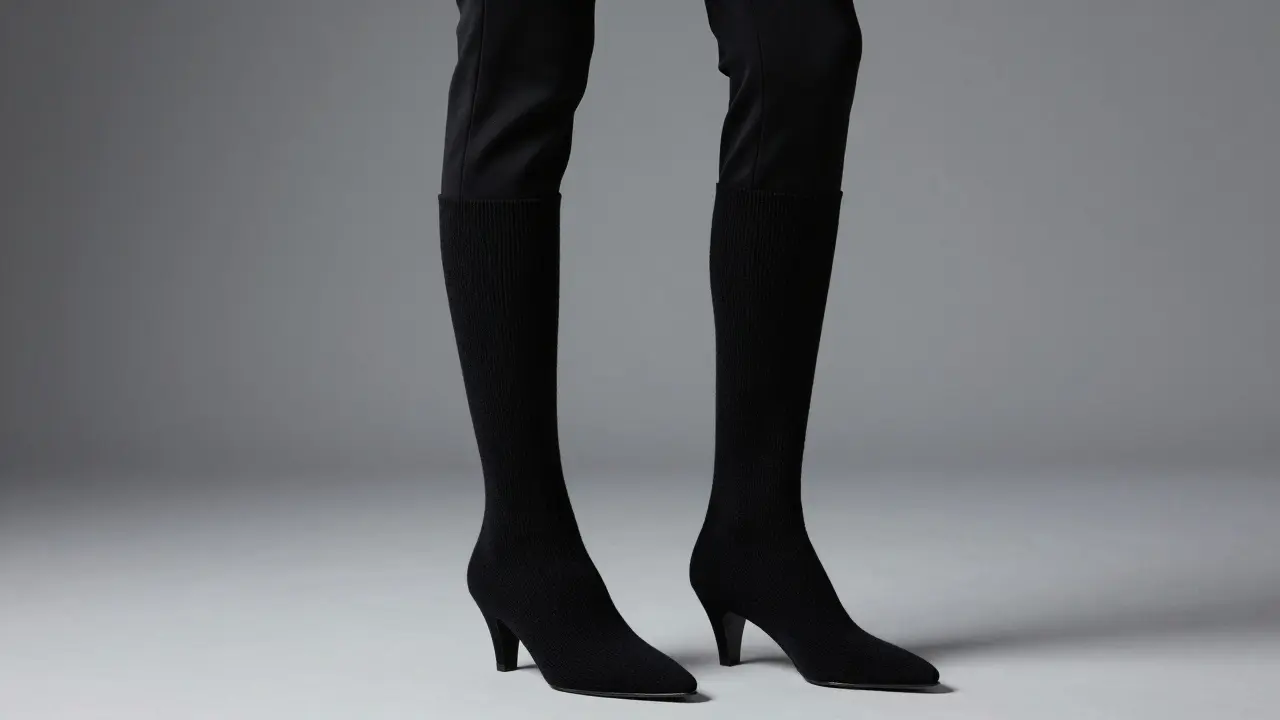
There is a specific moment in any outfit when you look down and realize your shoes are fighting your pants. Maybe the hem is bunching up, or maybe the boot shaft is too wide, creating a bulky mess around your ankles. Enter the sock boot, a footwear style designed specifically to solve this problem by hugging the ankle with a sleek, streamlined silhouette. Unlike traditional cowboy boots or chunky combat styles, these boots mimic the fit of a thick pair of socks, offering a continuous line from foot to knee. They are not just a trend that popped up for a season; they have become a staple for anyone looking to elongate their legs and keep their look sharp.
The Anatomy of a Sock Boot
To understand why these boots work so well, you need to look at how they are constructed. A standard boot has a rigid shaft made of leather or suede that stands away from the leg. This creates space where fabric can get caught and wrinkles can form. The sock boot flips this script. It uses stretch materials like knit, jersey, or elasticized leather to create a second-skin fit. This elasticity allows the boot to move with you while maintaining that tight, clean profile.
The heel height also plays a crucial role. Most sock boots feature a block heel or a stiletto rather than a flat sole. This lift changes the angle of your calf, making the muscle appear more defined and the leg longer. When you combine the vertical line of the close-fitting shaft with the elevation of the heel, you get an optical illusion that adds inches to your height without the discomfort of sky-high stilettos all day long.
Why the Slim Profile Matters
We live in an era where tailored fits dominate both menswear and womenswear. Skinny jeans, slim-fit trousers, and straight-leg cuts are everywhere. Wide boot shafts clash with these silhouettes. If you wear a loose boot over a skinny jean, the transition looks awkward and dated. The sock boot bridges this gap perfectly. Because it fits close to the ankle, it disappears under the hem of your pants or sits neatly against your skin if you’re wearing shorts or skirts. This seamless integration is what makes the silhouette "sleek." It removes visual clutter.
Consider the alternative. A traditional Chelsea boot often has a slight flare at the top. While stylish, it doesn’t hug the ankle as tightly. A lace-up boot requires laces that add bulk. The sock boot eliminates these extra elements. Its minimalism is its greatest strength. In a world of maximalist fashion, sometimes the most powerful statement is a clean, uninterrupted line.
Styling Sock Boots for Every Occasion
The versatility of the sock boot lies in its ability to dress up or down. Here is how to integrate them into your wardrobe effectively:
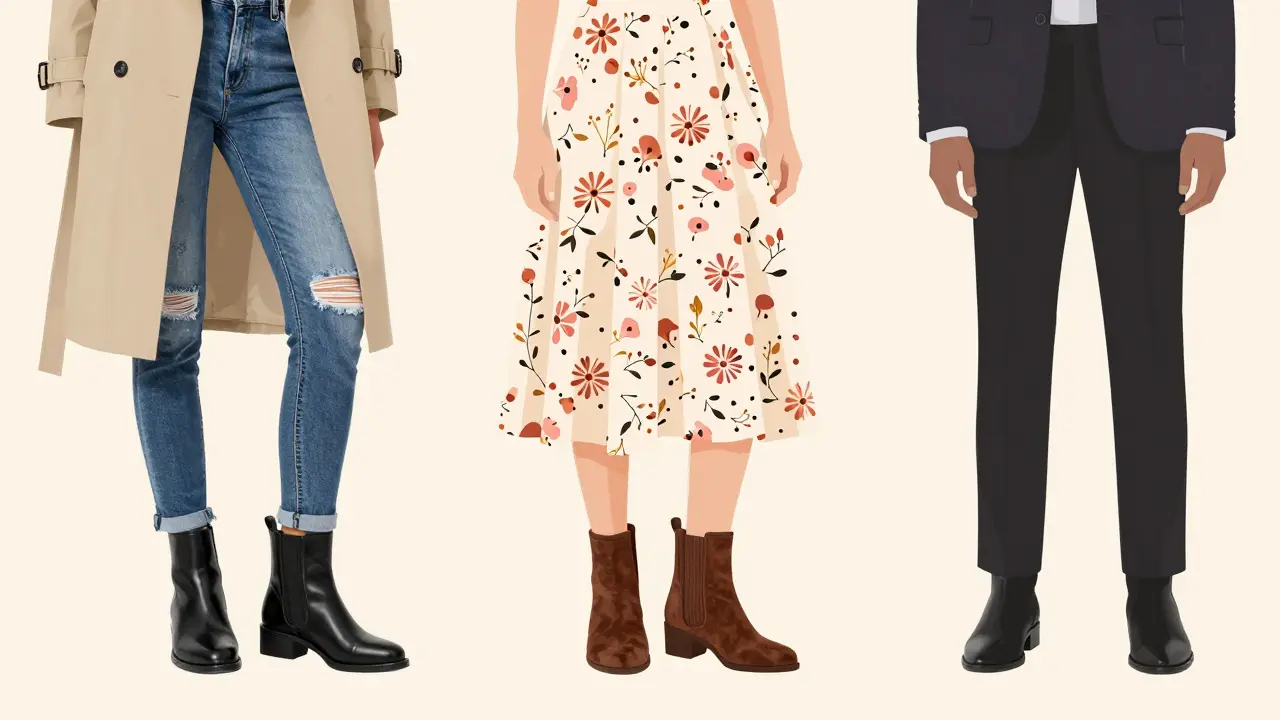
- The Office Look: Pair black sock boots with tailored trousers that hit just above the ankle. The boots peek out subtly, adding a modern edge to a conservative suit. Choose a pointed toe to further elongate the leg line.
- Casual Weekend: Wear them with ripped skinny jeans or leggings. Since the boot fits snugly, there’s no risk of the fabric getting stuck inside. Add a long coat to emphasize the vertical lines.
- Feminine Contrast: Try pairing suede sock boots with a flowy midi skirt. The contrast between the soft, voluminous fabric of the skirt and the tight, structured boot creates a balanced, chic aesthetic.
- Monochrome Magic: Dress head-to-toe in one color. Black boots with black jeans and a black jacket create a single, unbroken column of color, which is incredibly slimming and sophisticated.
Avoid wearing them with baggy cargo pants or wide-leg trousers unless you intentionally want a cropped look. The bulk of wide pants will swallow the sleekness of the boot, defeating the purpose of the design.
Material Choices: Knit vs. Leather
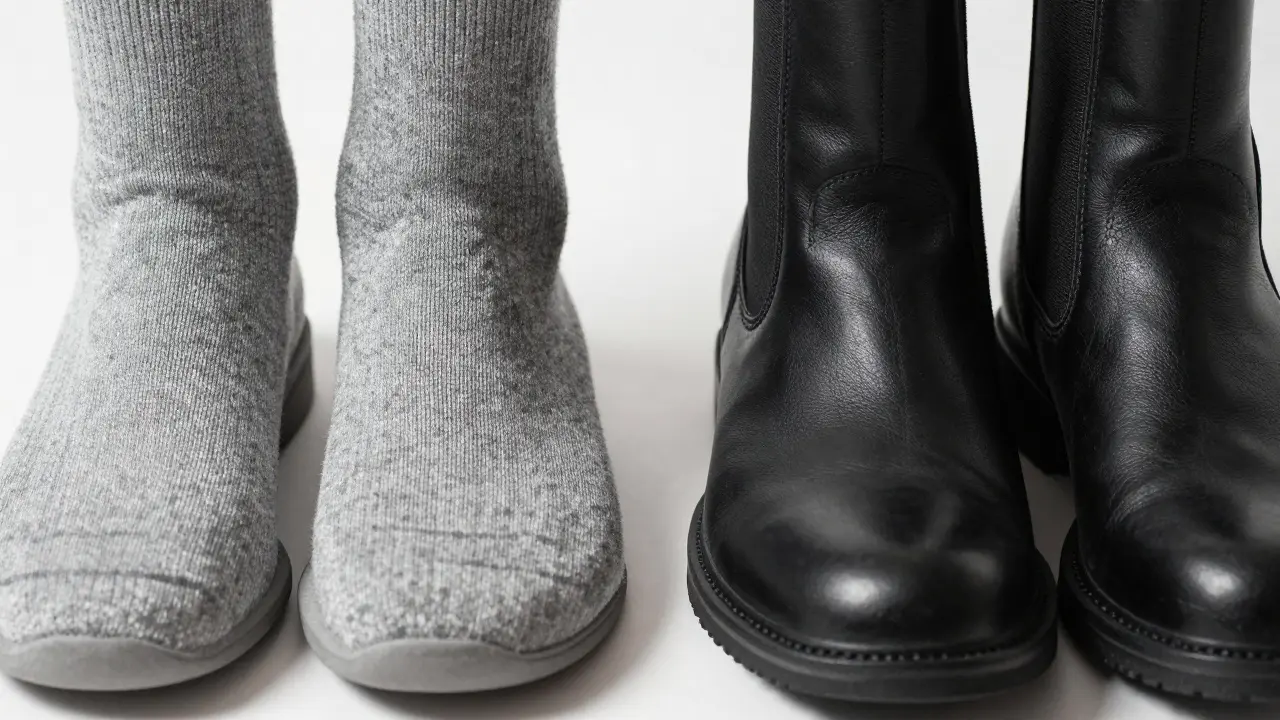
Not all sock boots are created equal. The material dictates both comfort and durability. Knit sock boots are the original iteration. They are incredibly comfortable, flexible, and breathable. However, they offer less protection against rain and snow. If you live in a wet climate, knit might not be your best friend during winter.
Leather or faux-leather sock boots provide more structure and weather resistance. They tend to hold their shape better over time and are easier to clean. Look for options with elastic panels on the sides or back to ensure they still offer that signature snug fit without feeling like a corset. A hybrid approach-knit uppers with leather toes-is also popular, combining the best of both worlds.
| Material | Comfort Level | Durability | Weather Resistance | Best For |
|---|---|---|---|---|
| Knit/Jersey | High (stretchy) | Low (prone to pilling) | Poor | Indoor wear, dry climates |
| Genuine Leather | Medium (break-in period) | High | Good | Daily use, professional settings |
| Synthetic/Faux | Medium | Medium | Moderate | Budget-friendly, vegan options |
Finding the Right Fit
Fitting a sock boot is different from fitting a sneaker. Because the material stretches, you might be tempted to size up for comfort. Resist this urge. If the boot is too big, it will slide down your calf, creating unsightly wrinkles and losing its sleek appearance. You want a snug fit around the ankle bone. Your foot should feel secure, but not constricted. Walk around the store to test the heel grip. A little slippage is normal for new boots, but excessive movement means the size is wrong.
Pay attention to the shaft length. Some sock boots end right at the ankle bone, while others extend halfway up the calf. The mid-calf length is generally more forgiving for various leg shapes, as it avoids cutting off the leg at the widest part of the calf. If you have larger calves, opt for a taller shaft to prevent the boot from digging in.
Maintenance and Care
Keeping your sock boots looking sharp requires a bit of care. Knit boots can be tricky. Spot clean them with a mild detergent and cold water. Avoid machine washing unless the label explicitly says it’s safe, as agitation can ruin the elasticity. Let them air dry naturally, away from direct heat sources which can shrink the fibers.
Leather sock boots benefit from regular conditioning. Use a leather conditioner every few months to keep the material supple. This prevents cracking and maintains the smooth finish. For scuffs, a simple eraser or a dab of leather polish can work wonders. Always stuff your boots with tissue paper when storing them to help them retain their shape.
Common Mistakes to Avoid
Even with such a versatile shoe, it’s easy to make styling errors. One common mistake is pairing sock boots with heels that are too high. While a moderate heel enhances the silhouette, an extreme stiletto can make the boot look disproportionate and uncomfortable. Stick to heels under three inches for a balanced look.
Another error is ignoring the toe shape. Pointed toes elongate the leg, while round toes shorten it. If you’re aiming for that sleek, leg-lengthening effect, choose a pointed or almond toe. Round toes can make the foot look stubby, especially when paired with tight pants.
Finally, don’t forget about socks. If you’re wearing shorts or skirts, your socks will show. Choose no-show socks or sheer tights to maintain the illusion of bare skin meeting the boot. Visible athletic socks break the sleek line and look unintentional.
Are sock boots comfortable for all-day wear?
It depends on the material and heel height. Knit sock boots are generally very comfortable due to their flexibility, similar to wearing sneakers. However, if the heel is high or the sole lacks cushioning, they can cause fatigue. Look for brands that include padded insoles and ergonomic arch support. Leather versions may require a break-in period before they mold to your feet.
Can I wear sock boots in the rain?
Only if they are made of treated leather or waterproof synthetic materials. Knit sock boots absorb water quickly and take a long time to dry, which can lead to odor and damage. If you must wear them in light drizzle, apply a waterproofing spray beforehand. For heavy rain, stick to rubber boots or fully sealed leather styles.
Do sock boots make your legs look shorter?
Actually, they usually do the opposite. Because they fit snugly and often feature a heel, they create a continuous vertical line that elongates the leg. To maximize this effect, wear them with pants that match the boot color or tuck skinny jeans into the top. Avoid contrasting colors between your pants and boots, as this cuts the leg line visually.
What is the difference between sock boots and Chelsea boots?
Chelsea boots have a rigid shaft and an elastic side panel, but they typically sit slightly away from the leg. Sock boots are designed to hug the ankle and calf tightly, using stretch materials throughout the shaft. Chelsea boots are more structured and formal, while sock boots offer a softer, more modern silhouette that integrates seamlessly with slim-fit clothing.
How do I stop my sock boots from slipping down?
Slipping usually indicates the wrong size or worn-out elasticity. Ensure you bought the correct size; sizing up causes slippage. If the boots are old, the elastic may have degraded. You can temporarily fix this by applying double-sided fashion tape inside the top of the shaft or wearing thigh-high stockings that grip the skin. For a permanent solution, consider replacing the elastic inserts if possible.