

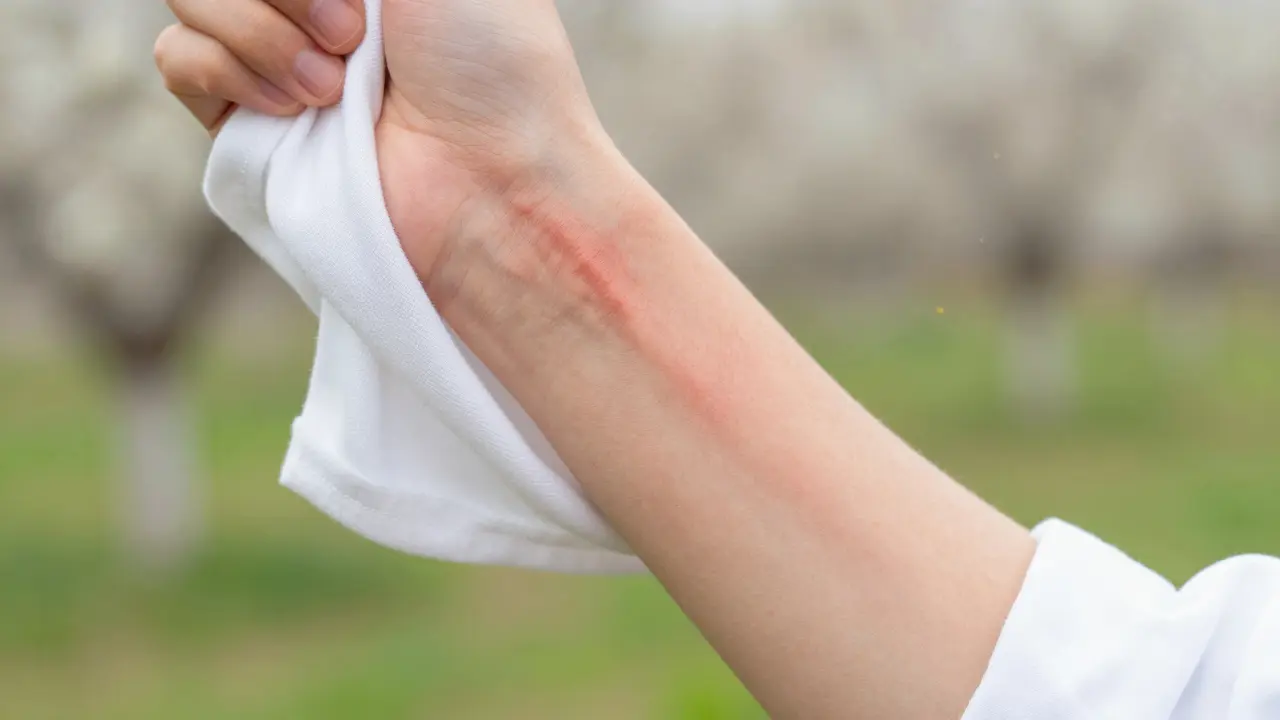
It’s April in New York, and the air is thick with pollen. You step out for your morning walk, and within twenty minutes, your skin starts itching. Your eyes water, and that rash on your arms flares up again. It’s not just the weather; it’s what you’re wearing. For millions of people, spring allergies mean more than sneezing-they mean dealing with itchy, irritated skin that reacts to synthetic materials, trapped heat, and sweat.
If you have sensitive skin or seasonal allergies, choosing the right fabrics isn’t a luxury-it’s a necessity. The wrong material can trap allergens, cause friction burns, or block airflow, making your symptoms worse. But the good news? There are plenty of allergy-friendly fabrics that keep you comfortable, cool, and irritation-free during the unpredictable spring months.
Why Fabric Choice Matters for Sensitive Skin
Your skin is your body’s largest organ, and it acts as a barrier against environmental irritants. When you have eczema, dermatitis, or seasonal allergies, that barrier is already compromised. Synthetic fabrics like polyester, nylon, and acrylic don’t breathe well. They trap sweat and heat against your skin, creating a warm, moist environment where bacteria thrive. This moisture buildup can trigger flare-ups, especially when combined with outdoor allergens like pollen and mold spores.
Natural fibers, on the other hand, often allow better airflow and wick moisture away from the body. They’re less likely to hold onto static electricity, which attracts dust and pollen. Choosing the right textile means reducing friction, improving breathability, and minimizing exposure to chemical residues from manufacturing processes.
| Fabric Type | Breathability | Allergen Resistance | Skin Irritation Risk | Best For |
|---|---|---|---|---|
| Cotton (Organic) | High | Moderate | Low | Everyday wear, base layers |
| Linen | Very High | High | Very Low | Hot days, loose-fitting garments |
| Bamboo Viscose | High | High | Low | Undergarments, activewear |
| Silk | Moderate | High | Very Low | Lightweight layers, sleepwear |
| Polyester | Low | Low | High | Avoid for sensitive skin |
Top Allergy-Friendly Fabrics for Spring
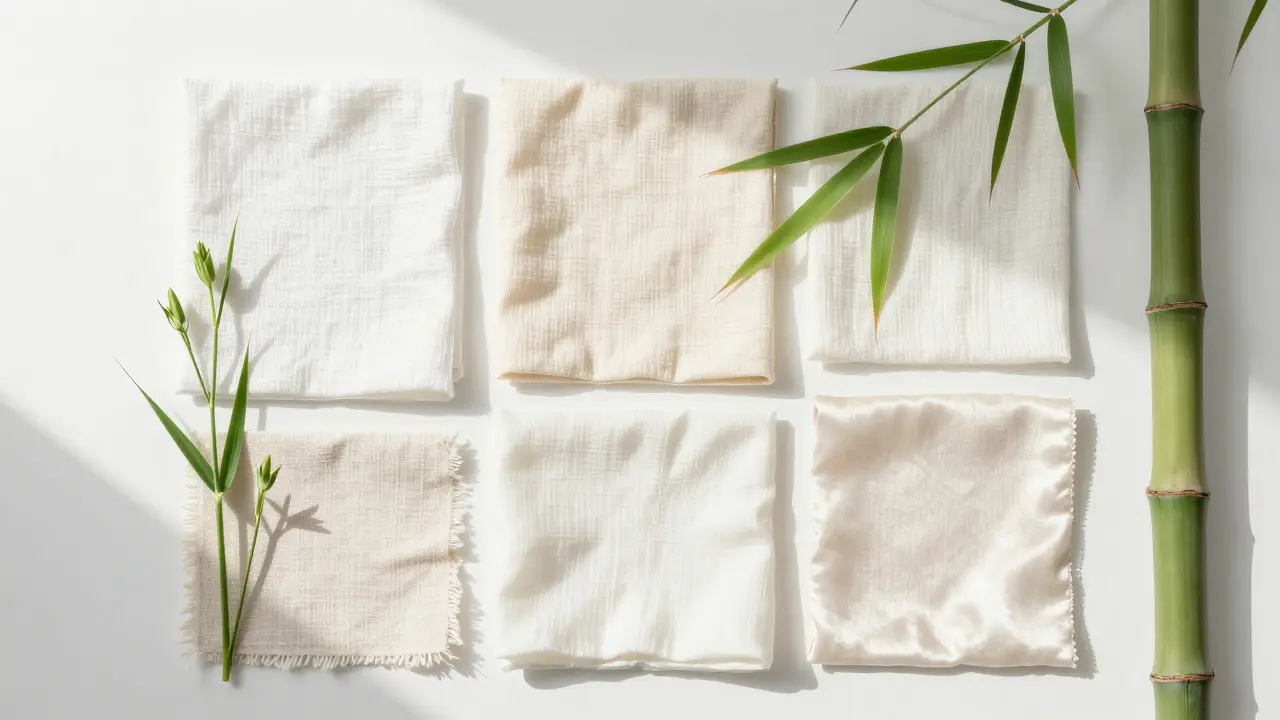
Not all natural fibers are created equal. Some require heavy processing that leaves behind chemicals, while others come with inherent benefits for sensitive skin. Here’s a breakdown of the best options for spring dressing.
1. Organic Cotton
Conventional cotton is often treated with pesticides, herbicides, and synthetic dyes that can linger in the fabric. Organic cotton, certified by standards like GOTS (Global Organic Textile Standard), avoids these harmful substances. It’s soft, breathable, and gentle on irritated skin. Look for lightweight weaves like jersey or voile for spring tops and dresses.
2. Linen
Made from the flax plant, linen is one of the oldest textiles in history. It’s highly breathable and has natural antimicrobial properties. Linen doesn’t cling to the skin, which reduces friction and allows air to circulate freely. It’s perfect for loose shirts, wide-leg pants, and summer-weight jackets.
3. Bamboo Viscose
Bamboo-derived fabrics are incredibly soft and have excellent moisture-wicking abilities. They’re naturally hypoallergenic and resistant to dust mites and mold-common triggers for allergy sufferers. However, be cautious: some bamboo fabrics undergo harsh chemical processing. Look for brands that use closed-loop systems to minimize environmental impact and residual toxins.
4. Silk
Silk might seem like a winter fabric, but lightweight silk blends are ideal for spring layering. Silk proteins are similar to human skin, making it exceptionally gentle. It repels dust mites and doesn’t retain odors, so you can wear it longer without washing-a bonus for those who want to reduce laundry frequency during allergy season.
5. Hemp
Hemp is durable, breathable, and becomes softer with each wash. It requires fewer pesticides than conventional cotton and has natural UV protection. Hemp clothing is great for outer layers because it resists wear and tear while keeping you cool.
Fabrics to Avoid During Allergy Season
Knowing what to avoid is just as important as knowing what to choose. Certain materials exacerbate skin irritation and trap allergens.
- Polyester: Traps heat and sweat, leading to bacterial growth and itching.
- Nylon: Non-breathable and prone to holding static, which attracts pollen.
- Wool (especially coarse varieties): Can scratch and irritate sensitive skin. If you must wear wool, opt for merino wool, which is finer and softer.
- Acrylic: A synthetic fiber that mimics wool but lacks breathability and often causes allergic reactions.
- Heavily Dyed or Printed Fabrics: Bright colors and large prints may contain formaldehyde or azo dyes, which are known skin irritants.
How to Care for Allergy-Friendly Clothing
Even the best fabrics can become problematic if they’re not cared for properly. Residual detergent, fabric softeners, and dryer sheets can leave behind chemicals that trigger skin reactions. Here’s how to keep your wardrobe safe:
- Use Hypoallergenic Detergents: Choose fragrance-free, dye-free detergents designed for sensitive skin. Brands like All Free Clear or Seventh Generation Free & Clear are popular choices.
- Skip Fabric Softeners: These products coat fibers with chemicals that reduce breathability and can cause rashes. Instead, add white vinegar to the rinse cycle to soften clothes naturally.
- Wash New Clothes Before Wearing: Even organic fabrics may have residual chemicals from shipping or storage. Always wash new items before putting them on.
- Air Dry When Possible: Tumble drying can damage fibers and set in stains. Air drying preserves the integrity of natural fabrics and reduces energy use.
- Store Properly: Keep clothes in a clean, dry place. Moisture encourages mold growth, which can transfer to your garments.
Tips for Layering Without Irritation
Spring weather is unpredictable. One day it’s chilly, the next it’s sweltering. Layering helps you adapt, but it also increases the risk of friction and overheating. Follow these guidelines:
- Start with a Base Layer: Wear a lightweight, breathable top made of organic cotton or bamboo against your skin. This creates a barrier between your body and outer layers.
- Choose Loose Fits: Tight clothing restricts airflow and rubs against the skin. Opt for relaxed silhouettes that allow movement and ventilation.
- Limit Outer Layers: Use a light cardigan or linen shirt instead of heavy coats. Remove layers as soon as you feel warm to prevent sweating.
- Check Seams and Tags: Rough seams and itchy tags can cause localized irritation. Look for flat-stitched seams and tagless designs.

Where to Find Allergy-Friendly Brands
More brands are recognizing the need for sustainable, skin-safe clothing. Here are a few reputable options:
- Pact: Offers affordable organic cotton basics for men, women, and kids.
- Eileen Fisher: Known for high-quality linen and hemp pieces with minimalist designs.
- Kotn: Specializes in ethically sourced Egyptian cotton with transparent supply chains.
- Gaiam: Provides eco-friendly activewear made from recycled and natural materials.
- Boody: Focuses on bamboo-based essentials, including socks and underwear.
When shopping, always check labels for certifications like GOTS, OEKO-TEX Standard 100, or Fair Trade. These ensure that the fabric meets strict safety and ethical standards.
Final Thoughts on Dressing Comfortably in Spring
Living with sensitive skin or seasonal allergies doesn’t mean sacrificing style. By choosing the right fabrics and caring for them properly, you can stay comfortable and confident throughout the spring. Prioritize breathability, avoid synthetics, and invest in quality pieces that last. Your skin will thank you.
What is the best fabric for sensitive skin in spring?
Organic cotton and linen are the best choices for sensitive skin in spring. They are breathable, hypoallergenic, and gentle on irritated skin. Bamboo viscose is also a great option due to its moisture-wicking properties.
Are synthetic fabrics bad for allergies?
Yes, synthetic fabrics like polyester and nylon trap heat and sweat, which can worsen skin irritation and attract allergens. They also lack breathability, making them unsuitable for sensitive skin.
How do I know if my clothes are causing skin irritation?
If you experience redness, itching, or rashes after wearing certain clothes, they may be causing irritation. Pay attention to areas where seams, tags, or tight fits rub against your skin. Switching to natural fibers often resolves these issues.
Can I wear wool if I have sensitive skin?
Coarse wool can be very irritating, but merino wool is much softer and less likely to cause problems. Always test a small area first and consider wearing a cotton layer underneath to protect your skin.
What should I look for on clothing labels for allergy-friendly fabrics?
Look for certifications like GOTS (Global Organic Textile Standard) or OEKO-TEX Standard 100. These indicate that the fabric is free from harmful chemicals and safe for sensitive skin. Also, check for terms like "organic," "undyed," or "fragrance-free."