

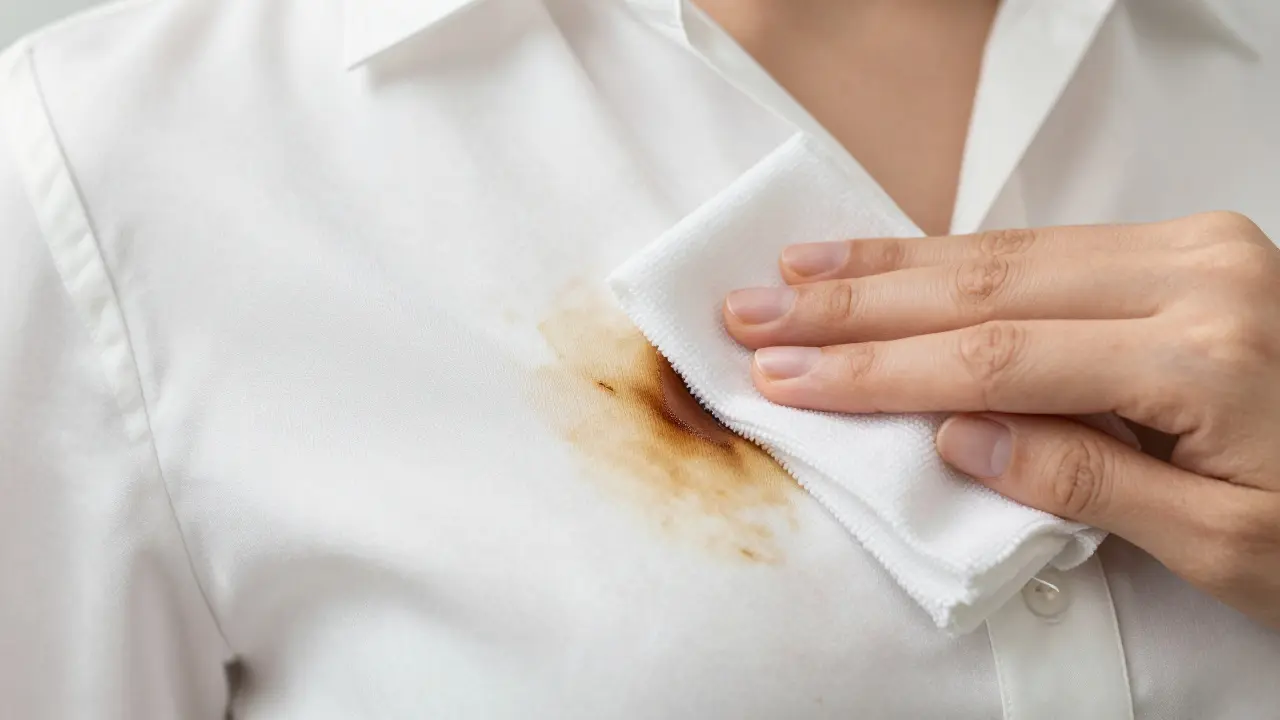
You pour coffee on your white silk blouse. It happens fast. One second you are holding a cup; the next, a dark brown ring spreads across the chest. You panic. You grab a towel and rub. The stain gets worse. This is the moment most people decide to throw the garment away. But it does not have to end this way. Stain removal is not just about cleaning up messes. It is about saving expensive pieces of clothing from the trash bin. Preventative care changes everything. If you treat stains correctly, you keep your wardrobe looking new for years.
Most people think stain removal is reactive. You get dirty, then you clean. That mindset costs money. When you ignore small spots, they set into the fibers. Once a stain sets, it becomes permanent. Permanent stains mean ruined clothes. Ruined clothes mean buying new ones. Buying new ones means wasting money and hurting the environment. By shifting your focus to prevention and immediate action, you protect your investment. You also reduce stress. Knowing how to handle accidents gives you confidence in wearing bold colors and delicate materials.
Understanding Fabric Types and Their Vulnerabilities
Not all fabrics react the same way to liquids and oils. Before you touch a stain, you must know what you are dealing with. Silk is a delicate protein-based fiber that dissolves under harsh chemicals and high heat. Silk absorbs water quickly. It holds onto pigments like wine or coffee. You cannot scrub silk. Scrubbing breaks the fibers. Instead, you blot gently. Water is often enough if you act within minutes.
Cotton is a durable natural fiber that withstands agitation and higher temperatures. Cotton is forgiving. You can soak cotton shirts in cold water for hours. You can use enzymatic cleaners on cotton without fear. Denim, which is mostly cotton, handles bleach well. However, colored cotton fades easily. Always check the care label first. The label tells you the truth about the fabric’s limits.
Wool is another protein fiber similar to silk but more resilient to mechanical action. Wool shrinks when exposed to heat and agitation. Never put wool in hot water. Use lukewarm water and mild detergents. Wool repels water naturally due to its lanolin content. This helps prevent immediate absorption of spills. Still, oil-based stains penetrate wool deeply. Address grease stains immediately with absorbent powders.
Synthetic fabrics like Polyester and Nylon behave differently. These plastics melt under high heat. They resist water absorption but attract static electricity. Static pulls dust and dirt onto the surface. Polyester releases stains easier than natural fibers because the molecules do not bond tightly with dyes. However, synthetic blends can trap odors. Odor removal requires specific treatments beyond simple washing.
The Golden Rule: Act Immediately
Time is your enemy in stain removal. Every minute a stain sits allows it to bond with the fabric. Heat accelerates this bonding process. Your body heat warms the fabric. Room temperature air adds energy. Do not wait until laundry day. Treat the spot right now. Keep a stain removal kit in your bag or car. Small bottles of enzyme cleaner work wonders on protein stains like blood or food. Carry microfiber cloths. Paper towels leave lint behind. Microfiber lifts dirt without leaving residue.
Blotting is key. Rubbing pushes the stain deeper into the weave. Imagine pushing mud into a carpet. Rubbing makes the hole bigger. Blotting lifts the liquid out. Press down firmly with a clean cloth. Move to a fresh part of the cloth often. Repeat until no more color transfers to the cloth. Then apply treatment. Rinse from the back side of the fabric if possible. Pushing the stain out from the reverse direction prevents setting it further into the front layer.
Preventative Measures: Shielding Your Clothes Daily
Prevention beats cure every time. You can shield your clothes before accidents happen. Fabric protectors create an invisible barrier. Sprays containing fluoropolymers repel water and oil. Apply these sprays to suede shoes, leather jackets, and upholstery. Reapply after each wash. The coating wears off over time. Regular application maintains protection.
- Use placemats at restaurants. Even careful eaters spill sauce.
- Keep napkins handy. Wipe crumbs before they fall into lapels.
- Avoid sitting near windows with direct sunlight. UV rays fade colors permanently.
- Store clothes properly. Moths eat wool and silk. Cedar blocks repel them naturally.
- Turn clothes inside out during washing. This protects the outer surface from friction.
Consider professional waterproofing services for outdoor gear. Hiking pants and raincoats benefit greatly from DWR (Durable Water Repellent) coatings. These treatments restore water beading properties lost through wear. Without proper re-treatment, your expensive jacket soaks up rain instead of shedding it. Dry cleaning professionals offer specialized stain guards too. Ask about them when dropping off dry-cleaning orders.
Tackling Common Stains with Precision
Different stains require different approaches. Using the wrong method ruins clothes faster than doing nothing. Here are strategies for frequent offenders.
| Stain Type | Best Treatment | Fabrics to Avoid |
|---|---|---|
| Blood | Cold water soak + Enzyme cleaner | Silk, Wool |
| Grease/Oil | Chalk powder absorption + Dish soap | Nylon (may yellow) |
| Wine/Coffee | Vinegar solution + Cold rinse | Acetate, Triacetate |
| Ink | Isopropyl alcohol + Cotton swab | All synthetics |
| Mud | Let dry completely + Brush off + Wash | None (if dried first) |
Blood stains cook when heated. Hot water sets protein stains instantly. Always start with ice-cold water. Soak the item for thirty minutes. Add an enzymatic detergent designed for biological soils. Let it sit another hour. Wash normally. Check before drying. If the stain remains, repeat the process. Never tumble dry untreated blood stains.
Grease stains need surfactants. Dish soap cuts through oil effectively. Apply a drop directly to the stain. Gently massage it in. Let it sit for ten minutes. Rinse with warm water. For heavy grease, sprinkle baking soda or cornstarch first. Let the powder absorb the oil for twenty minutes. Vacuum or brush off the powder. Then apply dish soap. This two-step approach works best on denim and canvas.
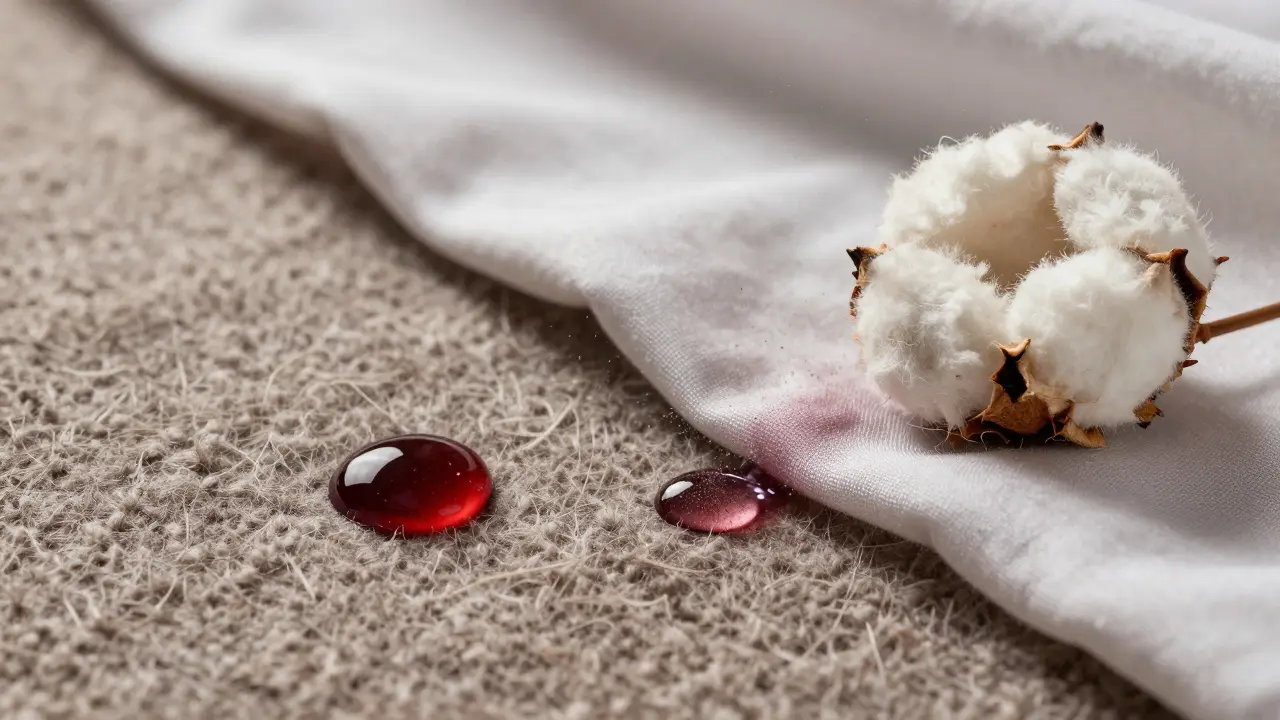
Red wine contains tannins. Tannins bind strongly to cellulose fibers. White vinegar neutralizes tannins. Mix equal parts vinegar and water. Pour over the stain. Blot vigorously. Follow with cold water rinsing. Salt sprinkled on fresh wine spills absorbs some pigment. However, salt alone rarely removes the entire stain. Combine salt absorption with vinegar treatment for best results.
Tools and Products Worth Keeping Handy
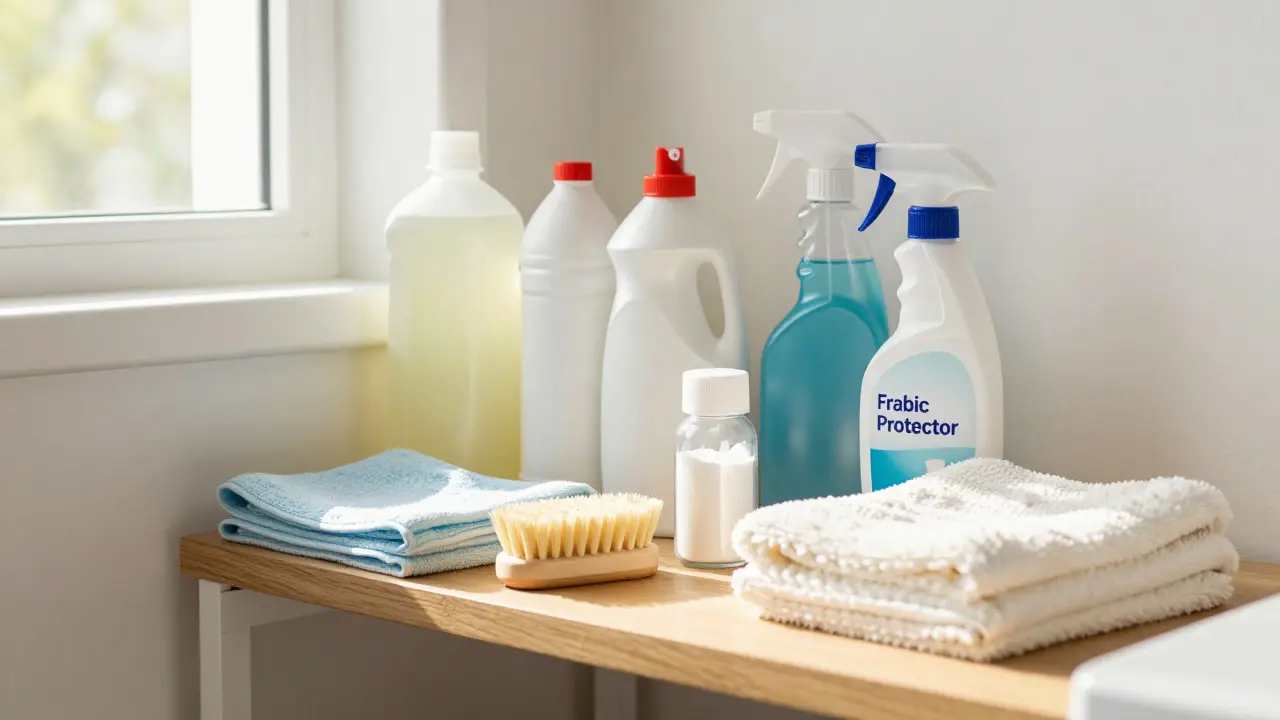
Your home should stock essential stain-fighting tools. You do not need expensive gadgets. Basic supplies cover ninety percent of situations. Buy quality versions of common items. Cheap sponges scratch fabrics. Good brushes lift dirt gently.
- Microfiber cloths: Soft, lint-free, highly absorbent.
- Soft-bristled brush: Ideal for agitating stains on sturdy fabrics like denim.
- Enzyme-based pre-soak: Breaks down proteins and carbohydrates chemically.
- Liquid laundry detergent: Look for formulas with optical brighteners for whites.
- White vinegar: Natural acidifier that lifts mineral deposits and odors.
- Baking soda: Deodorizer and mild abrasive for scrubbing.
- Hydrogen peroxide (3%): Bleaching agent for white cottons only.
Avoid chlorine bleach unless necessary. Chlorine damages elastic fibers in waistbands and socks. It weakens cotton over time. Oxygen bleach (sodium percarbonate) offers safer alternatives. Oxygen bleach activates in warm water. It bubbles oxygen into fibers, lifting stains mechanically and chemically. Use oxygen bleach for colored loads to maintain vibrancy.
When to Call the Professionals
Some stains defy home remedies. Attempting DIY fixes on valuable garments risks permanent damage. Know when to stop. Hand-painted dresses, vintage lace, and structured suits require expert handling. Dry cleaners possess industrial solvents unavailable to consumers. They also have spotting machines that identify stain types using chemical tests.
If you try three methods without success, pause. Further attempts may set the stain permanently. Take the item to a reputable cleaner. Describe exactly what happened. Tell them what you already tried. Information helps the cleaner choose the right solvent. Some cleaners charge extra for difficult stains. Others include basic spot treatment in standard pricing. Compare prices locally. Find a cleaner who specializes in delicate fabrics.
Insurance policies sometimes cover accidental damage to high-value clothing. Check your homeowner's or renter's insurance policy. Document damaged items with photos. Keep receipts for original purchases. Proof of value speeds up claims processing. Prevention reduces claim frequency. Fewer claims mean lower premiums over time.
Building a Sustainable Wardrobe Through Care
Caring for clothes extends their life. Longer-lasting clothes mean fewer purchases. Fewer purchases reduce waste. Fast fashion contributes heavily to landfill overflow. Extending garment lifespan by just nine months reduces carbon, water, and waste footprints significantly. Proper stain removal plays a huge role in sustainability.
Repair visible damage promptly. Loose threads unravel seams. Missing buttons strain adjacent stitching. Fix small issues before they become big problems. Learn basic sewing skills. A needle and thread cost pennies. Mastering simple repairs saves dollars. Tailoring shops alter fit as bodies change. Well-fitting clothes look better and last longer because they experience less stress during movement.
Rotate your wardrobe. Wear different outfits each week. Rest days allow fibers to recover. Elastic bands lose tension when stretched constantly. Shoes deform if worn daily without rest. Rotation distributes wear evenly. It also keeps your style interesting. Variety prevents boredom with limited selections.
Can I use bleach on colored clothes?
No, never use chlorine bleach on colored fabrics. Chlorine strips dye molecules from fibers, causing fading and discoloration. Instead, use oxygen bleach (sodium percarbonate), which is safe for colors. Always test any cleaning product on an inconspicuous area first, such as an inner seam, to ensure colorfastness.
How do I remove ink from delicate fabrics?
Ink removal is tricky on delicate fabrics. Use isopropyl alcohol diluted with water. Test on a hidden spot first. Dab the stain with a cotton swab dipped in the solution. Work from the outside inward to prevent spreading. Rinse thoroughly with cold water afterward. Avoid rubbing, as ink particles can embed deeper into fine weaves.
Why shouldn't I put stained clothes in the dryer?
Heat sets stains permanently. The tumbling action combined with hot air bakes residues into fibers. Once heat-set, even professional cleaners struggle to remove the mark. Always inspect wet clothes before drying. Ensure all stains are gone before placing items in the dryer. Air-dry questionable items to assess results safely.
What is the best way to store winter coats?
Store winter coats clean and dry in breathable garment bags. Plastic covers trap moisture, leading to mold growth. Hang heavy coats on wide wooden hangers to support shoulder structure. Place cedar blocks inside pockets to repel moths naturally. Store in a cool, dry place away from direct sunlight to prevent fading and degradation.
Do fabric protector sprays really work?
Yes, fabric protector sprays create hydrophobic barriers that repel liquids. They are most effective on porous materials like suede, leather, and canvas. Spray evenly from six inches away. Allow adequate drying time before wearing. Reapply after washing or heavy exposure to elements. While not foolproof, they significantly delay absorption, giving you more time to treat spills.