

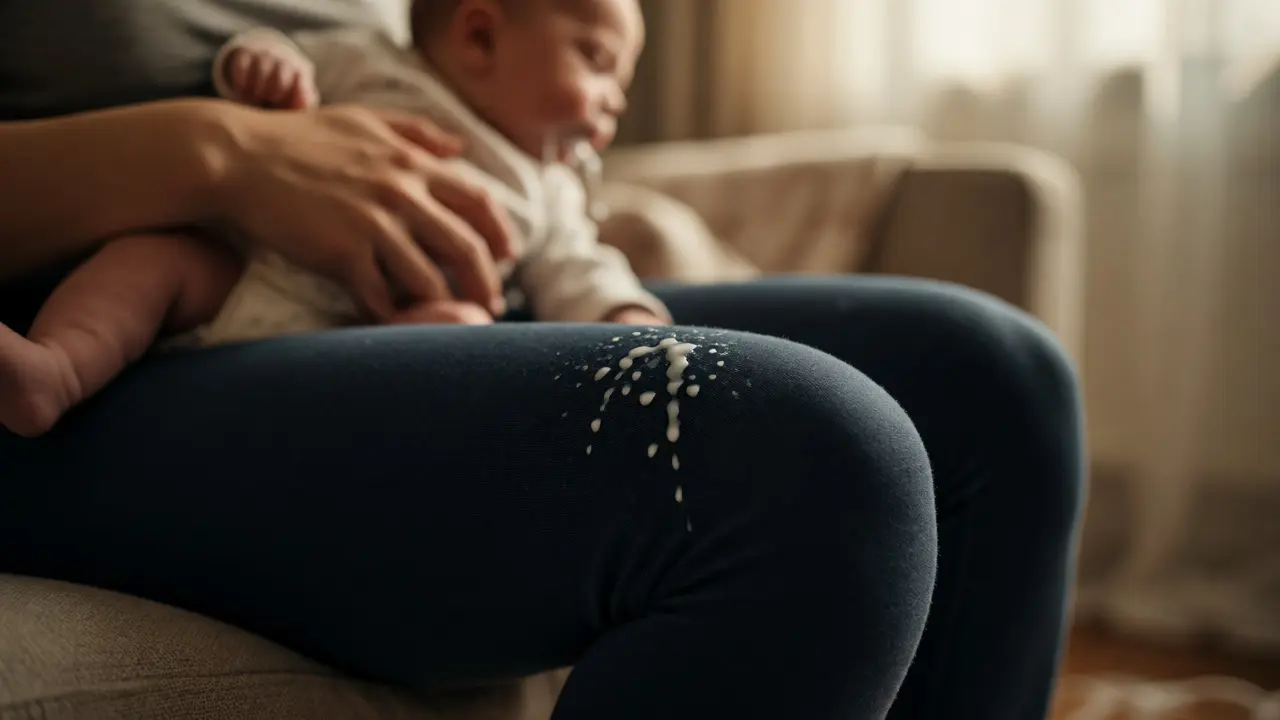
You are three weeks into motherhood. The baby just spit up a warm, curdled mixture of milk and formula directly onto your favorite black leggings. You have exactly forty-five seconds before the next feeding cycle begins, and you haven’t showered since Tuesday. In this moment, the aesthetic appeal of your outfit matters far less than its ability to survive the chaos without requiring a full laundry cycle every two hours. This is where stain-resistant fabrics change the game for new moms seeking functional, low-maintenance wardrobes that withstand daily spills and messes. It isn't about wearing plastic; it's about leveraging textile science to buy back your time.
The Reality of Maternal Laundry Loads
Let’s look at the numbers. A newborn can spit up multiple times a day. Add in diaper blowouts, food accidents from toddler siblings, and general bodily fluids, and the average new parent might do three to five loads of laundry weekly. If each load takes an hour of active management (sorting, washing, drying, folding), that’s significant time lost. Traditional cotton absorbs liquids instantly, binding stains to fibers through capillary action. Once that bond forms, removing the stain requires agitation, heat, or harsh chemicals-none of which are gentle on delicate skin or budget-friendly over time.
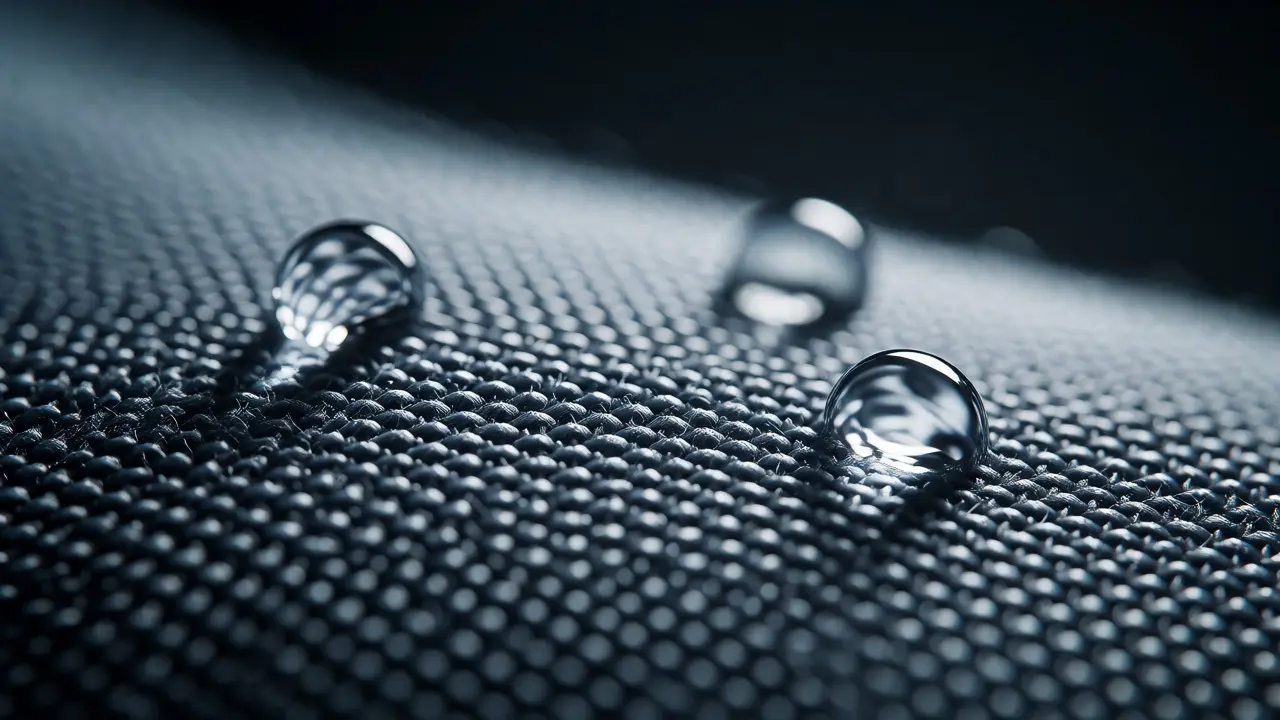
Performance textiles, specifically those engineered with hydrophobic properties, repel liquids rather than absorbing them. When milk hits a treated polyester blend, it beads up. You wipe it away with a damp cloth, and the fabric remains dry underneath. This simple physical difference reduces the frequency of deep cleaning, allowing you to air out clothes between wears instead of tossing them straight into the hamper.
How Stain Resistance Actually Works
Not all "easy-clean" claims are created equal. Many cheap garments use heavy chemical coatings that feel stiff, like a raincoat, and wear off after ten washes. High-quality options integrate technology directly into the fiber structure or use durable water repellent (DWR) treatments that last longer.
The most effective approach involves hydrophobic finishes. These microscopic coatings lower the surface energy of the fabric, causing water-based liquids to form droplets instead of spreading out. Think of it like waxing a car: water rolls right off. For new moms, this means coffee, breast milk, and juice sit on the surface long enough for you to blot them before they penetrate.
Another common method is tight weaving. Microfiber fabrics consist of ultra-fine synthetic strands woven so densely that large particles cannot easily penetrate the gaps. While microfibers are excellent at trapping dirt within the weave (which sounds counterintuitive), their smooth surface prevents oils from bonding strongly, making them easier to rinse out than rougher natural fibers.
Top Fabric Choices for Busy Parents
If you’re shopping for a capsule wardrobe that survives the fourth trimester and beyond, focus on these specific materials. Each offers a different balance of comfort, durability, and cleanability.
| Fabric Type | Best For | Cleanup Method | Comfort Level | Durability |
|---|---|---|---|---|
| Nylon Blend | Leggings, activewear | Wipe with damp cloth | High stretch, breathable | Very High |
| Polyester Tencel | Tops, dresses | Spot clean, machine wash cold | Silky, moisture-wicking | Medium-High |
| Merino Wool | Layering pieces | Air out, spot treat | Temperature regulating | High (if cared for) |
| Coated Cotton | Aprons, casual shirts | Machine washable | Soft but heavier | Medium |
Nylon blends dominate the legging market for a reason. Brands like Lululemon or Athleta often use proprietary weaves (like Luon or Nulu) that incorporate spandex for stretch and nylon for strength. These fabrics resist pilling and hold color well, meaning a spit-up stain won’t leave a permanent white mark on dark fabric. Plus, they dry quickly, which is crucial if you’re hand-washing in the sink at 3 AM.
Polyester-Tencel blends offer a more sophisticated look for work-from-home days or doctor appointments. Tencel (lyocell) is made from wood pulp and feels incredibly soft against sensitive postpartum skin. When blended with polyester, it gains structural integrity and stain resistance. Unlike pure cotton, which holds odors, these blends wick moisture away, keeping you cooler during hot flashes or breastfeeding sessions.
Merino wool is naturally antimicrobial and odor-resistant. While not inherently "waterproof," fine merino fibers trap air, creating a barrier that slows liquid absorption. More importantly, bacteria that cause smells don’t thrive on wool as they do on synthetics. You can wear a merino tee for two days without washing, simply airing it out overnight. This saves massive amounts of laundry time.
Strategic Wardrobe Building
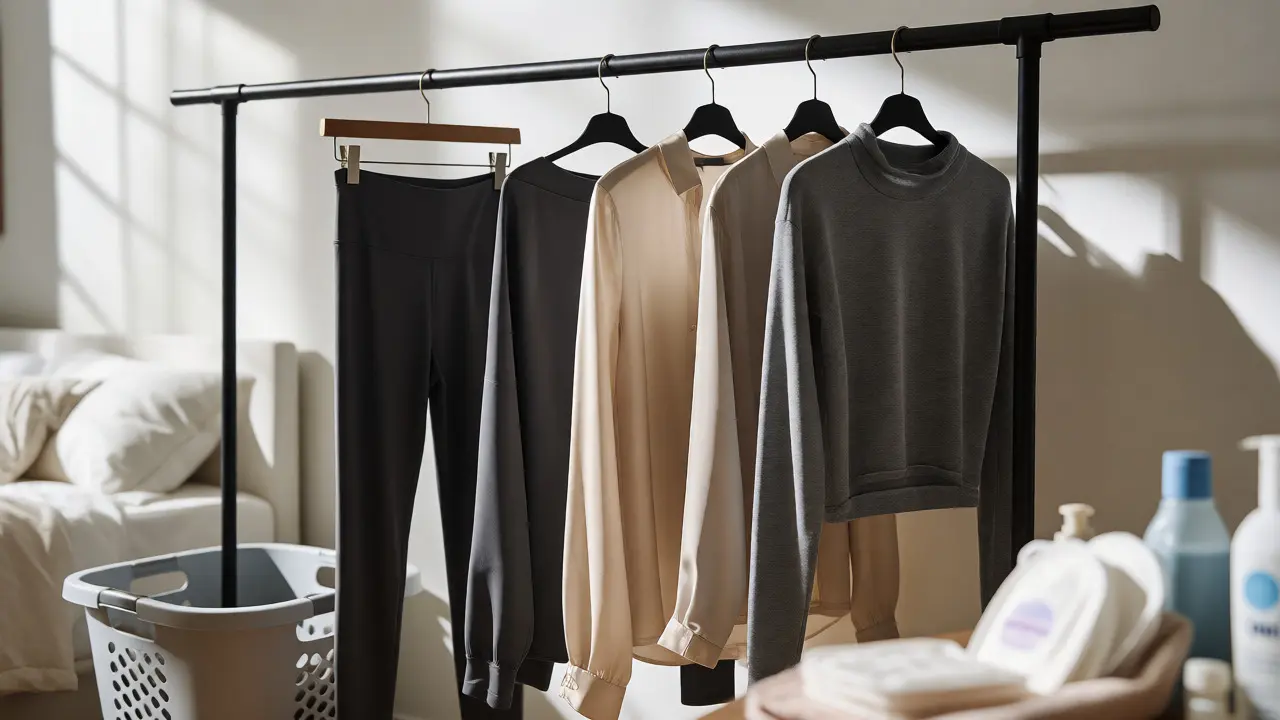
You don’t need to replace your entire closet. Focus on high-risk zones first. Legs and torsos take the brunt of baby messes. Invest in three pairs of high-quality, stain-resistant leggings and two versatile tops made from performance blends. Keep your sentimental cotton tees for lounging at home when you’re wearing a bib anyway.
Consider color strategy. Dark colors hide shadows, but light colors hide dried milk better. White shows every drop, while black shows lint and dandruff. Navy blue and charcoal gray are the sweet spots-they conceal minor discoloration until you have time to wash properly. Avoid busy patterns if you want to maintain a polished look; solid colors with subtle texture (like ribbing) look intentional even when slightly rumpled.
Look for features beyond the fabric itself. Flatlock seams prevent chafing under nursing bras. Hidden pockets allow you to stash wipes or burp cloths. Zippered necklines make breastfeeding accessible without lifting your whole shirt. These design elements reduce friction in your daily routine, complementing the ease provided by the fabric.
Care Instructions That Preserve Repellency
Buying the right fabric is half the battle; maintaining it is the other half. Most DWR coatings degrade with heat and harsh detergents. Follow these rules to keep your clothes looking new:
- Wash Cold: Heat breaks down elastic fibers and weakens chemical bonds in stain-resistant coatings. Always use cold water cycles.
- Skip Fabric Softener: Softeners coat fibers with oils that attract dirt and neutralize hydrophobic treatments. Your clothes will lose their "beading" effect faster.
- Use Mild Detergent: Enzymatic cleaners are great for stains but can be too aggressive for technical fabrics over time. Stick to sports-specific detergents or mild liquid soaps.
- Air Dry When Possible: Tumble drying shrinks synthetics and melts microscopic coatings. Hang dry your leggings and tops to extend their lifespan.
If you notice water starting to soak in rather than bead up, you can restore some repellency. Toss the garment in the dryer on low heat for ten minutes. The heat reactivates many DWR finishes. For serious degradation, there are spray-on revitalizers available at outdoor gear stores, though they’re rarely needed for indoor wear.
Budget vs. Investment: Is It Worth It?
Stain-resistant clothing costs more upfront. A pair of basic cotton leggings might cost $15; a technical nylon pair could run $60-$90. However, calculate the cost per wear. Cheap cotton loses shape, fades, and stains permanently after twenty washes. Technical fabrics often retain their fit and appearance for hundreds of cycles.
More importantly, consider the value of your time. If saving thirty minutes a day on laundry allows you to sleep, exercise, or simply sit still with a cup of coffee, the premium is justified. New motherhood is a period of extreme cognitive load. Reducing decision fatigue around clothing maintenance frees up mental bandwidth for parenting tasks.
Start small. Buy one high-quality piece. Test it against real-life messes. Did the milk wipe off? Did it smell bad after eight hours? If yes, expand your collection gradually. There’s no need to overhaul your wardrobe overnight.
Common Pitfalls to Avoid
Beware of marketing jargon. Terms like "antimicrobial" don’t always mean stain-resistant. Some fabrics resist bacteria growth but absorb liquids readily. Check product descriptions for keywords like "moisture-wicking," "quick-dry," or "repellent."
Also, avoid 100% polyester if you live in a humid climate like New York summers. While durable, pure polyester can trap heat and sweat, leading to discomfort. Blends with elastane or natural fibers improve breathability. Balance is key.
Finally, don’t ignore care labels. Ignoring instructions voids warranties and ruins performance. If a tag says "do not bleach," believe it. Bleach destroys the chemical structures that provide stain resistance.
Do stain-resistant fabrics feel uncomfortable against sensitive skin?
Modern technical fabrics are designed to be soft and breathable. Look for blends containing Tencel, modal, or brushed polyester, which mimic the feel of cotton while offering superior performance. Avoid cheap, unlined nylon if you have eczema or heightened sensitivity, as it can sometimes cause static cling.
Can I use regular detergent on stain-resistant clothes?
Yes, but choose a mild, liquid detergent without added fabric softeners or optical brighteners. Powder detergents can leave residues that clog the microscopic pores of technical fabrics, reducing their breathability and repellency over time.
How long does the stain-resistant coating last?
With proper care (cold wash, air dry), high-quality coatings can last 50-100 washes. Cheaper treatments may fade after 10-20 washes. To maximize longevity, avoid high heat and harsh chemicals.
Are these fabrics safe for breastfeeding mothers?
Generally, yes. Ensure the fabric is Oeko-Tex certified, which guarantees it’s free from harmful substances. Always wash new clothes before wearing them to remove any manufacturing residues.
What is the best way to remove old stains from technical fabrics?
Soak the stained area in cold water with a small amount of dish soap for 15 minutes. Gently rub the fabric together to loosen the particle. Rinse thoroughly. Avoid scrubbing hard, which can damage the fiber structure.