

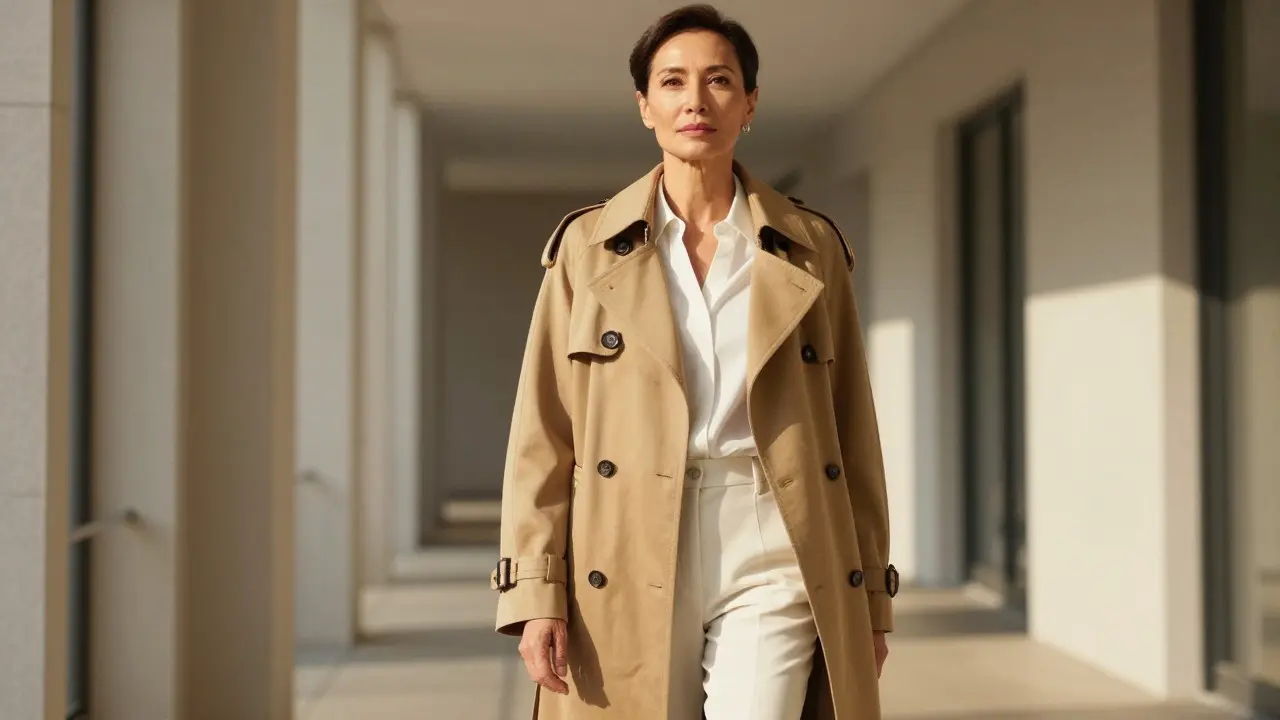
You know that feeling when you put on an outfit and suddenly your posture changes? Your shoulders drop, your chin lifts, and you walk a little faster. That’s the power of a true statement piece. It’s not just about being loud; it’s about being intentional. For too long, fashion advice has whispered that bold choices are reserved for the young or the reckless. But the truth is, a well-chosen focal item can anchor your entire look, adding depth and personality regardless of your birth year.
The secret isn’t in following trends blindly. It’s in understanding how specific garments interact with your body language and personal history. Whether you’re twenty-two or seventy-two, the goal remains the same: to feel powerful and polished. Let’s break down how to select, style, and own these pieces so they work for you, not against you.
Defining the Statement Piece
First, let’s clear up a common confusion. A statement piece is often mistaken for anything bright or busy. But that’s not quite right. A statement piece is the single element in your outfit that demands attention first. It acts as the visual anchor. Everything else supports it.
Think of your outfit like a sentence. The statement piece is the verb-it drives the action. If you wear a neon green blazer, patterned trousers, and chunky boots, you don’t have a statement piece; you have noise. You have three verbs fighting for dominance. To create a polished look, you need one strong focal point surrounded by neutral, supportive elements.
This rule applies universally. A young professional might use a structured leather jacket to signal authority in a creative agency. A retired teacher might use a vibrant silk scarf to add warmth and approachability to a casual brunch outfit. The function is identical: directing the viewer’s eye and expressing identity.
What exactly makes something a "statement piece"?
A statement piece is any clothing item or accessory that serves as the primary focal point of an outfit due to its color, texture, silhouette, or detail. It should be the first thing people notice, while the rest of the outfit remains relatively understated to avoid visual clutter.
The Psychology of Bold Choices
Why do we hesitate to wear bold items as we age? Often, it’s fear of judgment. We worry that wearing red lipstick or a sequined top will make us look like we’re trying too hard. But psychology suggests the opposite. Clothing affects not only how others see us but also how we see ourselves-a phenomenon known as "enclothed cognition."
When you wear something that feels authentic to your spirit, even if it’s unconventional, your confidence rises. This confidence translates into non-verbal cues that others pick up on. They perceive you as more competent, more interesting, and more self-assured. The key is authenticity. A statement piece must align with your internal narrative. If you’ve always been quiet and reserved, a sudden shift to punk rock spikes might feel dissonant. But if you’ve always loved structure, a sharply tailored oversized blazer might be the perfect evolution.
Consider the difference between "loud" and "powerful." Loudness shouts for attention through volume and chaos. Power commands attention through precision and intent. A simple black dress with a dramatic, architectural neckline is powerful. A dress covered in rhinestones from neck to hem is loud. Aim for the former. It ages better because it relies on design integrity rather than temporary sparkle.
Selecting Focal Items That Last
To build a wardrobe of ageless style, you need to choose pieces that transcend seasonal fads. Here are four categories of statement pieces that consistently deliver polish and power:
- The Structured Outerwear: A coat or jacket with strong shoulders, unique lapels, or an unexpected length. Think of a camel trench with exaggerated cuffs or a navy blazer with gold hardware. These pieces frame your face and upper body, drawing eyes upward.
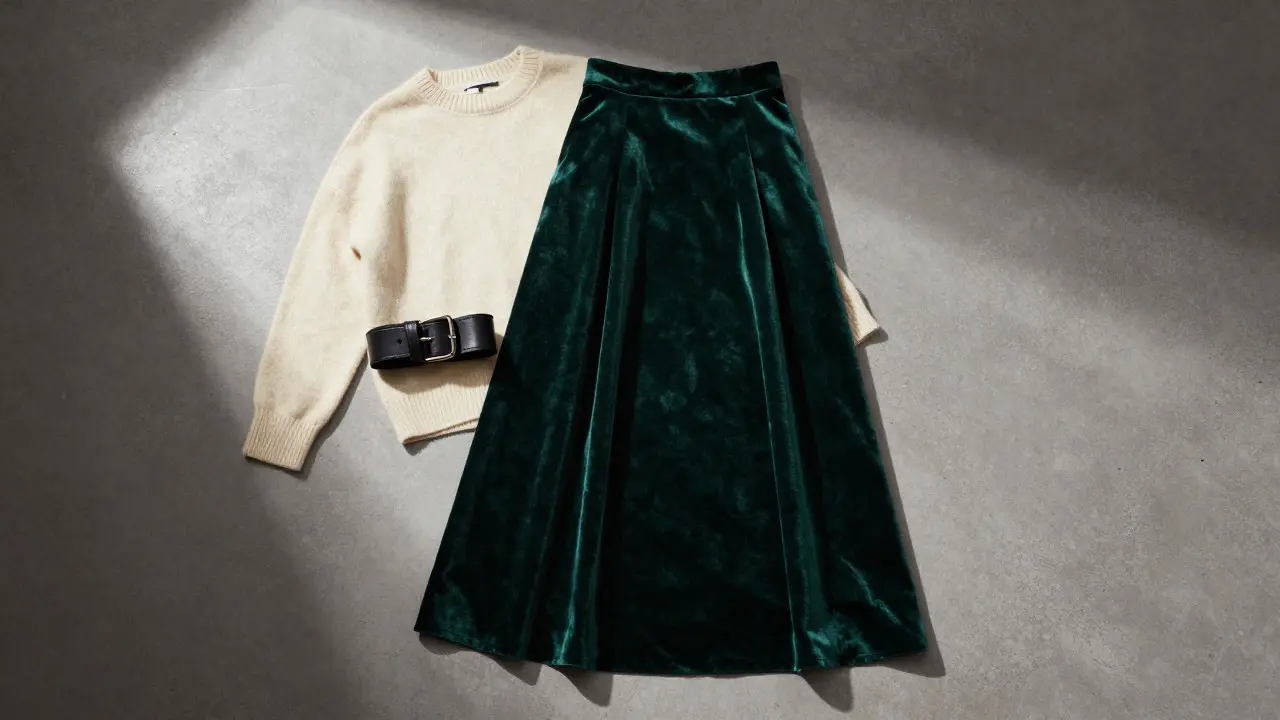
- The Textural Contrast: Velvet, shearling, leather, or heavy silk. Texture adds depth without needing color. A cream wool sweater paired with a deep emerald velvet skirt creates a sophisticated contrast that reads as expensive and thoughtful.
- The Strategic Color Block: Instead of all-over prints, try a single garment in a saturated hue. A cobalt blue midi dress or a burnt orange turtleneck. Solid colors are easier to integrate into existing wardrobes and less likely to clash with accessories.
- The Architectural Accessory: Large-scale jewelry, wide belts, or sculptural bags. These allow you to change your statement piece daily without investing in multiple high-cost garments. A wide leather belt over a long cardigan instantly defines the waist and adds edge.
Notice that none of these rely on logos or brand names. True style is silent about its price tag. It speaks through cut, fabric, and composition.
Styling Rules for Different Life Stages
While the principles remain constant, the execution might shift slightly depending on your current lifestyle and physical comfort needs. Here’s how to adapt:
In Your 20s and 30s: This is often a time of experimentation. You might lean into trend-led statement pieces, like cropped jackets or mini skirts with bold patterns. The goal here is discovery. Don’t be afraid to mix textures aggressively. Pair a denim jacket with a silk slip dress. Use sneakers with formal wear. The focus is on energy and versatility.
In Your 40s and 50s: As careers stabilize and bodies change, comfort becomes paramount without sacrificing chic. Shift toward quality over quantity. Invest in a perfectly fitted leather moto jacket rather than five fast-fashion alternatives. Focus on tailoring. A statement piece in this decade should emphasize structure. Wide-leg trousers with a tucked-in blouse and a bold geometric necklace create a powerful silhouette that flatters most body types.
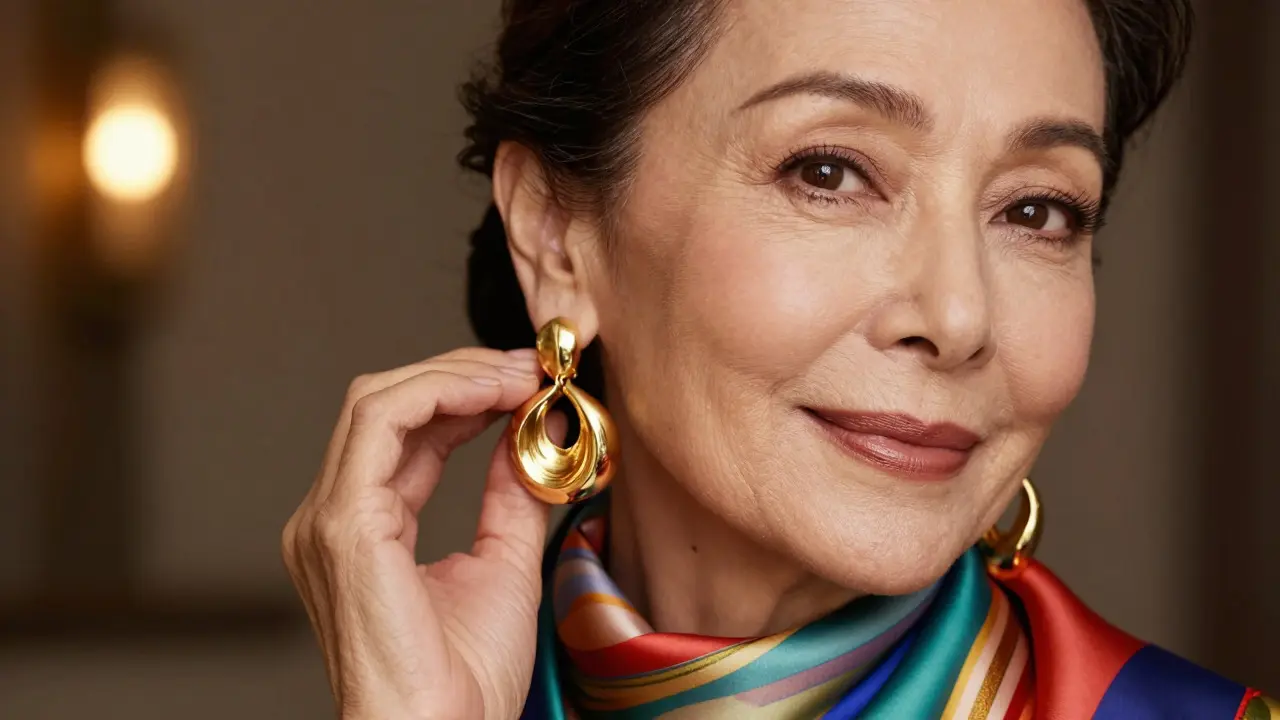
In Your 60s and Beyond: Elegance takes precedence. The statement piece should enhance your natural features. Bright scarves near the face can revive dull complexions. Statement earrings draw attention to the eyes and smile. Avoid overly tight fits; instead, opt for fluid lines and luxurious fabrics. A cashmere wrap coat in a rich jewel tone provides warmth and drama simultaneously. The message shifts from "look at me" to "admire my presence."
Avoiding Common Pitfalls
Even with the best intentions, styling statement pieces can go wrong. Here are three frequent mistakes and how to fix them:
- Over-accessorizing: If you’re wearing a graphic print dress, skip the large necklace and bold earrings. Choose delicate studs and a simple bracelet. Let the dress breathe.
- Ignoring Fit: No amount of polish can save a statement piece that doesn’t fit. An oversized blazer should look intentionally relaxed, not swallowed. Take it to a tailor. Hemming pants or taking in a waistline costs far less than buying new clothes and looks infinitely better.
- Clashing Colors: Stick to a limited palette. If your statement piece is multi-colored, pull one dominant color from it for your shoes or bag. This creates cohesion. For example, if your scarf has hints of teal, wear teal pumps. This ties the look together professionally.
Building Confidence Through Repetition
Wearing a bold item for the first time can feel vulnerable. You might catch yourself adjusting it constantly or wondering if everyone is staring. This is normal. The solution? Repeat it.
Style experts recommend wearing a new statement piece three times before considering it part of your regular rotation. The first time is for shock value. The second time is for adjustment. The third time is for ownership. By then, you’ve figured out which bottoms work best, which shoes complement it, and how to carry yourself in it. It stops being a costume and starts being a tool.
Start small if needed. If a full red suit feels intimidating, start with a red blazer over jeans. Once that feels comfortable, escalate to the full suit. Gradual exposure builds lasting confidence.
The Role of Grooming and Posture
Your clothing doesn’t exist in a vacuum. Grooming and posture complete the picture. A statement piece looks chaotic if your hair is unkempt or your nails are chipped. Conversely, a simple white tee and jeans look incredible if your skin glows and your posture is upright.
Focus on basics: clean lines, moisturized skin, and neat hair. You don’t need elaborate makeup. A tinted balm and mascara are enough to frame the face. When you wear a bold jacket, ensure your sleeves aren’t hiding your hands. Roll them up slightly to show wrists-it’s a subtle cue of openness and readiness.
Posture is the invisible accessory. Stand tall. Shoulders back. Chin parallel to the floor. This simple adjustment makes any outfit look more expensive and authoritative. It signals to the world that you belong there.
Final Thoughts on Ageless Style
Fashion is not a competition of youth. It’s a conversation of self-expression. Statement pieces are your vocabulary. Use them wisely. Choose items that resonate with your values, fit your body comfortably, and elevate your mood. Ignore the arbitrary rules about what you “should” wear at certain ages. Instead, ask yourself: Does this make me feel powerful? Does this look polished to me?
If the answer is yes, wear it. Own it. And watch how the world responds.
Can I wear more than one statement piece in an outfit?
Generally, no. Wearing multiple statement pieces often creates visual clutter and dilutes the impact of each item. Stick to one focal point-such as a bold jacket or colorful dress-and keep the rest of your outfit neutral and simple to maintain a polished look.
How do I choose a statement piece that suits my body type?
Focus on balance. If you have a larger lower body, draw attention upward with a statement top or scarf. If you have a smaller frame, avoid overwhelming volumes; opt for structured pieces like tailored blazers. Always prioritize fit over size, and consider how the piece frames your face and shoulders.
Are statement pieces appropriate for professional settings?
Yes, absolutely. In fact, they can enhance your professional image by conveying confidence and creativity. Choose refined statement pieces like a structured blazer in a unique color, a high-quality leather bag, or elegant geometric jewelry. Avoid overly casual or distracting items like neon colors or excessive sequins in conservative offices.
What if I’m afraid of looking too old or too young?
This fear is common but unfounded. Style is subjective. To bridge the gap, combine classic silhouettes with modern details. For example, pair a timeless trench coat with contemporary sneakers. This blend ensures you look current without chasing fleeting trends, creating an ageless aesthetic.
How often should I update my statement pieces?
Quality statement pieces should last for years. Update them only when they no longer fit, lose their shape, or no longer resonate with your personal style. Invest in timeless designs rather than seasonal trends to maximize longevity and reduce waste.