

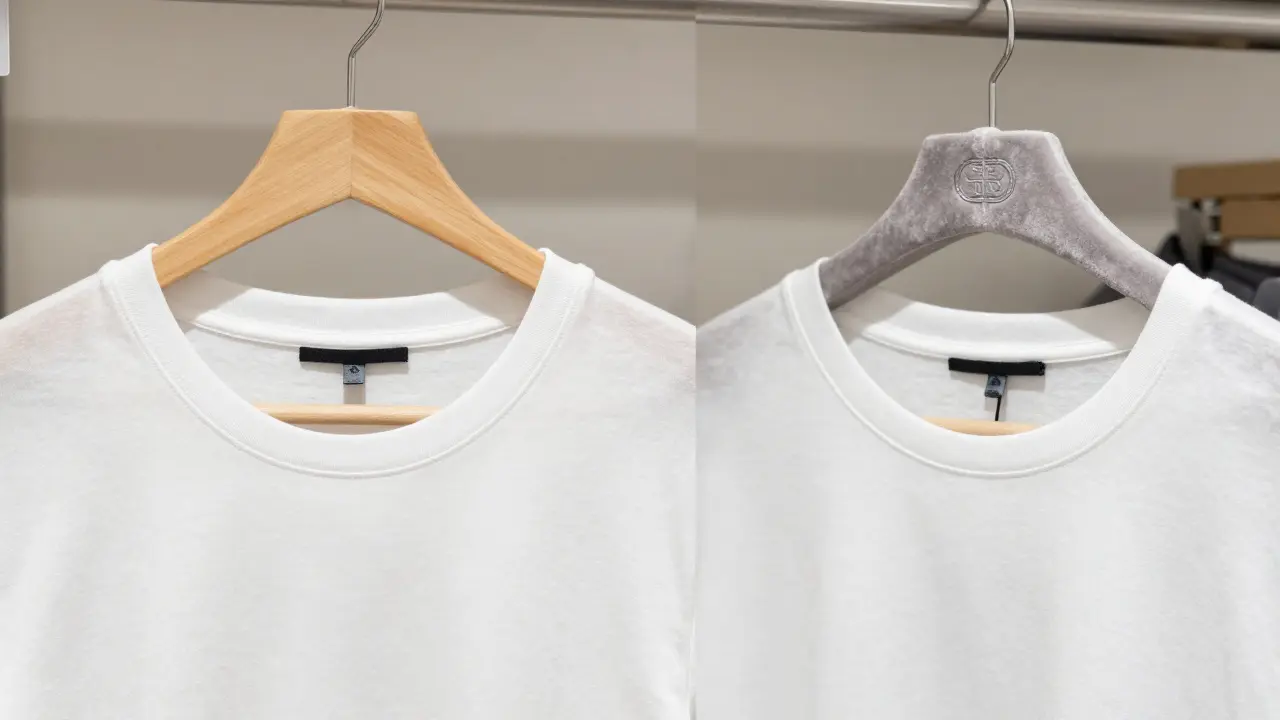
The Truth About Material Quality
When you look at a tag, you're seeing a recipe. Both store brands and diffusion lines rely heavily on synthetic blends to keep costs down, but they do it differently. A store brand like Gap or H&M often uses high-percentage polyester or viscose blends. Because they sell in massive volumes, they can afford to use a slightly higher grade of cotton in their "premium" lines that actually feels better than a diffusion line's "entry-level" piece. Diffusion lines often suffer from the "prestige trap." Because the brand name carries so much weight, they can sometimes get away with using lower-quality hardware-like plastic zippers that look like metal or glued-on sequins-because the customer assumes it's high-quality. If you've ever bought a diffusion piece only for the lining to rip after two wears, you've experienced this gap. In contrast, store brands have to compete on pure utility. If a $20 pair of pants falls apart in a month, the customer won't buy them again. There's a different kind of pressure on them to meet a baseline of durability.Construction and Craftsmanship
Construction is where the real difference shows up. If you flip a garment inside out, you can see the truth. Store brands often use overlock stitching-a fast, efficient way to finish seams. It's not "luxury," but it's functional. However, because they produce millions of units, their quality control can be wildly inconsistent. You might find one shirt with a perfect hem and another with a loose thread hanging from the sleeve. Diffusion lines generally have a tighter grip on the "look" of the garment. They focus on the silhouette and the drape to ensure the piece looks like it belongs in a fashion magazine. But don't confuse a good silhouette with a good build. Many diffusion lines outsource their manufacturing to the same factories as fast fashion brands. This means you're paying for the designer's vision of the cut, but the actual sewing might be just as rushed as a piece from a mall brand.| Feature | Store Brands (Private Label) | Designer Diffusion Lines |
|---|---|---|
| Pricing | Low to Mid-range | Mid to High-range |
| Primary Appeal | Affordability & Utility | Brand Prestige & Aesthetic |
| Material Sourcing | Mass-market synthetics/cottons | Blend of luxury and synthetic |
| Quality Control | Variable/Volume-driven | More consistent visual finish |
| Resale Value | Very Low | Moderate (depending on brand) |
Calculating Real Value: Cost Per Wear
To figure out which is a better deal, stop looking at the price tag and start looking at the Cost Per Wear (CPW). This is a simple formula: Price of item divided by the number of times you actually wear it. Let's say you buy a blazer from a store brand for $60. It's a standard cut, looks okay, and you wear it 30 times a year. Your CPW is $2. Now, let's say you buy a diffusion line blazer for $250. It has a sharper cut and a recognized logo. You wear it 100 times a year because it makes you feel more confident and fits better. Your CPW is $2.50. In this case, the diffusion line is slightly more expensive, but the value is in the confidence and the better fit. However, the math flips when the diffusion line is just a "logo play." If you spend $200 on a t-shirt from a diffusion line that shrinks in the first wash or goes out of style in six months, that's a bad investment. A $15 store-brand tee that you can replace every season without guilt often wins the value game for basics.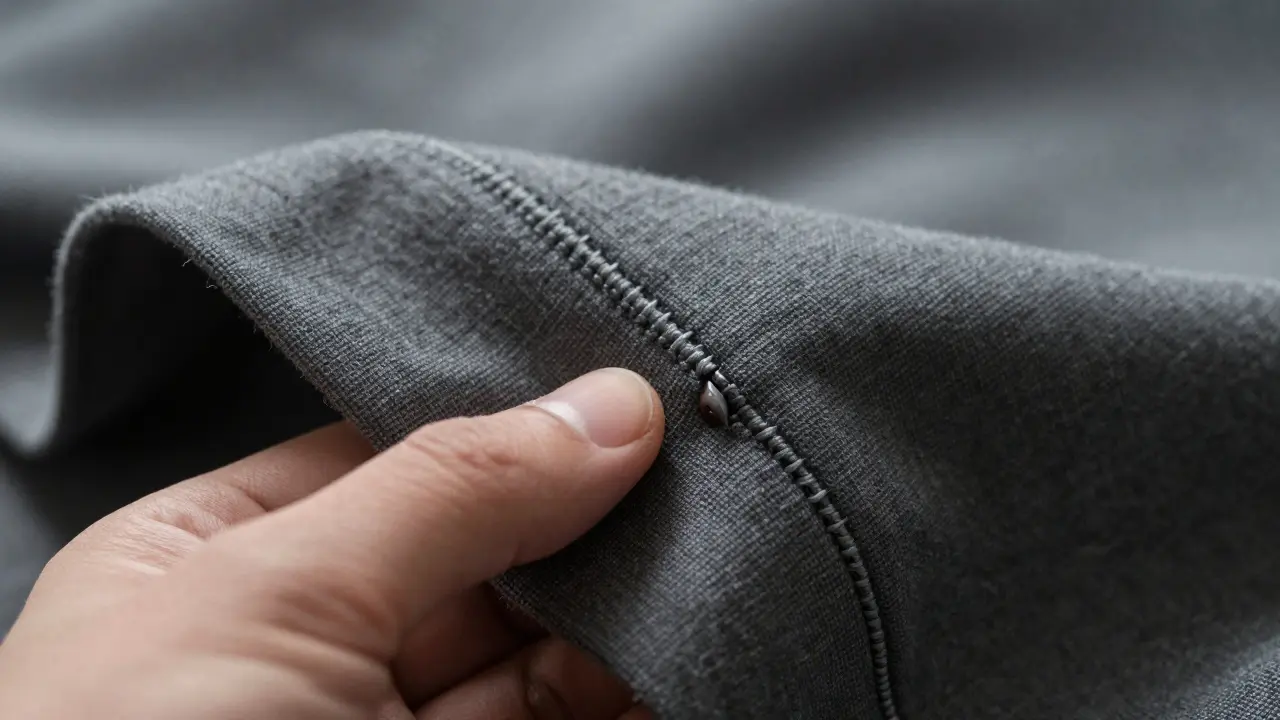
When to Choose Store Brands
Go for store brands when you are buying "canvas" pieces. These are the basics that don't require complex tailoring or unique fabrics. We're talking about white t-shirts, leggings, simple tank tops, and basic denim. These items are essentially commodities. There is very little functional difference between a $10 store-brand cotton tee and a $50 diffusion-line cotton tee. Store brands are also the way to go when you're experimenting with a new style. If you're not sure if you can actually pull off neon green trousers, don't drop $300 on a diffusion line. Spend $40 at a store brand. If you love them, you can then invest in a high-quality version later. This approach minimizes your financial risk while you build your personal style.When to Invest in Diffusion Lines
Diffusion lines shine when you need a "statement piece" that requires a specific design eye. This includes structured jackets, evening wear, or shoes. The designers behind diffusion lines usually have a better understanding of proportion and trend forecasting than a corporate team at a big-box retailer. If you need a piece for a professional event or a high-stakes social gathering, the diffusion line is usually the safer bet. Why? Because the cutting is typically superior. A jacket that actually hits your waist at the right spot and has a shoulder that doesn't droop is worth the extra money. You're paying for the architecture of the garment, not just the fabric. Plus, if you ever decide to sell your clothes on platforms like The RealReal or Poshmark, a diffusion line will actually hold some value, whereas a store brand usually sells for pennies.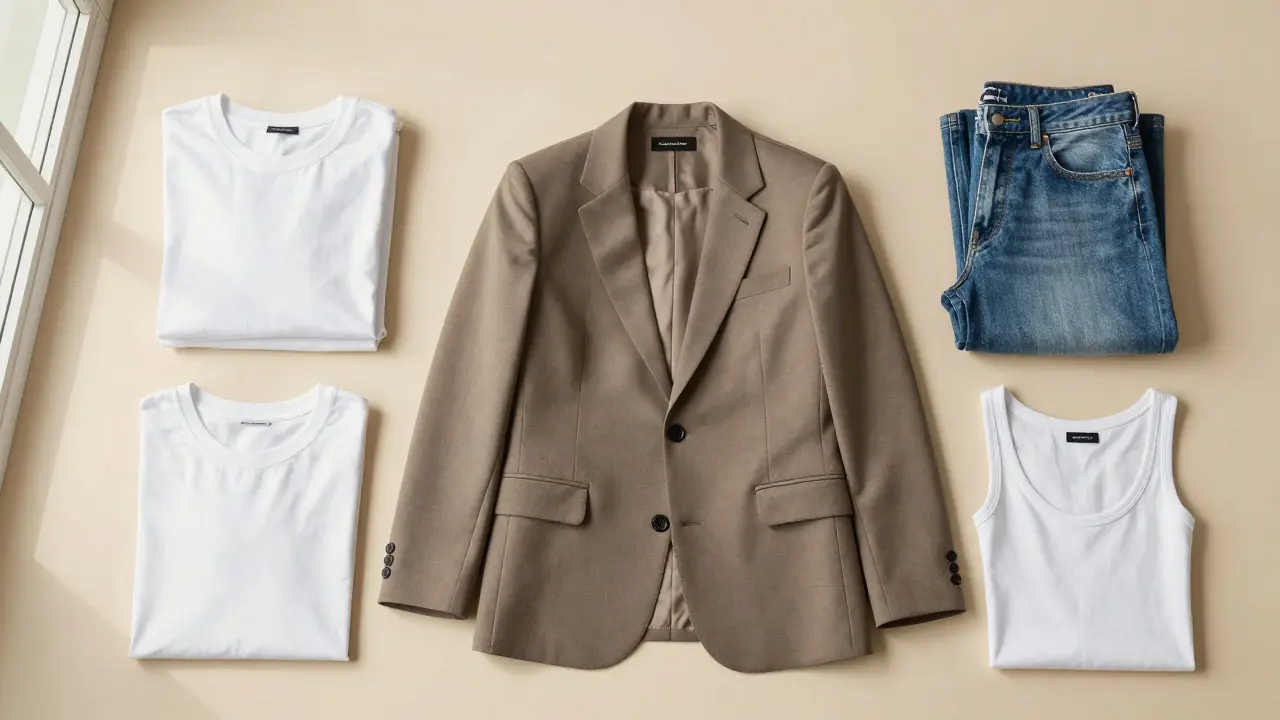
Avoiding the Budget Fashion Traps
Both options have pitfalls. The biggest trap with store brands is the "disposable mindset." Because they are so cheap, we tend to buy more than we need, which leads to clutter and waste. To avoid this, apply a 48-hour rule: if you want a cheap item, wait two days. If you're still thinking about it, buy it. This stops the impulsive "it's only $10" purchases that end up in a landfill. With diffusion lines, the trap is the logo. Many brands put a huge, obvious logo on a piece of clothing that is objectively poor quality. This is called "brand signaling." You are paying for the signal, not the shirt. Always check the fabric composition. If a diffusion line dress is 100% polyester but costs $400, you are paying for the name, not the material. Look for natural fibers like wool, silk, or organic cotton-even in budget-friendly lines-to ensure you're getting actual value.Do designer diffusion lines last longer than store brands?
Not necessarily. While they often have better initial shapes and cuts, diffusion lines sometimes use cheaper materials than the main luxury line to keep prices down. Depending on the brand, a high-quality store brand (like a premium line from a department store) can actually be more durable than a low-end diffusion piece.
What is the best way to tell if a garment is high quality?
Check the seams for loose threads and see if the fabric pulls easily. Look for "finished" seams (no raw edges) and check if the buttons are sewn on securely. Also, check the fabric composition on the tag; natural fibers generally last longer and feel better than high percentages of synthetic blends.
Are diffusion lines considered 'fast fashion'?
Many of them operate on a similar cycle to fast fashion, releasing new collections frequently to drive sales. While they have a luxury pedigree, their production methods often mirror the mass-market industry to maintain the lower price point.
Is it worth paying for a logo on a diffusion line?
Only if you value the social signaling or the resale potential. From a pure utility and quality standpoint, a logo adds zero value to how the garment performs or fits. If the quality is identical to a store brand, the logo is simply an expensive accessory.
Which is better for a capsule wardrobe?
A mix of both. Use store brands for the high-rotation basics (tees, tanks, socks) and invest in a few diffusion line pieces for the "anchor" items (a great blazer, a structured handbag, or tailored trousers) that define the look of your wardrobe.


Write a comment