

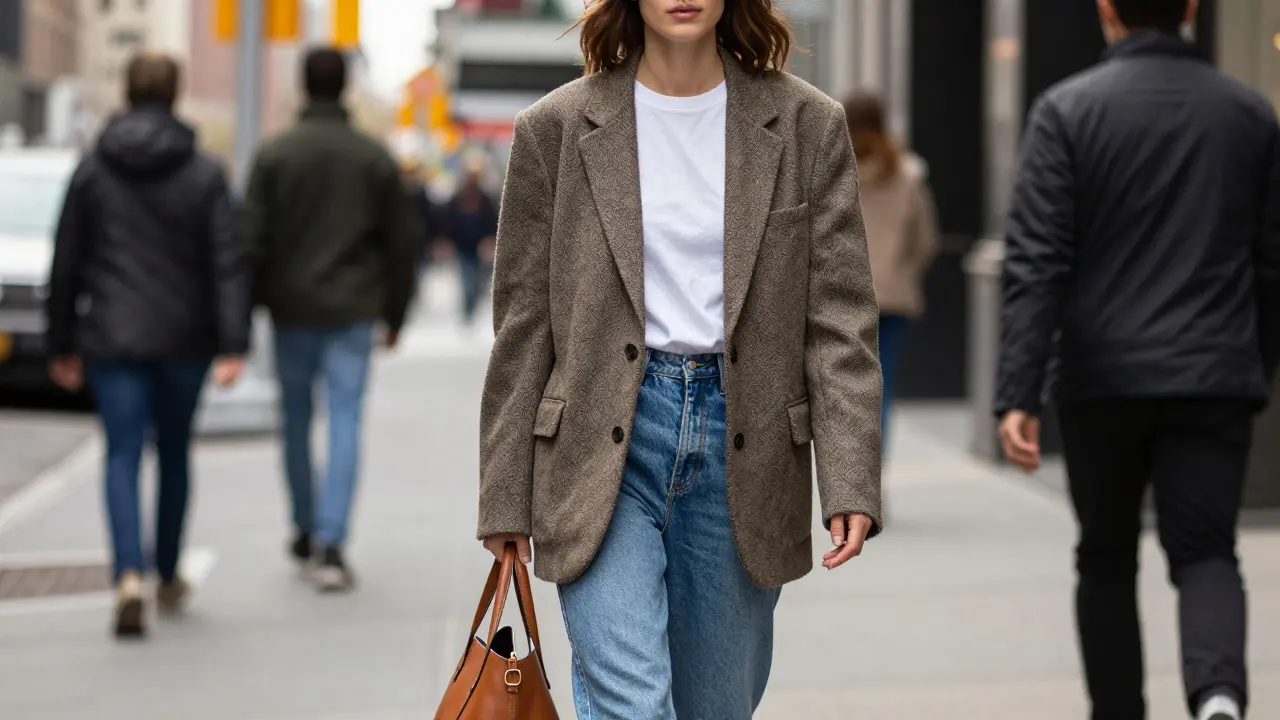
Have you ever walked past a fashion show recap on Instagram and thought, "I could never wear that"? You are not alone. The gap between what designers present on the runway and what we actually wear to buy coffee or attend meetings is massive. But here is the secret: you don't need to replicate a look exactly to benefit from it. Street style trend spotting is the practice of observing how people interpret high-fashion concepts in everyday settings. It’s about taking the energy, color, or silhouette of a runway piece and making it work for your actual life.
We are currently navigating a shift in how fashion moves. In the past, trends trickled down from Paris to your local mall over six months. Today, with social media, everything happens at once. This creates noise. To cut through it, you need a system for decoding these signals. Let’s break down how to read the room-whether that room is a catwalk in Milan or a sidewalk in New York-and translate those looks into something you’ll actually want to wear.
Decoding the Runway Message
Before you can translate a trend, you have to understand what the designer is actually saying. Runway shows are often exaggerated art pieces, not literal shopping lists. When you see a model walking in a giant, structured coat, the message isn’t necessarily "buy this exact coat." The message might be about volume, structure, or protection.
Look for the core element rather than the whole outfit. Is the trend about color? Maybe every model is wearing electric blue. Is it about texture? Perhaps there is a lot of sheer fabric or heavy wool. Is it about silhouette? Are pants getting wider or shorter? Identifying the core variable allows you to swap out the expensive, impractical runway version for a version that fits your budget and lifestyle.
For example, if the runway is full of oversized blazers, the core trend is "power shoulders" and "relaxed fit." You don’t need a $2,000 designer blazer. You might just need to find a thrifted jacket that hits below the hip and has padded shoulders. That is the essence of trend spotting: identifying the DNA of the look.
The Art of Subtraction
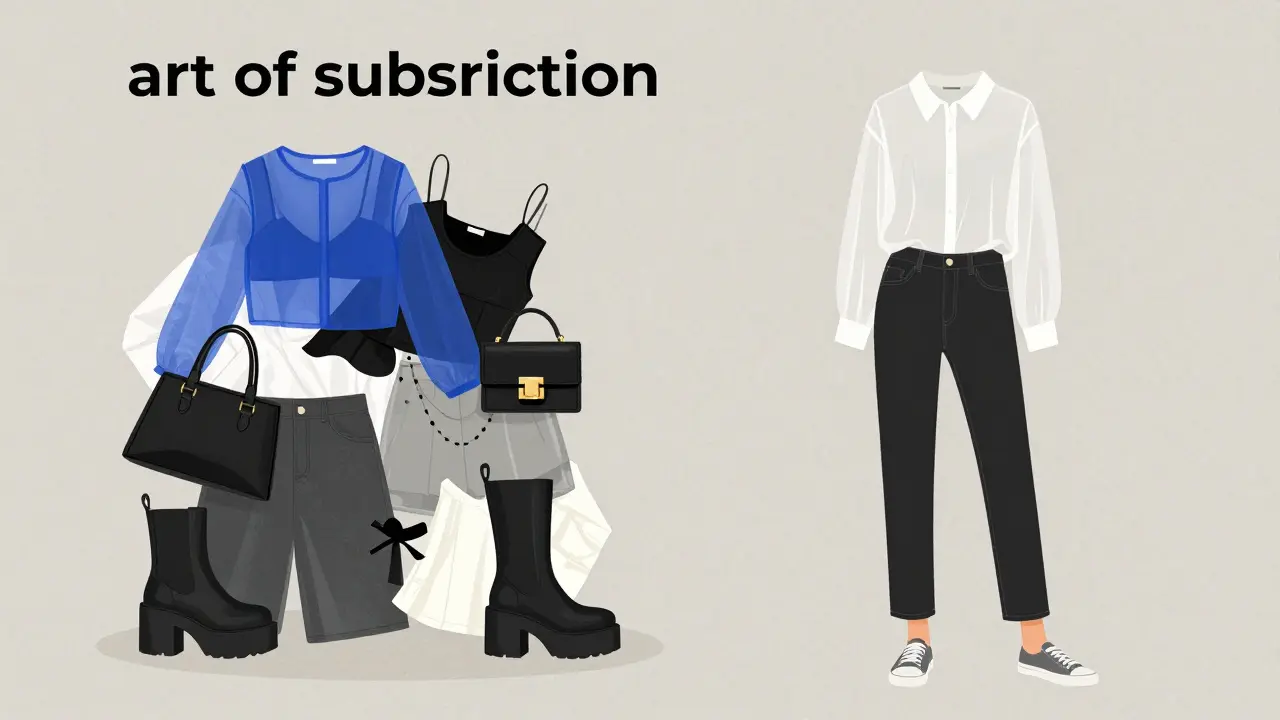
One of the biggest mistakes people make when trying to adopt runway trends is adding too much. If a runway look features wide-leg trousers, a cropped top, a statement bag, and platform boots, wearing all four elements at once can look like a costume. The key to real-life application is subtraction.
Pick one element to highlight and keep the rest of your outfit neutral. If you want to try the current trend of sheer layering, pair a sheer blouse with simple, opaque black jeans and flat sneakers. The sheer fabric gets the attention it deserves without overwhelming your frame. This approach makes the trend feel intentional rather than accidental.
Think of your wardrobe as a canvas. The runway trend is the paint. You don’t cover the entire canvas in bright neon; you use it as an accent. This rule applies to accessories too. If shoes are the trend focus, keep the clothes simple. If the clothes are bold, let the shoes breathe.
Contextualizing for Your Environment
Fashion does not exist in a vacuum. A look that works in a gallery opening in Brooklyn might not survive a commute on the subway or a day at an office job. Context is king. When spotting trends, ask yourself: where will I wear this?
If you work in a corporate environment, you cannot wear raw-hem denim skirts. But you can borrow the *idea* of raw edges by choosing a skirt with a slightly distressed finish or pairing a clean pencil skirt with a rugged, unfinished leather belt. This bridges the gap between professional expectations and personal expression.
Consider your daily activities. Do you carry a heavy laptop? Then oversized tote bags are practical, while tiny micro-bags are not. Do you live in a city with unpredictable weather? Layering becomes more than just a trend; it’s a necessity. Use the runway’s suggestion of layered textures but choose materials that protect you from rain or wind.
| Runway Element | Core Trend Signal | Real-Life Translation |
|---|---|---|
| Oversized Tailoring | Volume and Structure | A thrifted blazer worn over a t-shirt and jeans |
| Sheer Fabrics | Layering and Texture | A mesh long-sleeve shirt under a solid tank top |
| Platform Boots | Elevation and Edge | Chunky loafers or thick-soled sneakers |
| Bright Color Blocking | Vibrancy and Contrast | A colorful scarf or socks with neutral clothing |
Sourcing Affordable Alternatives
You do not need to shop at luxury department stores to participate in trends. In fact, some of the best street style comes from mixing high-end inspiration with low-cost execution. Fast fashion retailers often copy runway shapes quickly, but the quality suffers. Instead, look for secondhand options or versatile basics.
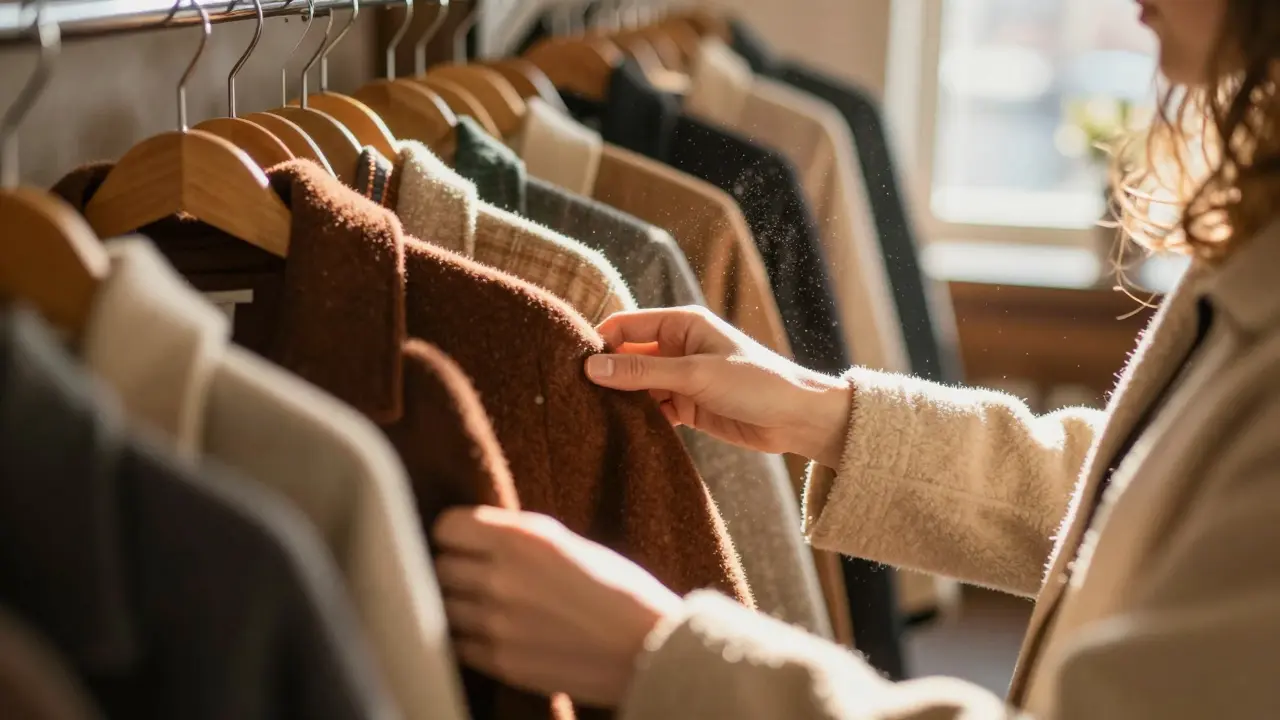
Thrift stores are goldmines for silhouette hunting. You might not find the exact brand shown on the runway, but you can find the same cut, length, or fabric weight. A vintage wool coat from the 90s might perfectly capture the "structured outerwear" trend seen in recent collections. Plus, it costs a fraction of the price and is more sustainable.
If you prefer buying new, focus on investment pieces that align with multiple trends. A well-cut white button-down shirt can be styled in dozens of ways depending on the current trend. Tuck it into wide-leg pants for a modern look, or leave it loose over a slip dress for a relaxed vibe. Versatility is the ultimate goal of smart trend spotting.
Building a Personal Filter
Not every trend is right for you, and that is okay. Part of developing your style is learning to ignore what doesn’t resonate. Create a personal filter based on three criteria: comfort, confidence, and compatibility.
Comfort means physical ease. If a trend requires you to constantly adjust your clothes or restricts your movement, it will fail in real life. Confidence means emotional ease. If you feel silly wearing a certain item, no amount of styling will fix that feeling. Compatibility means it fits your existing wardrobe. Does this new piece work with at least three other items you already own? If not, it might be a impulse buy rather than a strategic addition.
Use social media wisely. Follow accounts that showcase real people wearing trends, not just models. Look for hashtags like #OOTD (Outfit of the Day) or #StreetStyle combined with your city name. Seeing how locals adapt trends gives you concrete ideas that are geographically and culturally relevant.
The Role of Accessories
Accessories are the easiest entry point for trend adoption. They are low-risk and high-impact. If you are hesitant to buy a whole new outfit, start with a bag, a pair of sunglasses, or jewelry.
If metal hardware is trending, swap your plastic zippers for metallic ones. If mini bags are popular, use them for evenings out when you only need essentials. Accessories allow you to test the waters. If you find yourself reaching for that trendy item every week, consider investing in a larger piece that complements it. If it sits in your closet, you haven’t lost much money.
Don’t forget footwear. Shoes define the tone of an outfit. A delicate dress paired with combat boots sends a completely different message than the same dress with sandals. Use footwear to ground airy or experimental runway looks in reality.
Maintaining Longevity
Trends cycle, but good style endures. The goal of street style trend spotting is not to chase every fleeting whim but to enrich your personal aesthetic. Focus on trends that enhance your natural shape and preferences.
If you love color, embrace the seasonal color palettes but stick to shades that complement your skin tone. If you prefer minimalism, look for trends in texture and cut rather than pattern and print. By filtering trends through your personal lens, you create a cohesive look that evolves naturally over time.
Remember, fashion is a form of self-expression. The runway provides the vocabulary, but you write the sentence. Don’t be afraid to mix old favorites with new discoveries. The most interesting street styles often come from unexpected combinations that reflect individuality rather than conformity.
How do I know if a runway trend is worth adopting?
Ask yourself if the trend adds value to your existing wardrobe. If it introduces a new silhouette, color, or texture that you enjoy, it’s worth exploring. Avoid trends that require you to discard half your closet or compromise your comfort. Look for versatility-can you style it in at least three different ways?
Can I wear runway trends to a conservative workplace?
Yes, by focusing on subtle elements. Instead of wearing a full avant-garde outfit, incorporate one trend through accessories or fit. For example, if wide-leg pants are trending, choose a tailored version in a neutral color. Keep the rest of the outfit classic and professional.
Where can I find affordable versions of runway trends?
Thrift stores, consignment shops, and online resale platforms are excellent sources. Look for similar silhouettes and fabrics rather than exact brands. Additionally, mid-range retailers often release trend-inspired pieces at lower price points. Focus on the shape and material, not the logo.
How do I avoid looking like I’m trying too hard?
Balance is key. Pair one trendy item with several timeless basics. If you wear a bold, statement piece, keep the rest of your outfit simple and understated. Confidence also plays a role-wear the item because you like it, not just because it’s popular.
What should I do if a trend doesn’t suit my body type?
Skip it. Trends are suggestions, not rules. Fashion is about enhancing your unique features, not conforming to a specific ideal. If a trend highlights areas you dislike or feels uncomfortable, move on to the next one. There are always other ways to express current styles.