

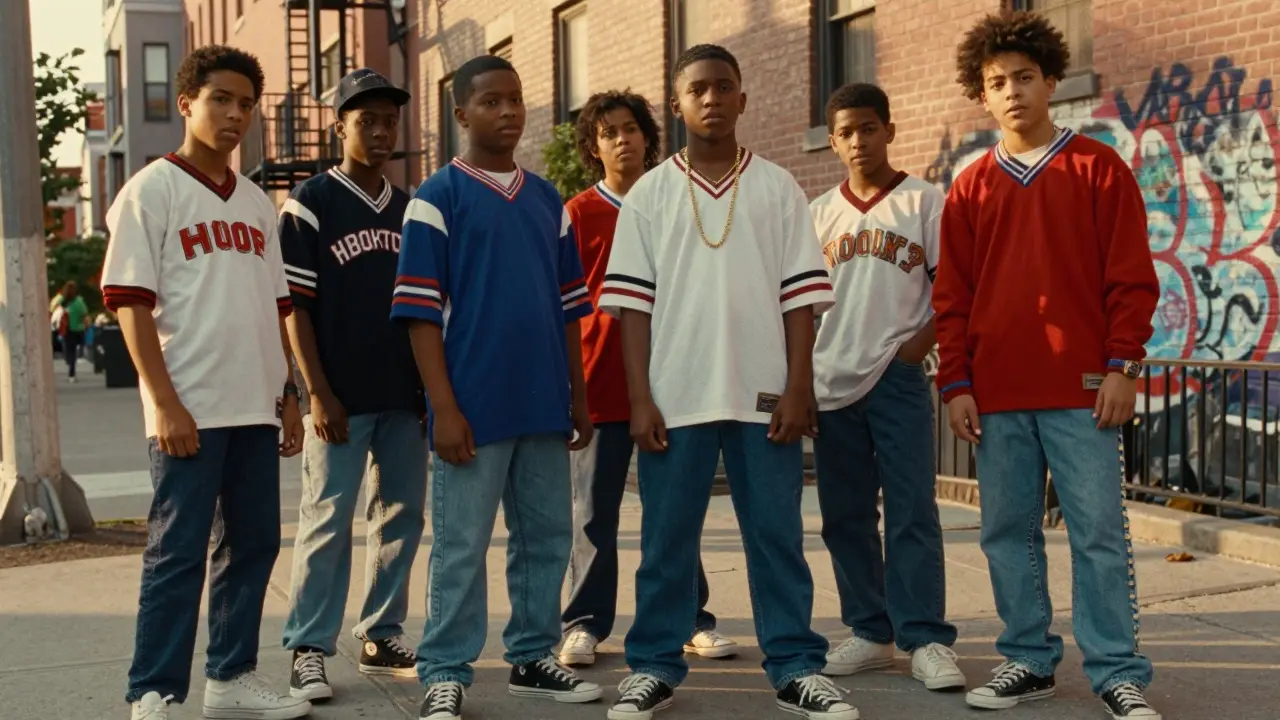
Picture this: it’s 1986 in Brooklyn. You’re not seeing high-fashion runways or tailored suits. Instead, you see kids wearing oversized jerseys, baggy jeans, and fresh sneakers that cost more than a week’s groceries. This wasn’t just clothing; it was a statement. It was streetwear, a subculture of casual clothing that originated from skateboarding, surf, and hip-hop scenes in the 1980s and 1990s. Today, that same energy drives billion-dollar brands and dictates what people wear on the red carpet. But how did we get here? And more importantly, if you want to rock this look without looking like you’re trying too hard, what do you actually need to know?
Streetwear isn’t just about buying expensive logos. It’s about attitude, comfort, and a deep connection to music and art. Whether you’re stepping out in Seattle rain or hitting the streets of Tokyo, understanding the core elements of urban fashion helps you build a wardrobe that works for your life, not just for Instagram.
The Hip-Hop Foundation: Where It All Started
You can’t talk about streetwear without talking about hip-hop. In the late 1970s and early 1980s, hip-hop culture exploded in New York City. The music was raw, the dance was energetic, and the clothes had to keep up. Early adopters like Run-D.M.C. didn’t just wear Adidas; they made them iconic by removing the laces and wearing them with gold chains. This was the birth of brand loyalty as a cultural signal.
Run-D.M.C. is an American hip hop group formed in 1983, widely considered one of the most influential acts in the history of the genre. They proved that sneakers could be high fashion before the term even existed. Meanwhile, in California, skaters were pulling from workwear brands like Dickies and Carhartt because these clothes were durable enough for falls and grinds. These two worlds-hip-hop’s flash and skate’s function-merged to create the blueprint for modern street style.
- Hip-Hop Influence: Bold logos, tracksuits, gold jewelry, and name-brand sneakers (Nike, Adidas).
- Skate Influence: Baggy silhouettes, durable fabrics, graphic tees, and functional footwear (Vans, Etnies).
- Surf Influence: Relaxed fits, board shorts, and a laid-back aesthetic from Southern California.
This mix created a unique language. If you wore the right shoes, you knew the music. If you had the right jacket, you knew the scene. That sense of belonging is still at the heart of streetwear today.
Core Elements of Streetwear Style
So, what makes an outfit "streetwear"? It’s not just one thing. It’s a combination of specific pieces that prioritize comfort, branding, and versatility. Here are the non-negotiables you need to understand.
1. The Silhouette: Oversized is Key
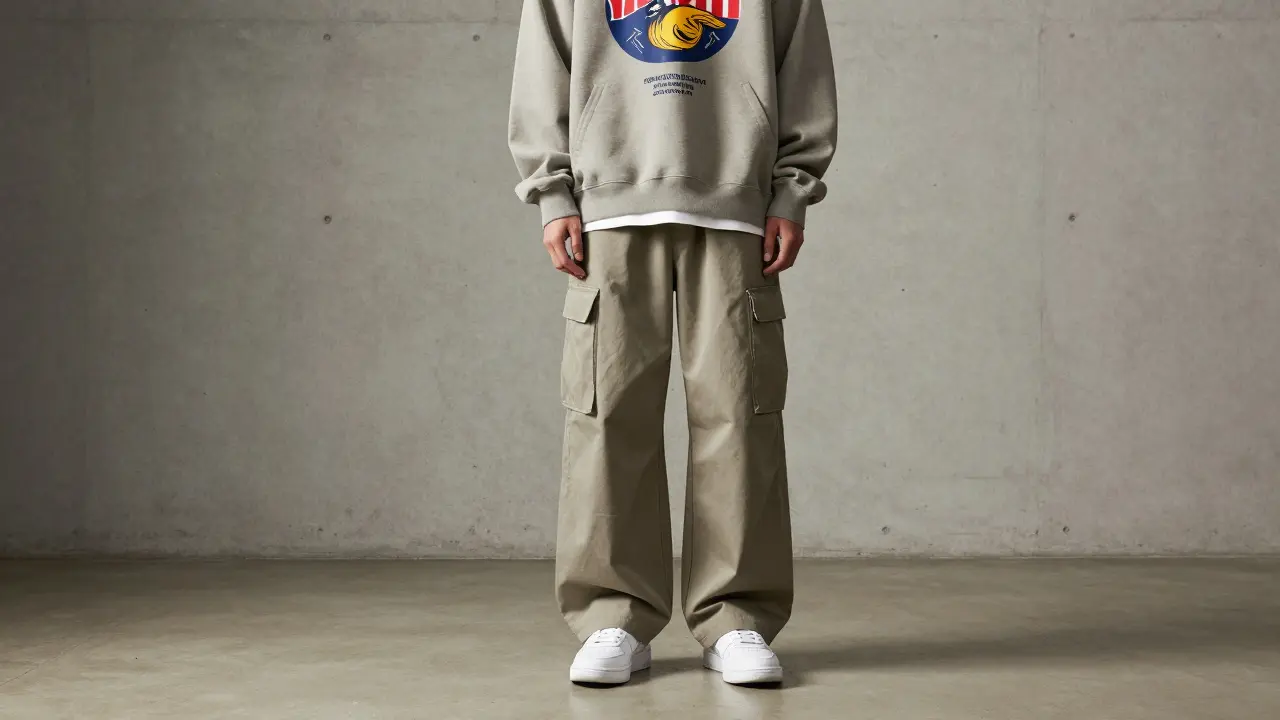
Gone are the days of skin-tight jeans. Streetwear loves volume. An oversized hoodie layered over a long-sleeve tee, paired with wide-leg cargo pants or baggy denim, creates that relaxed, effortless vibe. The trick is balance. If your top is huge, keep your bottoms slightly looser but not drowning you. Think "structured slouch," not "sack." Brands like Supreme is an American skateboarding and streetwear company founded in 1994 in New York City. mastered this by offering boxy fits that looked good whether you were skating or standing still.
2. Footwear: The Anchor of the Outfit
Your shoes tell the story. In streetwear, sneakers aren’t an accessory; they’re the foundation. Whether it’s a classic pair of Air Force 1s, Yeezys, or obscure skate shoes, your kicks dictate the rest of the fit. Clean white sneakers offer versatility, while bold colorways make a statement. Always keep them clean. Scuffed shoes kill the vibe instantly.
| Brand | Iconic Model | Best For |
|---|---|---|
| Nike | Air Force 1 / Dunk Low | Classic, everyday wear |
| Adidas | Yeezy Boost / Superstar | Trend-focused, comfort |
| Vans | Old Skool / Sk8-Hi | Skate heritage, casual |
| New Balance | 550 / 990 Series | Retro dad shoe trend |
3. Graphics and Logos: Speak Without Words
Streetwear uses graphics to communicate affiliation. A Supreme box logo, a BAPE camo pattern, or a vintage band tee signals where you stand culturally. However, less is often more. One bold piece-like a graphic hoodie or a branded cap-can carry the whole outfit. Avoid wearing head-to-toe logos unless you’re going for a specific maximalist look.
4. Layering: Depth and Texture
Layering adds visual interest and practicality. Start with a base layer (tee), add a mid-layer (hoodie or flannel), and finish with an outer layer (denim jacket, bomber, or puffer). This technique works especially well in cooler climates like Seattle. It also allows you to adapt to changing temperatures throughout the day.
From Niche to Mainstream: The Evolution
In the 2000s, streetwear started bleeding into high fashion. Designers like Pharrell Williams and Kanye West bridged the gap between underground culture and luxury runways. By the 2010s, collaborations between luxury houses and streetwear brands became common. Louis Vuitton x Supreme in 2017 was a watershed moment. It signaled that streetwear wasn’t just for kids anymore; it was for everyone.
This shift changed the market. Prices went up, drops became harder to get, and hype culture intensified. But the core spirit remained: self-expression. Even as streetwear entered malls and department stores, enthusiasts kept pushing boundaries with DIY customizations, thrifted finds, and local brand support.
Building Your Streetwear Wardrobe on a Budget
You don’t need to spend thousands to look good. In fact, some of the best streetwear comes from secondhand stores and outlet racks. Here’s how to build a solid foundation without breaking the bank.
- Start with Basics: Invest in quality plain tees, black jeans, and a neutral hoodie. These are versatile and easy to mix.
- Hunt for Thrift Gems: Vintage sports jerseys, old-school band tees, and worn-in denim have character that new items lack. Check local thrift stores or online platforms like Depop and Grailed.
- Focus on Shoes: Buy one pair of great sneakers rather than three mediocre ones. Look for sales or last-season colors.
- Accessories Matter: A simple beanie, a crossbody bag, or a watch can elevate a basic outfit. These items are cheaper than jackets but add significant style points.
- Customize: Add patches, paint, or distressing to plain items. Make them yours. This aligns with the original DIY ethos of streetwear.
Remember, confidence is the best accessory. Wear what makes you feel comfortable and authentic. Streetwear is about being true to yourself, not following trends blindly.
Modern Trends and Future Directions
As we move through 2026, streetwear continues to evolve. Sustainability is becoming a major focus. Brands are using recycled materials, reducing waste, and promoting ethical labor practices. Consumers care more about where their clothes come from. This shift means streetwear is no longer just about hype; it’s about responsibility.
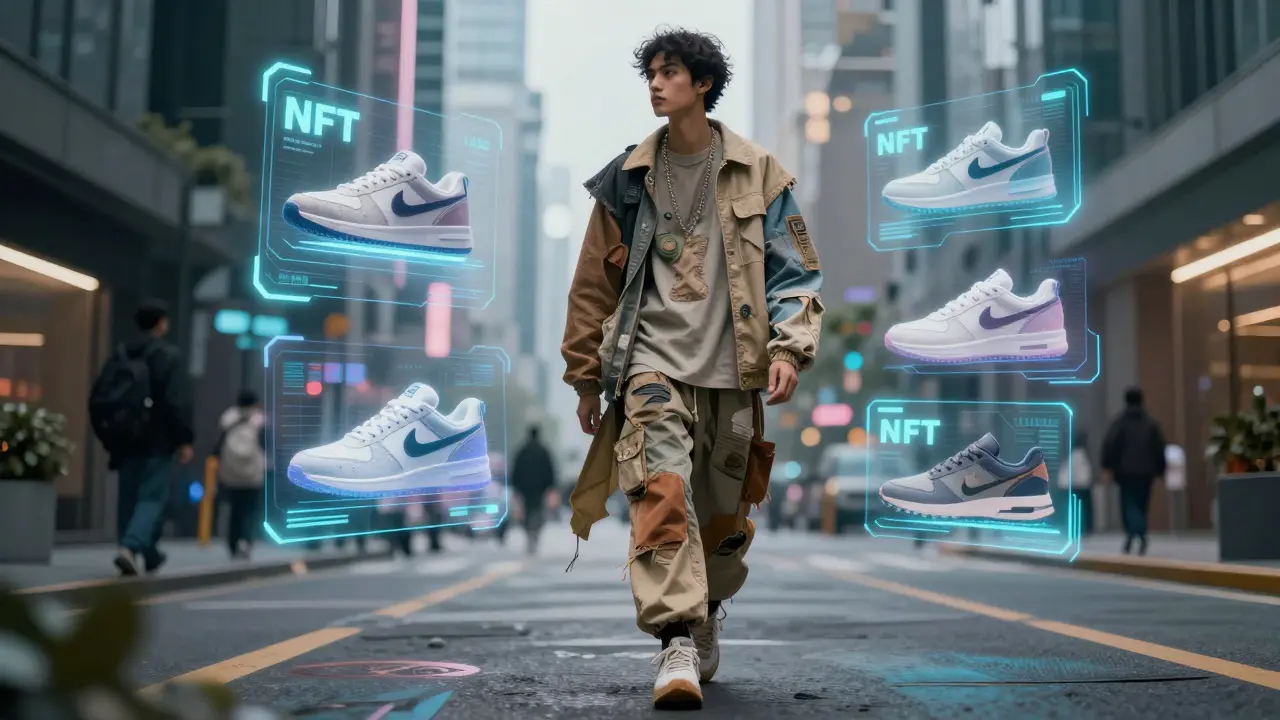
Digital fashion is also rising. Virtual sneakers and NFTs allow fans to own exclusive items without physical clutter. While this might seem disconnected from real-world style, it reflects the digital-native mindset of younger generations. Expect to see more integration between physical and digital wardrobes in the coming years.
Additionally, gender-neutral designs are gaining traction. Streetwear has always been somewhat unisex, but brands are now intentionally creating collections that anyone can wear. This inclusivity expands the audience and encourages creative mixing of styles.
Common Mistakes to Avoid
Even seasoned style enthusiasts slip up. Here are pitfalls to watch out for:
- Overdressing: Streetwear should look effortless. If you spend an hour styling, it might be too much. Aim for "I threw this on" vibes.
- Ignoring Fit: Oversized doesn’t mean ill-fitting. Clothes should hang properly, not drag on the floor or restrict movement.
- Chasing Hype Blindly: Don’t buy something just because it’s popular. Ask yourself if it fits your personal style and lifestyle.
- Neglecting Grooming: Clean clothes mean nothing if hygiene is off. Keep hair neat, nails trimmed, and clothes fresh-smelling.
Avoiding these mistakes ensures your streetwear game stays strong and authentic.
What is the difference between streetwear and urban fashion?
While often used interchangeably, streetwear specifically refers to casual clothing rooted in skate, surf, and hip-hop cultures, emphasizing brands, graphics, and sneakers. Urban fashion is a broader term that can include any stylish clothing worn in city environments, potentially incorporating more formal or diverse influences beyond the core streetwear ethos.
How do I start a streetwear collection on a budget?
Begin with versatile basics like plain tees, dark jeans, and a neutral hoodie. Shop thrift stores for vintage pieces with character. Focus on one pair of high-quality sneakers. Prioritize fit and condition over brand names. Customize items to make them unique without spending extra money.
Are streetwear brands sustainable?
Traditionally, many streetwear brands prioritized hype over sustainability. However, in 2026, there is a significant shift toward eco-friendly materials, ethical manufacturing, and circular fashion models. Look for brands that transparently share their supply chain information and use recycled fabrics. Supporting smaller, local brands often yields more sustainable options.
Can women wear traditional men's streetwear?
Absolutely. Streetwear has always been largely gender-neutral. Many women embrace oversized fits, sneakers, and graphic tees as part of their daily style. The key is finding proportions that work for your body type and personal comfort level. Gender-fluid fashion is a growing trend within the streetwear community.
What role does social media play in streetwear today?
Social media accelerates trends and democratizes access to style inspiration. Platforms like Instagram and TikTok allow users to discover niche brands and share outfits globally. However, it can also fuel consumerism and hype culture. Use social media for inspiration, but maintain your individual style identity rather than copying every viral trend.