

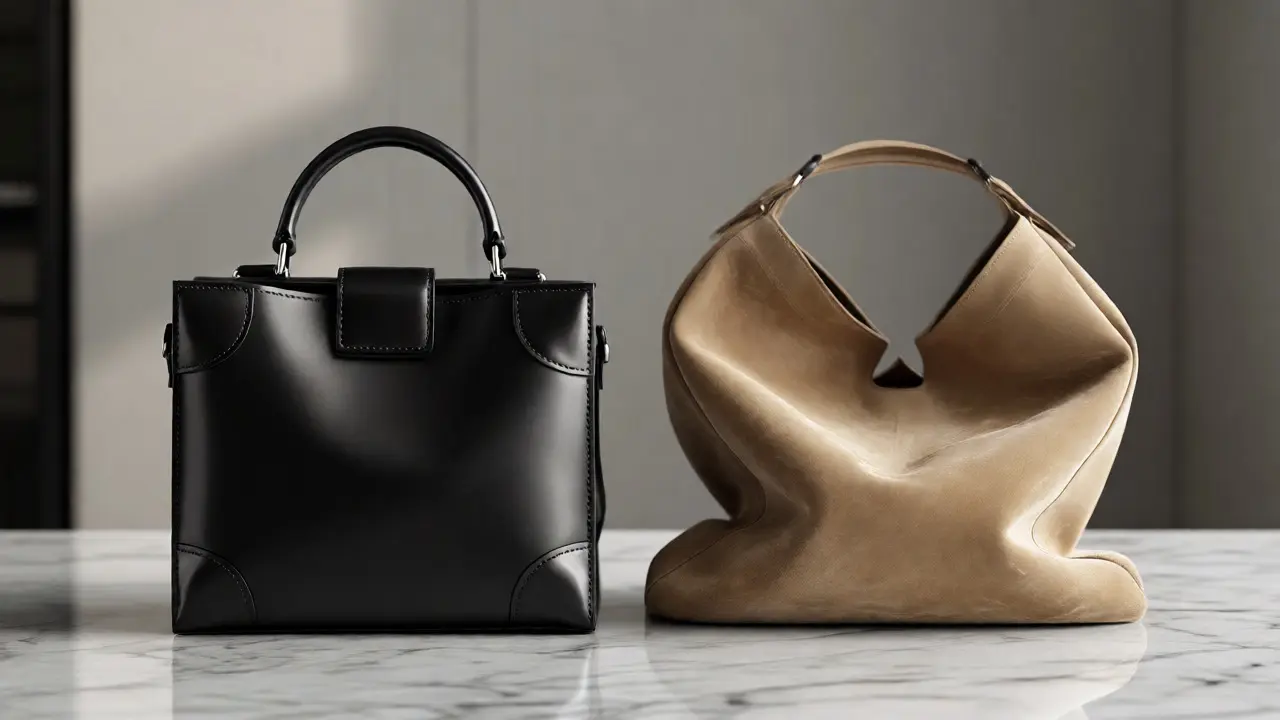
You know that feeling when you put on a perfectly tailored blazer and crisp trousers, but something still feels off? You look in the mirror, and your outfit looks... flat. Then you swap your slouchy tote for a rigid boxy clutch, and suddenly, you look sharp, intentional, and polished. It’s not magic; it’s geometry.
Most people obsess over color coordination or brand names, but they ignore the most powerful tool in their accessory arsenal: bag shape. Whether your bag is structured or relaxed dictates how the world perceives your professionalism, creativity, and attention to detail. A structured bag signals order and precision, while a relaxed bag suggests ease and approachability. Choosing the wrong one can undermine even the best-dressed ensemble.
What Defines Structured vs. Relaxed Bags?
Before we talk about outfits, let’s define the players. These aren’t just vague vibes; there are physical characteristics that separate them.
A structured bag is defined by its ability to hold its own shape without support. Think of a leather satchel that stands upright on a table, or a top-handle bag with reinforced corners. The materials are usually stiff-full-grain leather, thick canvas, or molded plastic. The construction involves internal frames, heavy stitching, and often lining that adds rigidity.
| Feature | Structured Bag | Relaxed Bag |
|---|---|---|
| Shape Retention | Holds form independently | Collapses when empty |
| Common Materials | Box calf, saffiano, patent leather | Nappa, suede, soft cotton, jersey |
| Vibe | Professional, formal, precise | Casual, bohemian, effortless |
| Best For | Suits, minimalism, office wear | Denim, linen, oversized knits |
On the flip side, a relaxed bag (or unstructured bag) relies on gravity and contents to define its shape. A slouchy hobo bag or a canvas tote falls into this category. When empty, it looks like a deflated balloon. The materials are soft and pliable, designed to drape against your body rather than stand apart from it.
The Psychology of Silhouette
Why does shape matter so much? Human brains process visual information quickly, and silhouettes are a primary cue. A structured bag creates clean lines and right angles. These geometric shapes trigger associations with stability, reliability, and control. When you carry a rigid frame bag, you visually reinforce the idea that you have your life together. It complements tailored clothing because both rely on architectural precision.
Conversely, curved, flowing lines in relaxed bags signal flexibility and comfort. They soften the overall look. If you’re wearing a sharp power suit, a slouchy bag might feel discordant because the softness clashes with the hardness of the tailoring. But if you’re wearing a chunky knit sweater, that same slouchy bag harmonizes with the texture and volume.
Consider the concept of "visual weight." A structured bag often appears lighter visually because its edges are defined. A large, dark, slouchy bag can look heavy and bulky, dragging down an outfit. This isn’t about actual weight; it’s about optical density. A small, hard-shell case can look more substantial and expensive than a larger, floppy pouch simply because the eye can easily parse its boundaries.
Matching Bag Structure to Your Wardrobe
The golden rule here is balance, but not necessarily matching. You don’t need to pair a structured bag only with structured clothes. In fact, contrast can be stylish if done intentionally. However, for most daily outfits, alignment works best.
When to Choose a Structured Bag
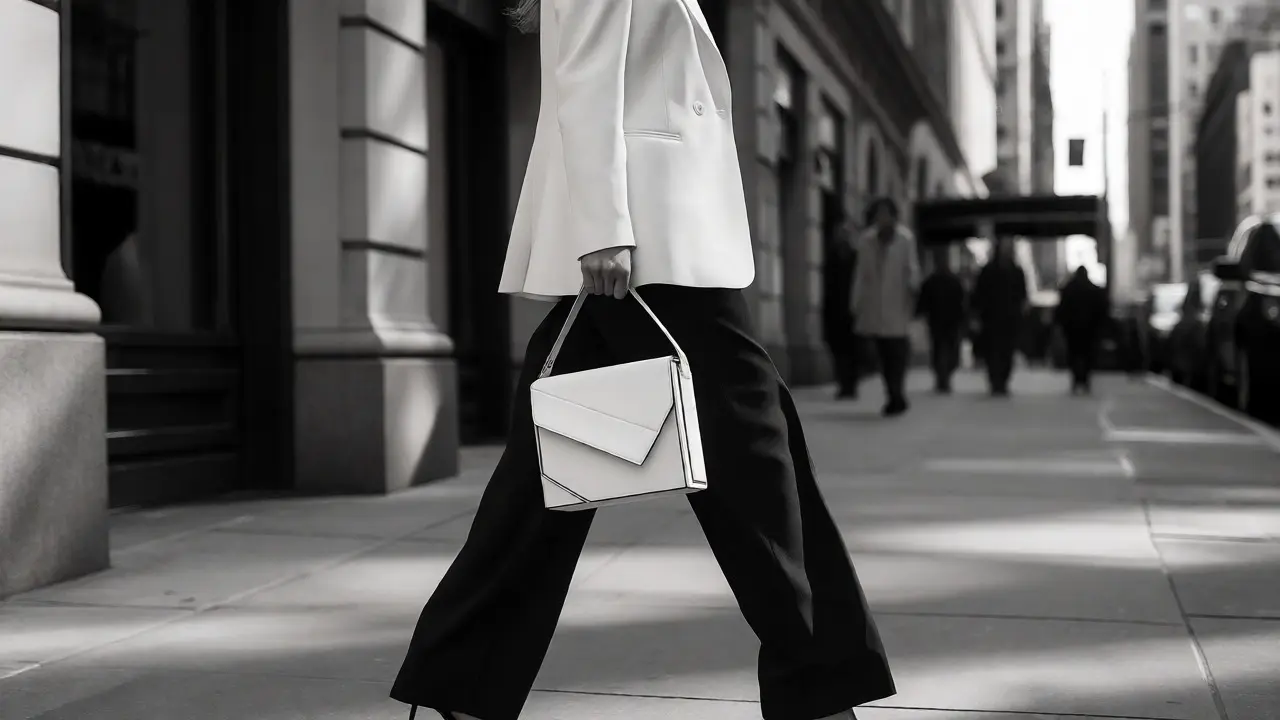
If your outfit features sharp tailoring, go for structure. A blazer, pencil skirt, or wide-leg trousers with a crease all benefit from a bag that mirrors their crispness. Imagine a monochrome black outfit. Pairing it with a glossy, rectangular top-handle bag creates a sleek, modern aesthetic. The bag acts as a punctuation mark-firm and decisive.
This also applies to minimalist wardrobes. If you stick to neutral tones and simple cuts, a structured bag adds interest through its architecture. A geometric crossbody or a boxy mini-bag becomes the focal point because the rest of the outfit is quiet. Brands like Hermès with their Kelly or Birkin models are the ultimate examples here; their fame comes largely from their iconic, unyielding shapes.
When to Choose a Relaxed Bag
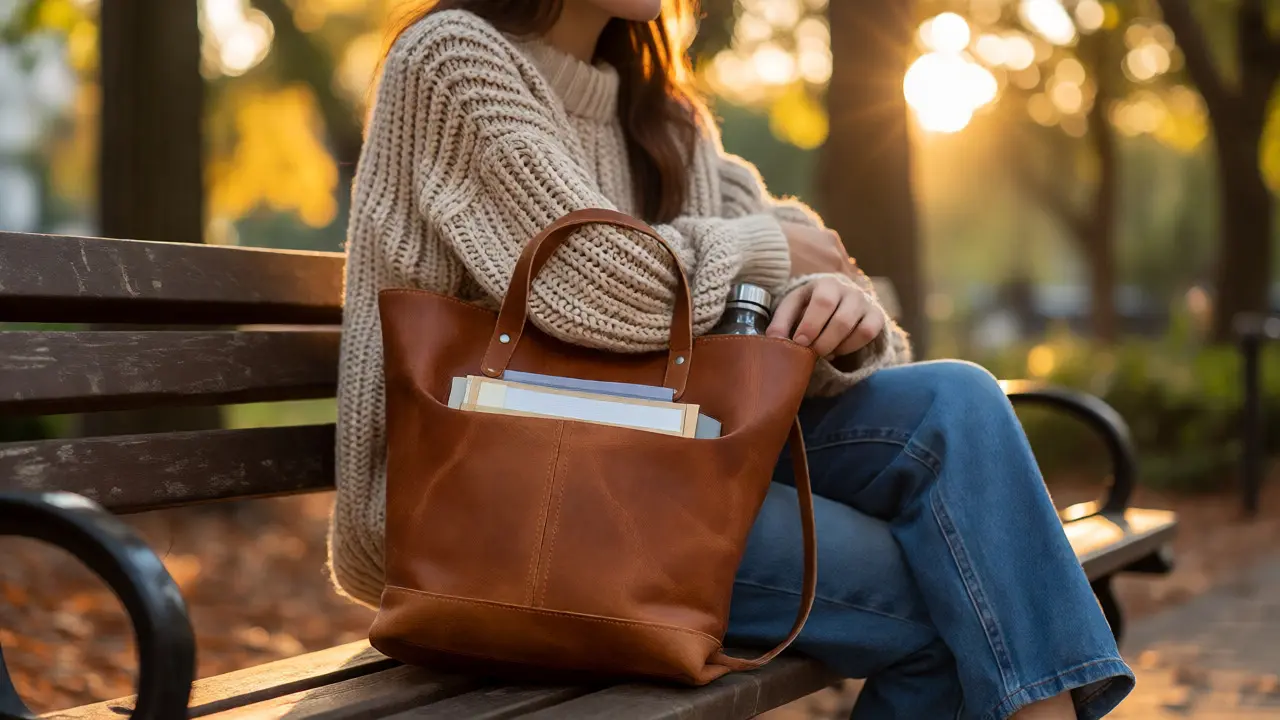
Soft bags shine when your clothes have movement and texture. Think denim jackets, linen shirts, flowy dresses, or oversized hoodies. A slouchy tote bag made of worn leather or canvas blends seamlessly with these fabrics. It doesn’t fight the outfit; it flows with it.
Weekend wear is the natural habitat for relaxed bags. You’re likely carrying more items-a water bottle, a book, a gym kit-and you need flexibility. A rigid box would bulge awkwardly with extra stuff. A slouchy bag expands naturally, maintaining a casual vibe even when full. Plus, the tactile experience matters. Running your hand over soft suede or brushed cotton feels inviting, reinforcing the relaxed mood of your day.
Mixing Structures: Advanced Styling
Once you master the basics, you can play with contrast. Mixing structures can create a dynamic, fashion-forward look, but it requires confidence.
Try pairing a structured bag with a deliberately messy outfit. Picture a ripped boyfriend jean, an oversized flannel shirt, and scuffed boots. Now add a pristine, white, hard-case shoulder bag. The contrast between the rugged clothes and the refined bag elevates the entire look. It says, "I’m comfortable, but I haven’t given up on style." This technique prevents casual outfits from looking sloppy.
Alternatively, use a relaxed bag to soften a severe look. A stark black turtleneck and tailored pants can feel cold or intimidating. Adding a woven straw basket bag or a soft leather hobo introduces warmth and approachability. The organic texture of the bag breaks up the linear severity of the clothes, making you seem more accessible.
Be careful with scale, though. If you mix structures, ensure the sizes complement each other. A tiny structured bag with a massive oversized coat might get lost. A huge slouchy bag with a delicate silk blouse might overwhelm it. Visual harmony depends on proportion as much as shape.
Practical Considerations Beyond Aesthetics
While shape drives impression, functionality drives choice. Structured bags are notoriously inefficient packers. Their fixed dimensions mean wasted space if your items don’t fit the mold. You’ll struggle to squeeze in a laptop or a bulky umbrella. They are best for essentials: phone, wallet, keys, lipstick.
Relaxed bags are workhorses. They adapt to what you carry. Need to bring home groceries? A slouchy tote handles it. Traveling? A soft weekender bag fits under airplane seats easier than a rigid suitcase. If your lifestyle is chaotic and unpredictable, leaning toward relaxed shapes saves you daily frustration.
However, maintenance differs significantly. Structured bags show every scratch and dent because the light reflects off flat surfaces. They require regular stuffing to maintain shape during storage. Relaxed bags hide wear and tear better; a few scratches on soft leather just add character. But they can lose their appeal if they become too misshapen from overstuffing. Rotate your bags to let the material recover.
How Body Type Influences Bag Choice
Your physique interacts with bag shape too. This isn’t about hiding flaws; it’s about balancing proportions.
Petite frames often look better with smaller, structured bags. Large, slouchy bags can dwarf a small person, making them appear shorter. A crisp, small crossbody keeps the focus on the upper body and maintains vertical lines.
Taller individuals can pull off larger, relaxed bags without being overwhelmed. The height provides the necessary canvas for big shapes. However, very tall people with broad shoulders might find that structured bags help break up their width, creating a more balanced silhouette.
For curvier bodies, avoid extremely rigid, boxy bags that sit at the waist, as they can accentuate midsection bulk. Instead, opt for softer shapes that curve around the body or structured bags carried higher on the chest to draw the eye upward.
Care and Longevity Tips
To keep your structured bags looking sharp, store them stuffed with tissue paper or bubble wrap when not in use. This prevents the sides from caving in. Keep them away from direct sunlight, which can crack stiff leather finishes.
For relaxed bags, avoid overloading them for extended periods. If you leave a heavy load in a soft bag overnight, it may permanently deform. Clean soft leathers with conditioners that penetrate deep into the fibers, keeping them supple. Stiff leathers need protectants that sit on the surface to guard against abrasion.
Can I wear a structured bag with jeans?
Absolutely. In fact, it’s a classic high-low combination. The rigidity of the bag contrasts nicely with the casual nature of denim, elevating the outfit instantly. Just ensure the jeans are clean and well-fitted to match the bag’s polish.
Do relaxed bags make me look older?
Not necessarily. While some outdated slouchy styles can look dated, modern relaxed bags in trendy materials (like vegan leather or technical nylon) look contemporary. Avoid overly worn, shapeless sacks unless you’re going for a specific grunge or boho aesthetic.
Which is more professional, structured or relaxed?
Generally, structured bags are perceived as more professional because they convey organization and seriousness. In conservative industries like law or finance, a structured briefcase or top-handle is safer. Creative fields often accept relaxed bags, especially if they are high-quality and neat.
How do I fix a structured bag that has lost its shape?
Stuff it tightly with newspaper or specialized bag shapers and leave it for 24-48 hours. Sometimes, gentle steaming (from a distance) can help relax stiff leather back into place, but test on a hidden area first. For fabric structured bags, ironing on low heat with a cloth barrier can restore crispness.
Are mini bags always structured?
No, mini bags come in both forms. A mini bucket bag is relaxed, while a mini box bag is structured. The size doesn’t dictate the shape; the construction does. Mini structured bags are great for evening wear, while mini relaxed pouches are ideal for casual daytime outings where you carry little.