

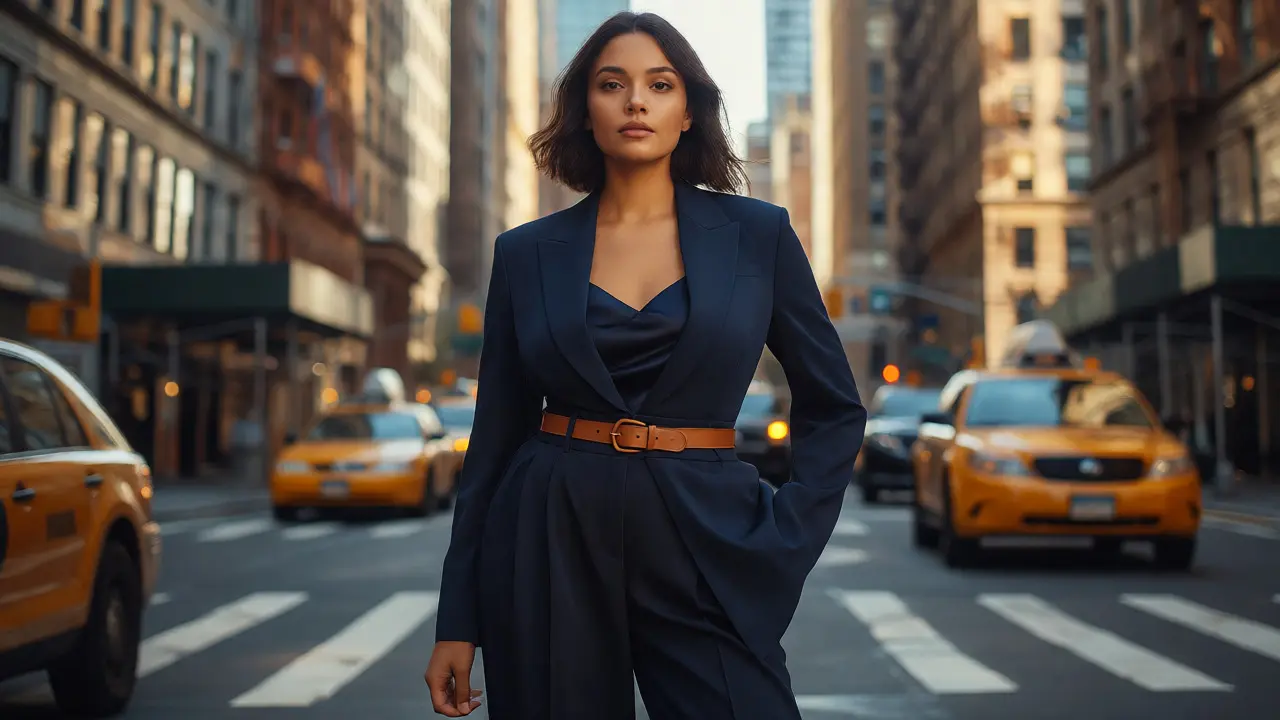
Most plus-size style advice feels like it was written for someone else. You’re told to hide your curves or drown them in fabric, but that misses the point entirely. If you have an hourglass body type at a plus size, your goal isn’t concealment-it’s balance. Your shoulders and hips are roughly equal in width, with a defined waist in between. The trick is dressing this shape without letting one area overpower the other.
I’ve spent years analyzing how clothes sit on different frames in New York’s diverse streets. Here’s what actually works when you want to highlight those natural curves while keeping proportions sharp. No fluff, just mechanics.
Understanding the Plus-Size Hourglass Geometry
Let’s get technical for a second. An hourglass silhouette means your bust and hip measurements are within 5% of each other, and your waist is significantly smaller-usually by at least 9 inches. In plus sizes, this ratio often becomes more pronounced. A standard straight-size garment might fit your shoulders but pull across the chest, or fit your hips but gap at the waist. That’s not a flaw; it’s a geometry problem.
The core challenge here is vertical continuity. When you break up your torso visually, you lose the illusion of height and lean lines. For example, wearing a top that ends exactly at the widest part of your hips cuts you in half horizontally. It makes you look wider than you are. Instead, we want long, unbroken lines that draw the eye up and down, emphasizing that narrow waist as the anchor point.
| Body Area | Goal | Do This | Avoid This |
|---|---|---|---|
| Shoulders | Maintain Width | Structured blazers, boat necks, raglan sleeves | Narrow straps, heavy ruffles on top only |
| Waist | Define Narrowness | Belted coats, wrap dresses, peplums | Straight shift dresses, boxy tunics |
| Hips | Match Shoulder Width | A-line skirts, wide-leg trousers, bootcut jeans | Skinny jeans with bulky tops, pencil skirts that cling too tightly |
The Waist Is Your Anchor Point
If you take one rule from this guide, make it this: define your waist. Not by squeezing it into corsets until you can’t breathe, but by creating visual interest at that narrowest point. This draws the eye inward and highlights the curve difference between your upper and lower body.
Belts are the easiest tool here, but they need to be proportional. A skinny belt gets lost on a larger frame. Go for medium-to-wide belts (1.5 to 3 inches) that sit right above the navel or at the natural waistline. Leather adds structure; fabric blends in. If you’re wearing a dress, a matching fabric belt looks seamless. If you’re mixing textures, let the belt stand out as an accessory.
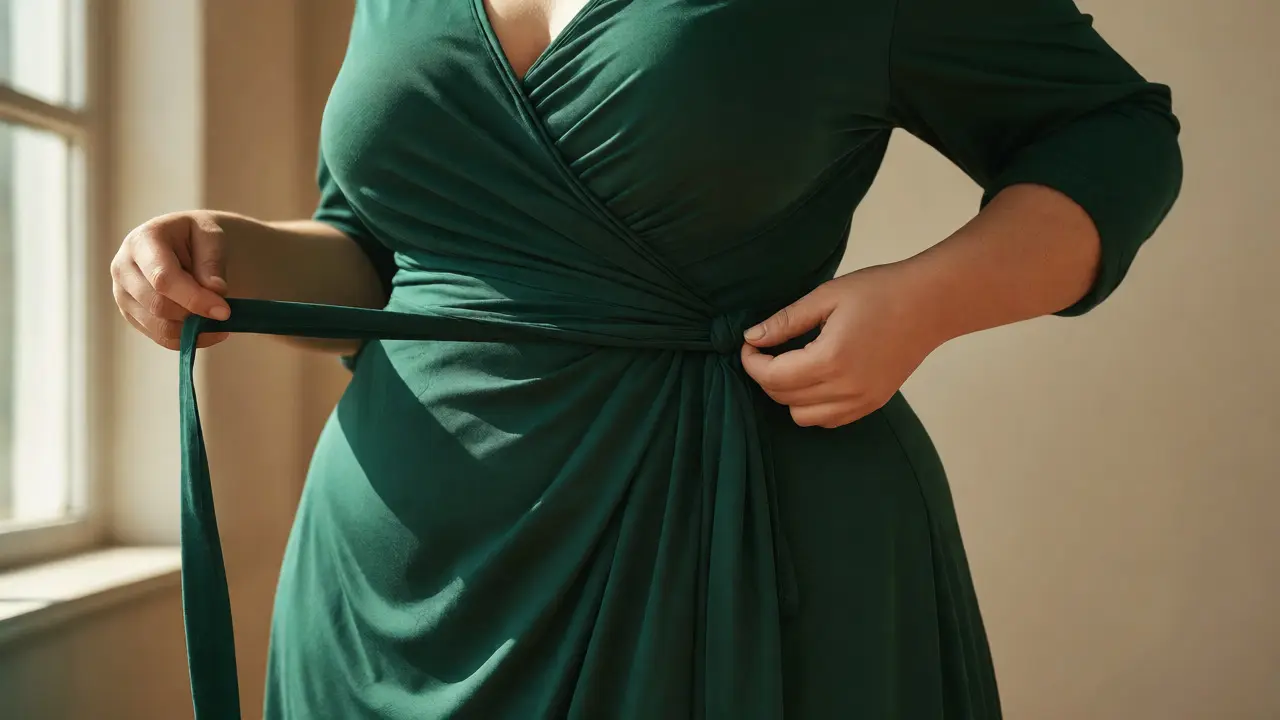
Wrap dresses remain undefeated for this body type because they naturally create a V-neckline (elongating the torso) and cinch at the waist without rigid seams. Look for wraps with adjustable ties so you control the tightness. Avoid stiff fabrics that don’t drape; you want movement around the hips to keep the line soft.
Balancing Shoulders and Hips
Here’s where most people mess up. They think “balance” means hiding everything. But if your hips are wide, adding volume to your shoulders helps counterweight them. Think of it like a scale. If one side is heavier, add weight to the other to level it out.
Structured jackets with slight shoulder padding work wonders. They broaden the upper body slightly, making the waist look smaller by comparison. Raglan sleeves (where the sleeve extends in one piece to the neckline) soften the shoulder line if you find structured blazers too harsh. Boat necklines also extend horizontally across the collarbone, mirroring the width of the hips below.
On the bottom half, avoid adding bulk where you already have width. Skinny jeans paired with a bulky sweater can sometimes make the top look heavier than the bottom. Instead, opt for bootcut or straight-leg pants. These styles skim over the hips and thighs, then flare slightly at the hem, which echoes the shoulder width. Wide-leg trousers are fantastic if they’re high-waisted; they create a long, columnar line from waist to floor.
Fabric Choices Matter More Than Size Labels
You can buy the perfect cut, but if the fabric fights your body, it won’t work. Stiff fabrics like denim or heavy cotton twill hold their shape. They don’t conform to curves, so they can add bulk if the cut isn’t precise. Soft knits and jersey cling to every bump and dip, which can be revealing if you’re not ready for that level of transparency.
The sweet spot is mid-weight fabrics with some stretch. Look for blends with elastane or spandex (2-5%). These materials hug the waist but glide over the hips. Ponte knit is a godsend for plus-size hourglasses. It’s thick enough to smooth but flexible enough to move with you. Use it for dresses, skirts, and tailored pants.
Also, check the lining. Unlined garments in thin fabrics will show underwear lines and skin texture. Lined pieces hang better and feel more luxurious. If you’re buying online, read reviews specifically about “cling” or “structure.” Real photos from shoppers with similar measurements tell you more than the model’s studio shot.
Color Blocking and Vertical Lines
Monochrome outfits aren’t just slimming-they’re simplifying. Wearing one color from head to toe creates a continuous vertical line, making you appear taller and leaner. If monochrome feels too stark, try tonal dressing. Pair dark navy trousers with a lighter blue blouse. The subtle contrast keeps interest without breaking the line.
Vertical stripes are classic for a reason. They elongate the torso. But be careful with scale. Thin pinstripes can look busy; wide bold stripes can widen. Medium-width stripes (about 1 inch apart) usually strike the right balance. Place darker colors on areas you want to recede and lighter colors where you want attention. Since your waist is already narrow, you don’t need to darken it. Let the light hit there.
Prints should follow the same logic. Large prints can overwhelm a smaller frame, but on a plus-size hourglass, they can celebrate curves. Just ensure the print aligns with your seams. If a floral pattern breaks awkwardly at the waist, it disrupts the flow. Look for patterns that are centered or symmetrical.
Practical Outfit Formulas
Don’t reinvent the wheel every morning. Keep these three formulas in your closet for quick wins:
- The Power Suit: A fitted blazer with structured shoulders + a high-waisted pencil skirt or tailored trousers + a silk camisole tucked in. Belt the blazer if possible. Shoes should match the trouser color to lengthen the leg.
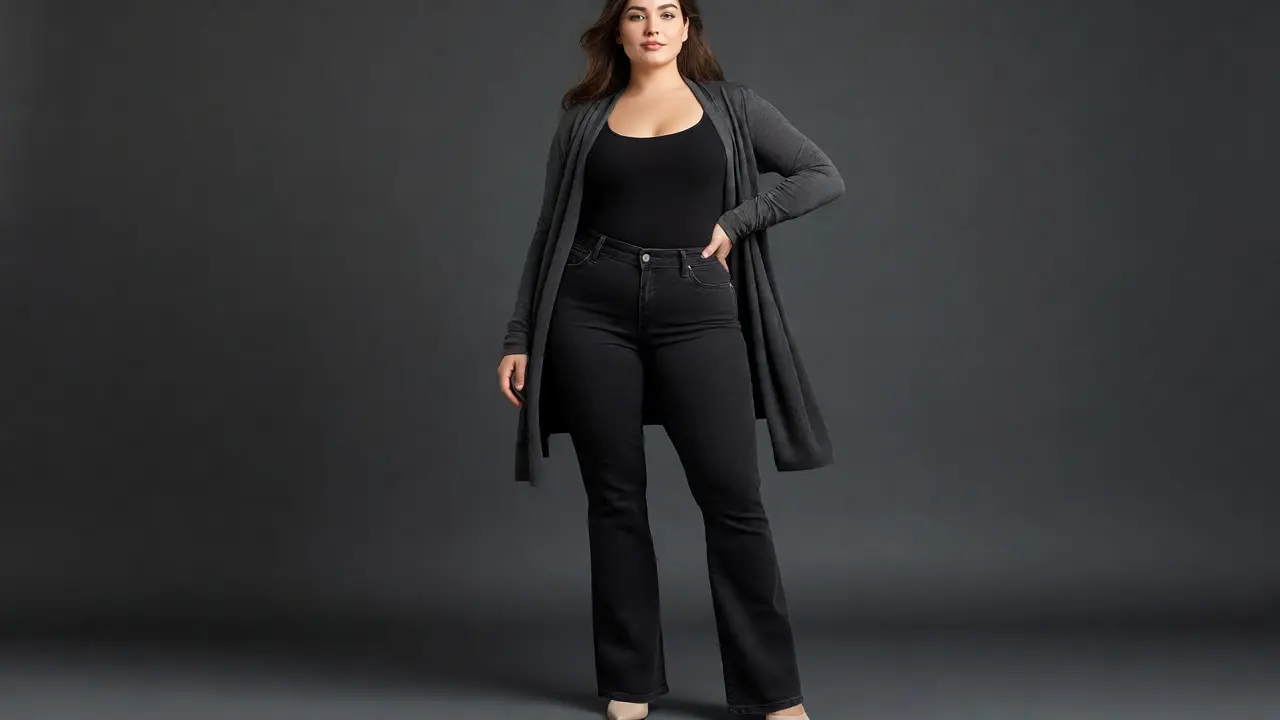
- The Weekend Casual: High-waisted bootcut jeans + a fitted graphic tee or solid top + a lightweight cardigan left open (creates vertical lines) + ankle boots. Tuck the front of the shirt to show the waistband.
- The Evening Dress: A wrap dress in a draping fabric (jersey or chiffon) + statement earrings to draw eyes up + heels with a pointed toe. Skip the necklace if the neckline is busy; focus on the waist tie.
Troubleshooting Common Fit Issues
Even with the best intentions, things go wrong. Here’s how to fix common problems without throwing away the garment.
Gapping at the back of the waist: This happens when your hips are wider than your waist relative to the garment’s design. Try a belt to cinch it, or use a tailor’s dart alteration. Some brands offer “curvy” fits specifically designed for this ratio-look for terms like “curvy fit,” “hourglass cut,” or “proportional sizing.”
Tops pulling across the chest: You likely need a larger cup size, even if your band size is correct. Many plus-size brands now offer bra-friendly tops with built-in support or roomier bust panels. Alternatively, wear a well-fitted strapless bra or shapewear that lifts rather than compresses.
Pants falling down at the waist but tight at the hips: This is the classic “inverted triangle” problem in reverse. Look for pants with a contoured waistband (higher in the back). Or, try suspender clips or fashion tape to keep the waistband secure. Tailoring the hips down is expensive; altering the waist up is cheaper and more effective.
Confidence Is Part of the Fit
Style isn’t just about hiding flaws; it’s about amplifying strengths. An hourglass figure is dynamic. It moves. Clothes that restrict movement kill that energy. Choose pieces that allow you to walk, sit, and dance comfortably. If you’re constantly tugging at your hem or adjusting your neckline, the outfit isn’t working, no matter how trendy it is.
Experiment with textures. Velvet catches light beautifully on curves. Satin glides over hips. Lace adds delicacy to strong shoulders. Play with what feels good against your skin. Fashion should feel empowering, not restrictive.
Remember, trends change, but geometry doesn’t. Master the basics of balance-shoulders vs. hips, waist definition, vertical lines-and you’ll always look polished. Stop chasing “flattering” in the sense of “smaller.” Aim for “balanced.” That’s where true style lives.
Can I wear skinny jeans if I have an hourglass figure?
Yes, but with caution. Skinny jeans can emphasize the width of your hips. To balance this, pair them with tops that add volume to the shoulders, like a structured blazer, a boat-neck sweater, or a jacket with epaulets. Ensure the jeans are high-waisted to define your waist. Avoid pairing them with bulky, oversized sweaters that end at the hip, as this creates a triangular silhouette rather than an hourglass one.
What fabrics should I avoid for a plus-size hourglass body?
Avoid stiff, non-stretch fabrics that don’t conform to curves, such as heavy canvas or rigid denim without elastane, unless the cut is extremely precise. Also, be wary of very thin, clingy fabrics like cheap rayon or jersey that reveal every seam line and body contour. Opt instead for mid-weight fabrics with stretch, like ponte knit, scuba, or blends with 2-5% spandex, which provide structure while accommodating curves smoothly.
How do I choose the right belt width for my plus-size hourglass figure?
Medium to wide belts (1.5 to 3 inches) generally work best. Skinny belts can disappear against a larger frame and fail to define the waist effectively. Wide belts create a strong horizontal line that emphasizes the narrowness of the waist. Position the belt at your natural waist (the smallest part of your torso), not on your hips. If you’re petite-plus, stick to the lower end of the width range to avoid overwhelming your frame.
Are horizontal stripes bad for hourglass figures?
Not necessarily. Horizontal stripes can widen the area they cover. If you wear a striped top, it can help balance wider hips by adding visual weight to the shoulders/chest. However, avoid large, bold horizontal stripes across the bust if you already have a full chest, as this can add bulk. Thinner stripes or diagonal stripes are safer bets for maintaining a balanced proportion while still enjoying the pattern.
What shoes elongate legs for plus-size hourglass bodies?
Pointed-toe shoes are excellent for creating a longer visual line. Nude pumps that match your skin tone extend the leg line seamlessly. Ankle boots with a heel can also work if they’re worn with cropped pants or skirts that expose the ankle, preventing the “cut-off” effect. Avoid chunky platforms or ankle straps that bisect the foot, as these shorten the appearance of the leg.